1. Introduction
If you own a VW Group car with the 1.8 TSI engine—commonly found in Volkswagen, Audi, Škoda and SEAT models—you may have heard about “carbon build-up” on the intake valves. This is a real-world issue that tends to show up as mileage accumulates, especially in urban driving or with long oil-change intervals. The good news is that it’s usually diagnosable without guesswork and fixable without replacing major engine components.
Recommended Tool: Professional OBD2 Scanner
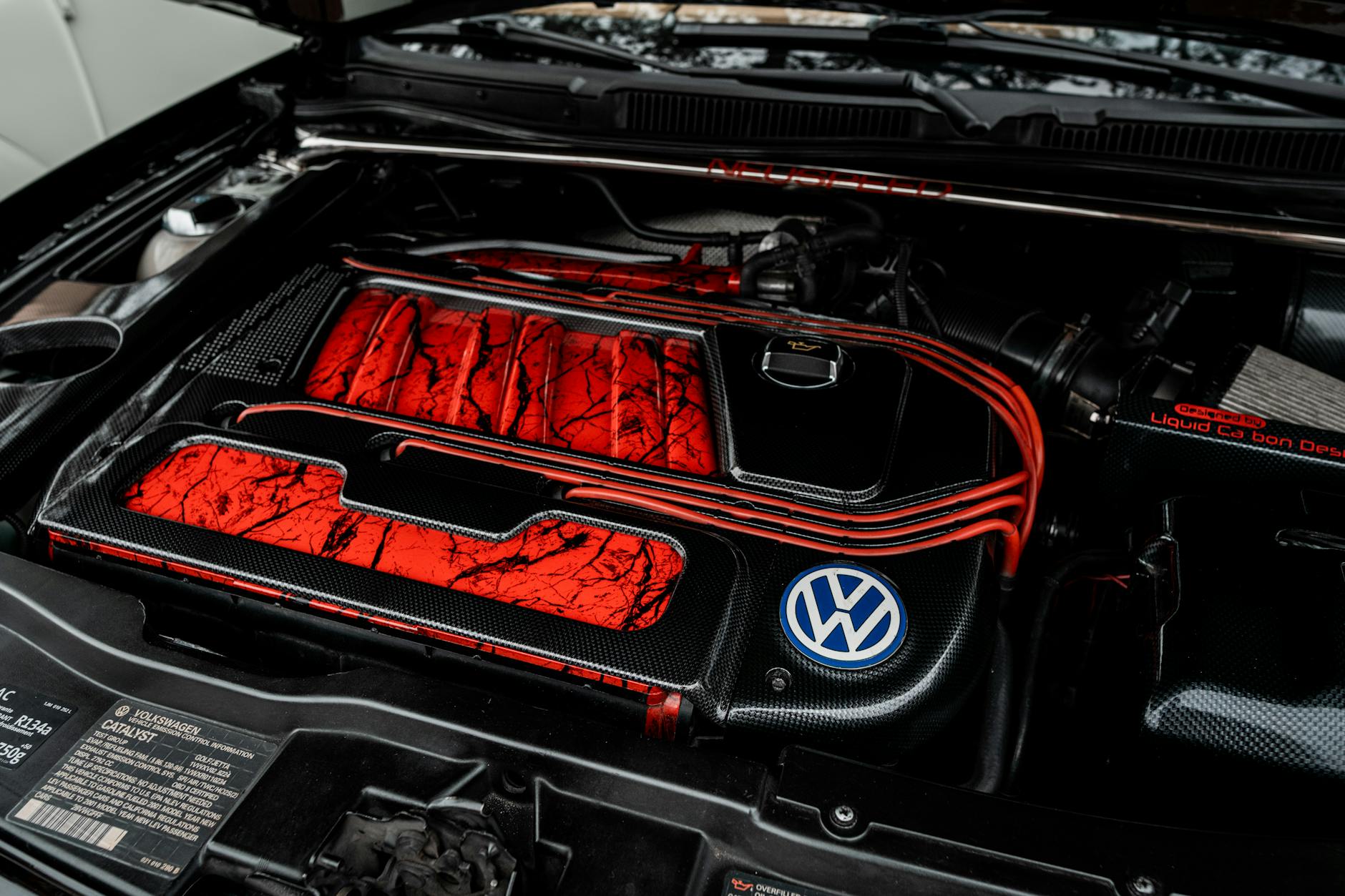
The 1.8 TSI label covers several generations, but carbon build-up concerns are most often discussed around EA888 family engines (for example, CDAA/CDAB/CJSA/CJEB depending on model year and market). Direct injection is the key design feature here: it improves efficiency, but it also changes how the intake valves stay clean. For everyday European owners, understanding what’s happening—and what to do about it—can save money and restore the car’s smoothness.
Recommended Tool: Professional OBD2 Scanner
🔧 Recommended Professional Tool
EA888 Engine Diagnostic ToolsEssential tools for EA888 engine diagnostics
✔ Recommended by automotive technicians ✔ Suitable for BMW, Mercedes, VAG & JLR platforms ✔ Fast international shipping
2. Causes
Carbon build-up on intake valves happens when oily vapours and combustion by-products stick to the valves and harden over time. In direct-injection petrol engines like the 1.8 TSI, fuel is injected directly into the combustion chamber, so petrol no longer washes over the intake valves to help keep them clean.
Recommended Tool: Professional OBD2 Scanner
Common contributors include:
- Direct injection design (DI): No fuel cleaning action on the intake valves.
- PCV system vapours: The Positive Crankcase Ventilation system routes oil vapour back into the intake, which can deposit on valves.
- EGR/recirculation effects (where applicable): Exhaust gases and soot-related residues can increase deposits in some operating conditions.
- Short trips and cold running: Engines that rarely reach full operating temperature tend to accumulate deposits faster.
- Long oil-change intervals or low-quality oil: More blow-by and more oil vapour can mean more deposits.
- Turbocharged operating conditions: Turbo engines can generate more blow-by and oil mist under certain loads.
3. Symptoms
Carbon build-up typically creeps in gradually, so owners often adapt to the decline without realising. Eventually, the symptoms become obvious—especially at idle and under load.
Typical signs include:
- Rough idle or a “shaky” feeling at standstill
- Misfires under load (often more noticeable during acceleration in higher gears)
- Hesitation or flat spots in the mid-range
- Reduced fuel economy
- Harder cold starts or uneven running for the first minute
- Check Engine Light (MIL) with misfire-related codes
On VW Group diagnostics (ODIS, VCDS, or similar scan tools), you may see misfire counters climbing or fault codes such as random/multiple misfires (e.g., P0300) or cylinder-specific misfires (P0301–P0304). These codes don’t prove carbon build-up by themselves, but they are common companions.
4. How to diagnose
A good diagnosis avoids replacing parts that aren’t the root cause (spark plugs, coils and injectors are frequently blamed). Carbon build-up is often confirmed by combining scan data with a visual inspection.
Step-by-step practical approach
-
Scan for fault codes and freeze-frame data
- Use ODIS (dealer-level) or a reputable scan tool.
- Note whether misfires occur at idle, under load, or during cold start.
- Check if the car has a history of recurring misfires despite recent plugs/coils.
-
Check live data
- Look at misfire counters per cylinder.
- Review fuel trims (short and long term). Significant positive trims can suggest air/fuelling imbalance; carbon build-up can contribute, though vacuum leaks and MAF issues can mimic it.
- On some setups, examine idle stability and airflow readings.
-
Rule out common “easy” causes
- Verify spark plug condition and correct heat range (many 1.8 TSI variants are sensitive to plug spec and gap).
- Swap ignition coils between cylinders to see if the misfire follows the coil.
- Consider injector imbalance or low fuel pressure if symptoms persist under load.
-
Borescope inspection of intake valves (best confirmation)
- A workshop can remove the intake manifold and inspect valves with a borescope.
- Heavy deposits look like dark, crusty buildup around the valve stems and ports.
- This is the most direct way to confirm carbon build-up before paying for cleaning.
5. How to fix
Fixing carbon build-up usually means physically cleaning the intake valves. Additives poured into the fuel tank rarely solve it because fuel does not touch the intake valves on direct-injection engines.
Common repair methods
Walnut blasting (most effective and widely recommended)
- The intake manifold is removed.
- Each cylinder is positioned with intake valves closed.
- Crushed walnut shell media is blasted to remove carbon without damaging metal surfaces.
- Ports are vacuumed and inspected afterward.
This method restores airflow and combustion stability quickly and is commonly used by independent VW/Audi specialists.
Manual cleaning (more labour-intensive)
- Deposits are scraped and dissolved using intake-safe chemicals.
- Works, but results vary and it can take longer.
- Higher risk of debris control issues if not done carefully.
“Chemical intake cleaning” services
- Some services fog chemicals through the intake.
- These can reduce light deposits but are often disappointing on heavy build-up.
- Best viewed as a maintenance aid, not a cure for severe deposits.
Related parts often replaced during the job
- Intake manifold gasket(s)
- Throttle body gasket (if removed)
- PCV valve (if faulty or known weak on your exact engine code)
- Spark plugs (if due or misfires have been present)
6. Repair costs
Costs vary by country, labour rates, and model packaging (some bays are tighter than others). Below are realistic European ranges for parts + labour.
- Walnut blasting / intake valve cleaning: €350–€900
- Typically 3–6 hours labour depending on engine layout and workshop process.
- Gaskets and consumables: €30–€120
- PCV valve replacement (if needed): €120–€350
- Spark plugs (set) fitted (if needed): €120–€250
- Injector seal kit / intake manifold extras (if disturbed): €30–€150
If misfires have led to additional issues (for example, a damaged ignition coil pack or a tired injector), total spend can climb to €700–€1,400. A reputable shop should justify any add-ons with test results, not assumptions.
7. Prevention tips
You can’t fully eliminate carbon build-up on a direct-injection 1.8 TSI, but you can slow it down and reduce severity.
- Shorten oil-change intervals: Many owners see benefits moving to 10,000–12,000 km intervals (or annually), using the correct VW oil spec for your engine.
- Use quality fuel consistently: Top-tier fuels and regular highway runs can help overall combustion cleanliness.
- Avoid constant short trips: If your use is mostly urban, add an occasional longer drive to reach full operating temperature.
- Address PCV issues early: A failing PCV can increase oil vapour ingestion and worsen deposits.
- Keep ignition healthy: Correct plugs and timely replacement reduce misfire events that can accelerate deposit problems.
- Consider periodic inspection: If you plan to keep the car long-term, a borescope check around 80,000–120,000 km can be money well spent.
8. When to see a mechanic
You should book a workshop visit if:
- The Check Engine Light is on or flashing (flashing indicates active misfires that can damage the catalytic converter).
- Misfires are frequent, especially under load, or the car feels unsafe to drive.
- You’ve already replaced spark plugs/coils and the problem returns.
- Fuel economy has noticeably worsened alongside rough running.
- You want a confirmed diagnosis via scan data and borescope before paying for cleaning.
Choose a specialist who can show evidence (ODIS logs, misfire counters, fuel trims, borescope photos). A vague “these engines always do this” without confirmation is not a great basis for spending hundreds of euros.
9. Frequently Asked Questions
Frequently Asked Questions
Can I fix 1.8 TSI carbon build-up with fuel additives?
Fuel additives can help keep injectors and combustion chambers cleaner, but they rarely remove intake valve deposits on direct-injection engines. Because fuel doesn’t wash over the intake valves, the underlying issue remains. Additives may slightly improve running if there are other minor deposits, but they’re not a substitute for mechanical cleaning.
How often does a 1.8 TSI need walnut blasting?
There’s no single interval that fits every driver. Many owners see noticeable build-up somewhere between 80,000 and 140,000 km, with city driving bringing it on sooner. A borescope inspection is the best way to decide rather than guessing by mileage alone.
Will carbon build-up cause engine damage if I ignore it?
It can lead to persistent misfires, poor performance and potentially catalytic converter damage if misfires are severe or prolonged. It usually won’t “blow the engine,” but running poorly for months often triggers secondary costs. Fixing it early is typically cheaper than chasing misfire-related consequences.
How do I know it’s carbon build-up and not coils, plugs, or injectors?
A scan with ODIS or a high-quality diagnostic tool can show misfire patterns, and basic coil swapping can help rule out ignition. Fuel trim readings may provide clues, but they’re not definitive. The most reliable confirmation is a borescope inspection of the intake valves after removing the intake manifold.
Does replacing the PCV system prevent the problem from coming back?
A healthy PCV system can reduce oil vapour ingestion and may slow deposit formation, but it won’t eliminate it completely. Carbon build-up is a byproduct of direct injection and normal crankcase ventilation. Think of PCV replacement as a supporting fix when it’s faulty, not a guaranteed cure.