1. Introduction
Brake pedal pulsation on a VW Golf MK8 1.5 eTSI can be unsettling, especially when the car is otherwise smooth and refined. Owners often describe it as a “thumping” or “flutter” through the pedal during gentle braking, sometimes accompanied by a slight vibration in the steering wheel or seat. Because the MK8 is packed with driver-assistance systems and uses a modern brake/ESC setup, it’s easy to assume the issue is electronic. In most cases, though, the root cause is mechanical at the wheel end, and the fix is straightforward once the correct checks are done.
Recommended Tool: Professional OBD2 Scanner
Recommended Tool: Premium Brake Pads
Recommended Tool: Cooling System Diagnostic Tools
This article focuses on everyday causes, symptoms, diagnosis, and best-practice repairs for the Golf MK8 1.5 eTSI (commonly with the DACA/DADA family of EA211 Evo engines and typically paired with a DSG such as the DQ200 in many markets). The guidance also applies broadly to other VW Group cars with similar brake hardware and calibration.
🔧 Recommended Professional Tool
DSG Transmission Service KitProfessional tools for DSG gearbox service
✔ Recommended by automotive technicians ✔ Suitable for BMW, Mercedes, VAG & JLR platforms ✔ Fast international shipping
2. Causes
Brake pedal pulsation almost always comes from uneven braking torque at the wheels. The most common reasons on the MK8 include:
Disc (rotor) thickness variation and “hot spotting”
Contrary to popular belief, many “warped disc” complaints are actually disc thickness variation (DTV) caused by:
- uneven pad material transfer onto the disc face
- overheating from repeated hard stops
- holding the brake firmly after a heavy stop (imprints pad material)
Corrosion or contamination on the hub face
If the disc doesn’t sit perfectly flat against the hub, it can develop runout. Even tiny rust scale or debris on the hub mating surface can lead to pulsation after a few hundred kilometres.
Sticking caliper slider pins or uneven pad wear
A slider pin that doesn’t move freely can cause one pad to do more work than the other, creating uneven heat and uneven disc wear.
Wheel bolt torque issues
Incorrect wheel bolt torque (over-torqued, unevenly torqued, or tightened with an impact gun) can distort the disc hat and introduce runout.
Less common: ABS/ESC intervention or wheel speed sensor issues
If pulsation happens mainly on rough surfaces or at very low speed, it may be normal ABS function. If it happens at higher speeds on smooth roads, it’s usually not ABS-related. Faulty wheel speed sensor signals are less common but can trigger unexpected ABS modulation.
3. Symptoms
You’ll typically notice one or more of the following:
- Pulsation in the brake pedal, especially between ~50–110 km/h
- Steering wheel vibration during braking (often front discs)
- A “judder” feeling through the seat or floor (can be rear discs)
- Braking feels smooth when cold but worse after motorway exits or downhill braking
- No warning lights (often), because the issue is mechanical, not a fault code
- In severe cases: longer stopping distance or a “grabbing” sensation at low speed
4. How to diagnose
A good diagnosis aims to confirm whether the pulsation is coming from the discs/hubs, tyres, suspension, or ABS/ESC intervention.
Step 1: Road test with a clear pattern
On a smooth road:
- Brake lightly from 100 km/h down to 60 km/h and note pedal feedback.
- Repeat with a slightly firmer press.
- If pulsation increases with braking force and is repeatable, suspect disc/hub issues.
Step 2: Visual inspection (wheels off)
Look for:
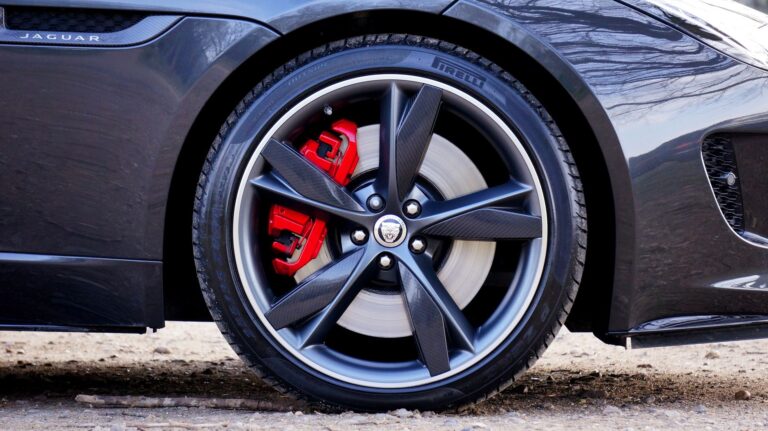
- Blue/purple heat marks on discs (overheating)
- Patchy disc surfaces or “shadowing” (uneven pad transfer)
- Uneven pad thickness left vs right, inner vs outer
- Torn caliper dust boots or dry slider pins
Step 3: Measure disc runout and hub condition
A workshop should use a dial gauge:
- Measure hub face runout first (disc removed).
- Then refit the disc and measure disc lateral runout. Even if your discs are within general limits, the MK8 can be sensitive; small runout can still be felt.
Step 4: Scan for brake system faults (rule out ABS/ESC)
If you have access to VW diagnostics, a scan with ODIS can:
- check for ABS/ESC or wheel speed sensor faults
- view live wheel speed signals for dropouts
- confirm brake pressure sensor plausibility
Most “pedal pulsation” cases will show no stored faults, which is useful information.
Step 5: Eliminate tyre/wheel vibration
A wheel imbalance usually shakes the steering without braking, but it can feel worse under braking. If the vibration is present even without touching the brakes, have wheels balanced and check for a bent rim before chasing brake parts.
5. How to fix
The best fix depends on what you find, but for the MK8 the most reliable approach is to address the disc/hub interface and replace components that have heat damage or uneven wear.
Fix A: Replace discs and pads (most common best fix)
If you have clear DTV symptoms, heat spots, or uneven pad transfer:
- Replace discs and pads as an axle set (front or rear).
- Clean and prep the hub face meticulously.
- Use quality parts (OE or reputable brands); bargain discs are more likely to develop DTV.
Resurfacing (skimming) is sometimes possible, but many modern VW discs have limited material thickness and may not have enough margin.
Fix B: Correct hub mating surface and torque procedure
Even with new parts, pulsation can return if the hub isn’t clean and true:
- Remove rust scale from hub face (carefully, without gouging).
- Use a thin smear of appropriate anti-seize on the hub centre spigot only (not on the disc face).
- Torque wheel bolts to spec with a torque wrench in a star pattern.
Fix C: Service caliper sliders and hardware
If pads are wearing unevenly:
- Clean and lubricate slider pins with the correct high-temp brake grease.
- Replace seized pins, boots, or pad shims/clips as needed.
- Confirm the caliper piston retracts smoothly.
Fix D: Brake bedding-in (often overlooked)
After new discs/pads:
- Perform a proper bedding-in procedure (moderate stops, no holding the pedal at a standstill immediately after heavy braking).
- Avoid emergency-level stops for the first 200–300 km unless necessary.
Fix E (less common): Address ABS/ESC sensor issues
If ODIS shows wheel speed sensor signal issues:
- Inspect sensor wiring, tone rings/encoder surfaces, and connectors.
- Replace the sensor if the signal drops out intermittently.
6. Repair costs
Costs vary by country and workshop rates, but realistic European ranges (parts + labour) are:
- Front discs + pads (OE quality): €300–€650
- Rear discs + pads (OE quality): €250–€550
- Caliper slider service (per axle): €80–€180 (if no parts needed)
- Replace slider pins/boots/hardware: add €30–€120 parts
- ABS wheel speed sensor replacement (one corner): €150–€320
- Diagnostic check with ODIS + road test: €60–€150
If you choose dealer parts and labour, the totals can sit at the top end of these ranges. Independent VW specialists are often better value while still following correct procedures.
7. Prevention tips
You can significantly reduce the chances of pulsation returning with a few habits:
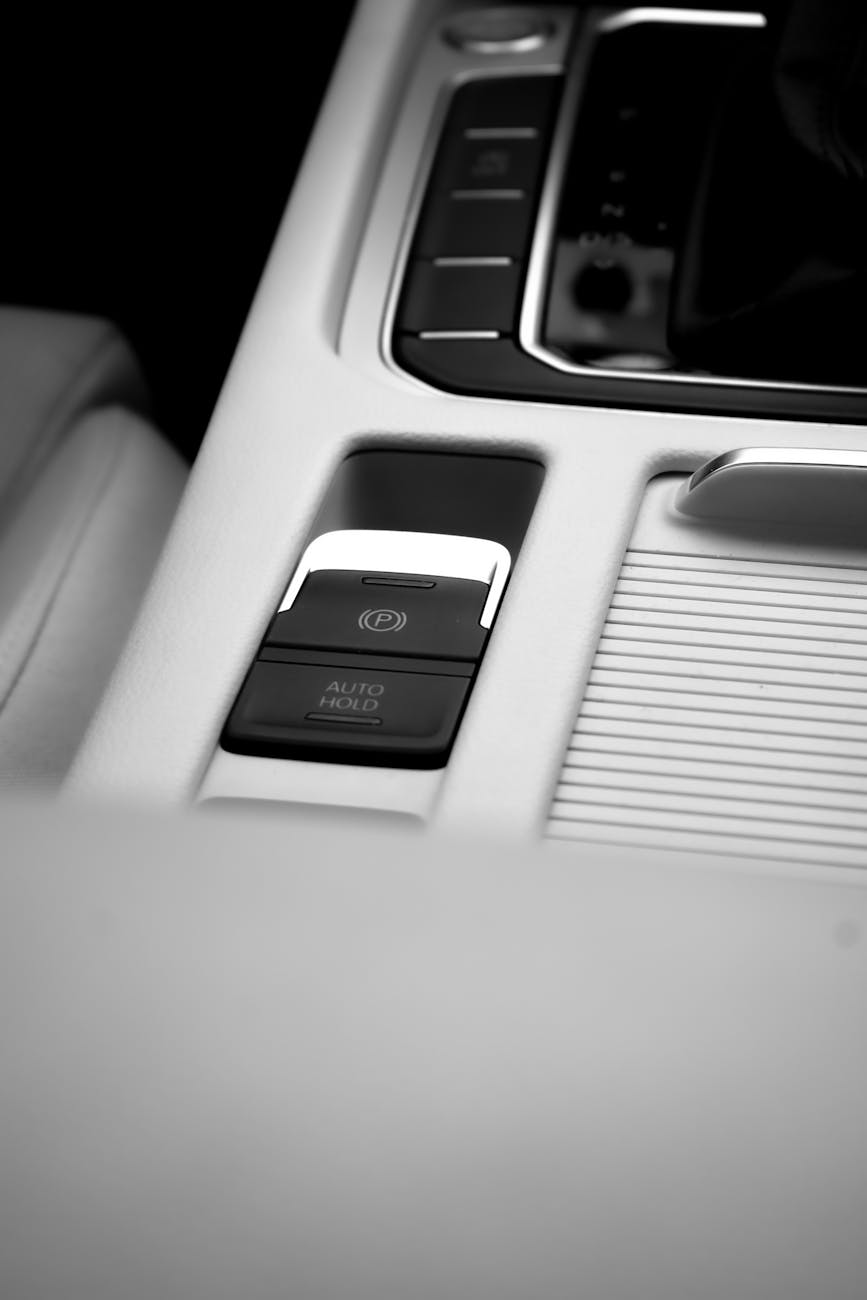
- After hard braking (motorway exit, mountain descent), avoid holding the brake pedal firmly while stationary. Use the handbrake/Auto Hold appropriately and leave space to creep forward if needed.
- Bed in new pads/discs correctly; don’t do repeated heavy stops when everything is brand new.
- Ensure wheels are installed with correct torque; avoid impact-gun tightening without a final torque wrench check.
- If you drive in winter climates, wash salt off wheels and brakes periodically to reduce corrosion buildup.
- Address sticking brakes early (hot smell, one wheel dustier than the other) before discs overheat.
8. When to see a mechanic
Book a professional inspection if:
- Pulsation is strong enough to affect stopping confidence
- The steering wheel shakes noticeably under braking
- You hear grinding, scraping, or metal-on-metal noises
- The car pulls to one side when braking
- A brake warning light, ABS/ESC light, or “Brake system” message appears
- You recently had tyres or brakes replaced and the issue started immediately (possible installation/runout/torque issue)
A good workshop will measure runout, check hub condition, and confirm caliper operation instead of replacing parts by guesswork.
9. Frequently Asked Questions
Frequently Asked Questions
Is brake pedal pulsation on the Golf MK8 usually ABS?
Usually not. ABS pulsation tends to happen during hard braking on slippery or uneven surfaces, often at low speed. If the pulsation is repeatable on dry, smooth roads at mid-to-high speeds, discs/hubs are the more likely cause.
Can “warped discs” be fixed without replacing discs and pads?
Sometimes, but it depends on thickness and surface condition. If the disc has heat spots or significant thickness variation, new discs and pads are typically the most reliable solution. Skimming can work in some cases but may not be advisable if the disc is near minimum thickness.
Why did the pulsation start soon after new tyres or a wheel change?
Wheel bolt torque and disc seating are common culprits. If bolts were tightened unevenly or the disc/hub face had corrosion, runout can be introduced and then “wear in” as pulsation. A workshop should check hub cleanliness and measure runout before replacing more parts.
Will higher-quality pads and discs prevent this from happening again?
Quality parts help, but installation and driving habits matter just as much. Proper hub preparation, correct torque, and correct bedding-in are key to avoiding uneven pad transfer. Even premium discs can develop DTV if they’re overheated or clamped when very hot.
Should I scan the car with ODIS if there are no warning lights?
It’s still useful, especially to rule out wheel speed sensor signal issues or stored ABS/ESC history. However, many pulsation cases won’t show fault codes because the problem is mechanical. A physical inspection and runout measurement remain the decisive tests.