1. Introduction
Seeing the EPC warning light on a VW Golf Mk7 can be worrying because it often comes with reduced power or unpredictable throttle response. EPC stands for Electronic Power Control, and on VW Group cars it’s the system that supervises the electronic throttle, engine torque control, and related safety strategies. In plain terms: the car has detected a fault that affects how the engine responds to your right foot, and it may limit power to protect the engine, turbocharger, or drivetrain.
Recommended Tool: Professional OBD2 Scanner
Recommended Tool: Premium Brake Pads
Recommended Tool: Portable Jump Starter
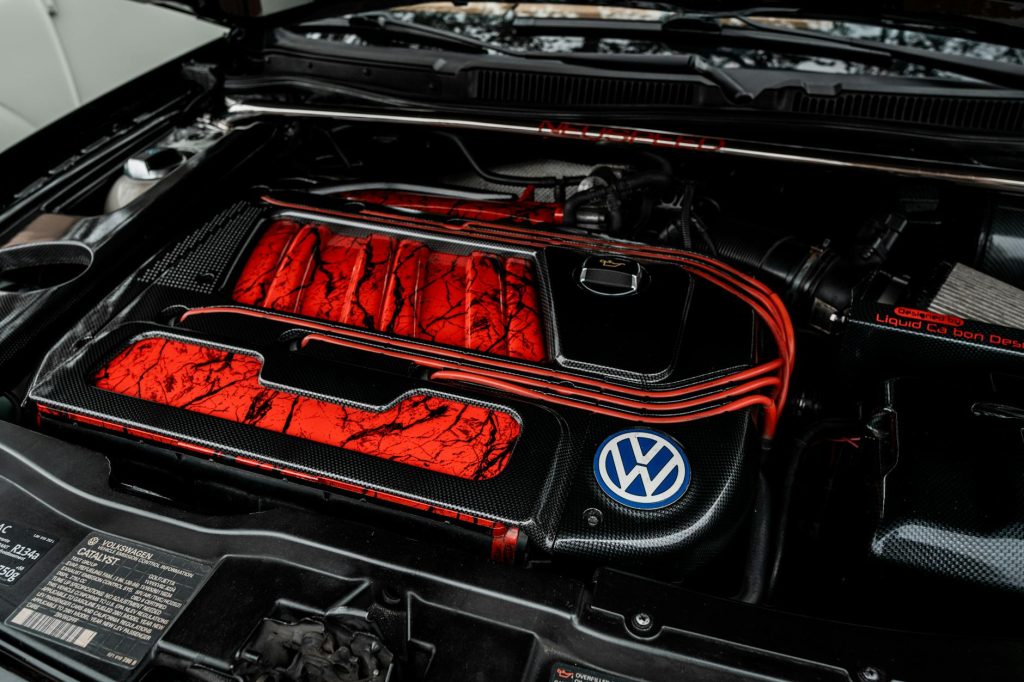
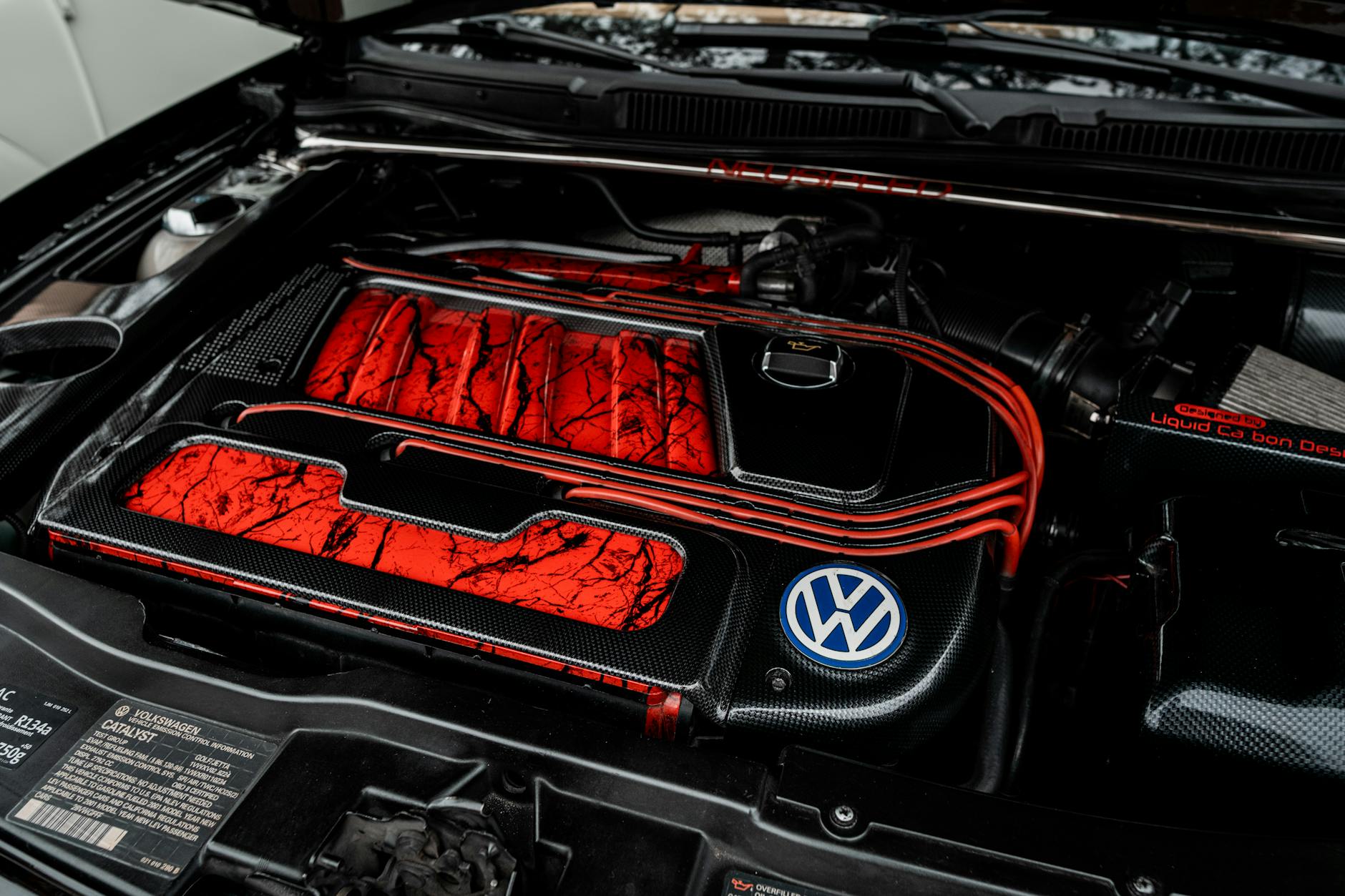
The Golf Mk7 range (especially TSI petrol engines like the 1.2/1.4/2.0 TSI and GTI, and TDI diesels) uses a network of sensors and modules that must agree with each other—throttle position, boost pressure, airflow, crank timing, ignition, fuel pressure, and sometimes gearbox torque limits (e.g., DSG DQ200/DQ250). A single weak signal can trigger EPC. The good news: many EPC causes are straightforward to confirm with a proper scan (ideally ODIS or a high-quality VW-capable tool) and are often repairable without major engine work.
🔧 Recommended Professional Tool
EA888 Engine Diagnostic ToolsEssential tools for EA888 engine diagnostics
✔ Recommended by automotive technicians ✔ Suitable for BMW, Mercedes, VAG & JLR platforms ✔ Fast international shipping
2. Causes
EPC is not one single failure—it’s a “torque management” warning. Common Golf Mk7 causes include:
Throttle and intake-related issues
- Throttle body contamination or failure (sticky plate, adaptation errors)
- Accelerator pedal position sensor fault (pedal module)
- Vacuum/boost leaks (split PCV hoses, loose intercooler pipes, intake leaks)
- Diverter valve or wastegate control problems on turbo engines
Ignition and combustion problems (petrol TSI/GTI)
- Ignition coil pack failure (very common on EA211/EA888 variants)
- Spark plug wear or incorrect heat range/gap (especially tuned cars)
- Misfires under load causing torque limitation
Fuel and air metering faults
- MAF (mass airflow) or MAP (manifold pressure) sensor issues
- High-pressure fuel pump or fuel pressure sensor irregularities (not the most common, but important)
- Carbon buildup on intake valves (more relevant on direct-injection TSI over time)
Brake light / safety interlocks
- Brake light switch fault can trigger EPC because the ECU needs reliable brake input for torque control and cruise functions.
DSG / drivetrain torque management (if equipped)
- DSG mechatronics faults, clutch adaptation limits, or torque request conflicts
- Wheel speed sensor problems that confuse stability/traction systems can also lead to power reduction.
3. Symptoms
Drivers usually notice one or more of the following:
- EPC light illuminated (sometimes with a check engine light as well)
- Reduced power / limp mode, especially under acceleration
- Hesitation or jerky throttle response
- Engine misfire, shaking at idle, or stumbling under load (common with coil issues)
- Cruise control disabled
- DSG odd shifting or refusal to upshift/downshift normally
- In some cases: stalling when coming to a stop (throttle adaptation or air leak related)
If the EPC light flashes, or the car runs very rough, avoid hard driving—continued misfires can damage the catalytic converter.
4. How to diagnose
A correct diagnosis starts with reading fault codes—not guessing. A basic OBD reader helps, but for EPC issues you ideally want VW Group-specific data and guided functions.
Step 1: Scan for fault codes (and freeze-frame data)
- Use ODIS (dealer-level), or a good aftermarket VW-capable tool.
- Record:
- Engine ECU codes (often “P” codes plus VW-specific details)
- ABS/ESC codes (wheel speed sensor issues can impact torque control)
- DSG/TCU codes (for DQ200/DQ250)
- Freeze-frame: RPM, load, boost, coolant temp at time of fault
Step 2: Check live data relevant to EPC
Look at:
- Throttle angle request vs. actual
- Accelerator pedal position sensors (usually dual tracks; they should agree)
- Boost pressure requested vs. actual (turbo engines)
- Misfire counters per cylinder (TSI)
- Fuel rail pressure requested vs. actual (if fuel pressure codes present)
Step 3: Do quick visual checks before replacing parts
- Inspect intake hoses, intercooler pipes, and clamps for oil mist and splits
- Listen for hissing under light throttle (boost leak)
- Check battery voltage and grounds; low voltage can cause module communication errors
Step 4: Run basic functions/adaptations where appropriate
- Throttle body adaptation (guided in ODIS)
- DSG adaptations (only if you have confirmed DSG-related codes and the correct procedure)
- Brake light switch plausibility check
If you also own other European brands: BMW drivers would typically use ISTA, Mercedes owners Xentry, Audi owners ODIS, and JLR owners SDD/Pathfinder—the principle is the same: read codes, verify data, then repair the confirmed cause.
5. How to fix
Repairs depend on what the scan and checks reveal. These are the most common “real-world” fixes for a Golf Mk7 EPC light:
Fix A: Ignition coils and spark plugs (common on TSI)
- If you have misfire codes (e.g., cylinder-specific) and rising misfire counters:
- Replace the affected coil(s); many owners replace all coils if age is similar.
- Replace spark plugs if due or fouled.
- Clear codes and road test under load.
Fix B: Throttle body cleaning/adaptation
- If throttle position correlation or adaptation codes appear:
- Clean the throttle body (carefully; don’t force the plate).
- Perform throttle adaptation via ODIS.
- Replace the throttle body if adaptation fails or internal motor faults are logged.
Fix C: Repair boost/intake leaks
- Tighten or replace:
- Intercooler outlet pipes and O-rings
- PCV/breather hoses
- Split vacuum lines (where fitted)
- Re-test requested vs. actual boost to confirm stability.
Fix D: Brake light switch replacement
- If codes point to brake switch plausibility:
- Replace the brake light switch (usually inexpensive).
- Confirm brake lights work correctly and that cruise control returns.
Fix E: Sensor replacement (MAF/MAP)
- Only replace sensors if live data is implausible and wiring checks out.
- Inspect connectors for oil ingress or corrosion.
Fix F: DSG-related EPC events
- If the EPC is accompanied by gearbox warnings or DSG codes:
- Confirm fluid condition/service history where applicable (DQ250 wet clutch uses fluid service intervals; DQ200 is dry clutch but still has mechatronics considerations).
- Do not guess—DSG mechatronics and clutch adaptation require correct procedures and often specialist support.
6. Repair costs
Costs vary by country and workshop rate, but typical parts + labor ranges for Europe are:
- Scan/diagnostic session (ODIS-capable independent): €60–€150
- Ignition coils (set) + plugs (TSI): €180–€450
- Single coil replacement: €80–€180
- Throttle body clean + adaptation: €120–€250
- Throttle body replacement: €300–€650
- Brake light switch: €70–€160
- MAF/MAP sensor replacement: €120–€280
- Boost leak repair (hose, clamp, O-ring): €80–€250
- DSG diagnosis/adaptation: €120–€250
- DSG mechatronics repair/replacement (worst case): €1,200–€2,500+
A dealer may be higher, but a strong VW specialist with ODIS often offers excellent value, especially for pinpoint diagnosis.
7. Prevention tips
You can reduce EPC incidents by keeping the torque-control “ecosystem” healthy:
- Follow spark plug intervals (and shorten intervals if tuned or driven hard).
- Use quality fuel and keep up with servicing; weak ignition and poor combustion trigger EPC strategies.
- Don’t ignore small boost leaks—a loose pipe clamp can turn into repeated limp modes.
- Keep the battery and charging system strong; low voltage causes odd electronic faults.
- If you have DSG, stick to the correct service schedule (especially for DQ250 wet clutch) and avoid repeated harsh launches on a tired clutch pack.
8. When to see a mechanic
Book a professional diagnosis if:
- The EPC light returns immediately after clearing codes.
- The car enters limp mode repeatedly, especially on motorways.
- You have flashing EPC/check engine, heavy misfires, or fuel pressure faults.
- There are DSG warnings or harsh shifting alongside EPC.
- You suspect wiring issues (intermittent faults, multiple unrelated codes).
A workshop with VW Group experience and proper tooling (ODIS-level capability) will save money compared with replacing parts by trial and error.
9. Frequently Asked Questions
Frequently Asked Questions
Can I drive my VW Golf Mk7 with the EPC light on?
You can often drive gently to a safe place or a workshop, but avoid hard acceleration and high speeds. If the engine is misfiring, running very rough, or the light is flashing, stop driving to prevent catalytic converter damage.
Why does the EPC light come on with no check engine light?
EPC can trigger from torque-control plausibility issues that don’t always set an emissions-related fault. Brake switch faults, throttle adaptation problems, or drivetrain torque conflicts can illuminate EPC without a separate MIL.
Will disconnecting the battery reset the EPC light?
It may clear some temporary faults, but it won’t fix the underlying issue and can erase useful diagnostic information. Proper scanning is better because it preserves fault history and freeze-frame data that points to the cause.
Is the EPC light commonly caused by ignition coils on TSI engines?
Yes, coils and plugs are among the most common causes on TSI variants, especially when misfires appear under load. A scan showing cylinder-specific misfires and rising misfire counters strongly supports this diagnosis.
Can a DSG problem trigger the EPC warning light?
Yes, because the engine and gearbox coordinate torque delivery. If the DSG control unit detects a fault or torque request mismatch, the system may limit power and illuminate EPC alongside gearbox-related codes.