1. Introduction
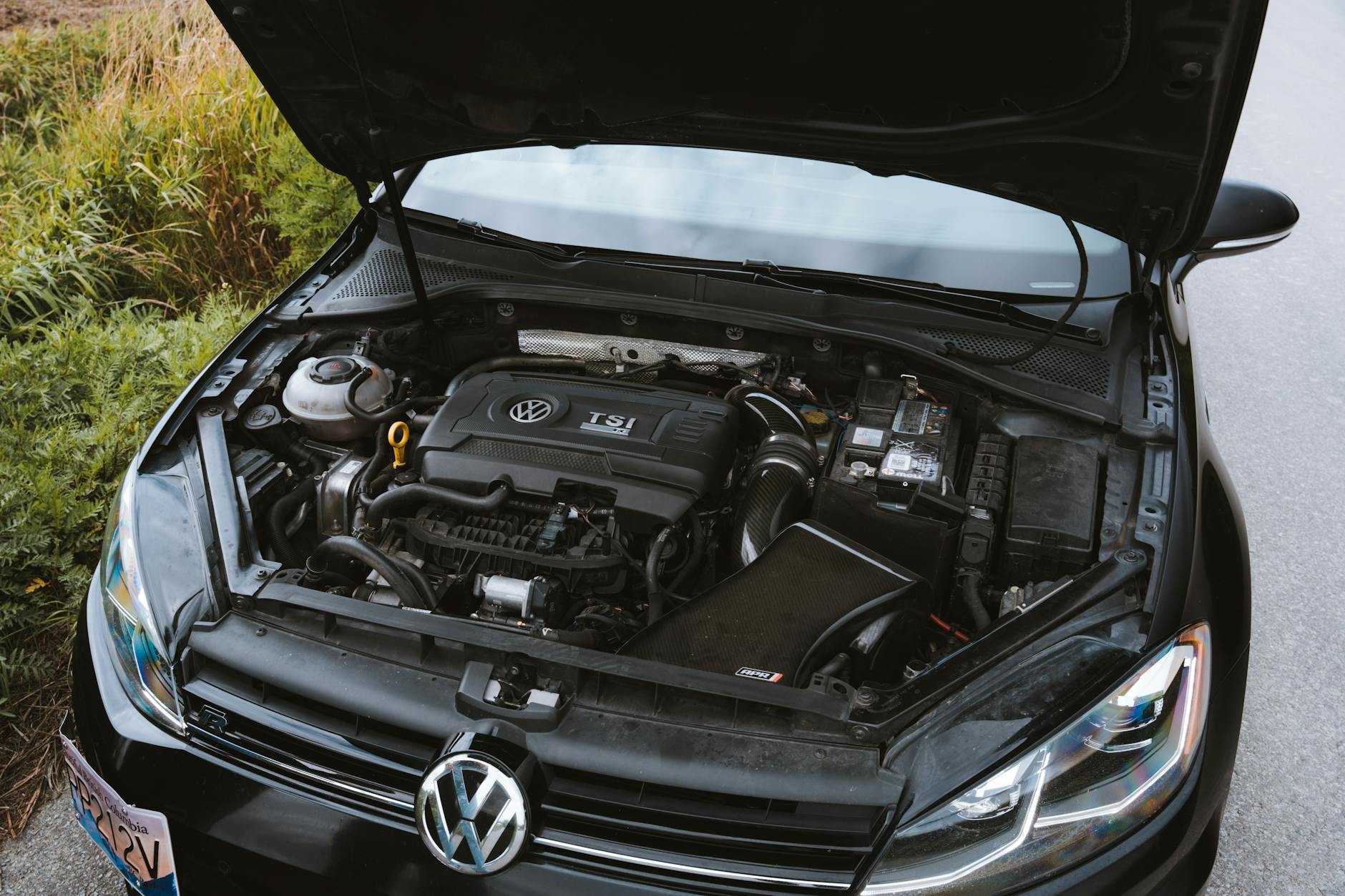
The VW Golf 7 1.4 TSI (EA211) is one of the most common engines across the VW Group range, also found in models from Audi, SEAT and Škoda. It’s generally efficient and smooth, but one issue that can cause serious damage is timing belt failure (including belt snapping, tooth skipping, or tensioner/idler problems). Because the timing belt keeps the crankshaft and camshaft(s) perfectly synchronised, a failure can quickly lead to valve-to-piston contact and expensive internal engine repairs.
Recommended Tool: Professional OBD2 Scanner
Recommended Tool: Cooling System Diagnostic Tools
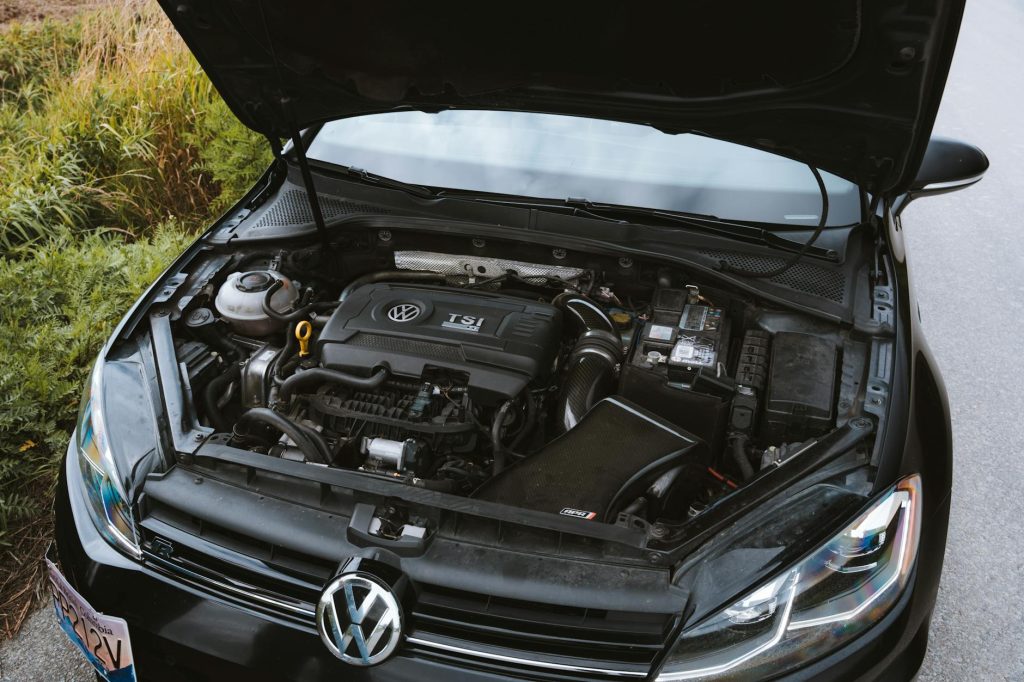
This article explains why timing belt problems happen on the EA211, what you’ll notice as a driver, how diagnosis is usually approached (including with VW Group tools like ODIS), and what repairs typically cost in Europe. While the focus is the Golf 7 1.4 TSI EA211, the same principles apply to other VW Group EA211 applications.
Recommended Tool: Professional OBD2 Scanner
🔧 Recommended Professional Tool
Cooling System Diagnostic ToolsProfessional coolant tester and infrared thermometer for accurate overheating diagnosis.
✔ Recommended by automotive technicians ✔ Suitable for BMW, Mercedes, VAG & JLR platforms ✔ Fast international shipping
2. Causes
Timing belt failure is rarely “random.” It usually follows a chain of wear, contamination, or incorrect service work. Common EA211 belt-related causes include:
Belt wear and age
Even if mileage is low, rubber components age. Heat cycles, short trips, and long periods of sitting can harden the belt and weaken its internal cords.
Tensioner or idler pulley failure
A healthy belt relies on correct tension and smooth pulley rotation. A failing tensioner, worn bearing, or misaligned idler can overheat the belt, shred edges, or allow the belt to jump teeth.
Water pump issues (where driven by the belt)
On many engines, the water pump is part of the belt system. A leaking pump can contaminate the belt, and a failing pump bearing can create wobble that throws alignment off.
Oil or coolant contamination
Timing belts do not tolerate fluids well. Oil leaks from camshaft seals or front crank seals, or coolant leaks from the pump/thermostat area, can soften the belt and reduce tooth strength. Contaminated belts may look “swollen,” glossy, or cracked.
Incorrect previous work
A belt replacement done with poor locking procedures, reused stretch bolts, low-quality parts, or incorrect tension setting can cause premature failure. This is especially risky if the engine wasn’t rotated and rechecked correctly after installation.
3. Symptoms
A belt can deteriorate silently, but there are warning signs that everyday owners can spot. Typical symptoms include:
- Rattling/whirring from the timing belt side of the engine, especially on cold start
- Squealing that changes with RPM (often pulley or tensioner related)
- Rough running or misfires, sometimes intermittent
- Loss of power, hesitation, or poor throttle response
- Engine warning light (MIL) and stored timing correlation faults
- Coolant loss (if the water pump is failing and leaking)
- Sudden no-start or engine stall (possible belt jump or break)
If the belt has jumped teeth, the engine may crank unusually fast or unevenly. If it has snapped, the starter may spin quickly with little resistance—on an interference engine, damage may already have occurred.
4. How to diagnose
Diagnosis usually combines electronic checks, basic inspection, and sometimes mechanical timing verification. A sensible approach includes:
Scan for fault codes and live data
On VW Group cars, a workshop will often start with ODIS (or VCDS in independent garages). Useful clues include:
- Camshaft/crankshaft correlation faults (timing plausibility)
- Misfire codes on multiple cylinders
- Cold start timing deviations in measured values
Listen and inspect externally
A technician may:
- Listen for bearing noise near the timing cover
- Check for coolant traces, oil seepage, or belt dust
- Inspect auxiliary belt condition (not the same as timing belt, but can hint at general pulley wear)
Inspect the timing belt condition (if accessible)
Some EA211 installations allow partial viewing. Signs of trouble:
- Cracks across the ribs/teeth
- Fraying edges
- Missing chunks of tooth material
- Shiny glazed surface (slipping)
- Belt contaminated with oil/coolant
Verify mechanical timing if needed
If scan data suggests a timing shift, proper diagnosis may require:
- Setting the engine to TDC and using locking tools
- Checking tensioner position marks
- Confirming cam timing alignment
If the engine has stalled and won’t restart, many shops will advise not to keep cranking—further rotation can worsen internal damage.
5. How to fix
The correct fix depends on whether you caught the problem early or after failure.
If the belt is worn/noisy but hasn’t slipped or snapped
The usual repair is a complete timing belt service, typically including:
- Timing belt
- Tensioner
- Idler pulleys
- Water pump (recommended if belt-driven or in the same service area)
- New one-time-use bolts (stretch bolts) where specified
- Fresh coolant if the pump is replaced
Using an OE-quality kit (VW/Audi genuine or reputable OEM suppliers) matters here. Cheap kits can mean noisy bearings or incorrect tensioner behaviour.
If the belt has jumped teeth (engine still runs or cranks)
Repair may range from:
- Belt kit replacement and timing reset (best-case) to
- Cylinder head removal and valve repair (if compression is low or misfire persists)
A compression test and/or leak-down test often helps determine whether valves have been bent.
If the belt has snapped
Assume internal damage until proven otherwise. Common outcomes:
- Bent valves
- Damaged valve guides
- Marked pistons
- In severe cases, connecting rod damage (less common but possible)
Repair options:
- Rebuild cylinder head (valves, seals, guides as needed)
- Replace engine with a used/remanufactured unit (sometimes cheaper overall)
6. Repair costs
Costs vary by country, labour rate, and whether you use a dealer or independent specialist. Realistic European ranges (parts + labour) are:
Preventative timing belt kit (no engine damage)
- Independent garage: €450–€850
- Dealer: €700–€1,200
This usually includes belt, tensioner, idlers, and labour; add coolant and water pump if not included.
Timing belt + water pump (recommended when applicable)
- Independent garage: €550–€1,050
- Dealer: €850–€1,500
Belt jumped teeth (possible valve damage)
- Diagnosis + belt service + timing correction: €600–€1,300
- If cylinder head work is needed: €1,800–€3,500+
Belt snapped (engine damage likely)
- Cylinder head rebuild route: €2,500–€4,500+
- Used/reman engine replacement: €3,500–€7,000+
Pricing depends heavily on engine availability, warranty terms, and the amount of ancillary parts replaced during the swap.
7. Prevention tips
Timing belt failures are expensive, but they’re often preventable with the right habits and service choices:
- Follow the correct belt interval for your exact engine and model year, and consider an earlier change if you do lots of short trips or urban driving.
- Replace the full kit, not just the belt. Tensioners and idlers are critical and usually fail before the belt itself.
- Address leaks immediately. Oil or coolant on the belt is a strong reason to replace it even if it’s not “due.”
- Use quality parts and correct procedures. Proper locking tools and torque specs are non-negotiable.
- Listen for new noises after service. A fresh belt job should not introduce squeals, chirps, or bearing rumble.
8. When to see a mechanic
Book a professional inspection promptly if you notice:
- Rattling/whirring from the timing end of the engine
- Any oil/coolant leak near the belt area
- A check engine light with rough running or misfires
- Sudden stall, no-start, or unusual cranking speed
If the engine stalls while driving, do not keep trying to restart it. Arrange recovery to a workshop familiar with VW Group diagnostics (ideally with ODIS) so they can confirm timing status and advise the safest repair path.
9. Frequently Asked Questions
Frequently Asked Questions
Can I drive if I suspect the timing belt is failing on my EA211?
Driving is risky because a belt that is slipping, fraying, or running on a failing tensioner can fail without much additional warning. A short trip to a workshop may be possible, but avoid high RPM and do not ignore new noises. If the engine is misfiring or has timing correlation faults, have it towed.
Does the EA211 1.4 TSI always bend valves if the belt breaks?
In many cases, yes—these engines are typically interference designs, so piston-to-valve contact is likely when timing is lost. The exact damage depends on engine speed at the moment of failure. A compression or leak-down test helps confirm the extent before committing to repairs.
What should be replaced during a timing belt service?
At minimum, the belt, tensioner, and idler pulleys should be replaced together. Many workshops also replace the water pump (where relevant), coolant, and any one-time-use bolts specified by VW. If there is oil contamination, the leaking seal should be repaired at the same time.
How can a garage confirm the belt has jumped teeth?
They’ll usually scan the car for cam/crank correlation faults and check live data with ODIS or equivalent tools. If the data suggests a timing shift, they may verify mechanical timing using locking tools at TDC. Additional tests like compression can determine whether internal damage occurred.
Is a dealer required for this repair, or can an independent specialist do it?
A good independent VW Group specialist can do this repair to the same standard as a dealer, often at a lower labour rate. The key is using OE-quality parts, correct locking tools, and accurate torque procedures. Ask what brand kit they use and whether water pump and bolts are included.