1. Introduction
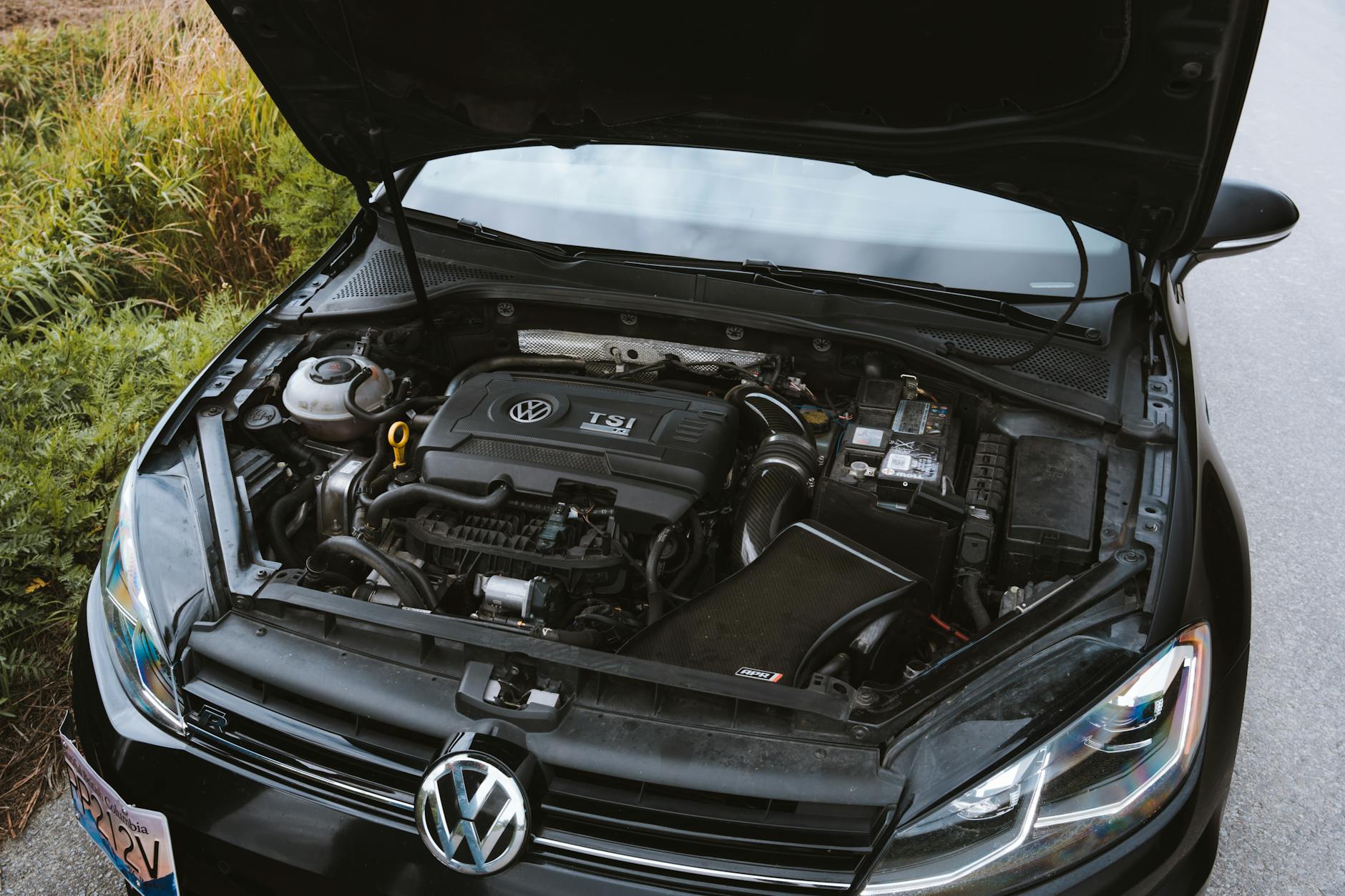
The VW Golf 6 (Mk6) with DSG is a popular choice across Europe because it’s easy to drive, efficient, and often feels more “premium” than its class suggests. One of the key reasons is the DSG gearbox (Volkswagen’s dual-clutch automatic), which shifts quickly and keeps the engine in its sweet spot. But there’s a known weak point that can turn that smooth experience into warning lights, harsh shifting, or even a no-drive situation: the mechatronic unit.
Recommended Tool: Professional OBD2 Scanner
Recommended Tool: Premium Brake Pads
Recommended Tool: Portable Jump Starter
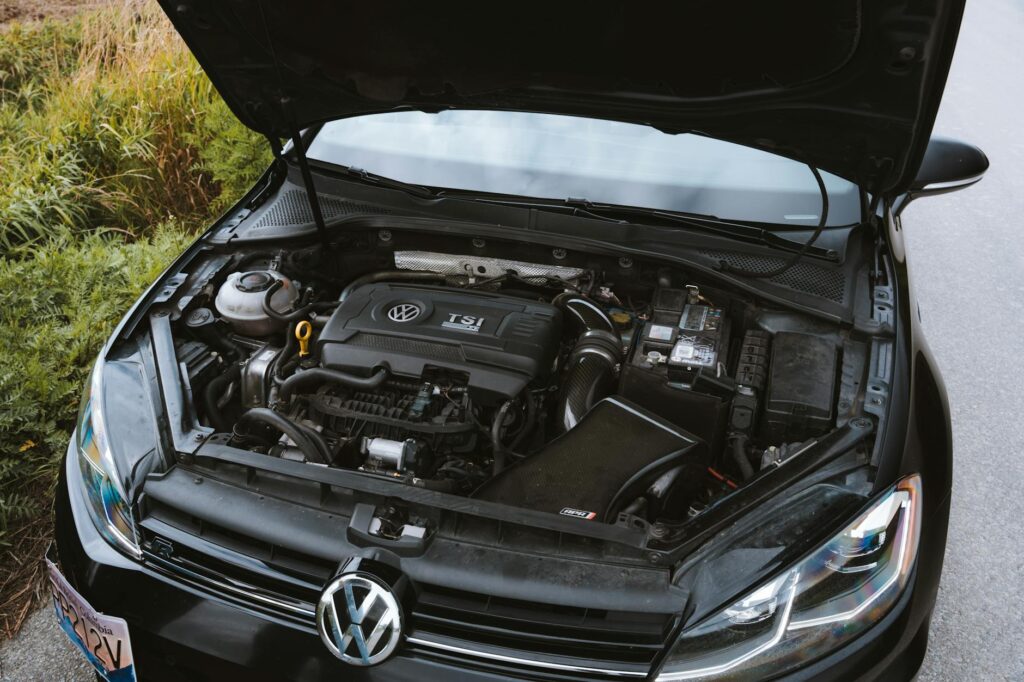
The mechatronic is the gearbox’s brain and hydraulic control centre in one. It takes inputs from sensors, decides what gear to select, and operates the clutches/shift forks using hydraulic pressure and solenoids. On the Golf 6 you’ll most commonly see issues on the 7-speed dry-clutch DSG (DQ200) found on many 1.2 TSI, 1.4 TSI and some 1.6 TDI variants, though the 6-speed wet-clutch DSG (DQ250) can also suffer faults. Understanding why these failures happen, what the early symptoms look like, and what a correct repair involves can save you a lot of stress and money.
🔧 Recommended Professional Tool
DSG Transmission Service KitProfessional tools for DSG gearbox service
✔ Recommended by automotive technicians ✔ Suitable for BMW, Mercedes, VAG & JLR platforms ✔ Fast international shipping
2. Causes
Mechatronic failures are rarely caused by just one thing. Most are a combination of heat, wear, electrical issues, and fluid condition (where applicable).
Common causes include:
- Internal electronic failure (control board/pressure sensor faults): Age and heat cycling can crack solder joints or damage internal components.
- Solenoid valve wear or sticking: Solenoids control hydraulic circuits; as they wear, they can stick or respond slowly, causing shift and clutch control errors.
- Hydraulic pressure problems: The unit must maintain stable pressure. If it can’t, the gearbox may disengage gears or enter protection mode.
- Oil contamination or wrong fluid (more relevant to DQ250): The DQ250 uses DSG oil; if it’s old, contaminated, or incorrect, it can accelerate valve body/mechatronic wear.
- Overheating and stop-start driving: Urban traffic and frequent low-speed clutch work (especially DQ200 dry clutch) increases heat and stress.
- Low battery voltage / charging system issues: DSG control units are sensitive; weak batteries and voltage drops can trigger faults and contribute to erratic behaviour.
- Previous incorrect repairs or coding: Used units without correct coding/adaptation, or incorrect basic settings, can mimic a “failed mechatronic.”
3. Symptoms
Drivers often notice subtle changes before a major failure. The earlier you act, the better the chances of a simpler repair.
Typical symptoms include:
- PRNDS flashing on the cluster (often accompanied by a warning message)
- Harsh engagement into Drive or Reverse, sometimes with a thud
- Jerky low-speed driving, hesitation, or “kangarooing”
- Delayed gear changes or unexpected downshifts
- Loss of drive (car revs but barely moves, or won’t select gear)
- Limp mode, with limited gears available
- Intermittent faults that disappear after restarting the car (a classic early sign)
- Fault codes stored in the gearbox module, even if the car seems to drive normally
On DQ200 cars you may also notice clutch-related behaviour (shuddering, slipping) that can be mistaken for a purely mechanical clutch issue—sometimes it’s the mechatronic mismanaging clutch pressure.
4. How to diagnose
A correct diagnosis matters because the mechatronic is expensive, and not every DSG issue requires replacement. Diagnosis should combine fault code reading, live data checks, and a proper road test.
Use the right diagnostic tool
For VW Group cars, ODIS (dealer-level) is ideal. Many good independent garages use VCDS/OBDeleven, but ODIS is strongest for guided fault finding and adaptations.
Key diagnostic steps:
- Scan the DSG module (02 – Transmission) for fault codes
- Codes often relate to pressure regulation, solenoid performance, gear monitoring, or communication errors.
- Check freeze-frame data
- Look for whether faults occur at temperature, during gear changes, or under load.
- Review live data
- Hydraulic pressure (where supported), clutch adaptation values, gear selection status, temperature readings, and voltage supply.
- Battery/charging health
- A weak battery can cause false DSG errors; test battery condition and alternator output.
- Basic settings/adaptations
- On DSG, adaptation values outside limits can point toward mechatronic or clutch issues. ODIS guided functions can confirm whether adaptations complete successfully.
Road test checks (what a technician will look for)
- Smoothness selecting D/R
- Behaviour in stop-start traffic (creep, hesitation)
- Shift quality during gentle acceleration and kickdown
- Whether symptoms worsen as the gearbox warms up
If the car shows persistent hydraulic/solenoid faults, repeated pressure regulation codes, or cannot complete basic settings, mechatronic failure becomes likely.
5. How to fix
The correct fix depends on whether the issue is electronic, hydraulic, or a secondary cause (battery, wiring, software).
Common repair routes:
Software update and adaptations (best-case scenario)
If faults suggest calibration issues or minor control irregularities, a software update and full DSG adaptation/basic settings can restore correct operation. This is more likely if the problem started after a battery replacement, low voltage event, or previous work.
Repair or replace the mechatronic unit
- Replacement is often the most reliable fix, especially for internal electronic failures.
- Rebuild/repair services can be cost-effective if done by a reputable specialist who replaces known weak components and tests the unit under load.
Address related issues
- Battery replacement/charging system repair if voltage is unstable
- Wiring/connector inspection for corrosion, pin fitment issues, or water ingress
- DSG oil service (DQ250) if oil condition is questionable (DQ200 has different requirements; don’t assume it takes the same service as wet-clutch DSG)
Coding and calibration (non-negotiable)
After replacement or rebuilding, the gearbox often needs:
- Correct coding to the vehicle
- Basic settings/adaptations using ODIS
- Clear fault memory and confirm no recurrence on a full road test
Skipping adaptations is a common reason for repeat complaints.
6. Repair costs
Costs vary by country, labour rate, and whether you choose OEM replacement, used parts, or rebuilding.
Typical European cost ranges (parts + labour):
- Diagnostics (scan + road test): €80–€180
- Software update + DSG adaptations: €120–€300
- Mechatronic rebuild (specialist service): €700–€1,400
- Often includes bench testing; turnaround time may be 2–5 days.
- New OEM mechatronic unit fitted and coded: €1,400–€2,500
- Higher end at main dealers, especially with updated part numbers.
- Used mechatronic unit (fitted + coding): €900–€1,800
- Riskier: unknown wear, compatibility/coding issues, no long-term guarantee.
If clutch packs (more common wear item on DQ200) are also needed, total bills can climb to €1,800–€3,200 depending on parts and labour.
7. Prevention tips
You can’t prevent every electronic failure, but you can reduce stress on the system and catch issues early.
- Keep the battery healthy: Replace weak batteries promptly and ensure the alternator charges correctly.
- Avoid excessive creeping: In heavy traffic, leave a gap and move smoothly rather than inching constantly.
- Use the brake to hold the car still: Don’t “balance” the car on the throttle on inclines.
- Service DSG oil when applicable: If you have a wet-clutch DSG like DQ250, follow recommended oil and filter service intervals.
- Act on early symptoms: Intermittent PRNDS flashing or occasional harsh engagement should be scanned sooner rather than later.
- Choose quality repairs: Proper coding and adaptations with ODIS are as important as the hardware.
8. When to see a mechanic
Book a diagnostic appointment if you notice:
- PRNDS flashing, gearbox warnings, or recurring fault lights
- Sudden harsh engagement into Drive/Reverse
- Any loss of drive, slipping, or the car refusing to select a gear
- Symptoms that worsen as the car warms up
- Problems after battery issues or jump-starting
If the car goes into limp mode or won’t move safely, don’t keep trying to “drive it through.” Continuing to operate a DSG with control or pressure faults can lead to clutch damage and a much higher bill.
9. Frequently Asked Questions
Frequently Asked Questions
Can I keep driving if my Golf 6 DSG shows PRNDS flashing?
It’s risky. PRNDS flashing usually means the gearbox control unit has detected a fault and may limit function or disengage drive unexpectedly. A short trip to a workshop may be possible, but avoid motorway driving and get it scanned with ODIS as soon as possible.
Is mechatronic failure the same as worn DSG clutches?
No, but the symptoms can overlap. Worn clutches (especially on DQ200) often show shuddering, slipping, or poor take-off, while mechatronic issues can cause gear selection errors, harsh engagement, or warning lights. Proper diagnostics and adaptation checks help separate the two.
Will a DSG oil change fix a mechatronic problem?
Sometimes it helps on wet-clutch gearboxes like the DQ250 if the oil is degraded, but it won’t repair an internal electronic failure. On DQ200, the situation is different and you should follow the correct specification and procedure rather than assuming a standard DSG service applies. If fault codes point to pressure regulation or solenoid issues, oil alone is unlikely to be the full solution.
Is a rebuilt mechatronic unit reliable?
It can be, provided it’s rebuilt by a specialist who replaces known failure components and tests the unit properly. The quality varies widely, so ask what parts are replaced, whether the unit is bench-tested, and what warranty is provided. Correct coding and adaptations after installation are essential.
Why do problems sometimes disappear after I restart the car?
A restart can temporarily reset fault states and allow the unit to operate until the fault condition returns. This is common with intermittent electronic or pressure regulation issues in the mechatronic. Even if it feels normal again, the fault memory usually remains and should be read before it worsens.