1. Introduction
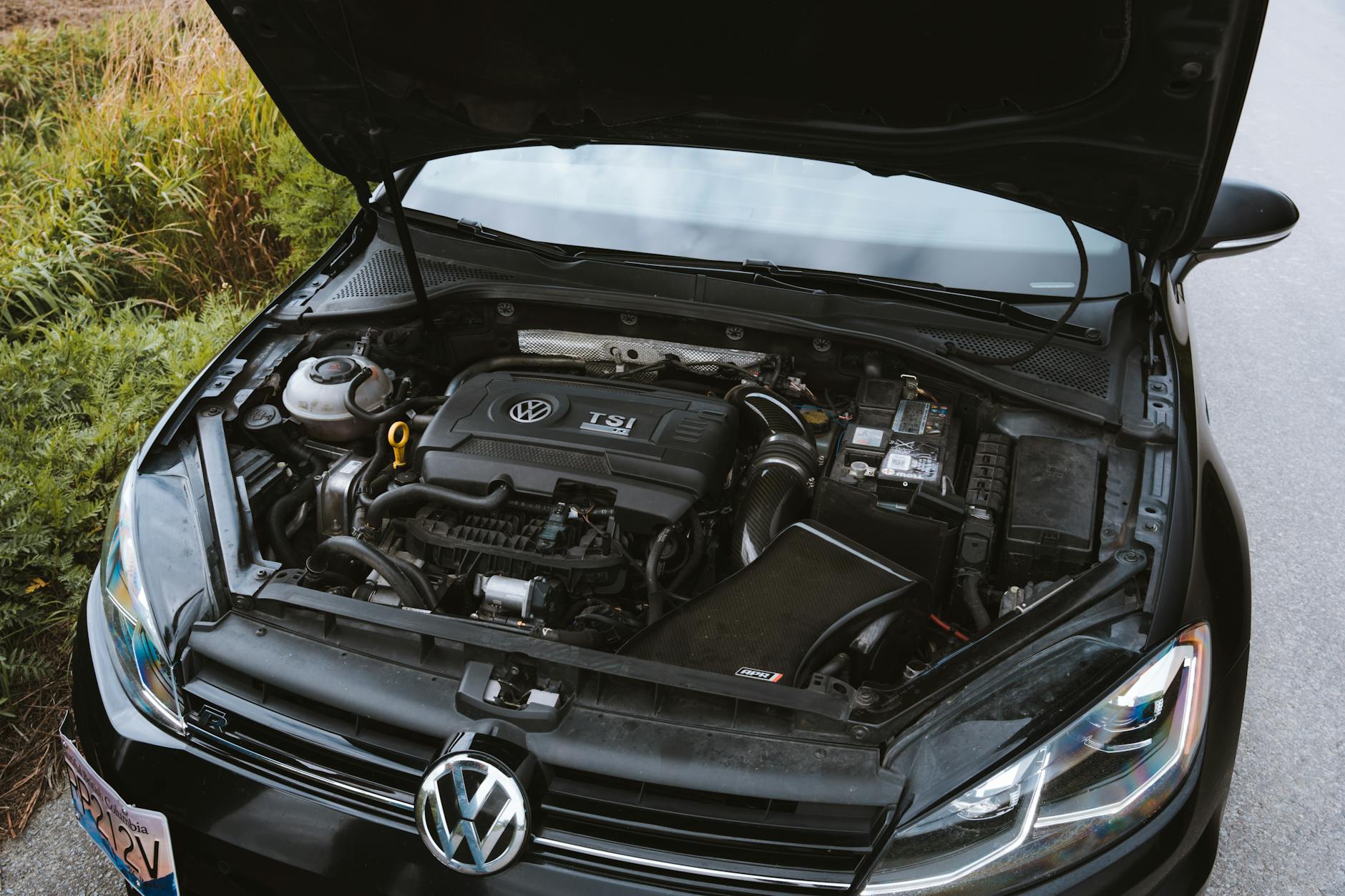
Volkswagen vehicles are known for solid driving feel and efficient engines, but many owners eventually run into electrical issues. “Electrical problem” can mean anything from a battery that won’t hold a charge to a window that stops working, warning lights that appear without a clear reason, or a car that intermittently won’t start. The tricky part is that electrical problems often come and go, making them hard to describe and easy to misdiagnose.
Recommended Tool: Professional OBD2 Scanner
Recommended Tool: Portable Jump Starter
Recommended Tool: Transmission Diagnostic Tools
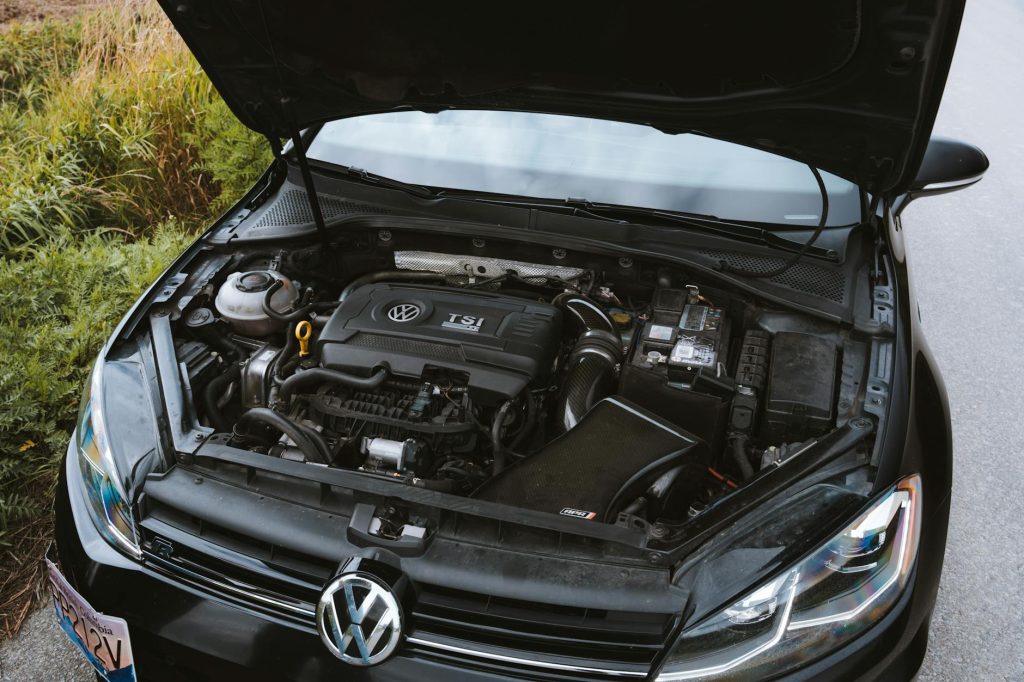
This post breaks down the most common VW electrical problems everyday owners face, why they happen, what they look like in real life, and what you can do before spending money on parts that don’t solve the issue.
🔧 Recommended Professional Tool
Automotive Battery TesterCheck battery health and charging system performance with precision.
✔ Recommended by automotive technicians ✔ Suitable for BMW, Mercedes, VAG & JLR platforms ✔ Fast international shipping

2. Causes
VW electrical problems usually trace back to a few repeat culprits. Many are not “big failures,” but small weak points—connections, modules, or wiring—that create annoying and sometimes alarming behavior.
Battery and charging system issues
- Aging battery (often 3–5 years depending on climate and driving habits)
- Weak alternator not charging consistently
- Loose or corroded battery terminals increasing resistance
- Parasitic drain (something stays on when the car is off)
Fuses, relays, and control modules
Modern VWs use multiple computers (modules) to run everything from lights to door locks.
- Blown fuses from a short or overloaded circuit
- Failing relays causing intermittent power loss to a system
- Module glitches triggered by low voltage or moisture
Wiring and ground problems
Electrical power needs clean paths in and out (power and ground).
- Loose grounds (especially after battery replacement or body work)
- Chafed wiring in door hinges or under trim panels
- Rodent damage in some areas, especially if the car is parked outdoors
Water intrusion and moisture
Water is a common source of VW electrical headaches.
- Sunroof drain clogs leading to wet carpets and corroded connectors
- Door seal leaks or clogged cowl drains near the windshield
- Moisture in connector plugs causing intermittent faults
Ignition switch or start system wear
- Worn ignition switch (older models) causing accessory or start issues
- Starter motor/solenoid problems that feel electrical even if the starter is the main issue
3. Symptoms
Electrical problems don’t always show up as “dead battery.” Many start as small odd behaviors.
Common warning signs
- Dashboard lights flicker, dim, or behave inconsistently
- Multiple warning lights appear at once (ABS, traction control, airbag, EPC)
- Radio resets, clock resets, or infotainment reboots
- Headlights or interior lights pulse or dim at idle
Starting and power symptoms
- Slow crank, clicking, or no crank
- Starts sometimes, not others (especially after sitting)
- Car dies while idling or when stopping
Convenience and body electronics issues
- Power windows stop working or work intermittently
- Door locks act on their own or don’t respond
- Key fob range is weak or inconsistent
- Alarm triggers randomly
Sensor-like symptoms that can be voltage-related
Low voltage can cause modules to “misread” sensors.
- Rough idle paired with random warning lights
- Transmission shifting strangely with no clear mechanical reason
- Warning messages that disappear after restarting
4. How to diagnose
You can do several checks at home safely with basic tools. The goal is to narrow the problem before you buy parts.
Step 1: Start with the battery basics
- Check the battery age (sticker date or service records).
- Inspect battery terminals for:
- White/green corrosion
- Loose clamps (they shouldn’t twist by hand)
- Damaged cables
If you have a multimeter:
- Engine off (after sitting a few hours): ~12.4–12.7V is typical for a healthy, charged battery.
- Engine running: ~13.8–14.7V suggests the alternator is charging.
Step 2: Note when the problem happens
Write down:
- Cold start vs warm start
- After rain or car wash (possible moisture)
- After driving vs after sitting overnight (possible drain)
- Only when using a feature (A/C, heated seats, headlights)
Patterns save time and money.
Step 3: Check fuses the right way
Look up fuse locations in the owner’s manual. Don’t just eyeball them.
- Pull the suspect fuse and inspect the metal strip.
- If it keeps blowing, don’t keep replacing it—there’s likely a short.
Step 4: Scan for codes (even if the check engine light is off)
Many VW issues store codes without turning on a warning light. A basic OBD2 scanner can help, but VWs often benefit from a scanner that reads more than engine codes (body and ABS modules).
- Record codes and “freeze frame” data if available.
- Clear codes only after you record them.
Step 5: Look for water and dampness
- Feel carpet near the front footwells and under floor mats.
- Check for fogged lenses inside lights or dampness in the trunk/spare tire well.
- Musty smell can indicate hidden moisture near wiring.
Step 6: Consider parasitic drain if the battery keeps dying
Signs include a good battery that’s dead after 1–3 days. Basic approach:
- Fully charge the battery.
- If it dies again quickly, you may need a parasitic draw test (often best handled with a mechanic due to the time and tools involved).
5. How to fix
Fixes depend on what you find during diagnosis. Start with the simplest and most common.
Battery/charging fixes
- Clean and tighten terminals
- Use a proper battery terminal brush and ensure tight fit.
- Replace an old battery
- Use the correct type and size; many VWs require specific battery specs.
- Some models may need battery registration/coding after replacement.
- Alternator testing and replacement
- If charging voltage is low or fluctuating, have the alternator tested.
- A slipping belt or bad tensioner can mimic alternator trouble.
Fuse, relay, and module fixes
- Replace a blown fuse only after confirming the correct amperage.
- Swap a known faulty relay (common for intermittent issues) using the correct part number.
- For module faults, low voltage can be the root cause—fix the battery/charging issue first before replacing modules.
Wiring and ground fixes
- Tighten and clean ground points (often near the battery and chassis).
- Repair damaged wiring properly:
- Use correct connectors and heat-shrink
- Avoid twisting wires together with tape as a “temporary fix”
Water intrusion fixes
- Clear sunroof drains and cowl drains.
- Address door seals and check for clogged drain paths.
- Dry the interior thoroughly and inspect connectors for corrosion. Persistent moisture can cause repeated electrical faults until it’s solved.
Key fob and starting issues
- Replace the key fob battery if range is weak.
- If you have intermittent no-start with good battery voltage, the issue may be:
- Starter/solenoid
- Ignition switch (on applicable models)
- Immobilizer/key recognition faults (often needs professional scanning)
6. Prevention tips
A few habits and checks can prevent many VW electrical complaints.
- Replace the battery before it becomes weak, especially before winter.
- Keep terminals clean and tight; check them during oil changes.
- Avoid repeated short trips only; occasional longer drives help maintain battery charge.
- Fix water leaks quickly and keep sunroof/cowl drains clear.
- Use the correct battery type recommended for your VW’s electrical load.
- Don’t ignore small oddities like intermittent lock/window problems—these can be early signs of moisture or wiring wear.
- Be careful with aftermarket accessories (dash cams, audio amps, remote start). Poor installation is a common cause of parasitic drain.
7. When to see a mechanic
Some electrical issues are DIY-check friendly, but others can become expensive if guessed at. Get professional help when:
- The car won’t start and you’ve confirmed the battery terminals are tight and the battery is charged.
- You see multiple warning lights at once that return after a restart.
- Fuses keep blowing, suggesting a short circuit.
- There’s evidence of water intrusion, especially wet carpets, as corrosion can spread.
- You suspect a parasitic drain (battery dies repeatedly) and you can’t pinpoint it.
- You have airbag/ABS/steering warnings—these are safety systems and should be diagnosed properly.
- You replaced the battery and the car shows new electrical issues or needs battery coding/registration.
A good shop will perform a proper scan across VW modules, verify charging performance under load, and test for voltage drop and parasitic draw. That systematic approach is often the fastest way to turn a frustrating intermittent problem into a reliable fix.