1. Introduction
VW Group’s DSG (Direct-Shift Gearbox) is one of the most common automated transmissions on European roads, fitted to countless Volkswagen, Audi, SEAT and Škoda models. Depending on the model and engine, you may have a dry-clutch DSG such as the DQ200 (7-speed) or a wet-clutch DSG such as the DQ250 (6-speed), DQ381/DQ500 (7-speed), or higher-torque variants in performance cars. At the heart of every DSG is the mechatronic unit—a compact assembly that combines the hydraulic control block, solenoids, sensors and transmission control electronics to manage clutch pressure and gear selection.
Recommended Tool: Professional OBD2 Scanner
Recommended Tool: Portable Jump Starter
Recommended Tool: Cooling System Diagnostic Tools
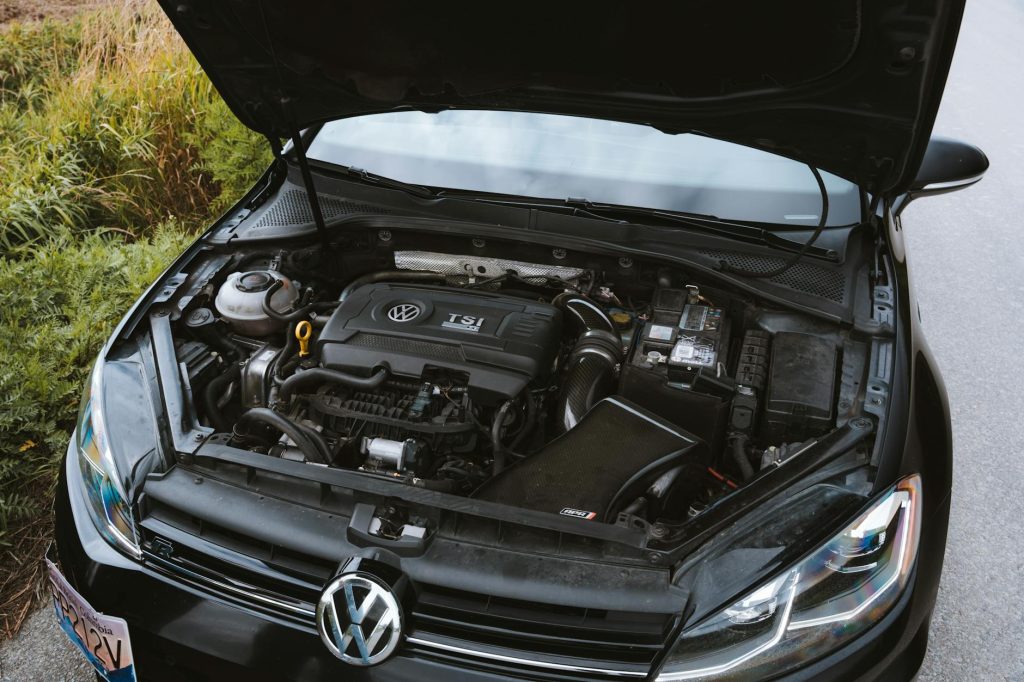
When the mechatronic starts to fail, the car can go from “smooth and quick” to “jerky, hesitant, or stuck in limp mode” in a surprisingly short time. The good news: many faults are diagnosable with the right approach (and the right tools, such as ODIS for VW/Audi/SEAT/Škoda), and repairs are usually straightforward once the exact failure mode is confirmed. This article explains what causes DSG mechatronic issues, what symptoms to watch for, how diagnosis is done, and what repairs and costs typically look like in Europe.
🔧 Recommended Professional Tool
DSG Transmission Service KitProfessional tools for DSG gearbox service
✔ Recommended by automotive technicians ✔ Suitable for BMW, Mercedes, VAG & JLR platforms ✔ Fast international shipping
2. Causes
DSG mechatronic failures are rarely random. They usually come down to heat, contamination, electrical issues, or wear inside the hydraulic and electronic control system.
Common causes include:
- Internal electronic failure (TCU/PCB issues): Heat cycles and vibration can damage the circuit board or internal connections, leading to intermittent faults that later become permanent.
- Solenoid valve wear or sticking: Solenoids regulate hydraulic pressure for clutches and gear actuators; wear or debris can make them slow or inconsistent.
- Hydraulic pressure loss: Leaks, worn seals, or a failing pump/pressure accumulator can cause low system pressure and poor shift control.
- Fluid contamination or wrong fluid: Wet-clutch DSG units rely heavily on clean, correct-spec oil. Contaminated fluid can affect valves and pressure regulation.
- Overheating from traffic or towing: Extended creeping in traffic (especially hot climates) increases heat load; some models are more sensitive than others.
- Low battery voltage / charging faults: DSG control modules are voltage-sensitive. A weak battery, failing alternator, or poor grounds can trigger false mechatronic faults or exacerbate marginal components.
- Software/calibration issues: After battery replacement, clutch work, or incorrect coding, the unit may need basic settings/adaptation.
3. Symptoms
The symptoms can vary by gearbox type (e.g., DQ200 vs DQ250) and how the fault develops (intermittent vs hard failure). Many owners first notice changes at low speeds.
Typical symptoms of DSG mechatronic problems:
- PRNDS warning on the dash (often flashing) and/or “Gearbox malfunction” message
- Limp mode: stuck in one gear, limited power, or refusal to select certain gears
- Harsh, delayed, or jerky shifting, especially 1–2, 2–1, or during stop-start traffic
- Shuddering or hesitation when pulling away, sometimes mistaken for clutch wear
- No drive or delayed engagement when selecting D or R
- Unexpected neutral selection or “slip” feeling during light throttle
- Unusual noises (less common): buzzing from pump/actuator area or repeated cycling sounds
- Overheat warnings after slow traffic driving (more common in some applications)
Note: A worn clutch pack, dual-mass flywheel (DMF), or engine misfire can mimic DSG issues. Proper diagnosis matters before replacing expensive parts.
4. How to diagnose
A correct diagnosis combines fault code reading, live data, and a targeted road test. Generic OBD scanners often miss DSG-specific data, so VW Group owners benefit from ODIS or a high-quality VAG-capable diagnostic platform.
A practical diagnostic process:
Use proper diagnostics (ODIS recommended)
- Scan the Transmission Control Module (TCM) and record fault codes with freeze-frame data.
- Pay attention to faults related to:
- Hydraulic pressure regulation
- Solenoid performance
- Clutch adaptation limits
- Gear actuator position/sensor plausibility
- Power supply/voltage low events
Check live data and adaptations
- Look at mechatronic pressure values, temperature readings, and solenoid current commands.
- Review clutch adaptation values and whether adaptation is “at limit” (this can indicate clutch wear, but also control issues).
- Check for excessive temperature history or repeated overheating events.
Rule out electrical and basic causes
- Battery test (cranking voltage and charging system output).
- Inspect grounds and gearbox wiring connectors for corrosion or fluid ingress.
- Confirm correct DSG fluid level/spec (for wet-clutch gearboxes).
Road test with logging
- Reproduce symptoms under gentle pull-away, low-speed creep, and moderate acceleration.
- Log requested vs actual gear, clutch pressure commands, and slip values.
If the car shows repeated pressure-related faults or inconsistent actuator response despite correct fluid and voltage, the mechatronic unit becomes the primary suspect.
5. How to fix
The “right” fix depends on which part of the mechatronic is failing and whether you have a wet- or dry-clutch DSG.
Common repair approaches:
Software update and adaptation
- If faults point to calibration or if the car has had recent battery/disconnection work, a software update and basic settings/adaptation in ODIS can restore correct operation.
- This is also essential after many repairs so the DSG relearns clutch and shift control.
Repair wiring/connector issues
- Replace damaged connectors, repair wiring, and address water ingress.
- Confirm stable voltage supply; many “random” gearbox faults disappear when the electrical system is healthy.
Service the fluid (wet-clutch DSG)
- Drain and refill with the correct VW-approved DSG fluid, replace the filter (where applicable), and verify level at the specified temperature.
- This won’t fix a dead mechatronic, but it can improve sluggish valve behavior if contamination is the trigger.
Replace or rebuild the mechatronic unit
- Replacement is common when the internal electronics or pressure control fails.
- Rebuild/repair is sometimes possible (specialist work), typically involving solenoids, seals, pressure accumulator, or electronics repair depending on the unit.
Clutch/DMF work if needed
- If diagnosis shows clutch adaptation at limits and significant slip, a clutch pack (and sometimes DMF) may be required in addition to mechatronic work—especially on higher mileage vehicles.
6. Repair costs
Costs vary widely by model, DSG type, country, and whether you use main dealer, independent specialist, or a gearbox rebuilder. Below are realistic European ranges (parts + labour, VAT often included but can vary).
- Diagnosis (ODIS scan + road test + basic checks): €80–€180
- Software update + adaptation/basic settings: €120–€250
- DSG fluid service (wet-clutch DSG like DQ250/DQ381/DQ500): €250–€450
- Electrical repairs (wiring/connector/ground fixes): €120–€400
- Mechatronic unit replacement (new or OEM reman): €1,400–€2,800
- Some models are at the lower end with remanufactured units; others require more coding/setup time.
- Mechatronic rebuild by a specialist: €900–€1,800
- Quality varies; ensure warranty terms are clear and the rebuilder matches the unit’s exact part number.
- Clutch pack (where applicable) added to mechatronic-related work: +€700–€1,600
- Worst-case scenario (mechatronic + clutch + DMF on some applications): €2,500–€4,500
Tip: Ask for the exact DSG code (e.g., DQ200, DQ250, DQ381) and the mechatronic part number on the estimate. This helps avoid incorrect parts and repeat repairs.
7. Prevention tips
You can’t prevent every electronic failure, but you can reduce stress on the system and catch problems early.
- Keep the battery and charging system healthy: Replace weak batteries promptly and ensure the alternator charges correctly.
- Service DSG fluid on time (wet-clutch DSG): Even if some schedules look long, regular oil changes help solenoids and valves live longer.
- Avoid excessive creeping: In heavy traffic, leave more gap and move in smoother intervals instead of constant inching.
- Address small symptoms early: Occasional harsh engagement or a rare PRNDS flash can become a bigger failure if ignored.
- Use correct fluids and procedures: Incorrect oil type/level can trigger pressure and shift quality problems.
- After repairs, insist on proper adaptation: Mechatronic/clutch work without correct basic settings can create new drivability issues.
8. When to see a mechanic
Book a specialist as soon as you notice safety-related or escalating symptoms, especially:
- PRNDS flashing, gearbox malfunction messages, or the car dropping into limp mode
- Delayed or missing engagement of D or R
- Repeated harsh shifts that are getting worse over days/weeks
- Any loss of drive, unexpected neutral, or inability to select gears
- Overheating warnings tied to normal driving conditions
A VW Group independent with ODIS access (or equivalent VAG-capable diagnostics) is ideal. Many faults are quick to identify with the right live data and adaptation checks, saving money compared to “parts swapping.”
9. Frequently Asked Questions
Frequently Asked Questions
Can I keep driving with a DSG mechatronic fault if the car still moves?
You may be able to drive short distances, but it’s risky. Pressure or control faults can worsen suddenly and leave you without drive or stuck in a gear. Continued driving can also increase clutch wear and heat damage.
Is a flashing PRNDS always the mechatronic unit?
No. It indicates a transmission-related fault, but causes can include low voltage, sensor plausibility issues, wiring problems, or clutch adaptation limits. A proper scan with ODIS and a review of freeze-frame data is the fastest way to narrow it down.
Will a DSG oil change fix mechatronic problems?
If the issue is caused by contaminated fluid or marginal valve response in a wet-clutch DSG, fresh correct-spec fluid can help. However, it won’t repair failed electronics, a weak pressure accumulator, or internal solenoid faults. Treat it as a supporting step, not a guaranteed cure.
Do I need coding or adaptation after replacing the mechatronic unit?
In most cases, yes. The gearbox will typically require basic settings/adaptation and sometimes coding or parameterisation so the control unit matches the vehicle configuration. Skipping this step often leads to poor shift quality or recurring faults.
Is a rebuilt mechatronic as good as a new one?
It depends on the rebuilder and what is replaced. A reputable specialist who replaces known-wear components and tests the unit can be a cost-effective solution with a solid warranty. Poor-quality rebuilds may fail early or create intermittent issues that are hard to diagnose.