1. Introduction
The VW Amarok 2.0 BiTDI is a capable workhorse, but like many modern turbo-diesel engines, it relies heavily on healthy turbocharging hardware and perfect boost control. The 2.0 BiTDI uses a twin-turbo setup (a small turbo for low rpm response and a larger turbo for higher load), which delivers strong torque but also adds complexity. When one part of the system starts to drift out of spec—whether it’s boost control, oil supply, air leaks, or the turbos themselves—the first signs often show up as reduced power, warning lights, or strange noises.
Recommended Tool: Professional OBD2 Scanner
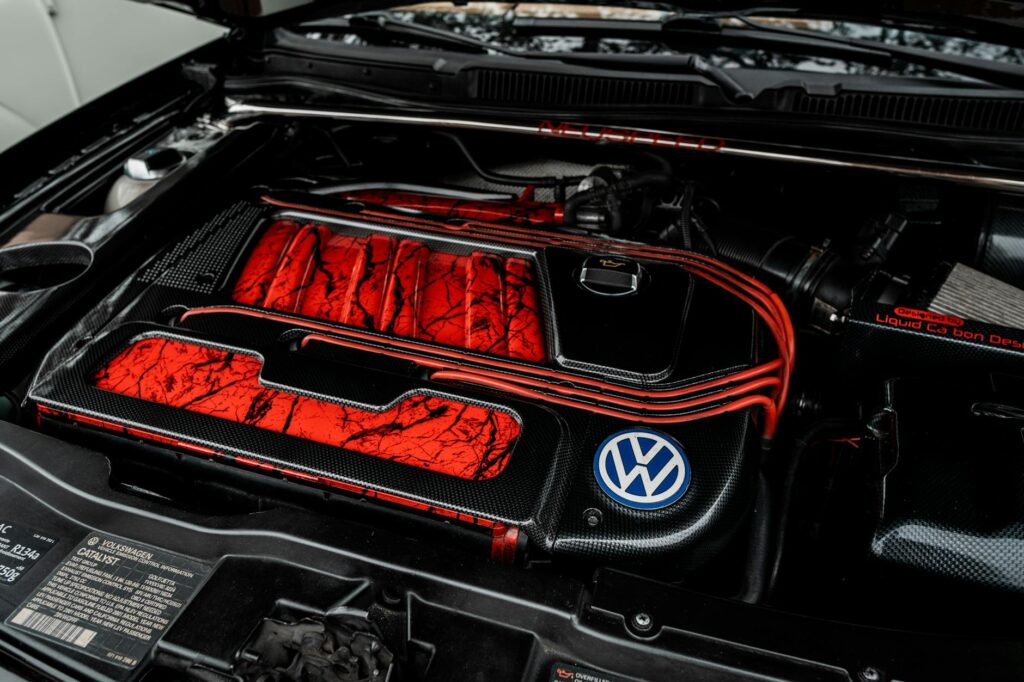
This guide focuses on real-world turbo failure signs for everyday European car owners, with practical steps you can take before spending money on parts. While the Amarok is the main focus, the logic applies to many turbo-diesel vehicles across VW Group and beyond, including BMW and Mercedes diesels with variable-geometry turbochargers and sophisticated emissions systems.
Recommended Tool: Professional OBD2 Scanner
2. Causes
Turbo failures and “turbo-like” symptoms on the Amarok 2.0 BiTDI are most often caused by supporting issues rather than the turbo suddenly dying without warning. Common root causes include:
Recommended Tool: Professional OBD2 Scanner
-
Oil supply problems
- Long oil change intervals, wrong oil spec, or sludge build-up restricting oil feed
- Blocked or partially blocked turbo oil feed line or banjo filter (where fitted)
- Oil pump or low oil pressure issues (rare, but serious)
-
Boost leaks and intake restrictions
- Split intercooler hoses, loose clamps, cracked plastic boost pipes
- Leaking intercooler end tanks
- Clogged air filter or damaged airbox sealing allowing debris ingestion
-
Boost control faults
- Sticky variable-geometry mechanism (where applicable) or wastegate/actuator issues
- Faulty boost control solenoid (N75-style control) or vacuum supply leaks
- Electrical connector corrosion to actuators/sensors
-
Sensor and emissions-related issues that mimic turbo failure
- Faulty MAP/boost pressure sensor or MAF sensor
- DPF restriction raising backpressure and limiting boost
- EGR valve sticking, causing poor airflow and smoke
-
Driving and usage patterns
- Frequent short trips causing soot build-up and DPF load
- Hard acceleration from cold (oil not at temperature)
- Towing heavy loads without proper cooldown periods
3. Symptoms
Turbo issues on the Amarok 2.0 BiTDI usually announce themselves gradually. Watch for:
Power and drivability changes
- Noticeable loss of power, especially under load or when overtaking
- Flat spots or delayed response (lag feeling worse than normal)
- Limp mode (sudden power reduction), often after heavy acceleration
Warning lights and messages
- Engine management light (MIL) and stored boost-related faults
- Glow plug light flashing on some VW diesels (depends on model year/software)
Noises and smells
- Whining or siren-like sound that rises with boost (bearing wear)
- Hissing under acceleration (boost leak)
- Rattling or metallic contact noise (severe internal damage or broken actuator linkage)
- Burnt oil smell after driving, sometimes with smoke
Smoke and oil consumption
- Blue smoke (oil burning), especially after idling then accelerating
- Black smoke under load (over-fuelling from low boost or airflow issues)
- Rising oil consumption or oil traces in boost pipes beyond a light film
4. How to diagnose
A good diagnosis separates a genuine turbo failure from a hose leak, sensor issue, or DPF/EGR problem. If you have access to a VW-capable scan tool (or a workshop uses ODIS), you’ll get far better answers than guessing.
Step-by-step checks you can do safely
- Check oil level and condition: Low oil or very dirty oil is a red flag.
- Inspect boost hoses and clamps: Look for oily mist around joints, splits, or pipes that have blown off.
- Air filter and intake path: Ensure the filter isn’t clogged and the airbox seals properly.
- Listen carefully: A steady hiss points to a boost leak; a high-pitched whine can indicate bearing wear.
Scan tool and live data checks (recommended)
Using ODIS (or a high-quality equivalent):
- Read fault codes related to:
- Boost pressure regulation (underboost/overboost)
- Charge pressure actuator faults
- MAF/MAP plausibility
- EGR/DPF related faults that can affect boost indirectly
- Review live data:
- Specified vs. actual boost pressure under load
- MAF readings and intake air temperature
- DPF differential pressure (high values can limit boost and mimic turbo failure)
Mechanical confirmation (workshop-level)
A technician may:
- Perform a smoke test of the intake/boost system
- Check turbo shaft play (limited check without removal; excessive play suggests wear)
- Inspect compressor blades for contact marks or damage
- Check vacuum supply and actuator movement with a hand vacuum pump (if vacuum-controlled)
5. How to fix
Fixes range from simple hose replacement to full turbocharger replacement. The correct repair depends on the actual cause:
If it’s a boost leak
- Replace split hoses, cracked pipes, or intercooler
- Renew clamps and ensure proper seating
- Clear codes and re-test with live boost data
If it’s boost control or actuator related
- Repair vacuum leaks, replace vacuum lines as needed
- Replace boost control solenoid if it’s not regulating correctly
- Calibrate/learn actuator positions if the system requires it (often done through ODIS)
If oil supply is the issue
- Replace turbo oil feed/return lines where restricted or coked up
- Use the correct VW-approved oil specification and change it early after repair
- Investigate underlying oil pressure issues if suspected
If the turbocharger is genuinely failing
- Replace the failed turbo (on BiTDI, diagnosis must confirm whether the small, large, or both turbos are affected)
- Flush/interrogate the intercooler and boost pipes for oil pooling and debris
- Replace gaskets, hardware, and frequently the oil feed line to prevent repeat failure
- If there was catastrophic compressor damage, check the intake tract carefully to prevent fragments entering the engine
6. Repair costs
Costs vary widely by region and whether you’re replacing one turbo or addressing a supporting fault. Typical European ranges (parts + labour):
- Boost hose/pipe replacement: €120–€450
- Intercooler replacement: €350–€900
- MAF or MAP sensor: €120–€300
- Boost control solenoid / vacuum repairs: €150–€500
- DPF cleaning (off-car) or forced regen + diagnostics: €250–€700 (replacement can be €1,000–€2,500+)
- Single turbo replacement (remanufactured vs new): €900–€2,200
- BiTDI twin-turbo-related major repair (one turbo + ancillaries): €1,600–€3,500
- Worst-case (both turbos, lines, intercooler cleaning, extra labour): €3,500–€6,000+
If metal debris has travelled through the intake or oil system, costs can rise quickly due to additional cleaning, parts replacement, and the risk of engine damage.
7. Prevention tips
Turbo longevity is mostly about oil quality, clean airflow, and keeping soot-related systems healthy:
- Use the correct oil spec and shorten intervals if you do short trips or towing (many owners benefit from 10,000–15,000 km intervals).
- Warm up gently: Avoid heavy throttle until oil temperature is stable.
- Cool down after hard driving or towing: A short easy-drive period helps stabilise turbo temperatures.
- Fix small boost leaks early: A minor leak can overspeed the turbo and increase exhaust temperature.
- Keep the intake sealed: Ensure the airbox is properly closed and the filter is seated correctly.
- Don’t ignore DPF/EGR warnings: Restriction and soot loading can push the turbo system outside safe limits.
8. When to see a mechanic
Book a professional inspection if you notice any of the following:
- Limp mode repeatedly returns, especially under load
- Persistent blue smoke, rising oil consumption, or oil in the charge pipes beyond light misting
- Loud turbo whine, grinding, or rattling noises
- Check engine light with underboost/overboost codes that return after clearing
- Evidence of heavy oil leaks near the turbo or intercooler
A workshop with VW diagnostic capability (ideally ODIS) can compare requested vs actual boost, run guided tests, and prevent expensive “parts darts.” If you’re cross-shopping workshops, ask whether they can perform smoke testing and log boost parameters under load.
9. Frequently Asked Questions
Frequently Asked Questions
Can a boost leak feel like turbo failure on the Amarok 2.0 BiTDI?
Yes. A split hose or loose clamp can cause underboost, limp mode, and black smoke, which many drivers assume is a failed turbo. A smoke test and live data comparison of specified vs actual boost usually confirms it quickly.
What are the earliest signs of turbo bearing wear?
A rising high-pitched whine (often described as a siren sound) under boost and increasing oil consumption are common early clues. If ignored, it can progress to smoke and loss of power as seals and bearings worsen.
Is it safe to keep driving with turbo failure symptoms?
It depends on the symptom. A small boost leak may be drivable for a short period, but loud mechanical noises, blue smoke, or sudden power loss should be treated as urgent to avoid engine damage or a runaway scenario.
Will fault codes always point directly to the turbo?
Not always. Underboost/overboost codes can be triggered by sensors, vacuum issues, DPF restriction, or leaks, not just the turbocharger itself. Proper diagnosis with ODIS and live logging is the best way to avoid unnecessary replacement.
Should I replace oil feed lines when replacing a turbo?
In many cases, yes. Restricted or contaminated oil feed lines are a common reason new or rebuilt turbos fail prematurely. Replacing the feed line and using correct oil and intervals is cheap insurance compared with doing the job twice.