1. Introduction
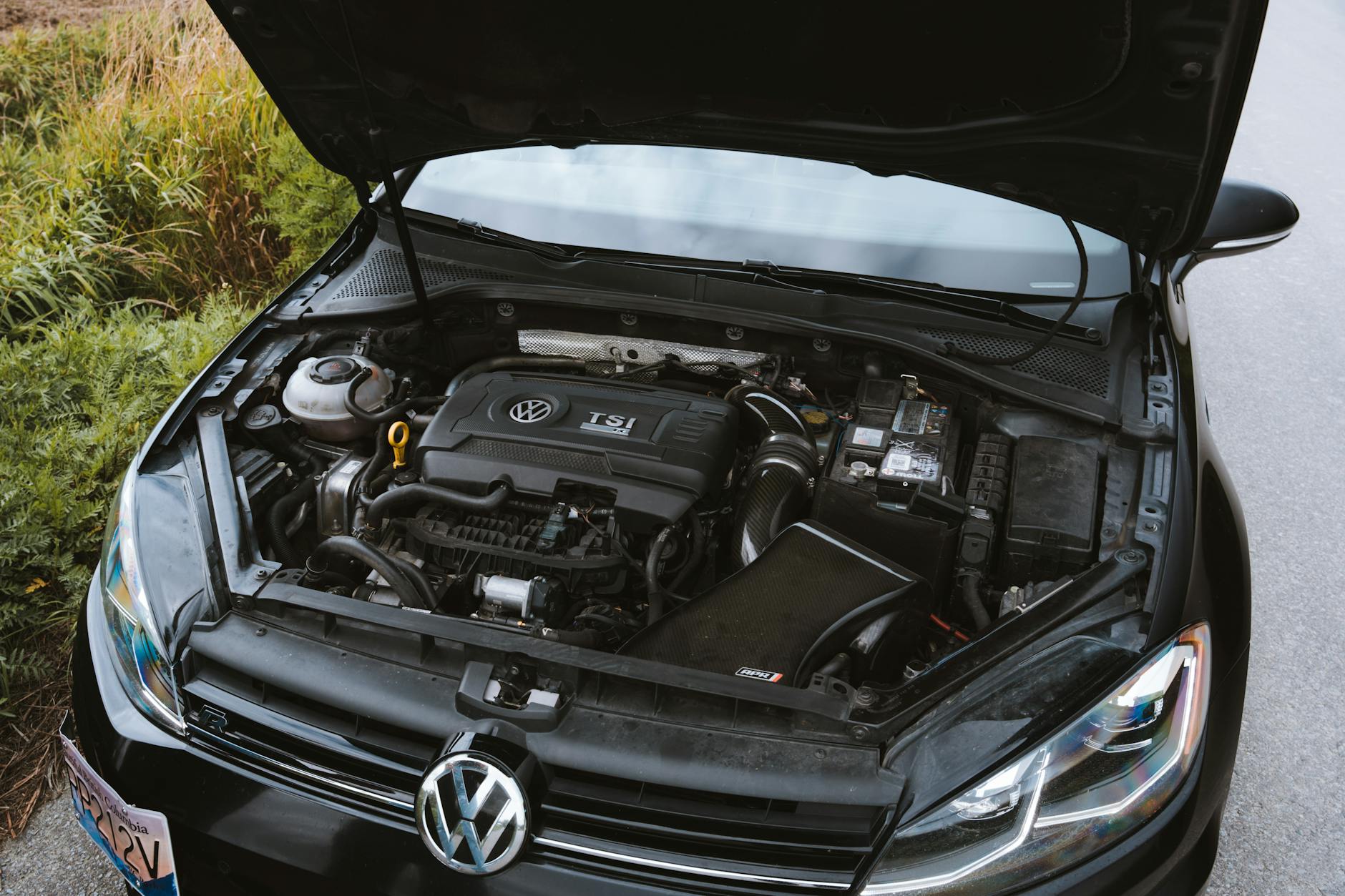
Oil consumption is one of those issues that can creep up slowly—until you’re topping up every few weeks and wondering whether the engine is “just getting older” or something is genuinely wrong. On many VW Group petrol engines, especially the 2.0 TSI found across Volkswagen, Audi, SEAT and Škoda models, excessive oil use has often been linked to piston ring design and how it behaves over time. This matters for everyday owners because the symptoms can be subtle at first, and the wrong “fix” (like switching to a thicker oil) can delay proper repairs while the engine continues to wear.
Recommended Tool: Professional OBD2 Scanner
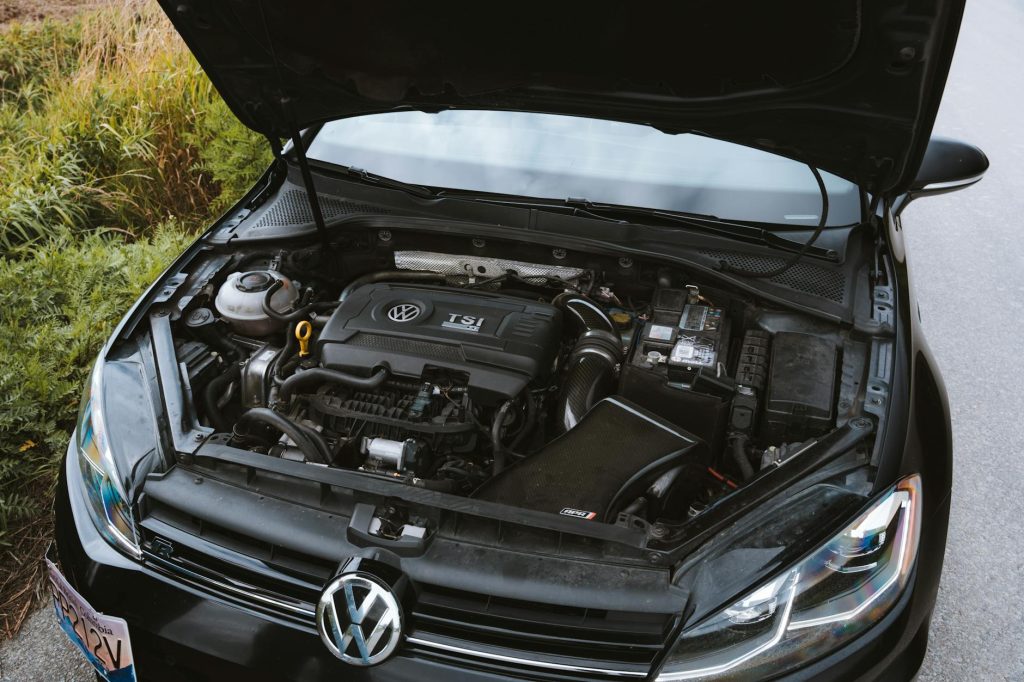
This article explains what’s going on in plain language: why the piston rings matter, what other factors can make the problem worse, how to confirm the root cause, and what realistic repair paths and costs look like in Europe. While the focus is VW Group 2.0 TSI, the diagnostic thinking will also feel familiar to owners of BMW (e.g., N20), Mercedes (e.g., M274), and JLR (Ingenium) petrol engines—because modern low-friction engines share similar trade-offs.
Recommended Tool: Professional OBD2 Scanner
🔧 Recommended Professional Tool
BMW N20 Diagnostic & Timing ToolsProfessional tools for BMW N20 engine service
✔ Recommended by automotive technicians ✔ Suitable for BMW, Mercedes, VAG & JLR platforms ✔ Fast international shipping
2. Causes
The piston rings sit on each piston and have two main jobs: seal combustion pressure and control oil on the cylinder walls. When ring design, wear, or carbon buildup stops them doing that properly, oil can slip into the combustion chamber and burn.
Recommended Tool: Professional OBD2 Scanner
Common causes on 2.0 TSI engines include:
- Low-tension oil control rings (design trade-off)
Many modern engines use lower-tension rings to reduce friction and improve efficiency. The downside is less “scraping force,” so if deposits build up, oil control can worsen more quickly. - Ring groove and oil drain-back clogging
Oil control rings rely on small drain-back paths in the piston. If these clog with carbon, oil collects behind the ring and gets pulled into the cylinder. - Carbon deposits from driving style and service intervals
Short trips, lots of idling, and extended oil change intervals can encourage varnish and carbon, which can cause rings to stick. - PCV (crankcase ventilation) issues amplifying consumption
A failing PCV valve can increase crankcase vacuum or pressure in the wrong way, pulling more oil vapour into the intake. This can mimic ring wear or make it worse. - Turbocharger seal wear (less common, but possible)
On turbocharged engines, worn turbo seals can let oil into the intake or exhaust path. This can also cause consumption, often with smoke patterns that differ from ring-related burning.
VW Group engines vary by generation and platform; many owners will hear engine family references like EA888. The exact ring pack and piston revisions differ across years, but the “ring sticking / oil control” theme is consistent in real-world ownership.
3. Symptoms
Oil consumption from ring issues often isn’t dramatic at first. Watch for combinations of these signs:
- Frequent oil top-ups between services (for example, 1 litre per 1,000–2,000 km)
- Blue/grey smoke briefly on cold start or after idling (not always present)
- Spark plug fouling or misfires under load
- Catalyst efficiency faults due to oil burning (can trigger a check engine light)
- Oily residue in intake piping (also seen with PCV issues)
- Higher-than-normal tailpipe soot on petrol cars
Note: some oil use can be considered “within spec” by manufacturers, but if it’s rising, you’re topping up often, or the engine begins to misfire, it’s worth treating as a developing fault—not normal ageing.
4. How to diagnose
A correct diagnosis matters because replacing parts at random can get expensive quickly. A good workshop will combine software checks with mechanical testing.
Step-by-step checks (what you can ask for)
- Confirm consumption with a measured test
The garage should set oil to the correct level, record mileage, and recheck after a defined distance. VW/Audi dealers often follow guided routines via ODIS. - Scan for faults and check engine data
With ODIS (VW/Audi/Škoda/SEAT) you can check:- Misfire counters
- Fuel trims (rich/lean trends)
- PCV-related adaptations (where supported)
- Catalyst efficiency codes that may be secondary to oil burning
- Inspect the PCV system
A PCV valve/assembly that’s stuck can raise oil vapour ingestion. This is a relatively quick and important elimination step. - Compression test and leak-down test
These help distinguish between ring sealing issues and valve sealing issues. Rings that are stuck can show borderline compression but poor leak-down results. - Borescope inspection
A camera through the spark plug hole can reveal:- Oil-wet piston crowns
- Heavy carbon on piston tops
- Scoring on cylinder walls (more serious)
- Check turbocharger and intercooler oiling
Some oil mist is normal, but pooling oil or heavy wetness suggests turbo/PCV issues.
If you own multiple brands in the household, the principle is similar even though tools differ: BMW uses ISTA, Mercedes uses Xentry, and JLR uses SDD or Pathfinder depending on model year. The tool helps guide tests and interpret data, but the mechanical checks are still the deciding factor.
5. How to fix
Fixes range from simple to engine-out. The right approach depends on confirmed cause and severity.
1) PCV system repair (first-line if faulty)
If the PCV unit or breather components are not regulating properly, replacing them can materially reduce oil use. This is also a sensible first step before engine work if tests don’t clearly prove ring failure.
2) Software updates and service correction
If the car has missed services or used incorrect oil spec, getting back to the correct VW-approved oil (correct viscosity and approval) and ensuring the ECU software is up to date can help stabilise deposits and running conditions. It won’t fix worn rings, but it can slow progression.
3) Decarbonisation approaches (limited expectations)
Chemical ring soaks or decarbon treatments sometimes help if rings are sticking rather than worn. Results vary: it may reduce consumption, or it may do very little. It’s best seen as a “try before teardown” option only when compression/leak-down results suggest the rings might be stuck, not damaged.
4) Piston and ring replacement (the real cure for ring design/wear)
When tests confirm ring-related oil burning, the durable repair is replacing pistons/rings with updated parts (where available), honing cylinders if appropriate, and installing a full gasket set. This is labour-intensive and must be done carefully to avoid repeat problems.
5) Full engine rebuild or replacement (worst-case)
If cylinder walls are scored or the engine has suffered repeated low-oil events, a rebuild or replacement long block can be the most reliable option. This is also where it’s essential to check turbo condition and catalytic converter health, because oil burning can damage both.
6. Repair costs
Costs vary by country, labour rate, and model access (Audi A4 vs. Golf GTI vs. Tiguan, etc.). Typical European ranges (parts + labour):
- PCV replacement: €200–€600
Parts are usually modest; labour varies with engine layout. - Measured oil consumption test + diagnostics: €150–€400
Some dealers may bundle it into a formal process; independents often charge time-based. - Compression/leak-down + borescope inspection: €250–€600
Worth it to avoid misdiagnosis. - Decarbon/ring soak attempt: €200–€500
Not guaranteed; ask what “success” looks like and how it will be measured. - Piston/ring job (engine opened): €2,500–€5,500
Depends on whether the engine must be removed, how many components are renewed, and whether updated pistons are used. - Engine replacement (used/remanufactured): €4,500–€9,000+
Includes fluids, coding/adaptations, and often additional “while you’re in there” items.
If oil burning has damaged the catalyst, add €900–€2,500 depending on whether you need an OEM catalytic converter and how many sensors are replaced.
7. Prevention tips
You can’t redesign piston rings in your driveway, but you can reduce the conditions that accelerate sticking and deposit formation:
- Use the correct VW-approved oil specification (not just viscosity) and a quality filter.
- Shorten oil intervals if you do lots of city driving or short trips (for many owners, 10,000–12,000 km is a sensible target).
- Warm the engine fully when possible
Regular full warm-up drives help reduce moisture and fuel dilution in the oil. - Address PCV and vacuum leaks early
Small ventilation problems can become big oil consumption problems. - Avoid running the oil level low
Low oil increases heat and wear and can accelerate turbo and ring issues.
8. When to see a mechanic
Book a professional assessment if:
- You’re adding more than 1 litre per 2,000 km (or the rate is clearly worsening)
- The check engine light appears with misfires or catalyst-related codes
- You see persistent blue smoke, especially under acceleration after idling
- The engine oil level warning has appeared even once (risk of engine damage)
- You suspect the car was run on long-life intervals with infrequent changes
A good workshop will document oil level, mileage, and test results so you can make a cost-effective decision rather than guessing.
9. Frequently Asked Questions
Frequently Asked Questions
Is some oil consumption normal on a 2.0 TSI?
A small amount can be considered normal, especially on turbo petrol engines, but it should not require frequent top-ups. If consumption increases over time, it usually indicates a developing issue like PCV faults, ring sticking, or wear. Track litres per 1,000 km to spot trends.
How do I know if it’s piston rings or the PCV system?
PCV problems often come with odd idle behaviour, whistling noises, or excessive oil vapour in the intake, while ring issues are more strongly suggested by leak-down results and oily combustion signs. A borescope view and proper pressure testing will usually separate the two. Many garages will replace a suspect PCV first because it’s relatively inexpensive.
Can switching to a thicker oil stop the problem?
It might reduce visible consumption temporarily, but it does not fix the underlying cause and can create cold-start lubrication compromises. Using the correct VW approval is more important than simply going thicker. If rings are sticking or worn, the real solution is mechanical repair.
Will continued driving with high oil consumption damage anything?
Yes. Burning oil can damage oxygen sensors and the catalytic converter, and running low on oil risks turbocharger and engine bearing damage. If you must drive, keep oil topped up precisely and fix the root cause as soon as practical.
What’s the most reliable long-term repair if rings are confirmed?
Replacing pistons and rings (often with updated parts) and correcting any contributing PCV or turbo issues is the most durable approach. It’s expensive, but it addresses the underlying oil control failure rather than masking symptoms. A reputable specialist should provide compression/leak-down results before recommending this level of work.