1. Introduction
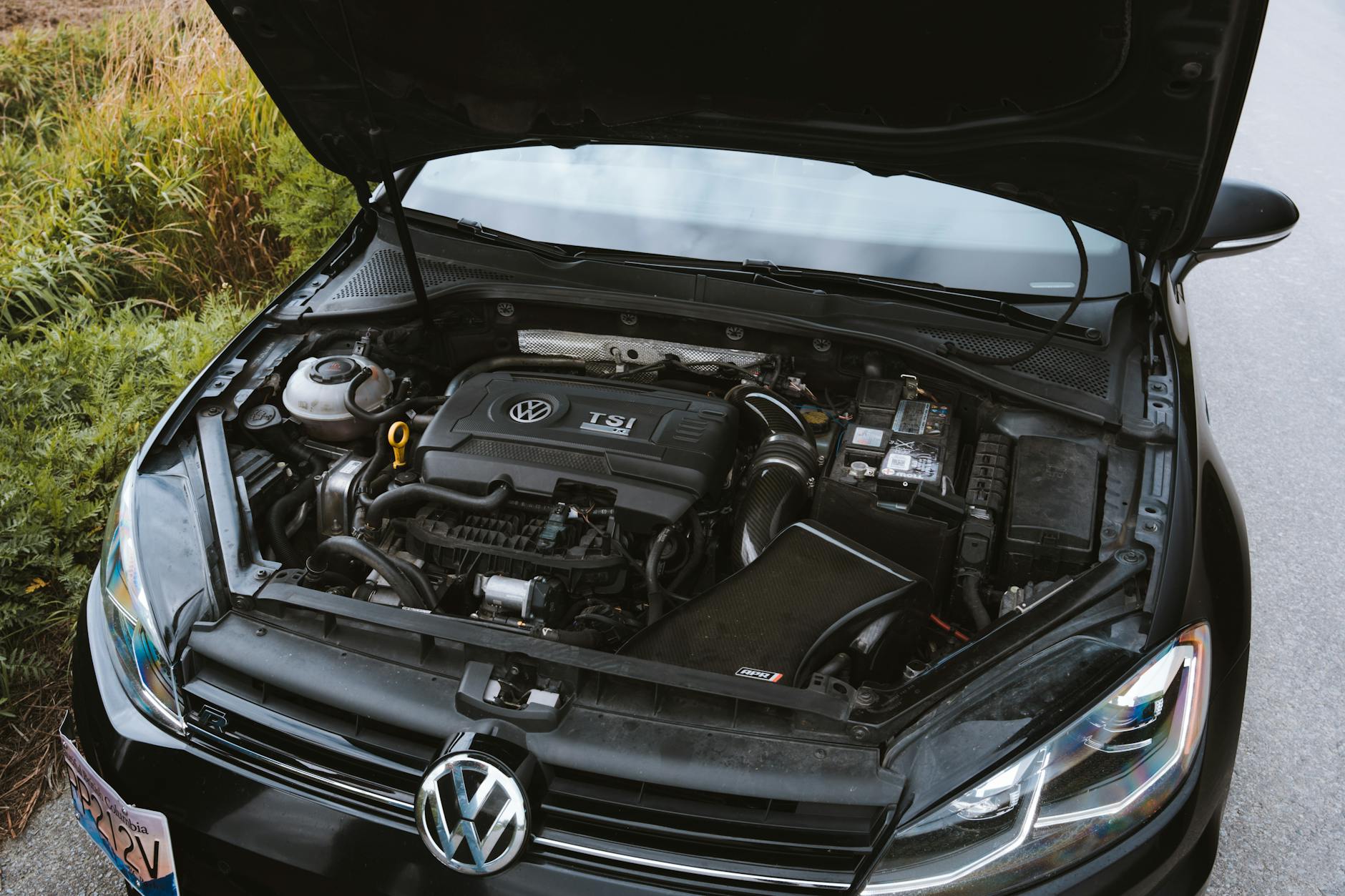
A brief metallic “rattle” from the engine bay right after you start your VW Group car—often most noticeable on cold mornings—can be unsettling. On many VW/Audi/SEAT/Škoda models with the 1.4 TSI petrol engine, a startup rattle is commonly linked to timing chain tension behaviour, oil pressure build-up, or wear in the chain drive system. Sometimes it’s harmless and short-lived; other times it’s an early warning that can prevent expensive engine damage if you act quickly.
Recommended Tool: Professional OBD2 Scanner
Recommended Tool: Cooling System Diagnostic Tools
Recommended Tool: Transmission Diagnostic Tools
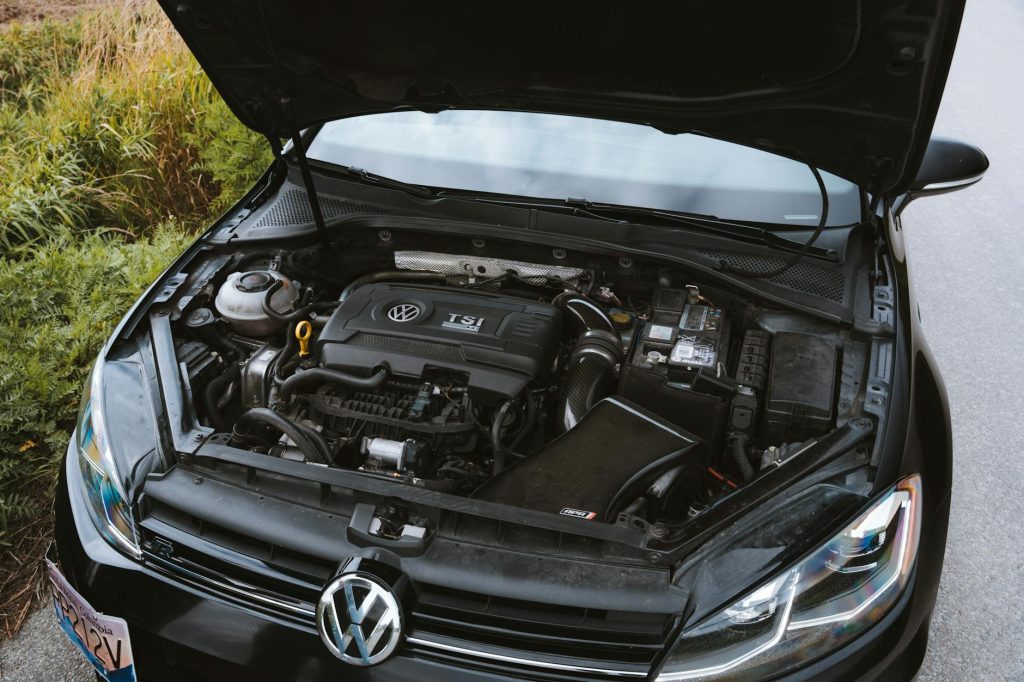
This article is written for everyday European car owners (not mechanics) and focuses on the VW 1.4 TSI timing chain rattle at startup: what causes it, how to spot trouble, and what it typically costs to put right. While VW Group is the main focus, the diagnostic mindset applies across brands—BMW (ISTA), Mercedes (Xentry), JLR (SDD/Pathfinder), and Audi/VW (ODIS)—because modern engines all rely on precise cam timing and oil pressure-dependent tensioners.
🔧 Recommended Professional Tool
DSG Transmission Service KitProfessional tools for DSG gearbox service
✔ Recommended by automotive technicians ✔ Suitable for BMW, Mercedes, VAG & JLR platforms ✔ Fast international shipping
2. Causes
A startup chain rattle usually happens when the timing chain is briefly not held tight enough until oil pressure stabilises. Common causes include:
-
Timing chain stretch and guide wear
Over time, the chain can elongate and the plastic guides can wear, increasing slack. On VW Group 1.4 TSI chain-driven variants (commonly seen in earlier EA111 family engines), this is a known failure pattern on certain builds. -
Weak or faulty timing chain tensioner
The tensioner may bleed down when parked, especially overnight, allowing slack at the next start. Some versions are more prone to internal leakage or sticking. -
Low oil pressure at startup (or slow pressure build-up)
Old oil, incorrect viscosity, a partially blocked pickup, or a worn oil pump can delay pressure to the tensioner. The chain then rattles briefly until tension returns. -
Incorrect oil specification or extended service intervals
Engines with chain tensioners are sensitive to oil quality. Long intervals can increase sludge and wear, affecting tensioner performance. -
Previous poor-quality repairs
Non-OE parts, incorrect installation timing, or reused stretch bolts can lead to recurring noise and premature wear.
3. Symptoms
Not every rattle equals imminent failure. The key is its duration, frequency, and whether it comes with fault codes or running issues.
Typical symptoms include:
- Metallic rattle for 1–3 seconds at cold start
- Rattle after the car has been parked overnight
- Noise worsens over weeks/months
- Rough idle briefly after starting
- Check engine light (MIL) and stored timing-related fault codes
- Loss of power or hesitation (in more advanced cases)
If the noise lasts longer than a couple of seconds, happens on warm restarts, or is accompanied by drivability issues, treat it as urgent rather than “normal character.”
4. How to diagnose
You can gather useful information before booking a workshop, and a good independent specialist can confirm it quickly with the right tools.
Initial owner checks (no tools)
- Record a cold-start video from outside the car with the bonnet open (keep hands clear). Note temperature and how long the rattle lasts.
- Check oil level and service history. Low oil, wrong oil, or long intervals are common contributors.
- Listen carefully: chain rattle is typically a fast metallic chatter from the timing cover area, not a deep knock from the bottom end.
Workshop diagnosis (recommended)
A VW/Audi specialist will typically:
- Scan the car with ODIS (or VCDS in many independents).
Look for cam/crank correlation faults or timing adaptation values that indicate stretch. - Check measuring blocks / live data for camshaft adjustment and timing deviation.
- Inspect for related issues like oil pressure concerns, misfires, or variable cam actuator faults.
- Evaluate noise source with a mechanic’s stethoscope to confirm it’s timing-chain-related, not an accessory belt tensioner or alternator clutch pulley.
If you also own other brands, the approach is similar: BMW ISTA will show timing plausibility and VANOS adaptation trends; Mercedes Xentry can flag camshaft correlation; JLR SDD/Pathfinder provides timing and misfire context. The principle is the same—verify whether the engine is struggling to maintain correct cam timing at startup.
5. How to fix
The right fix depends on what’s worn and how far the problem has progressed.
Minor/early-stage actions (only if confirmed appropriate)
- Oil and filter change with correct VW spec oil
If the rattle is brief and there are no timing deviation red flags, a fresh oil service using the correct specification and viscosity can improve tensioner behaviour. This is not a cure for a stretched chain, but it can reduce noise caused by slow pressure build-up. - Shorten service intervals
Moving to 10,000–12,000 km intervals (or annually) is often kinder than stretched “longlife” schedules on older engines.
Common proper repair: timing chain kit replacement
If diagnostics suggest chain stretch or tensioner bleed-down, the usual fix is replacing a timing chain kit, typically including:
- Timing chain
- Tensioner
- Chain guides/rails
- Sprockets (as needed)
- New bolts/seals (often single-use “stretch” bolts)
- Oil and coolant top-up where required
A reputable shop will also:
- Set timing precisely using the correct locking tools
- Verify timing values after repair using ODIS live data
- Check for debris and oil condition, especially if guides have deteriorated
If severe: additional work may be needed
If the chain has jumped timing (more common when symptoms are ignored), the repair can escalate to:
- Cylinder head work (valves, guides)
- Piston/valve damage assessment
- Full engine replacement in worst cases
That’s why a “it only rattles for a second” complaint deserves a measured diagnosis rather than endless waiting.
6. Repair costs
Costs vary by model, engine variant, location, and whether you use an independent specialist or main dealer. Typical European ranges (parts + labour):
- Oil + filter service (correct spec): €150–€350
Useful if oil condition is contributing, but not a fix for mechanical wear. - Diagnosis scan + timing evaluation: €80–€180
Often credited toward repair if you proceed. - Timing chain kit replacement (most common): €900–€1,800
Includes chain, tensioner, guides, seals, fluids, and labour. Dealer pricing can push higher depending on region. - Timing repair after chain jump / valve damage: €2,500–€6,000+
Head rebuild costs add up quickly; in some cases a used/rebuilt engine is chosen instead.
If your car uses a DSG gearbox, note that the timing chain repair is engine-side and typically unrelated to DSG service needs—but budgeting for both (DSG oil service if due) can be sensible if the car is already in for major work.
7. Prevention tips
You can’t prevent every mechanical issue, but you can reduce the likelihood and catch problems earlier:
- Use the correct VW oil specification and avoid bargain filters.
- Shorten oil change intervals on older 1.4 TSI chain-driven engines, especially if you do short trips.
- Don’t ignore startup noises that become more frequent or last longer.
- Let the engine settle briefly after starting before hard acceleration, especially when cold.
- Keep service records—they matter for resale and for diagnosing patterns.
8. When to see a mechanic
Book an inspection promptly if any of the following apply:
- The rattle lasts more than 2–3 seconds
- It occurs on warm restarts, not just first cold start
- You get a check engine light, misfires, or reduced power
- The noise is getting worse week by week
- The car has unknown service history or extended oil intervals
A specialist with ODIS (or equivalent VW diagnostic tooling) can usually tell from fault memory and timing data whether you’re looking at harmless brief tensioner behaviour or the early stages of chain/tensioner failure.
9. Frequently Asked Questions
Frequently Asked Questions
Is a brief 1-second rattle at startup always a sign of timing chain failure?
Not always. A very short noise can happen as oil pressure builds, especially after the car sits overnight. The risk rises if the rattle gets longer, more frequent, or shows up together with timing-related fault codes.
Can I keep driving if the car only rattles on cold starts?
You can sometimes drive short-term, but you should not ignore it. A worn chain or tensioner can worsen suddenly, and if the chain jumps timing the repair cost increases dramatically. Arrange a diagnostic scan and timing value check soon.
Will an oil change fix the timing chain rattle?
Fresh oil of the correct VW specification can reduce rattle caused by slow oil pressure build-up, but it cannot reverse chain stretch or worn guides. If timing deviation values are out of range, a mechanical repair is usually required.
What fault codes are commonly linked to timing chain issues on the 1.4 TSI?
Shops often find cam/crank correlation or timing plausibility faults, depending on ECU software and engine version. Even without a warning light, live data can show timing adaptation values trending in the wrong direction. A scan with ODIS (or a professional equivalent) is the quickest way to confirm.
Is this problem limited to VW, or do Audi/SEAT/Škoda models have it too?
Audi, SEAT, and Škoda models using the same 1.4 TSI chain-driven engine design can show identical symptoms. The badge matters less than the engine family and build period. That’s why accurate identification and diagnostics are more important than assumptions based on brand.