1. Introduction
Timing chains are designed to be a long-lasting alternative to timing belts, and many Volkswagen (VW) owners assume “chain” means “lifetime.” In reality, timing chain problems have affected a range of VW engines over the years, especially certain turbocharged gasoline engines. A worn or stretched chain can throw off engine timing, leading to poor running, warning lights, and in the worst cases, major engine damage.
Recommended Tool: Professional OBD2 Scanner
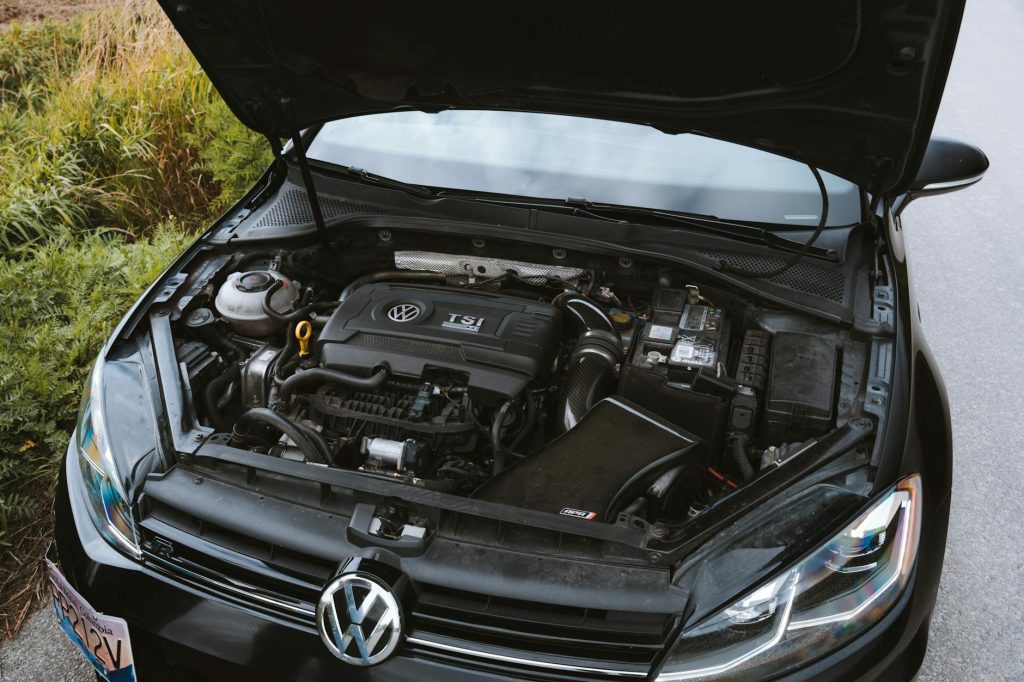
For everyday car owners, the key is understanding what causes timing chain issues, how to spot early warning signs, and what to do before a minor problem becomes an expensive repair. This guide focuses on practical information: what’s happening, what you may notice behind the wheel, and how to respond.
Recommended Tool: Professional OBD2 Scanner

2. Causes
Timing chain problems usually aren’t caused by a single part. They’re often the result of wear in several linked components that must work together to keep the chain tight and synchronized.
Recommended Tool: Professional OBD2 Scanner
Common causes in VW engines
-
Timing chain stretch over time
As mileage accumulates, the chain can gradually elongate. Even small changes can affect valve timing and trigger fault codes. -
Worn chain guides (plastic rails)
The chain rides on guides that can wear down or crack. Pieces can break off, increasing slack and noise. -
Weak or failing chain tensioner
The tensioner uses oil pressure (and sometimes a spring mechanism) to keep the chain tight. If it doesn’t hold pressure, the chain can briefly go slack—often most noticeable at startup. -
Oil quality and oil change intervals
Many timing chain systems depend heavily on clean oil. Extended oil change intervals, wrong oil specification, or low oil levels can accelerate wear of the tensioner and guides. -
Cold starts and short trips
Frequent short drives can mean the oil doesn’t warm up fully and may accumulate moisture and contaminants faster, stressing chain-related components. -
Previous poor repairs or incorrect parts
If the engine has had prior timing work, incorrect installation, non-OEM-quality parts, or missed updates can contribute to recurring issues.
3. Symptoms
Timing chain problems often start subtly. Catching them early can prevent severe damage.
Early warning signs
-
Rattling noise at cold start
A brief metallic rattle for a second or two when starting, especially after the car sits overnight, can indicate a tensioner that’s not holding pressure. -
Check Engine Light (CEL)
Common timing-related faults include cam/crank correlation errors. The car may still drive normally at first. -
Rough idle or hesitation
If timing is drifting, you may feel a shaky idle, sluggish acceleration, or inconsistent power. -
Hard starting or extended cranking
The engine may take longer to start if timing is far enough out to affect combustion.
More serious symptoms
-
Persistent rattling or grinding noises
Noise that lasts longer than a moment at startup, or appears at idle, can mean significant slack or guide damage. -
Misfires and reduced power
You may notice misfire codes, a blinking CEL, or the engine going into a reduced-power “limp” mode. -
Stalling
In advanced cases, the engine may stall due to timing errors.
If you experience loud or ongoing timing-area noise, avoid driving the car until it’s checked. Continuing to run an engine with a badly worn chain can lead to the chain skipping teeth, which can cause internal engine damage.
4. How to diagnose
Diagnosis is about confirming whether the chain system is actually the issue, and how far the wear has progressed.
What you can do as an owner
- Listen carefully at startup
- Start the car after it’s sat for several hours.
- Note any rattle: how long it lasts, and whether it repeats every start.
- Watch for changes in drivability
- New rough idle, stumbling, or hesitation can be clues.
- Check oil level and oil history
- Low oil can worsen chain tensioner performance.
- If oil changes were delayed or the oil spec is unknown, mention that to the shop.
- Scan for codes (if you have an OBD-II scanner)
- Note any cam/crank correlation, cam position, or misfire codes.
- Write down the exact code numbers for the mechanic.
What a shop typically does
- Professional scan tool analysis
- Shops can view live data and manufacturer-specific readings that indicate timing deviation.
- Mechanical inspection for noise location
- A technician may use a stethoscope tool to pinpoint timing cover noise versus other sources.
- Visual checks where possible
- Some engines allow limited viewing or measurement of timing adaptation values; others require more disassembly.
- Oil pressure and condition checks
- Since tensioners rely on oil pressure, oil-related issues may be evaluated.
Because accessing the timing chain is labor-intensive on many VW engines, good diagnosis matters. You want confirmation before authorizing major work.
5. How to fix
The correct fix depends on how severe the wear is and which components have failed. Timing chain repairs are not “just a chain” job in many cases.
Typical repair approaches
-
Replace timing chain kit
- Often includes the chain, guides, tensioner, and related hardware.
- Replacing only one component can be a false economy if the rest are worn.
-
Update to revised parts (when applicable)
- Some engines have updated tensioner designs or improved guide materials. Ask if updated parts are available for your engine code.
-
Address oil-related contributors
- If sludge, incorrect oil, or low oil pressure contributed, the shop may recommend additional cleaning, oil system checks, or more frequent oil changes.
Important considerations
- Precision matters
- Timing must be set exactly. Small errors can cause poor running or engine damage.
- Labor cost can be significant
- On many VW models, timing components are not quick to access.
- You may need additional parts
- Gaskets, seals, one-time-use bolts, and sometimes water pump or other related parts may be replaced “while you’re in there,” depending on engine layout.
If the chain has already skipped time or there is internal damage, repairs can escalate to cylinder head work or engine replacement. That’s why early intervention is valuable.
6. Prevention tips
While you can’t guarantee a timing chain will last forever, you can reduce the risk of premature wear.
Practical steps that help
- Use the correct oil specification
- VW engines often require specific oil standards. Use what your owner’s manual specifies, not just the right viscosity.
- Change oil on a sensible schedule
- If you do many short trips or city driving, consider shorter intervals than the maximum listed.
- Check oil level regularly
- Low oil can starve the tensioner and increase wear. Check monthly or every few fuel fill-ups.
- Avoid repeated hard acceleration on a cold engine
- Give the oil time to circulate and warm up before heavy throttle.
- Pay attention to startup noises
- A brief rattle that starts appearing more frequently is worth checking sooner rather than later.
- Keep records
- A clear maintenance history helps the shop diagnose and can improve resale value.
7. When to see a mechanic
Timing chain issues aren’t a “wait and see” situation once certain signs appear. Schedule a professional inspection if you notice:
- Rattling at startup that lasts more than a moment, returns often, or is getting louder
- Check Engine Light with timing-related or cam/crank correlation codes
- Rough idle, misfires, hesitation, or limp mode
- Hard starting, stalling, or sudden loss of power
- Any persistent metallic noise from the engine
If the noise is loud, continuous, or accompanied by a flashing Check Engine Light, it’s safest to stop driving and have the car towed. A tow bill is small compared to the cost of repairing an engine that has jumped timing.
For VW owners, the best approach is early action: confirm the issue with proper diagnostics, repair it with quality parts, and maintain the oil system carefully. That combination gives your timing chain the best chance of lasting the long haul.