1. Introduction
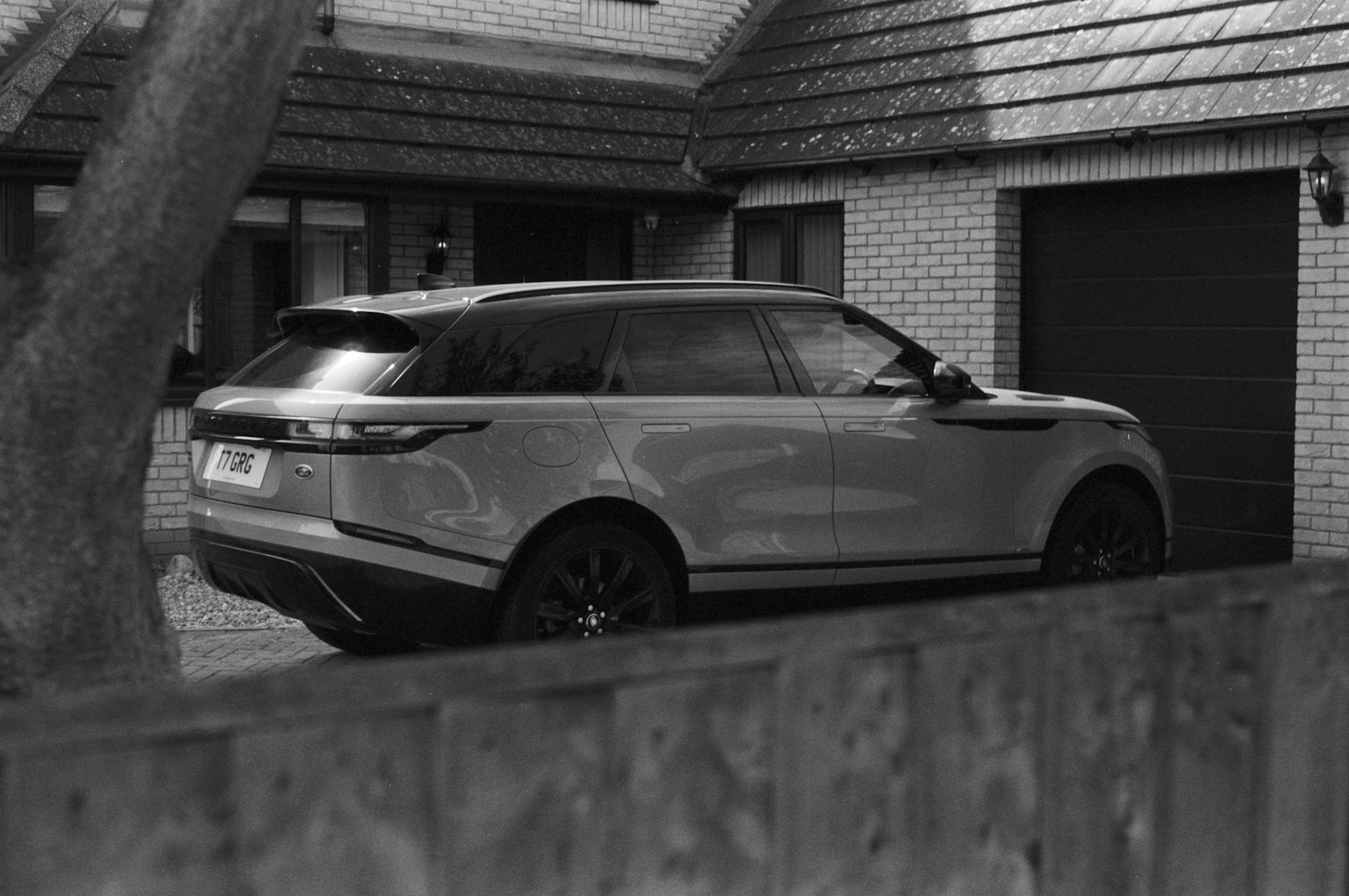
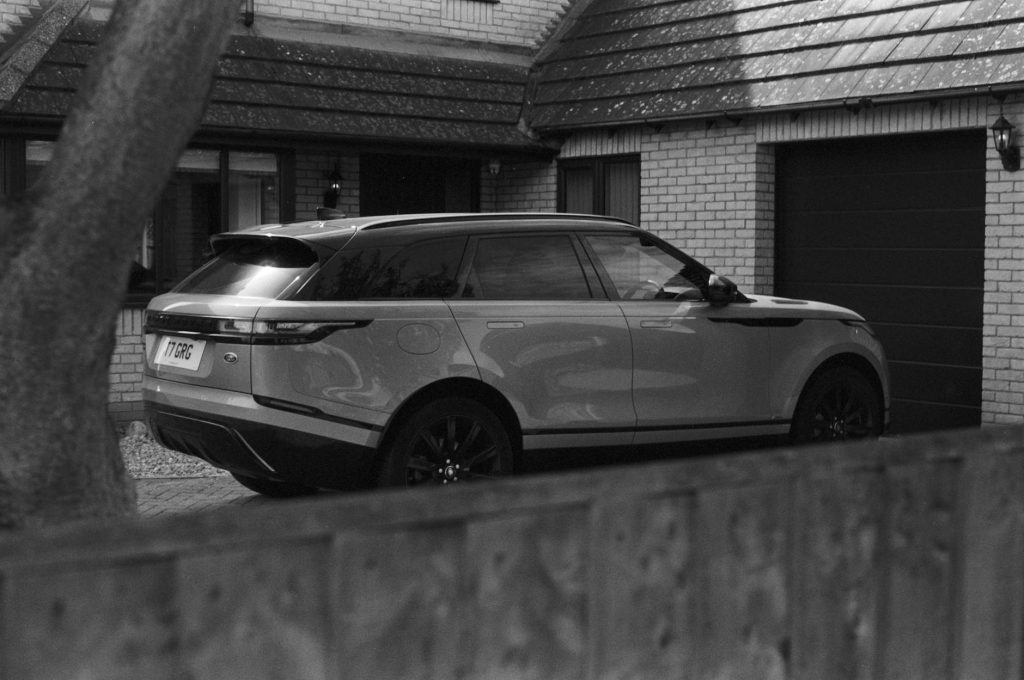
A “Suspension Fault” warning on a Range Rover Velar can be unsettling, especially because the Velar’s air suspension is designed to make the car feel calm and composed on European motorways while also coping with rougher roads and winter conditions. For everyday owners, the key is understanding what the warning usually means and why two components—the air strut (air spring/damper unit) and the compressor (air supply unit)—are so often involved.
Recommended Tool: Professional OBD2 Scanner
Recommended Tool: Portable Jump Starter
Recommended Tool: Cooling System Diagnostic Tools
In simple terms, the system uses a compressor to generate pressurised air, a valve block to distribute it, and air struts at each corner to hold the vehicle at the correct height. When something can’t hold pressure, can’t build pressure, or the control module detects implausible height readings, you’ll see a fault message and the car may restrict ride height changes to protect itself.
🔧 Recommended Professional Tool
Cooling System Diagnostic ToolsProfessional coolant tester and infrared thermometer for accurate overheating diagnosis.
✔ Recommended by automotive technicians ✔ Suitable for BMW, Mercedes, VAG & JLR platforms ✔ Fast international shipping
2. Causes
Suspension warnings are often triggered by one issue, but sometimes there’s a chain reaction. The most common causes on the Velar are:
Air strut (air spring) leaks or internal failure
- Rubber bellows can crack with age, road salt, or stone damage.
- The top mount or crimp seal can seep air slowly, typically worse in cold weather.
- Internal damper issues can appear alongside air leaks, causing poor control even if height looks normal.
Compressor wear or overheating
- Compressors wear out from normal use, but they fail early if they’re forced to run too often.
- A small air leak at a strut can overwork the compressor until it becomes weak or overheats.
- Moisture contamination (from a tired dryer/desiccant) can corrode internal parts.
Valve block or airline leaks
- O-rings harden and allow slow leaks.
- Small cracks in plastic air lines can leak only at certain temperatures or steering angles.
Height sensor issues or wiring faults
- A faulty ride-height sensor can report incorrect values, triggering “implausible signal” faults.
- Corrosion in connectors after winter driving can cause intermittent readings.
Control module and calibration problems (less common)
- Software updates, low battery voltage, or incorrect calibration after suspension work can trigger warnings.
3. Symptoms
A Velar can show very different behaviour depending on whether the problem is an air strut leak or a compressor issue.
More typical of an air strut problem
- Car drops on one corner overnight (front-left is a common complaint, but any corner is possible).
- One side sits lower after parking for a few hours.
- Compressor runs frequently after you start the car, trying to re-level.
- Occasional “Suspension Fault” message that clears, then returns.
More typical of a compressor problem
- Car struggles to rise to off-road height or takes much longer than normal.
- Multiple height changes are refused (system protects itself from overheating).
- Compressor is loud, raspy, or runs continuously without achieving height.
- Fault appears after a long drive or repeated height adjustments.
Shared symptoms
- Warning message and restricted suspension settings.
- Car may lock itself at a fixed height (often normal height) as a safety mode.
- Uneven tyre wear if you continue driving with the car sitting low on one corner.
4. How to diagnose
You can do some useful checks at home, but proper diagnosis often needs a suitable diagnostic tool. JLR workshops may use Pathfinder, and independent specialists may use SDD depending on model year and setup.
Step 1: Observe the stance and timing
- Park on level ground and measure from wheel centre to arch on all four corners.
- Re-check after 2–12 hours. A significant drop on one corner points strongly to an air strut or that corner’s air line.
Step 2: Listen and feel for compressor behaviour
- Start the car with doors closed and listen near the compressor area (often front/underbody depending on configuration).
- A healthy compressor runs briefly and then stops once level is reached. Repeated long run times suggest a leak or a weak compressor.
Step 3: Scan for fault codes and live data
Using Pathfinder/SDD, look for:
- Stored and pending faults for pressure build time, reservoir pressure, compressor temperature, and height sensor plausibility.
- Live ride-height sensor readings at each corner (do they agree with the actual stance?).
- System pressure data (is it building pressure quickly, or plateauing?).
Step 4: Leak testing (best done carefully)
- A workshop will often use a smoke machine or soapy water on strut bellows, fittings, and valve block connections.
- If one corner drops but no external leak is obvious, the leak may be at the top seal or inside the strut assembly.
Step 5: Rule out the “domino effect”
If a strut has leaked for weeks, the compressor may be damaged too. A good diagnostic approach is to confirm whether the compressor can hit target pressure within specified time—your diagnostic session should show whether it’s meeting its pressure/time thresholds.
5. How to fix
Fixes depend on the root cause. Avoid guessing: replacing a compressor when the real issue is a leaking strut can lead to repeat failure.
If it’s an air strut
- Replace the affected air strut (some choose to replace in pairs on the same axle for balanced wear, especially if mileage is high).
- Check the top mount and surrounding components.
- After replacement, perform calibration/ride height reset with Pathfinder/SDD to ensure correct height values and to prevent uneven stance.
If it’s the compressor
- Replace the compressor unit and, ideally, the dryer/desiccant if it’s serviced separately or included in the kit.
- Inspect the relay and power/ground connections (a weak electrical supply can mimic compressor failure).
- Confirm there are no significant leaks; otherwise the new compressor will be overworked again.
If it’s the valve block or lines
- Replace leaking fittings/O-rings or the valve block assembly if internal leakage is suspected.
- Replace damaged air lines and route them correctly to avoid rubbing.
If it’s height sensors or wiring
- Replace the faulty sensor or repair wiring and connectors.
- Recalibrate ride height using Pathfinder/SDD.
6. Repair costs
European pricing varies heavily by country and labour rate, but these are realistic ranges including parts and labour:
- Single air strut replacement (one corner): €900–€1,800
(OEM parts cost is the main driver; labour often 2–4 hours including calibration) - Two air struts on same axle: €1,700–€3,300
(often chosen if mileage is high or both show age-related cracking) - Compressor replacement (with dryer/service parts): €800–€1,600
(labour typically 1.5–3 hours; additional if access is difficult) - Valve block replacement: €500–€1,200
(includes calibration and leak checks) - Height sensor replacement and calibration: €250–€600
(more if corrosion requires wiring repairs)
If both a strut leak and compressor damage are present, a combined repair can land in the €1,600–€3,200 range depending on how many parts are replaced and whether genuine JLR or quality aftermarket components are used.
7. Prevention tips
You can’t make air suspension “maintenance-free,” but you can reduce the odds of expensive failures:
- Don’t ignore a slight lean. A small overnight drop often becomes a compressor-killer if left for weeks.
- Keep the underbody clean in winter. Salt accelerates corrosion at fittings and sensor linkages.
- Avoid repeated height changes for no reason. Constant cycling adds heat and wear to the compressor.
- Maintain battery health. Low voltage can cause spurious faults and erratic compressor operation.
- Have calibration done after suspension/tyre changes. Especially if ride-height sensors or control arms have been disturbed.
8. When to see a mechanic
Book a specialist promptly if:
- The car drops significantly on one corner or scrapes on ramps.
- The compressor runs long and often, or you hear harsh mechanical noise.
- The suspension warning returns repeatedly after clearing.
- You see additional warnings (stability control/traction warnings can appear if ride height is abnormal).
A good independent JLR specialist with Pathfinder/SDD capability can usually pinpoint whether it’s an air strut leak or compressor weakness in one diagnostic session, saving you from replacing the wrong part.
9. Frequently Asked Questions
Frequently Asked Questions
Why does my Velar drop overnight on one corner? This is most commonly an air strut leak at that corner, though a leaking air line or valve block port can also cause it. Measuring arch heights after parking helps confirm it. A scan tool can also show which corner is repeatedly being corrected after startup.
Can I keep driving with a “Suspension Fault” warning? You can often drive cautiously at normal height, but handling and braking stability can be affected if the car is uneven. Continued driving with a leak can overwork and destroy the compressor. If the car is visibly low or the warning is persistent, treat it as urgent.
How do I know if it’s the compressor or a leaking air strut? A leaking strut usually causes the car to sink when parked and makes the compressor run frequently on startup. A failing compressor tends to struggle to raise the car, takes too long to build pressure, or triggers overheating/timeout faults. Pathfinder/SDD live data on pressure build time is the quickest way to separate the two.
Is it worth replacing just one air strut? If the car has moderate mileage and only one strut is clearly leaking, replacing a single corner is reasonable. On higher-mileage cars, replacing both struts on the same axle can prevent an uneven feel and reduce the chance of a second failure soon after. Your mechanic can advise based on rubber condition and fault history.
Do aftermarket air struts or compressors last as well as genuine parts? Some reputable aftermarket suppliers perform well, but quality varies widely. The air suspension is sensitive to small leaks and tolerances, so choosing a proven brand and ensuring correct calibration matters as much as the part itself. If you plan to keep the car long-term, the warranty terms and installer experience are important factors.