1. Introduction
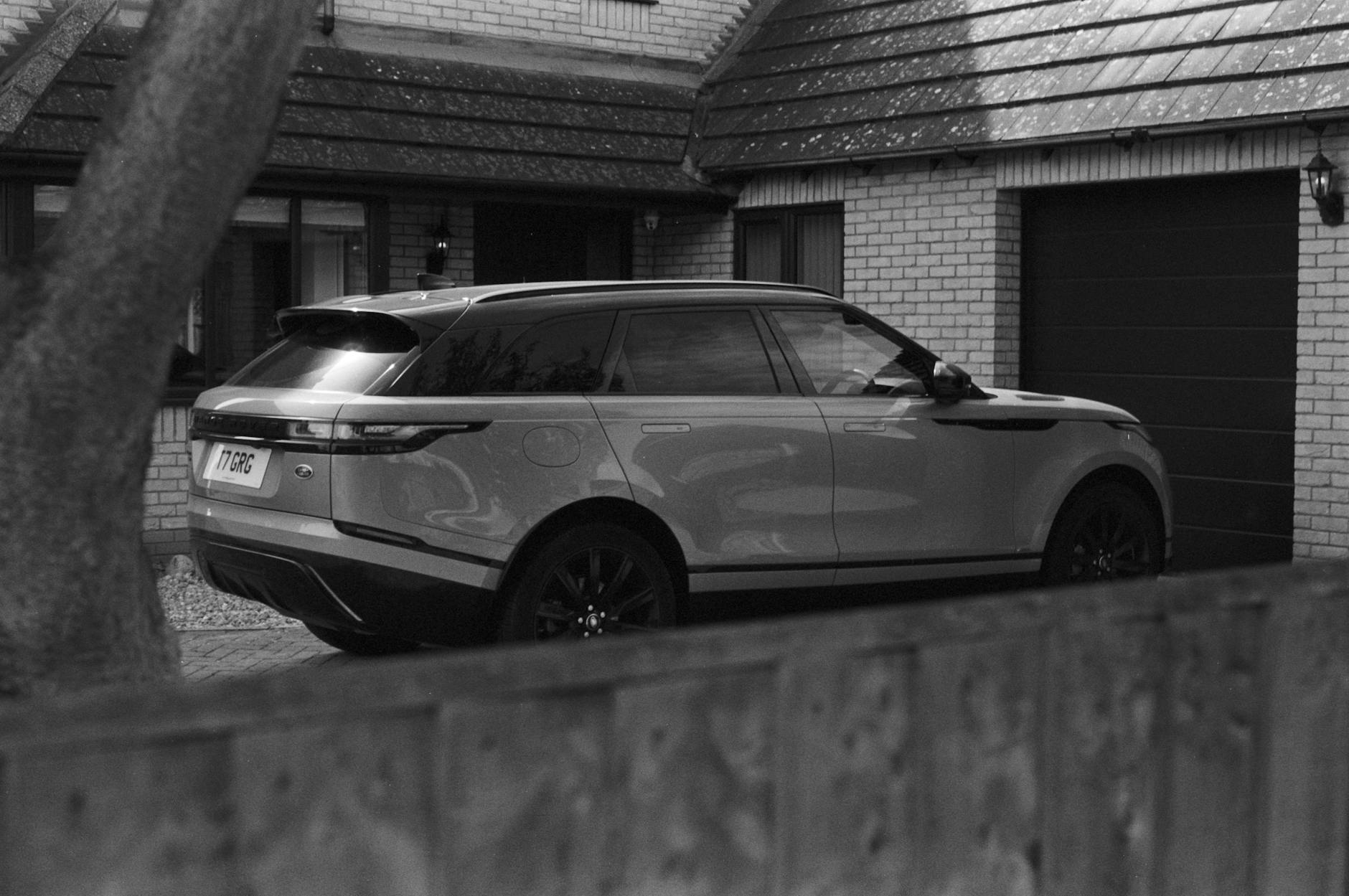
Seeing a “Suspension Fault” warning on a Range Rover Velar can be unsettling—especially because the Velar’s ride comfort and handling depend heavily on its air suspension system (on equipped models). This warning usually means the vehicle has detected a problem that could affect ride height control, stability, or overall safety. Sometimes it’s a minor sensor issue; other times it’s a developing air leak that can leave the vehicle sitting low or riding harshly.
Recommended Tool: Professional OBD2 Scanner
Recommended Tool: Portable Jump Starter
Recommended Tool: OEM Suspension Components
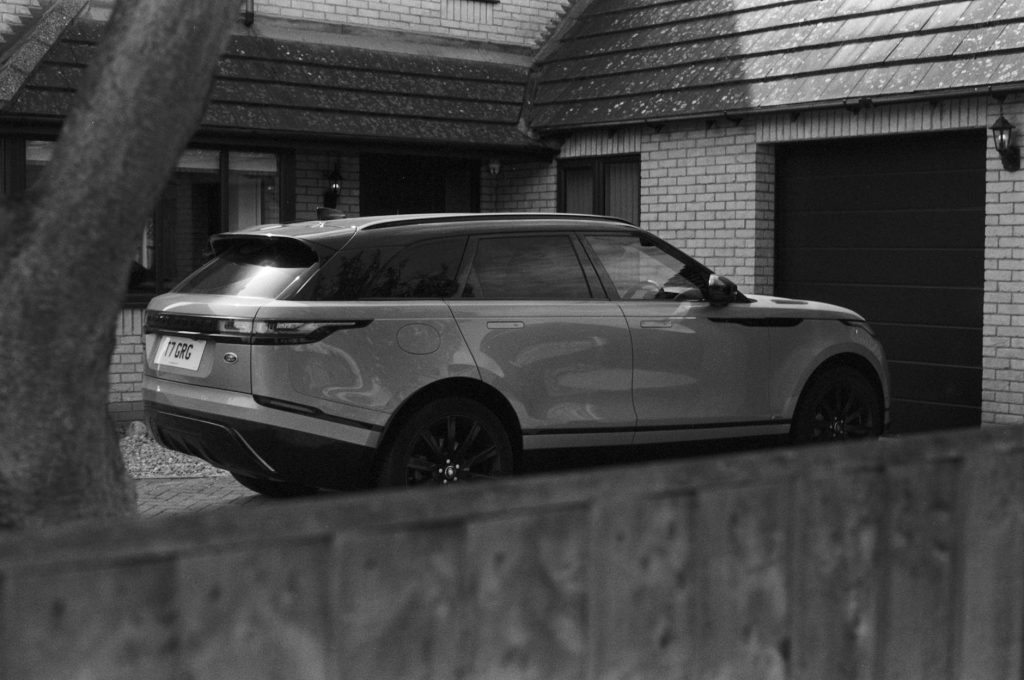
This guide is written for everyday owners, not technicians. You’ll learn what typically causes a Velar suspension fault warning, what symptoms to watch for, how diagnosis usually works, common repair options, and what you can do to prevent repeat problems. You’ll also get a realistic picture of repair costs and when it’s smarter to stop driving and get professional help.
🔧 Recommended Professional Tool
Automotive Battery TesterCheck battery health and charging system performance with precision.
✔ Recommended by automotive technicians ✔ Suitable for BMW, Mercedes, VAG & JLR platforms ✔ Fast international shipping
2. Causes
A suspension fault warning on the Velar is most often tied to the air suspension (if your vehicle has it) and its related electronics. Common causes include:
- Air leaks in the system
- Cracked or aging air struts (air springs)
- Leaking air lines or fittings
- Leaking valve block seals
- Compressor problems
- Worn compressor that can’t build pressure
- Overworked compressor due to a slow leak
- Compressor relay or power supply issues
- Ride height sensor faults
- Failed sensor or damaged linkage
- Corrosion or debris affecting sensor movement
- Electrical or software issues
- Low battery voltage triggering faults
- Wiring damage near wheel wells (water, road debris)
- Control module calibration or software glitches
- Moisture contamination
- Water entering the system and damaging valves or causing internal corrosion (often tied to dryer/desiccant issues)
Not every Velar has air suspension; some trims use conventional springs. The warning is still possible on non-air setups (usually sensor/wiring related), but most “Suspension Fault” complaints involve air suspension components.
3. Symptoms
The warning message is the obvious sign, but owners often notice additional symptoms, such as:
- Vehicle sits lower than normal (especially one corner)
- One side droops overnight then rises after start-up
- Compressor runs loudly or runs too often
- “Normal height only” or height adjustment disabled
- Uneven ride or harsh bumps compared to normal
- Slower steering response or unstable feel over dips (ride height changes affect alignment and handling)
- Clunks or knocking if a strut is failing mechanically
- Traction/stability alerts (because ride height sensors and stability systems share information)
If the vehicle is noticeably sagging, the system may be protecting itself to prevent further damage—continuing to drive can make repairs more expensive.
4. How to diagnose
A good diagnosis usually follows a simple order: confirm the warning, read the codes, then verify the physical cause.
Start with basic checks you can do
- Look at ride height: Is one corner lower? Does it change after parking overnight?
- Listen after starting: A healthy system typically runs the compressor briefly. Constant running suggests a leak or weak compressor.
- Check the battery condition: Low voltage can trigger false or secondary faults. If the battery is old or the start feels sluggish, note it.
Use a scan tool (best next step)
A proper diagnostic scan is important because the Velar stores specific fault codes for:
- compressor performance
- reservoir pressure
- valve block operation
- individual height sensors
- communication or voltage faults
A generic code reader may not show suspension-specific information. Many independent shops have Land Rover-capable scan tools; dealerships certainly do.
Confirm leaks and component performance
Shops may perform:
- Soap-and-water leak test on air lines and struts (bubbles indicate leaks)
- Pressure tests for compressor output and system holding pressure
- Height sensor live data checks to confirm readings match actual vehicle height
- Visual inspection of air struts for cracking, dry rot, or oil residue (some struts show signs when failing)
A key point: a failing compressor is often a result of a leak. Replacing the compressor without fixing a leak can lead to repeat failure.
5. How to fix
Repairs depend on what failed, but the most common fixes fall into a few categories. Costs vary by region and labor rates, but these ranges reflect typical real-world outcomes for a luxury SUV.
Fixing air leaks (common)
- Replace a leaking air strut (air spring/strut assembly)
- Typical cost: $900–$2,200 per corner (parts and labor)
- Often recommended to replace in pairs (front pair or rear pair) if wear is similar.
- Repair/replace air line or fitting
- Typical cost: $200–$600, depending on access and parts
- Replace or reseal valve block
- Typical cost: $500–$1,200
Compressor and related repairs
- Replace air suspension compressor
- Typical cost: $800–$1,800
- May include relay replacement and system checks.
- Replace compressor relay or fuse / repair wiring
- Typical cost: $150–$500, depending on diagnosis time
Sensor, calibration, and electrical fixes
- Replace ride height sensor
- Typical cost: $250–$700 per sensor
- Software update, recalibration, or re-initialization
- Typical cost: $150–$400
- Especially common after component replacement.
What about driving while it’s faulted?
If the Velar drops to a low height or locks height adjustment, the suspension may ride stiff and stress other parts. Driving short distances at low speed to reach service is usually safer than ignoring it for days.
6. Prevention tips
Air suspension systems can be reliable when kept in good operating conditions. These steps reduce the odds of repeat warnings:
- Keep the battery healthy
- Replace aging batteries on time; low voltage creates erratic suspension behavior and false faults.
- Avoid repeatedly cycling ride height
- Constantly raising/lowering for convenience can increase compressor duty and wear.
- Rinse winter salt and mud from wheel wells
- Height sensors and wiring live in harsh areas and suffer from corrosion and debris.
- Don’t ignore early sagging
- A small leak today can burn out a compressor tomorrow, multiplying repair costs.
- Have the system inspected before long trips
- If you’ve noticed the compressor running more than usual, schedule a quick check.
7. When to see a mechanic
Schedule professional service promptly if:
- The vehicle leans, sags, or sits unusually low
- The compressor runs frequently or sounds strained
- You see the warning repeatedly after clearing or restarting
- Ride height adjustments are disabled, or warnings multiply (stability/traction alerts)
Stop driving and arrange a tow (or drive only a very short distance at low speed) if:
- The vehicle is extremely low and could scrape
- Handling feels unsafe, bouncy, or unstable
- You hear loud mechanical noises from a strut area
- The warning is paired with other critical alerts and the vehicle enters a restricted mode
A shop familiar with Land Rover systems is worth seeking out. Correct diagnosis is the difference between replacing one leaking part and replacing multiple expensive components unnecessarily.
8. Frequently Asked Questions
Frequently Asked Questions
Why does my Range Rover Velar show “Suspension Fault” only in cold weather?
Cold temperatures can stiffen rubber seals and slightly shrink air components, making small leaks more noticeable overnight. The compressor may also work harder to build pressure, which can trigger performance codes if it’s already aging. If the warning disappears when warm, it still deserves inspection because the leak typically worsens over time.
Can I drive my Velar with an air suspension fault warning on?
You can sometimes drive short distances if the vehicle remains level and ride height stays stable, but avoid high speeds and rough roads. If the Velar is sagging, locked at a low height, or handling feels unpredictable, driving can become unsafe and may damage the compressor or suspension parts further.
What’s the most common cause of a Velar air suspension failure?
The most common root issue is an air leak, often from an aging air strut or a leaking valve block seal. A weak compressor is also common, but it’s frequently caused by the compressor running too much to compensate for a leak.
How much does it cost to fix a Range Rover Velar suspension fault?
Minor fixes like relay replacement, wiring repair, or recalibration may cost a few hundred dollars. Replacing an air strut or compressor typically ranges from the high hundreds to a couple thousand dollars, depending on which corner, parts quality, and local labor rates. Getting an accurate diagnosis first helps avoid paying for parts you don’t need.
Will replacing one air strut fix the problem, or should I replace both?
If only one strut is leaking and the others test good, replacing a single unit can solve it. However, if the matching strut on the other side is similar age and wear, replacing them as a pair can prevent a second failure soon after and reduce repeated labor costs.