1. Introduction
A knocking noise from the steering rack on a Range Rover Sport can be unsettling because it sits right at the intersection of safety, comfort, and confidence. Many owners describe it as a dull “clunk” felt through the steering wheel when turning at low speed, going over small bumps, or changing direction during parking manoeuvres. While it can sound dramatic, the cause isn’t always a full rack failure—but it does need a structured diagnosis to avoid throwing expensive parts at the problem.
Recommended Tool: Professional OBD2 Scanner
Recommended Tool: OEM Suspension Components
Recommended Tool: Transmission Diagnostic Tools
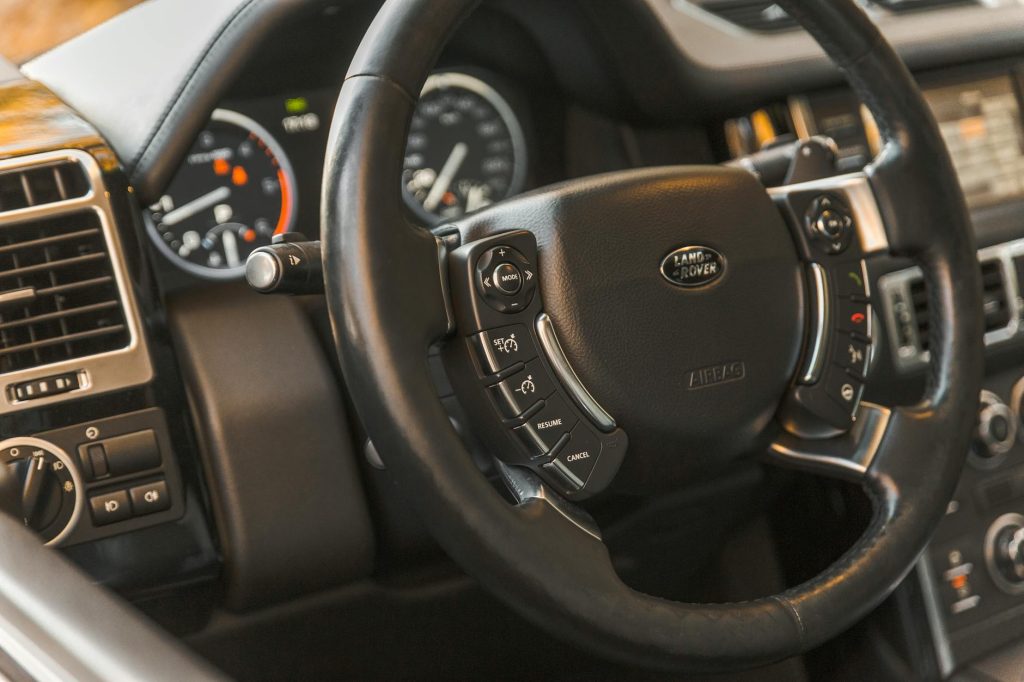
This guide is written for everyday European car owners—especially those familiar with premium brands like BMW, Mercedes, Audi/VW Group, and JLR—who want a clear understanding of what the knock could be, how it’s properly diagnosed (including with JLR tools like Pathfinder or SDD), and what realistic repair costs look like.
🔧 Recommended Professional Tool
ZF 8HP Transmission KitService tools for ZF 8HP automatic transmission
✔ Recommended by automotive technicians ✔ Suitable for BMW, Mercedes, VAG & JLR platforms ✔ Fast international shipping
2. Causes
Steering “rack knock” is often blamed on the rack itself, but several components can create a similar sound. On the Range Rover Sport, common causes include:
- Internal steering rack wear
- Wear in rack bushings, gear mesh, or internal guide components can create play that “taps” under load reversals.
- Loose or worn inner/outer tie rods
- A worn inner joint can knock when the wheel changes direction, especially at parking speeds.
- Lower control arm bushes or ball joints
- These can mimic rack knock because the noise transmits through the subframe into the steering column.
- Steering column intermediate shaft / universal joint play
- Small amounts of backlash can sound like a rack issue.
- Subframe movement or loose steering rack bolts
- If fasteners loosen or bushings degrade, the rack can shift slightly and knock.
- Top mounts (strut mounts) or suspension links
- Anti-roll bar drop links and top mounts are frequent “false positives.”
- Electric Power Steering (EPS) related issues (where fitted)
- Some variants use EPS components/sensors that can contribute to odd steering feedback or noises, though pure knocking is more often mechanical.
3. Symptoms
A steering rack knock is usually consistent and repeatable. Typical signs include:
- Clunk/knock when turning the wheel left-right quickly (engine running or not)
- Noise most noticeable at low speeds (parking, tight turns, speed bumps)
- A vibration or “tap” felt through the steering wheel rim
- Slight on-centre looseness or vague steering feel
- Noise when braking lightly over small bumps (often suspension-related but easily confused)
- Uneven tyre wear if the issue also affects alignment (more common with tie rods/control arms)
If you also have warning lights for steering assist, stability control, or a “restricted performance” message, it may indicate an electronic steering or sensor-related problem that should be scanned.
4. How to diagnose
A good diagnosis combines a road test, physical inspection, and (where relevant) a scan with JLR diagnostics like Pathfinder (newer models) or SDD (older platforms). If you’re coming from BMW/Audi/Mercedes ownership, the concept is similar to ISTA, ODIS, or Xentry: confirm faults, read live data, then verify mechanically.
Basic checks you can do safely
- Replicate the noise
- In a quiet area, steer gently left-right at a standstill and at 5–10 km/h.
- Listen for location
- A rack knock often sounds low and central; a drop link is usually more “corner-specific.”
- Check power steering fluid (if hydraulic system is fitted)
- Low fluid can add groans/whines, but it typically won’t cause a clean “knock.”
Workshop-level diagnosis steps
A competent workshop will usually:
- Raise the vehicle and check for play
- With wheels off the ground, check:
- Outer tie rod end play (hands at 3 and 9 o’clock)
- Inner tie rod play (feeling/seeing movement at the rack boot)
- Ball joints/control arm bushes (lever test)
- With wheels off the ground, check:
- Confirm rack movement
- A helper turns the wheel slightly while the technician watches/feels for:
- Rack shifting on its mounts
- Knock transmitted through the rack housing
- A helper turns the wheel slightly while the technician watches/feels for:
- Inspect rack boots
- Torn boots allow water/dirt in, accelerating inner joint/rack wear.
- Scan modules and check calibrations
- Using Pathfinder/SDD, check for EPS/steering angle sensor faults and ensure calibrations are correct after any suspension/steering work.
- Rule out “look-alikes”
- Drop links, top mounts, and lower control arms can create a nearly identical noise—especially on heavier SUVs.
A key tip: ask the shop to show you the play. A visible knock or measurable looseness is the difference between an informed repair and guesswork.
5. How to fix
The fix depends on what’s actually worn. Common repair paths:
If tie rods are worn
- Replace inner tie rods, outer tie rod ends, or both.
- Follow with a four-wheel alignment (essential on the Range Rover Sport).
- This is often the best-case scenario and can fully eliminate the knock.
If suspension components are the real cause
- Replace worn lower control arms/bushes, ball joints, or anti-roll bar drop links.
- Replace top mounts if knocking occurs when steering over uneven ground.
- Alignment is usually required after control arm work.
If the steering rack itself is worn
Options typically include:
- Replace steering rack with OEM/new
- Highest cost, most predictable outcome.
- Replace with a high-quality remanufactured rack
- Can be cost-effective, but quality varies—choose a reputable supplier with warranty.
- Repair/rebuild (specialist)
- Availability depends on model and region; success depends on internal damage and parts support.
After rack replacement, the workshop should:
- Perform steering angle sensor calibration / EPS routines using Pathfinder/SDD
- Clear faults and road test
- Perform alignment and verify there’s no binding or off-centre steering wheel
If your model uses a gearbox like ZF 8HP (common across JLR), note that subframe clearance and drivetrain packaging can influence labour time—this is why quotes vary widely between workshops.
6. Repair costs
European pricing varies by country and labour rate, but these are realistic ranges including parts and labour:
- Outer tie rod ends (pair) + alignment: €250–€500
- Inner + outer tie rods (both sides) + alignment: €450–€900
- Anti-roll bar drop links (pair): €200–€450
- Lower control arms (front, pair) + alignment: €700–€1,500
- Steering column intermediate shaft/U-joint: €350–€900
- Steering rack replacement (remanufactured) + alignment + calibrations: €1,400–€2,600
- Steering rack replacement (new OEM) + alignment + calibrations: €2,200–€4,200
Extra costs to expect:
- Wheel alignment: €120–€220
- Diagnostic time: €80–€180
- Seized fasteners/corrosion labour (common in wet/salted regions): +€100–€400
7. Prevention tips
You can’t prevent all wear, but you can slow it down and catch issues early:
- Avoid holding full steering lock for long periods during parking
- Fix torn rack boots quickly to keep contaminants out
- Keep tyres correctly inflated; underinflation increases steering loads
- Don’t ignore small clunks—early tie rod replacement is cheaper than rack damage
- After kerb impacts or pothole hits, get an alignment check
- Use quality parts; cheap tie rods often develop play quickly on heavy SUVs
8. When to see a mechanic
Book a professional inspection if:
- The knock is getting louder or more frequent
- You feel looseness around the steering’s centre position
- The vehicle pulls, wanders, or the steering wheel won’t sit straight
- There are steering/EPS warnings on the dash
- You notice uneven tyre wear or vibrations that weren’t there before
Steering components are safety-critical. If there’s measurable play, don’t delay—especially before motorway trips or towing.
9. Frequently Asked Questions
Frequently Asked Questions
Is it safe to drive with a steering rack knock on a Range Rover Sport?
It depends on the cause. A minor knock from a drop link may be annoying but not immediately dangerous, while play in tie rods or the rack can affect control. If the steering feels loose or the noise worsens quickly, reduce driving and get it checked.
Will a wheel alignment fix a steering rack knocking noise?
An alignment won’t fix worn parts, but it can mask symptoms briefly if toe settings change the load on joints. Alignment is still essential after replacing tie rods, control arms, or the rack. If you only do alignment without fixing play, the knock will usually return.
How do I know if it’s the rack or just suspension links?
Rack knock is often felt centrally through the steering wheel and happens with small left-right inputs, even at a standstill. Drop links and top mounts tend to be more noticeable over bumps and can sound like it’s coming from one corner. A workshop can confirm by checking for play at the tie rods and observing rack movement while steering.
Do I need Pathfinder/SDD programming after replacing the steering rack?
Many Range Rover Sport variants require calibration routines (steering angle sensor/EPS setup) after steering work. A proper shop will use Pathfinder or SDD to run the necessary procedures and clear faults. Skipping calibrations can cause warning lights or odd steering behaviour even if the mechanical repair is correct.
Should I choose a remanufactured rack or a new OEM rack?
A new OEM rack is usually the most reliable but costs more. A high-quality remanufactured unit can be a good compromise if it comes from a reputable rebuilder with a strong warranty. Avoid unknown low-cost options, as repeat labour is often more expensive than the part difference.