1. Introduction
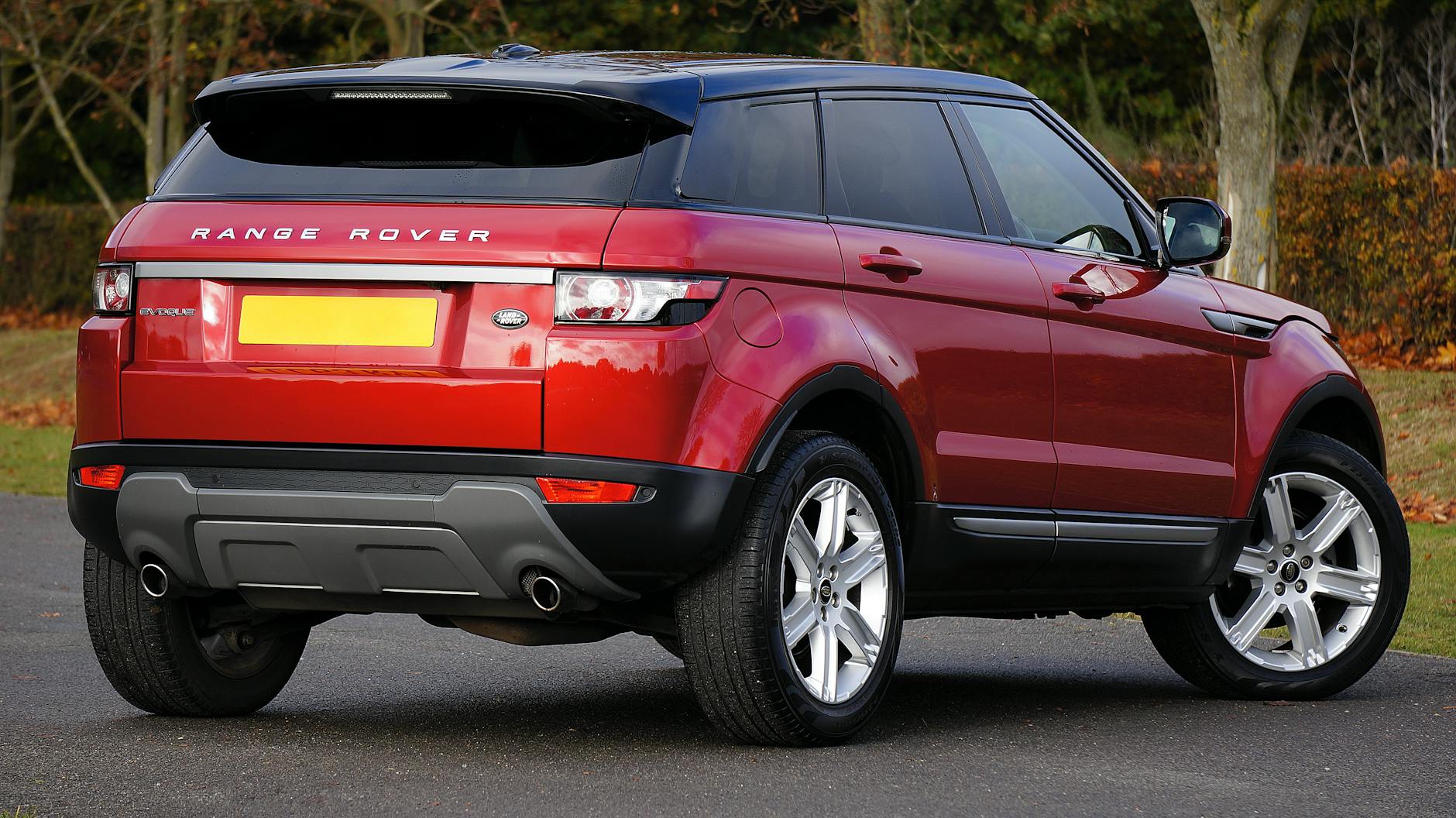
If your Range Rover Evoque L551 is starting to feel harsher over bumps, “floaty” at speed, or less stable in corners, the rear shock absorbers are a common place to look. Shocks are not just about comfort: they control wheel movement so the tyres stay in contact with the road, which affects braking, traction, and stability systems. On the Evoque L551 (2019–present), rear suspension designs vary by trim and options (including adaptive dampers on some models), so choosing the right parts—and understanding OEM vs aftermarket—matters.
Recommended Tool: Professional OBD2 Scanner
Recommended Tool: OEM Suspension Components
European owners of BMW, Mercedes, Audi, VW Group, and JLR vehicles will recognise the pattern: modern cars are heavier, ride on larger wheels, and often use sophisticated damping. That means shocks can wear sooner than you might expect, and prices vary widely depending on whether the car uses passive dampers or electronically controlled units.
Recommended Tool: Professional OBD2 Scanner
2. Causes
Rear shock absorbers wear gradually, but a few common factors accelerate failure on the Evoque:
- Normal internal wear: The damper’s oil and seals degrade over time, reducing damping force.
- Road conditions: Frequent potholes, speed bumps, and broken tarmac put high loads into the rear suspension.
- Heavy loads and towing: Regularly carrying passengers and luggage, roof boxes, or towing increases rear suspension work.
- Wheel/tyre choices: Larger wheels with low-profile tyres transmit sharper impacts into dampers.
- Water and salt exposure: Corrosion on the shock body and mounting hardware is common in coastal or winter-salt regions.
- Adaptive damper complexity (if fitted): Electronic valves and wiring add potential failure points beyond basic seal wear.
3. Symptoms
Rear shock problems can be subtle at first. Look out for:
- Bouncy or unsettled ride after bumps (rear continues oscillating)
- Knocking/clunking noises from the rear over sharp bumps (can also be top mounts or bushings)
- Rear-end “float” at motorway speeds, especially over undulations
- Uneven tyre wear (cupping/scalloping patterns)
- Longer stopping distances on rough surfaces due to reduced tyre contact
- Stability/traction interventions that feel more frequent than normal
- Visible oil seepage on the shock body (a strong indicator on passive shocks)
If your Evoque has adaptive damping, you may also see a suspension warning message or fault stored in the chassis control module.
4. How to diagnose
A proper diagnosis is worth doing before buying parts, because rear suspension noises are often caused by mounts or links rather than the shock itself.
Visual and basic checks
- Park on level ground and check ride height side-to-side. A large difference may suggest spring or air-related issues (depending on spec), not just shocks.
- Inspect both rear shocks for:
- Oil leaks (wetness collecting dust)
- Dented bodies or damaged piston rods
- Split dust boots or bump stops
- Corroded mounting bolts
Road test observations
- On a familiar route, note if the rear “pogo-sticks” after a bump or feels unstable on fast sweeping turns.
- Listen for single knocks (often mounts) versus repeated rattles (often links or loose hardware).
Workshop-style checks (still owner-friendly)
- Do a controlled “bounce test” at the rear corner. Modern SUVs can mask this, but if it rebounds more than once, damping may be weak.
- With the car safely lifted, check for play in rear anti-roll bar links and trailing arm bushings, as these can mimic shock issues.
Scan tool diagnostics (especially for adaptive dampers)
If the Evoque is equipped with electronically controlled dampers, a scan is important. A JLR-capable tool such as Pathfinder (or SDD on older workflows) can read chassis faults, live data, and run actuator tests where supported. Even if you don’t own these tools, many independent specialists can perform a quick diagnostic session to confirm whether the issue is electrical (wiring/connector/valve) or purely mechanical wear.
5. How to fix
Rear shock replacement is usually straightforward for a professional workshop, but the correct parts and procedure depend on whether your Evoque has passive or adaptive dampers.
Choosing the right replacement approach
- OEM (Genuine JLR): Best for exact ride quality, correct damping calibration, and full compatibility with any adaptive system.
- OEM-equivalent aftermarket: Brands may offer quality comparable to OEM for passive shocks. For adaptive systems, options are more limited and quality varies.
- Replace in pairs: Always replace left and right rear shocks together to keep handling balanced.
Key points during replacement
A typical replacement includes:
- Removing the rear wheel
- Supporting the suspension arm
- Unbolting the shock lower mount and upper mount
- Swapping over any required hardware (or replacing it if specified as single-use)
- Torquing bolts to specification at the correct suspension position
Important practical notes:
- Top mounts/bushings: Consider replacing if cracked or if there’s a clunking noise history. Worn mounts can ruin a new shock’s feel.
- Bump stops and dust boots: Cheap parts that protect the damper; replace if damaged.
- Adaptive damper wiring: Ensure connectors are clean, routed correctly, and clipped to avoid rubbing.
- Calibration/coding (if applicable): Some adaptive systems may require a reset, ride height calibration, or fault clearing. A Pathfinder session after fitting can prevent lingering warnings.
Unlike many BMW/Mercedes/Audi models where coding might be needed after certain suspension work (e.g., adaptive dampers on some platforms), the Evoque typically needs correct fault handling and checks rather than extensive programming—but this is equipment- and spec-dependent.
6. Repair costs
Costs vary mainly due to damper type (passive vs adaptive), wheel size, corrosion, and local labour rates.
Passive rear shocks (non-adaptive)
- Parts (pair):
- OEM: €350–€650
- Aftermarket quality brand: €200–€450
- Labour: €180–€350 (about 1.5–2.5 hours, depending on shop and corrosion)
- Typical total: €380–€1,000
Adaptive/electronically controlled rear dampers (if fitted)
- Parts (pair):
- OEM: €900–€1,600+
- Aftermarket (where available): €700–€1,300
- Labour: €220–€450 (extra time for careful routing, diagnostics, possible calibration)
- Diagnostics/calibration (if needed): €40–€120
- Typical total: €960–€2,170
Add-on items that change the invoice
- Rear top mounts/bushings: €40–€140 (pair) + small extra labour
- New bolts/nuts (if specified): €15–€60
- Alignment check: usually not mandatory for shock-only work, but a geometry check can be wise if tyres are wearing oddly (€60–€120)
7. Prevention tips
You can’t stop shock wear entirely, but you can slow it down and catch problems early:
- Keep tyre pressures correct (especially before long trips). Underinflation increases suspension work.
- Avoid repeated high-speed impacts: slow down for potholes and sharp speed bumps.
- Don’t overload the rear for long periods; distribute luggage and keep within axle limits.
- Rinse winter salt from the underbody and suspension area when possible.
- Inspect tyres regularly for cupping—often the earliest clue of weak damping.
- If you have adaptive dampers, address warning lights early; an electrical fault can lead to inconsistent damping.
8. When to see a mechanic
Book a workshop visit if:
- You see oil leaking from a rear shock
- The car feels unstable at speed or during braking
- There are clunks/knocks that don’t go away after checking loose items in the boot
- You get a suspension warning (particularly on adaptive systems)
- Tyre wear is becoming irregular and rapid
A JLR specialist with Pathfinder access can confirm the damper type, check for stored chassis faults, and ensure the correct part numbers—similar to how BMW owners rely on ISTA, Mercedes owners on Xentry, or VW Group owners on ODIS for option-specific component matching.
9. Frequently Asked Questions
Frequently Asked Questions
Should I replace only one rear shock absorber on my Evoque L551?
Replacing only one is not recommended because damping will be uneven side-to-side, which can affect stability and braking balance. Even if only one is leaking, the other is usually close behind in wear. Replacing as a pair is the normal best practice.
Is aftermarket worth it, or should I stick with OEM?
For passive (non-adaptive) rear shocks, a reputable aftermarket brand can offer good value if it matches OE specifications. For adaptive dampers, OEM is often the safer choice for correct calibration, long-term reliability, and avoiding warning lights. If you choose aftermarket on adaptive systems, confirm compatibility and warranty terms carefully.
Do I need a wheel alignment after replacing rear shocks?
A full alignment is not always required if only the shocks were changed and no adjustable arms were disturbed. However, if you had abnormal tyre wear, suspension knocks, or any rear geometry components were loosened, a geometry check is wise. It can also confirm nothing is bent or worn elsewhere.
How long do rear shocks typically last on the Evoque L551?
Many last around 80,000–140,000 km, but this varies widely with road quality, load, and wheel/tyre setup. City potholes and repeated heavy loads can shorten lifespan. Adaptive dampers may not wear faster mechanically, but they add electrical components that can fail.
What else should be replaced at the same time as rear shocks?
If there are clunks or visible cracking, rear top mounts and bump stops are sensible add-ons. Dust boots are also worth replacing if torn because they protect the damper rod from grit. A good workshop will inspect anti-roll bar links and rear bushings at the same time to avoid chasing noises later.