1. Introduction
Few things feel more frustrating than watching the temperature gauge climb while you’re barely moving. For many European car owners, overheating in traffic is a “no warning until it happens” problem: the car runs fine at speed, but starts creeping into the red during slow city driving, idling in queues, or crawling on hot days with the air conditioning on.
Recommended Tool: Professional OBD2 Scanner
Recommended Tool: Cooling System Diagnostic Tools
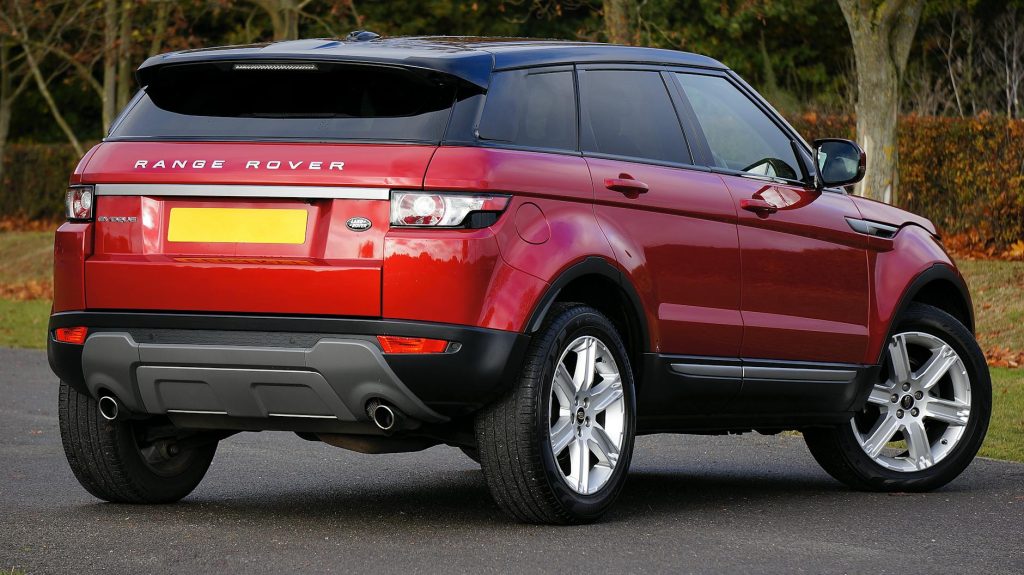
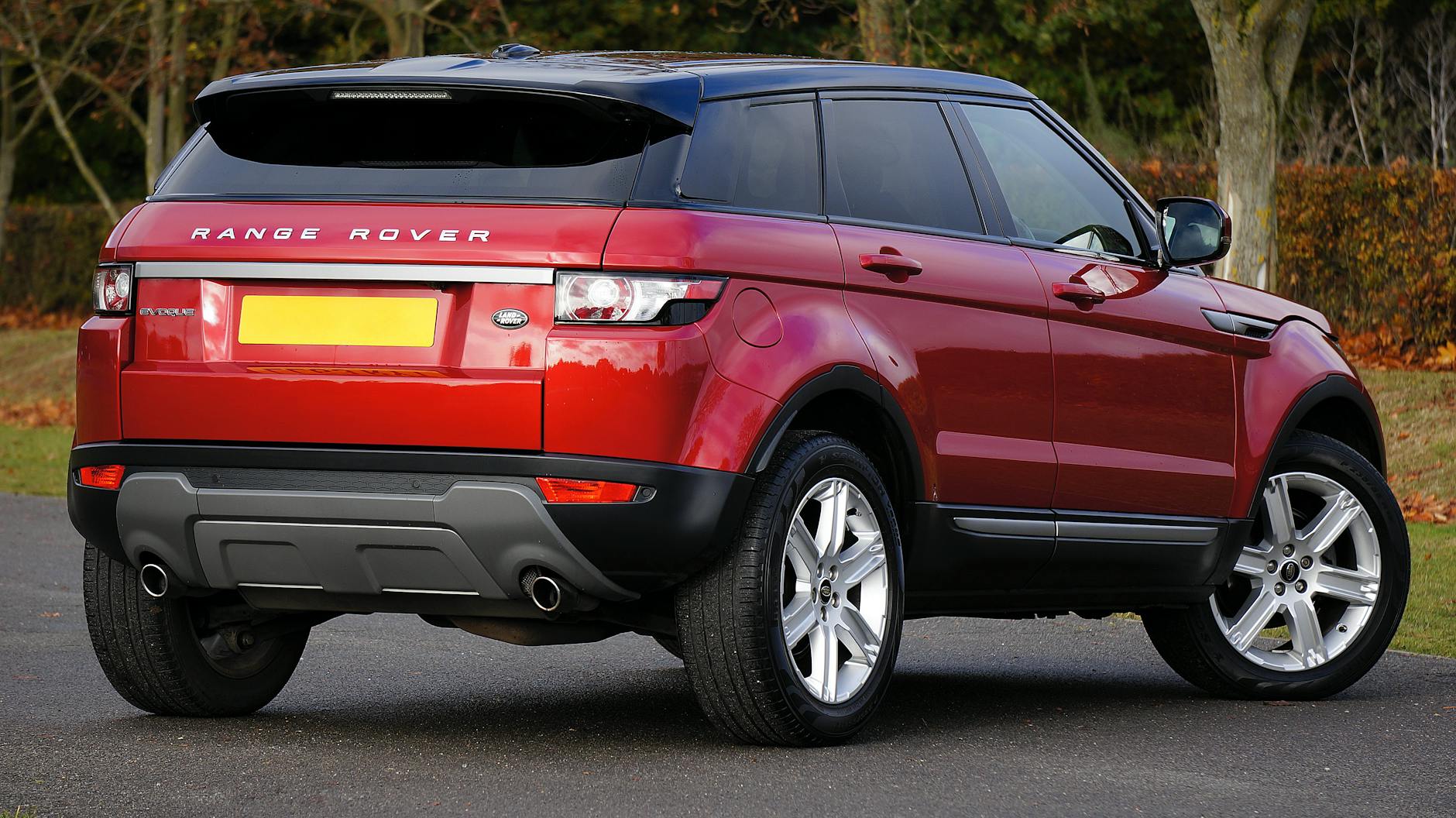
On the Range Rover Evoque (especially early L538 models and some later variants depending on engine and market), a common culprit is the cooling module: the front-end assembly that typically includes the radiator, A/C condenser, cooling fan(s), fan control electronics, and sometimes active grille shutters and related wiring. When part of this module fails, the engine may not shed heat effectively at low road speeds—exactly when airflow is most limited.
Recommended Tool: Professional OBD2 Scanner
🔧 Recommended Professional Tool
Cooling System Diagnostic ToolsProfessional coolant tester and infrared thermometer for accurate overheating diagnosis.
✔ Recommended by automotive technicians ✔ Suitable for BMW, Mercedes, VAG & JLR platforms ✔ Fast international shipping
2. Causes
Cooling module failures can show up in a few different ways. The most common causes include:
-
Cooling fan failure (motor or bearings)
The fan may seize, spin slowly, or fail intermittently. This is especially noticeable in stop-start traffic. -
Fan control module / resistor / integrated electronics failure
Many Evoques use electronically controlled fans. If the control electronics fail, the fan may not ramp up when coolant temperature rises. -
Wiring, connector, or fuse/relay issues
Corrosion at connectors, chafed wiring near the fan shroud, or an overheating fuse link can lead to unpredictable fan operation. -
Radiator or condenser blockage
Road debris, leaves, and insect build-up reduce airflow. Bent fins or a partially blocked radiator can be enough to cause overheating in slow traffic. -
Coolant flow issues that mimic a fan problem
A sticking thermostat, weak water pump, or air trapped after a coolant service can create higher-than-normal temperatures that become obvious at idle. -
Active grille shutter malfunction (if equipped)
If shutters remain closed when they should open, airflow is reduced. Not every Evoque has this, but it’s worth checking where fitted.
3. Symptoms
Owners often report a pattern: the car is fine on the motorway, but overheats in town. Watch for:
- Temperature warning light or message appearing during stop-start driving
- Heater output turning cool at idle (a sign coolant isn’t circulating properly)
- Cooling fan not running, running constantly, or running loudly at odd times
- A/C performance dropping in traffic (condenser not being cooled properly)
- Sweet coolant smell after a hot run, or visible coolant residue around the radiator area
- Reduced power or limp mode in severe cases to protect the engine
If the vehicle has a proper coolant temperature readout (or you monitor it), you may see coolant temps climb rapidly past normal operating range at idle, then drop again once you’re moving.
4. How to diagnose
A careful diagnosis saves money because “overheating” can be caused by several overlapping issues. Start with the basics, then verify fan control.
Quick checks you can do safely
- Check coolant level when the engine is cold. Low coolant can trigger overheating quickly in traffic.
- Look through the grille for leaves and debris packed into the radiator/condenser fins.
- Listen for the fan after a hot drive. In many cases, the fan should run or ramp up when the engine is hot and you’re stationary.
Scan for fault codes and live data
A proper scan is the turning point. JLR-capable tools like Pathfinder (newer diagnostic platform) or SDD (common on earlier models) can read:
- Stored and pending fault codes for fan control, coolant temperature plausibility, and shutter operation
- Live data for coolant temperature, requested fan speed, actual fan speed (if supported), and A/C pressure
If you have access to a high-quality aftermarket scan tool that supports Land Rover systems, focus on:
- Fan command vs. fan response
- Coolant temperature rise at idle
- Any voltage or communication errors linked to the fan module
Practical diagnostic steps a technician will do
- Command the fan on at different speeds using Pathfinder/SDD and verify it spins smoothly
- Check power, ground, and control signals at the fan connector
- Perform a cooling system pressure test to rule out leaks and air ingress
- Inspect thermostat opening behavior and confirm water pump circulation (often via temperature deltas across hoses and radiator)
If the fan does not respond to commanded activation, the fault is very often within the cooling module (fan motor or integrated controller) or its power supply.
5. How to fix
The correct fix depends on what failed within the cooling module and what collateral issues overheating may have created.
Common repairs
-
Replace cooling fan assembly (or full cooling module where required)
Some configurations allow fan replacement separately; others may effectively push you toward a larger module replacement due to integration and labor overlap. -
Repair wiring/connector issues
This can be as simple as a connector repair kit, pin replacement, or harness section repair—often cheaper than replacing the entire fan. -
Clean the radiator/condenser stack
A proper clean involves removing enough trim to access the full face of the radiator and condenser, not just a surface blast through the grille. -
Replace thermostat and/or water pump (if testing shows poor circulation)
If the fan works but temperatures still spike at idle, coolant flow is the next suspect. Replacing only the fan can mask the real issue.
After repair: confirm with a test drive
A good workshop will:
- Bleed the cooling system correctly
- Verify fan ramp-up at idle with A/C on
- Confirm stable coolant temperatures during a stationary heat soak test and a city drive
6. Repair costs
Costs vary by country, labor rate, and whether your Evoque’s setup allows fan-only replacement.
Typical European ranges (parts + labor):
- Cooling fan assembly replacement: €450–€950
- Cooling fan + control module/electronics (if separate): €550–€1,100
- Full cooling module replacement (radiator/condenser/fan package, where applicable): €900–€1,800
- Wiring/connector repair: €150–€450
- Cooling system flush + correct bleeding: €120–€250
- Thermostat replacement (if needed): €300–€650
- Water pump replacement (if needed): €450–€1,000
If the car has overheated severely, additional costs may appear (coolant hoses, expansion tank, or in worst cases head gasket checks). It’s cheaper to stop driving and diagnose early.
7. Prevention tips
You can’t prevent every electronic failure, but you can reduce the likelihood of overheating surprises:
-
Keep the radiator/condenser area clean
Periodically remove debris from the grille area. If you drive on rural roads, check more often. -
Watch coolant level trends
A slow drop over months suggests a small leak. Fixing it early prevents air pockets and hot spots. -
Don’t ignore fan behavior
If the fan is unusually loud, runs long after shutdown, or doesn’t run when the engine is clearly hot, book a diagnostic. -
Use the correct coolant
Mixing incompatible coolant types can reduce corrosion protection and contribute to internal deposits. -
Be cautious after cooling system work
Improper bleeding is a common reason for overheating shortly after service. If symptoms start right after maintenance, return to the shop quickly.
8. When to see a mechanic
See a professional promptly if:
- The temperature warning appears even once in traffic
- Coolant level drops repeatedly
- The fan fails to run when commanded (or you suspect it isn’t responding)
- You notice coolant smell, steam, or any sign of boiling
Driving an overheated engine risks warped components and expensive repairs. A workshop with JLR diagnostic capability (Pathfinder/SDD) can verify fan commands, control module status, and temperature behavior much faster than guesswork.
9. Frequently Asked Questions
Frequently Asked Questions
Why does my Evoque overheat only in traffic but not on the motorway?
At speed, natural airflow through the radiator can hide a weak or failed cooling fan. In traffic, the fan becomes the main source of airflow, so any failure in the fan, its control electronics, or airflow path shows up quickly. A partially blocked radiator/condenser stack can create the same pattern.
Can I keep driving if the temperature warning comes on briefly?
It’s risky. Even short overheating events can stress hoses, seals, and the cylinder head, and repeated spikes can lead to major engine damage. The safest approach is to stop, let the engine cool, check coolant level (only when cold), and arrange diagnosis.
Will a bad cooling fan always trigger a fault code?
Not always. Some failures are intermittent (heat-related electronics faults, worn brushes, or poor connections) and may not set a clear code immediately. Live data and fan activation tests in Pathfinder/SDD are often more revealing than code reading alone.
Is replacing the thermostat enough to fix overheating in traffic?
Only if tests show the thermostat is sticking or coolant flow is restricted. If the fan isn’t ramping up at idle, a thermostat replacement won’t restore airflow through the radiator. Proper diagnosis should confirm whether the problem is airflow (fan/module) or circulation (thermostat/water pump/air).
How can I tell if the radiator is blocked from the outside?
Look for packed debris, damaged fins, or areas that look “matted” behind the grille. However, the worst blockage can be between the condenser and radiator where it’s hard to see without partial disassembly. A workshop inspection can confirm this quickly.