1. Introduction
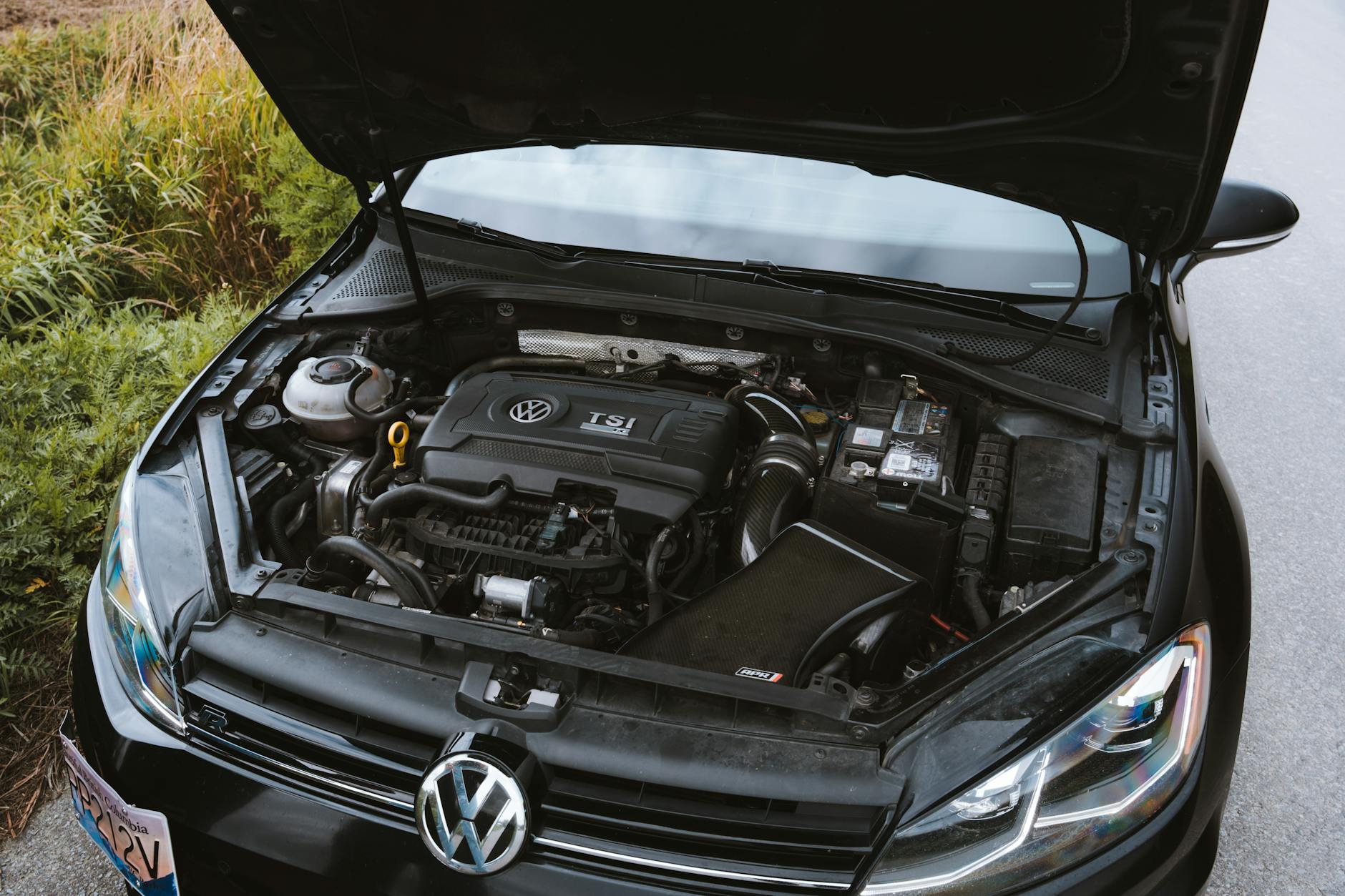
Oil consumption—needing to add oil between scheduled changes—is a common concern for many Volkswagen and Audi owners. Some oil use can be normal, especially on turbocharged engines, during high-speed driving, or on higher-mileage vehicles. But when the level drops quickly, you may be dealing with an issue that can affect performance, emissions, and long-term engine life. Understanding why VW and Audi engines may consume oil, what to watch for, and what to do next can help you avoid expensive repairs and keep your car running reliably.
Recommended Tool: Professional OBD2 Scanner
Recommended Tool: Transmission Diagnostic Tools
2. Causes
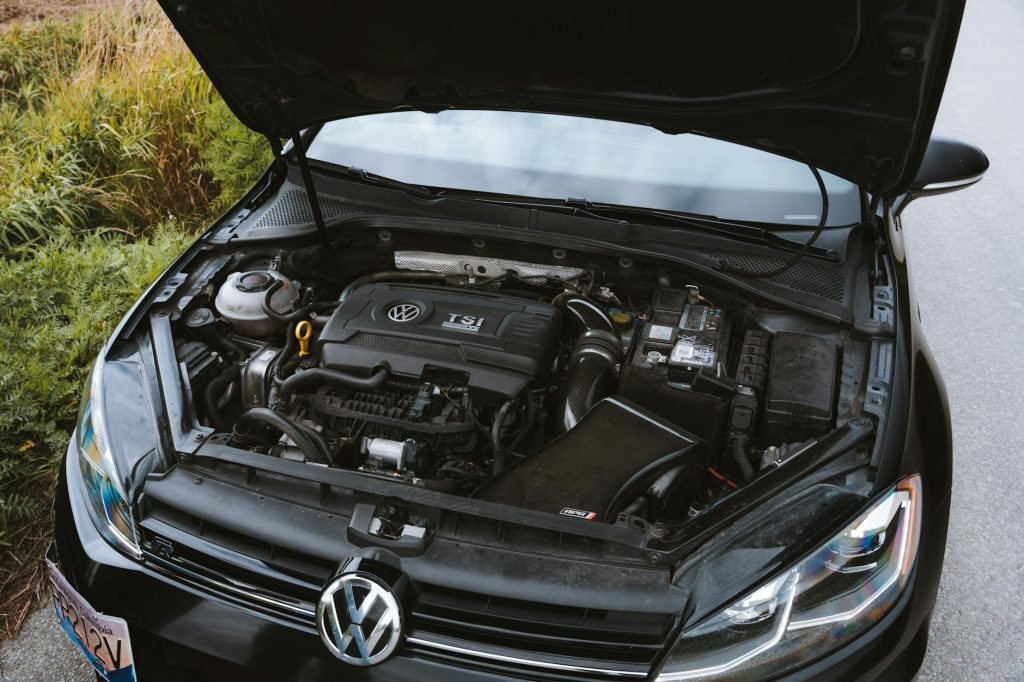
Oil consumption usually happens for one of two reasons: the engine is burning oil internally, or oil is leaking externally. On VW and Audi vehicles, several patterns show up more often than on some other brands.
Recommended Tool: Professional OBD2 Scanner
Common internal causes (oil burned in the engine)
-
Worn or stuck piston rings
Piston rings help seal the combustion chamber. If they’re worn or stuck (often due to carbon buildup), oil can slip past and burn during combustion. Some VW/Audi engines—especially certain turbocharged four-cylinders—have been known to develop ring-related oil use as mileage rises. -
PCV system problems (Positive Crankcase Ventilation)
The PCV system controls crankcase pressure and routes vapors back into the intake. If the PCV valve or separator fails, the engine can pull liquid oil into the intake and burn it. This can cause noticeable oil loss without an obvious leak. -
Turbocharger oil seal wear (turbo engines)
Turbos are lubricated by engine oil. If the turbo’s seals wear, oil can enter the intake or exhaust side and burn. This may also show up as smoke, reduced boost, or oily residue in charge pipes. -
Valve stem seal wear (more common with age)
Valve stem seals keep oil from running down into the cylinders through the valve guides. When they harden with age and heat, oil can leak into the combustion chamber—often worse after idling or overnight.
Common external causes (oil leaks)
-
Valve cover gasket leaks
Oil can seep from the top of the engine and may drip onto hot components, sometimes producing a burnt-oil smell. -
Oil filter housing or oil cooler leaks
Many VW/Audi engines use an oil filter housing assembly that can develop leaks at seals or gaskets. -
Rear main seal leaks
This seal sits between the engine and transmission. When it leaks, oil may drip from the bellhousing area and can be harder to spot. -
Oil pan gasket or drain plug issues
Over-tightening, a worn washer, or damage to the oil pan can cause slow leaks over time.
“Normal” contributing factors
- Long oil change intervals can allow deposits to form, which may worsen ring sticking or PCV issues.
- Wrong oil type or viscosity can increase consumption, especially if the oil is too thin for your engine’s needs.
- High-speed driving and heavy loads can increase oil use in many engines, including VW/Audi turbos.
3. Symptoms
Oil consumption isn’t always obvious, especially if the oil is burned rather than leaked. Watch for these clues:
- Low oil level between changes (needing to top off regularly)
- Oil warning light or “low oil level” message
- Blue or bluish-gray exhaust smoke, especially on startup or after idling
- Burning oil smell, sometimes strongest after a drive
- Oil spots under the car or wet, oily areas on the engine
- Rough idle or misfires (can happen if oil fouls spark plugs)
- Check engine light related to emissions systems (oil burning can stress the catalytic converter and oxygen sensors)
- Excessive soot in the tailpipes (not a perfect indicator, but sometimes seen)
4. How to diagnose
You don’t need to be a mechanic to gather useful information. A careful, step-by-step approach helps you understand whether you have a leak, oil burning, or both.
Step 1: Measure consumption correctly
- Park on level ground and check oil with the dipstick (if equipped) after the engine has been off a few minutes.
- If your car uses an electronic oil level reading, follow the on-screen instructions carefully (some require the engine to be warm).
- Record:
- Date and mileage
- Oil level reading
- How much oil you add
A meaningful pattern usually takes 500–1,000 miles of tracking.
Step 2: Look for external leaks
- Check the driveway for drips.
- With the engine cool, look around:
- Valve cover area
- Under the oil filter housing
- Around the oil pan
- Between engine and transmission area
If everything is dry but oil keeps disappearing, burning becomes more likely.
Step 3: Check for signs of oil burning
- Ask a friend to start the car while you watch the exhaust (especially first start of the day).
- After a long idle (like sitting in traffic), gently accelerate and watch for blue smoke.
- Note any burning oil smell that appears without visible leaks.
Step 4: Rule out simple issues
- Confirm the correct oil specification for your VW/Audi (often a VW-approved standard listed in the owner’s manual).
- Make sure the oil isn’t overfilled—too much oil can increase consumption and cause PCV-related problems.
- Inspect the oil cap and surrounding area for sludge or heavy residue.
Step 5: When a shop test helps
If your tracking shows high consumption, a mechanic may recommend:
- Oil consumption test (documented baseline fill and measured usage)
- PCV system inspection or test
- Compression test and/or leak-down test (checks sealing of rings/valves)
- Borescope inspection (looks for cylinder wall scoring or heavy deposits)
- Turbo inspection (checking shaft play and oil residue)
5. How to fix
The right fix depends on the cause. Some solutions are straightforward; others require major engine work.
Fixing external leaks
- Replace leaking gaskets or seals (valve cover, oil filter housing seals, oil pan gasket, drain plug washer).
- Clean the engine and recheck for seepage after repairs to confirm the source is resolved.
Fixing PCV-related consumption
- Replace the PCV valve/oil separator if it fails testing or shows symptoms.
- In some cases, clogged hoses or brittle fittings also need replacement.
Fixing turbo-related oil use
- Repair or replace the turbocharger if oil is passing through seals.
- A shop may also clean/replace affected intake plumbing if oil buildup is significant.
Addressing piston ring or cylinder issues
- If rings are stuck from deposits, some engines improve with careful service, but results vary.
- If rings are worn or cylinder walls are damaged, the lasting fix may involve:
- Ring replacement
- Honing or machining
- In severe cases, an engine rebuild or replacement
Supporting repairs when oil burning is heavy
- Spark plugs may need replacement if oil-fouled.
- Oxygen sensors or catalytic converter issues may need attention if oil burning has been ongoing.
6. Prevention tips
Oil consumption problems aren’t always preventable, but good habits can reduce risk and help you catch issues early.
- Check oil regularly: every few fuel fill-ups or at least once a month.
- Use the correct oil specification listed for your engine (not just the viscosity).
- Avoid stretching oil change intervals if you do mostly short trips, heavy traffic, or frequent cold starts.
- Warm up gently: drive moderately for the first few minutes to reduce stress on seals and rings.
- Fix small leaks early: slow leaks can become bigger ones and can mask other issues.
- Pay attention to warning messages: low oil level alerts should never be ignored.
7. When to see a mechanic
Schedule a professional inspection if any of the following are true:
- You’re adding more than about 1 quart per 1,000 miles, or the rate is increasing quickly
- The oil warning light comes on (stop driving if it’s an oil pressure warning)
- You see blue exhaust smoke consistently
- There’s a burning oil smell with no obvious leak
- The check engine light appears along with oil loss
- You notice oil leaks near the transmission area (possible rear main seal)
- The engine runs rough, misfires, or you suspect oil-fouled plugs
A mechanic can confirm the cause with proper testing and help you choose the most cost-effective path—whether that’s fixing a PCV issue, addressing a leak, or planning for a larger repair. Catching oil consumption early often means simpler fixes and less chance of damage to the engine and emissions system.