1. Introduction
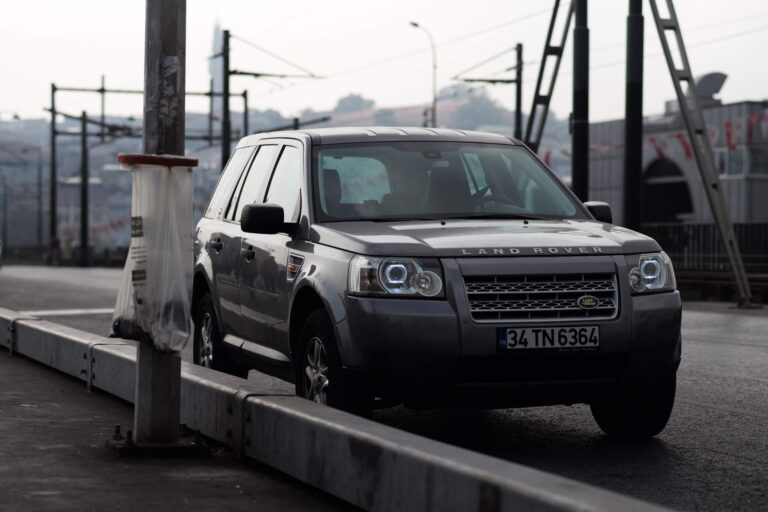
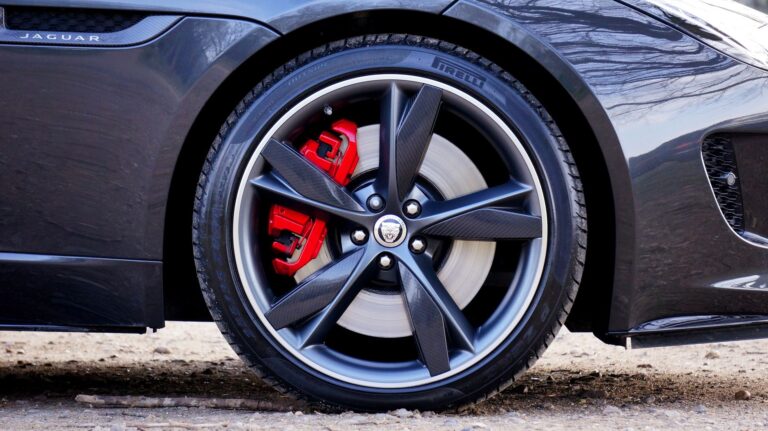
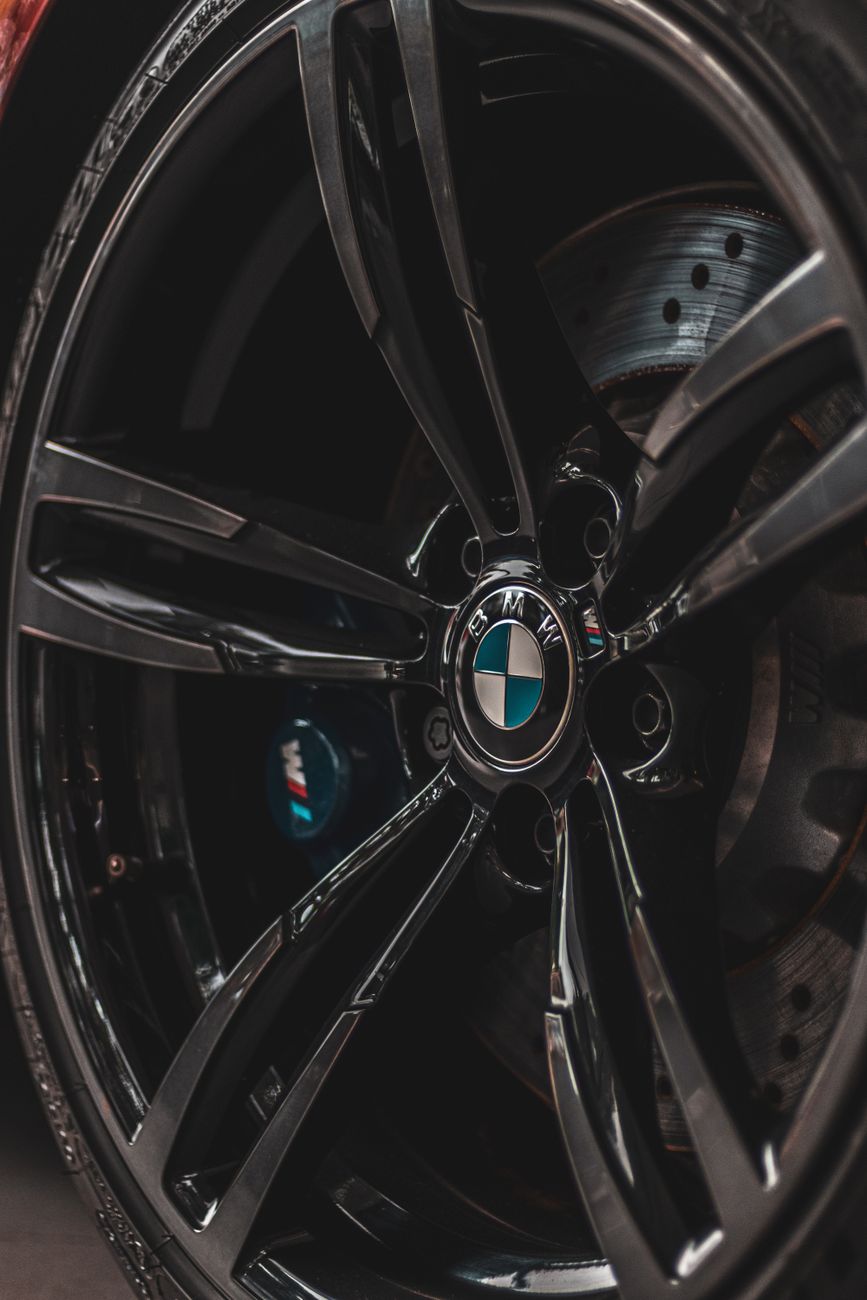
If you own a BMW, Mercedes, Audi, VW Group car (VW, Škoda, SEAT, Cupra) or a JLR model (Jaguar/Land Rover), you’ve likely seen both OEM and aftermarket brake discs listed when it’s time for a brake job. The price difference can be significant, and the marketing claims can be confusing: “OEM quality,” “performance coated,” “low dust,” “high carbon,” “two-piece,” and so on. For everyday European drivers, the real question is simple: which brake discs should you buy to keep the car safe, quiet, and smooth—without overspending?
Recommended Tool: Professional OBD2 Scanner
Recommended Tool: Premium Brake Pads
Recommended Tool: Cooling System Diagnostic Tools
This guide explains what “OEM” really means, how it differs from aftermarket options, and how to choose brake discs that fit your driving style, your car’s brake system, and your expectations. While we’ll use BMW as a frequent reference, the same principles apply to Mercedes (often paired with Xentry diagnostics), VAG vehicles (ODIS), and JLR (Pathfinder/SDD).
🔧 Recommended Professional Tool
BMW N20 Diagnostic & Timing ToolsProfessional tools for BMW N20 engine service
✔ Recommended by automotive technicians ✔ Suitable for BMW, Mercedes, VAG & JLR platforms ✔ Fast international shipping
2. Causes
You don’t replace brake discs just because they’re old; you replace them because something has changed in their condition or performance. Understanding what pushes discs to wear out (or warp, or rust) helps you choose the right type next time.
Common causes of brake disc replacement include:
- Normal wear and minimum thickness reached
All discs wear down over time; once below spec, they must be replaced for safety and heat capacity. - Corrosion from short trips and wet climates
Many European cars do frequent short journeys; discs don’t heat up enough to dry off and clean the surfaces. - Overheating and uneven pad deposits
Hard stops, towing, mountain driving, or repeated high-speed braking can create hotspots and vibration. - Incorrect pad choice or poor bedding-in
Mixing aggressive pads with basic discs (or vice versa) can cause noise, judder, or rapid wear. - Sticking calipers or slide pins
More common than people think, especially in older vehicles; can quickly ruin new discs. - Modern brake system behavior
Systems like BMW DSC, Mercedes ESP, and VAG ESC can apply brakes subtly for stability or “drying” functions, affecting wear patterns.
3. Symptoms
Not every brake issue points directly to discs, but these are common disc-related symptoms that owners notice:
- Steering wheel shake or vibration when braking (often at motorway speeds)
- Pulsing brake pedal (can be disc thickness variation)
- Grinding noise (may be pads at metal-to-metal, damaging the disc)
- Squealing or scraping after rain (surface rust is normal; persistent noise isn’t)
- Longer stopping distance or fading under repeated braking
- Visible lip on the disc edge or heavy scoring
- Car pulls to one side during braking (could be caliper, but discs can contribute)
If you drive a BMW with an electronic service indicator, the car may still show remaining pad life even if the discs are already close to minimum thickness—so a physical check matters.
4. How to diagnose
You can do a lot of checks without being a mechanic, but it’s worth being systematic. When in doubt, a specialist can confirm with proper measuring tools and a road test.
Basic checks you can do
- Visual inspection through the wheel spokes Look for deep grooves, cracks, heavy rust on the braking surface, or uneven wear.
- Feel for vibration during braking Note the speed range and whether it’s felt in the steering wheel (often front) or the seat (often rear).
- Listen for patterns Noise only in the morning could be moisture; noise all the time suggests wear or poor compatibility.
Checks a workshop should do
- Measure disc thickness and compare to spec The minimum thickness is usually stamped on the disc hat or found in service data.
- Check disc runout and hub cleanliness A tiny amount of rust on the hub face can cause lateral runout and vibrations even with new discs.
- Inspect calipers, slide pins, and brake hoses A dragging caliper can overheat discs quickly.
- Scan for brake/DSC faults On BMW, ISTA can show DSC-related faults, wheel speed sensor issues, and service data. Mercedes uses Xentry; VAG uses ODIS; JLR uses SDD/Pathfinder. These won’t “diagnose discs,” but they can identify related issues (e.g., sensor faults causing unusual brake intervention).
5. How to fix
Fixing disc issues usually means replacing discs and pads as a set on the same axle. Mixing new pads with worn discs (or new discs with old pads) often creates noise and uneven bedding, especially on heavier cars or those with strong braking systems.
Choosing OEM vs aftermarket discs
OEM (Original Equipment Manufacturer) typically means the same specification as what the car came with. For a BMW, that could be a disc made by a known supplier (e.g., ATE, Brembo, Zimmermann) but packaged as “BMW Genuine.” The advantages are consistency, correct coating/spec, and lower risk of noise or judder when paired with OEM pads.
Aftermarket ranges from excellent to poor. High-quality aftermarket discs can match or exceed OEM (better coatings, higher-carbon metallurgy, improved corrosion resistance). Low-quality discs may have inconsistent machining, weaker coatings, or poor balance, increasing the chance of vibration.
Practical selection tips for owners
- Match discs and pads as a system If you choose aftermarket discs, consider matching pads from a reputable brand intended for road use (not track-only).
- Use coated discs if you drive in wet/salty areas Coated hats and edges reduce ugly rust and wheel contamination.
- Be careful with “performance” claims On a daily-driven BMW with an N20 or B48 engine, or a diesel like Mercedes OM651, you rarely need track-oriented discs. You want stable cold bite and low noise.
- Don’t ignore hub preparation Even the best discs will vibrate if fitted over a rusty hub face or with incorrect torque.
6. Repair costs
Costs vary by model, disc size, and whether you have standard brakes, M Sport/M Performance brakes, AMG-line upgrades, or large VAG/JLR setups.
Typical European pricing (parts + labor) for one axle:
- BMW 3 Series/4 Series (F30/F32) standard brakes
- Aftermarket quality discs + pads: €280–€450
- OEM-branded parts: €450–€700
- BMW 5 Series (G30) or heavier models
- Aftermarket quality: €350–€600
- OEM: €550–€900
- VW/Audi with DSG (e.g., Golf GTI, A4)
- Aftermarket quality: €250–€500
- OEM: €400–€750
- Mercedes E-Class with OM651/OM654
- Aftermarket quality: €300–€550
- OEM: €500–€850
- JLR (Range Rover Evoque/Discovery Sport)
- Aftermarket quality: €350–€650
- OEM: €550–€950
Add-ons that can change the bill:
- Brake fluid change: €60–€120
- Caliper service (clean/lube sliders): €40–€120
- Seized components or new caliper: €200–€600+ per side
7. Prevention tips
You can extend disc life and reduce the chance of vibration with simple habits:
- Avoid holding the brake hard after a hot stop If you’ve braked heavily, rolling slightly or using the handbrake (when appropriate) can reduce pad imprinting.
- Do occasional longer drives Helps dry off discs and reduce corrosion, especially in winter climates.
- Wash wheels and brakes carefully in winter Salt accelerates corrosion on disc hats and edges.
- Use correct wheel bolt torque Uneven torque can contribute to runout and vibration after replacement.
- Bed-in new pads and discs Follow the supplier’s guidance; gentle progressive braking helps transfer an even layer of pad material.
8. When to see a mechanic
See a workshop promptly if:
- The car vibrates strongly under braking, especially at motorway speeds
- You hear grinding, or braking performance suddenly worsens
- The car pulls to one side when braking
- You smell burning brakes after normal driving (possible dragging caliper)
- A warning light appears (ABS/DSC/ESP), especially if ISTA/Xentry/ODIS/SDD shows related faults
A reputable independent specialist can measure disc runout, check hubs, and confirm whether the issue is discs, pads, calipers, or suspension bushings that only show up under braking load.
9. Frequently Asked Questions
Frequently Asked Questions
Are OEM brake discs always better than aftermarket?
Not always. OEM discs are consistent and low-risk, but high-quality aftermarket discs can match OEM specs or improve corrosion resistance and finish. The key is buying a reputable brand and pairing discs with suitable pads.
Will aftermarket brake discs cause vibration on my BMW?
They can, but vibration is often caused by poor installation (dirty hubs, incorrect torque) or uneven pad deposits rather than the disc brand alone. A good workshop measuring runout and preparing the hub properly is as important as the parts choice.
Can I replace only the brake discs and keep the old pads?
It’s not recommended. Old pads can have uneven wear or heat spots that transfer to the new disc, increasing noise and judder risk. Replacing pads and discs together on the same axle is usually the best result for daily driving.
Do coated brake discs matter in real life?
Yes, especially in wet or salty climates. Coatings help prevent heavy rust on the disc hat and edges, keeping wheels cleaner and reducing the “rust ring” look. The braking surface still wears normally, but overall appearance and corrosion resistance improve.
Does my car’s electronic systems affect disc choice?
Indirectly. Stability systems (DSC/ESP/ESC) and automatic brake-drying features can increase low-level brake use, which can influence wear patterns and corrosion. A quality road-focused disc and pad combination tends to cope better with these daily-driving conditions than extreme “track” parts.