1. Introduction
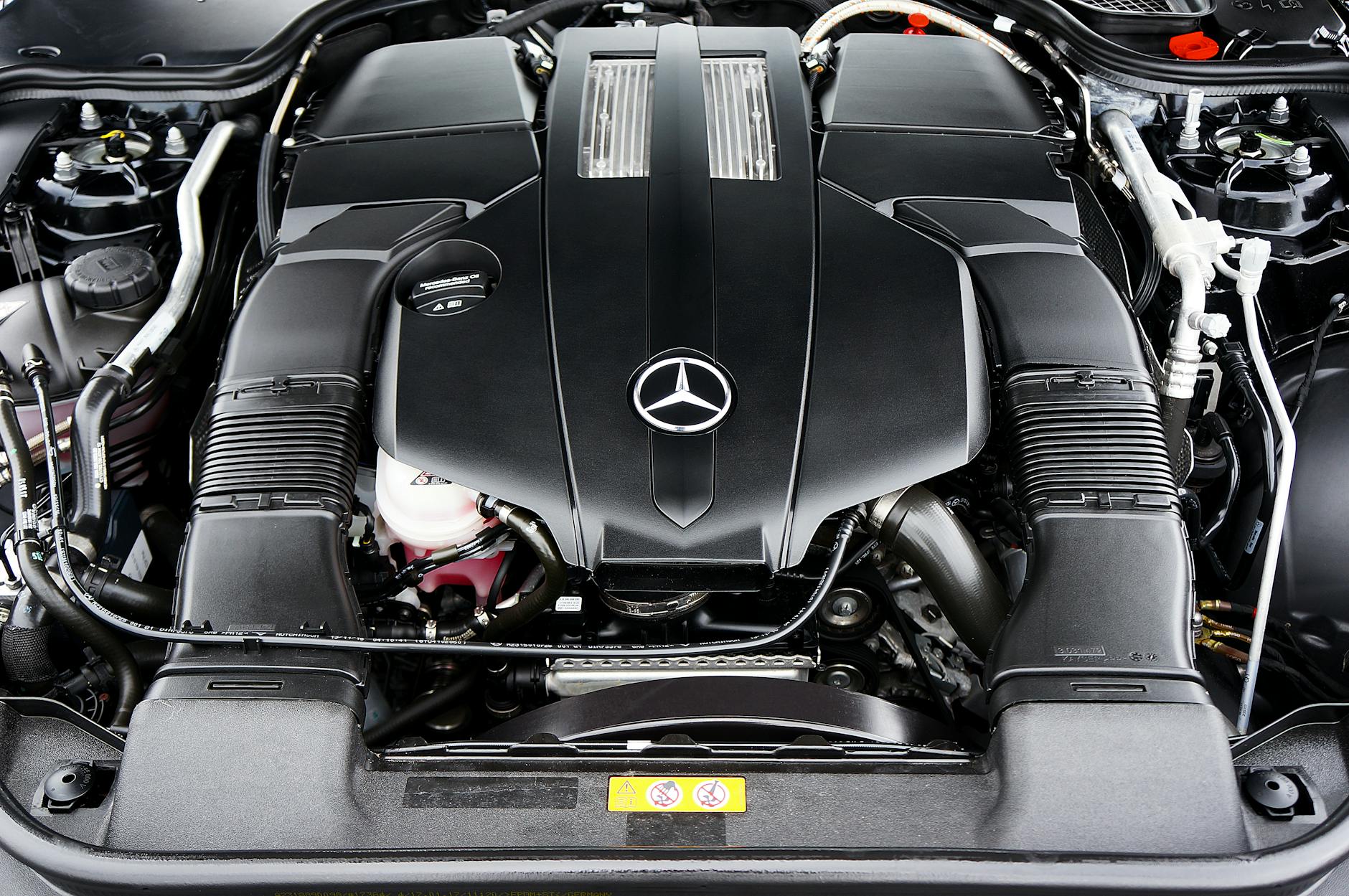
The Mercedes W205 C300 (especially early models) with the M274 2.0-litre turbo petrol engine has a known weak point that worries many owners: piston cracking. This isn’t the same as general “oil burning” or a minor misfire—you can end up with serious internal engine damage if it progresses. Because the W205 is popular across Europe and often used for commuting and motorway trips, understanding this issue helps you make smart decisions early, before repair bills become extreme.
Recommended Tool: Professional OBD2 Scanner
Recommended Tool: Cooling System Diagnostic Tools
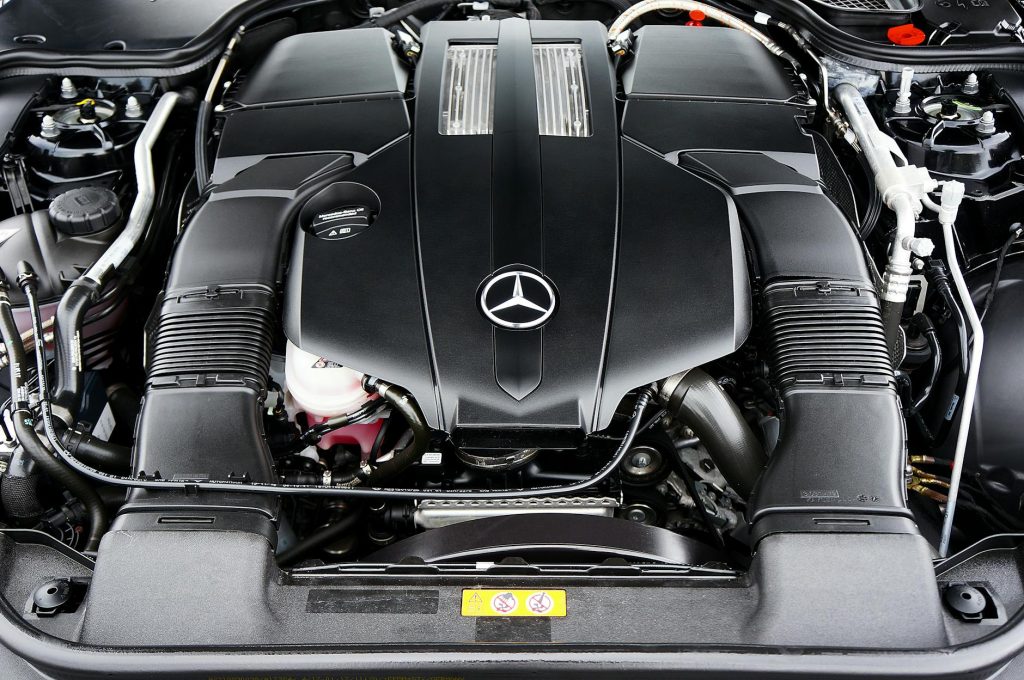
Piston cracking on the M274 tends to show up on higher-load driving, repeated short journeys, or when an underlying fueling/knock-control problem goes unnoticed. The good news is that many cases give warning signs, and modern diagnostics with Xentry can often point you in the right direction before you’re facing a full engine replacement.
Recommended Tool: Professional OBD2 Scanner
🔧 Recommended Professional Tool
Cooling System Diagnostic ToolsProfessional coolant tester and infrared thermometer for accurate overheating diagnosis.
✔ Recommended by automotive technicians ✔ Suitable for BMW, Mercedes, VAG & JLR platforms ✔ Fast international shipping
2. Causes
Pistons crack when they’re exposed to abnormal heat, pressure, or detonation (knock). On the M274, the common contributors are usually a combination rather than one single fault:
Detonation / pre-ignition (LSPI-related stress)
Turbo direct-injection petrol engines are sensitive to low-speed pre-ignition (LSPI), where combustion occurs too early under load. This creates sharp pressure spikes that can crack piston ring lands.
Fueling issues leading to lean running
If the mixture goes lean under boost, combustion temperature rises and pistons suffer. Potential triggers include:
- High-pressure fuel system issues
- Injectors with poor spray pattern
- Weak low-pressure fuel supply
- Air leaks after the MAF/MAP readings
Ignition problems that increase knock risk
Worn spark plugs, incorrect plug spec, failing coil packs, or poor grounding can increase misfire and knock events, stressing pistons over time.
Cooling and charge-air temperature control problems
Higher intake air temperatures raise knock probability. Common sources:
- Intercooler inefficiency or boost leaks
- Thermostat issues causing incorrect operating temperature
- Radiator/auxiliary cooling fan issues
ECU calibration / update history and fuel quality
Outdated software can be less tolerant to marginal fuel quality or driving patterns. Consistent use of low-octane fuel where higher octane is recommended can push the knock control system closer to its limits.
3. Symptoms
Piston cracking often starts subtly. Many owners first notice drivability changes rather than obvious mechanical noise.
Common signs include:
- Misfire under load (especially mid-range acceleration)
- Rough idle that comes and goes
- Engine warning light with stored misfire codes
- Loss of power and reduced boost feeling
- Increased oil consumption or oil smell from exhaust
- Exhaust smoke (not always present; can be intermittent)
- Rattling/knock-like sound during acceleration (serious sign)
If the piston crack worsens, you may also see repeated cylinder-specific misfires (often the same cylinder), and the car may enter limp mode.
4. How to diagnose
A proper diagnosis is crucial because replacing coils and plugs repeatedly won’t fix a cracked piston. For W205 owners, a structured approach helps avoid wasted money.
Step-by-step checks (owner-friendly overview)
-
Scan fault codes and freeze-frame data
- Use Xentry (ideal) or a high-quality scanner capable of reading Mercedes-specific data.
- Look for cylinder-specific misfire codes, fuel trim faults, and knock-related entries.
-
Review live data Useful data points include:
- Short/long fuel trims (mixture correction)
- Misfire counters per cylinder
- Boost pressure requested vs actual
- Intake air temperature and coolant temperature stability
-
Basic ignition and fueling inspection
- Confirm correct spark plugs (proper heat range and gap) and coil condition.
- Check for obvious intake/charge-air leaks (loose clamps, split hoses).
-
Compression test and leak-down test
- A cracked piston often shows low compression on the affected cylinder.
- A leak-down test helps distinguish between valve sealing issues and piston/ring problems.
-
Borescope inspection
- A borescope through the spark plug hole can sometimes reveal piston crown damage or unusual marks.
- This is one of the best “confirm before teardown” steps.
-
Oil and crankcase checks
- Look for excessive blow-by symptoms (pressure at oil cap, oily intake piping).
- Check for fuel dilution smell in oil, which can hint at injector issues contributing to the failure.
5. How to fix
The correct repair depends on how early the issue is caught.
If the piston is confirmed cracked
You’re typically looking at one of these routes:
Option A: Engine rebuild (pistons/rings, inspection of bores)
- Replace damaged piston(s) and rings.
- Inspect cylinder walls; if scored, additional machining or a replacement block may be needed.
- Replace associated wear items: bearings (as needed), head gasket, head bolts, timing components if indicated.
Option B: Replacement engine (used or remanufactured)
- Often chosen when internal damage is extensive or turnaround time matters.
- A used engine can be cheaper upfront but carries risk if history is unknown.
Address the root cause (critical)
Any piston repair without fixing the underlying contributor can lead to a repeat failure. Common “while you’re there” corrective actions:
- Replace spark plugs and any questionable coils
- Verify injector performance and consider replacement if spray pattern/fueling is suspect
- Pressure test intake and charge-air system
- Ensure coolant thermostat and cooling system operate correctly
- Update ECU software via Mercedes/Xentry where applicable
6. Repair costs
Costs vary widely across Europe by labour rate and parts availability. The ranges below are realistic for independent specialists; main dealer pricing can be higher.
Diagnostic costs
- Initial scan + road test + data review: €80–€180
- Compression/leak-down test: €150–€350
- Borescope inspection: €80–€200
Repair options
- Targeted rebuild (single piston/cylinder repair, if viable): €2,500–€4,500
(Parts €800–€1,800; labour €1,700–€2,700) - Full engine rebuild (multiple pistons, more comprehensive work): €4,500–€7,500
(Parts €1,800–€3,500; labour €2,700–€4,000) - Used engine supply and install: €3,500–€6,500
(Engine €1,800–€4,000; labour/fluids/gaskets €1,700–€2,500) - Remanufactured engine installed: €6,500–€10,000+
(Higher upfront cost, usually better warranty support)
Related “root cause” repairs (common add-ons)
- Spark plugs + coils (set, if needed): €250–€600
- Injector replacement (per injector): €250–€500 fitted
- Charge-air leak repair (hoses/clamps/intercooler work): €150–€900
7. Prevention tips
You can’t guarantee immunity, but you can significantly reduce risk and catch problems early.
- Use correct fuel quality: Follow Mercedes requirements; if the engine specifies higher octane, don’t run the minimum routinely.
- Keep to sensible oil change intervals: Shorter intervals (e.g., 10,000–12,000 km) can help with turbo DI engines that are sensitive to oil condition.
- Avoid high load at very low rpm: Don’t lug the engine in a high gear; downshift to reduce LSPI risk.
- Stay on top of plugs and ignition health: Replace spark plugs on schedule and address misfires immediately.
- Fix boost/air leaks promptly: Unmetered air and incorrect boost control can create lean or unstable combustion.
- Check for software updates: Ask a Mercedes specialist to confirm calibration status via Xentry.
8. When to see a mechanic
Book in with a Mercedes specialist quickly if:
- The same cylinder misfire keeps returning
- The car misfires under boost or during overtakes
- You notice knocking sounds during acceleration
- Fuel trims are abnormal or the car smells strongly of fuel
- Oil consumption suddenly increases
A workshop with Mercedes experience and access to Xentry is ideal, because brand-specific live data and guided tests can shorten diagnosis time and reduce guesswork.
9. Frequently Asked Questions
Frequently Asked Questions
Can I keep driving if my W205 C300 has a misfire and I suspect piston damage?
Driving with an active misfire can rapidly worsen damage, especially under load, and may harm the catalytic converter. If the misfire is persistent or returns quickly after basic ignition parts are replaced, reduce driving and arrange proper testing. Continued driving can turn a repairable issue into a full engine replacement.
Does piston cracking affect all M274 engines or only certain years?
Not every M274 will suffer piston cracking, but some production periods and usage patterns appear more prone than others. Factors like fuel quality, driving style (lugging under load), ignition condition, and calibration history play a role. A specialist can check software level and misfire history with Xentry to assess risk.
Will replacing spark plugs and coil packs fix piston cracking?
If the piston is already cracked, plugs and coils won’t solve the underlying mechanical problem. However, weak ignition components can contribute to knock and misfires that increase piston stress. It’s common to replace them as part of diagnosis and prevention, but confirmation tests (compression/leak-down/borescope) are what decide the next step.
Is a used engine a safe solution for a cracked piston on the C300?
A used engine can be cost-effective, but it depends heavily on the donor engine’s history and whether the root cause is addressed. You should budget for new fluids, seals, and often spark plugs, and verify injector and fueling health. Buying from a supplier with a meaningful warranty reduces risk.
How can I confirm piston cracking without stripping the engine?
A combination of Xentry misfire counters, compression testing, and a borescope inspection often provides strong evidence. Leak-down testing can further pinpoint whether pressure loss is past the rings/piston or through the valves. These steps usually confirm the direction before any major teardown.