1. Introduction
Front brake discs (rotors) are consumable parts on every modern European car, whether you drive a Mercedes W205 C200, a BMW 3 Series, an Audi A4, a VW Group model with DSG, or a JLR product. They convert your car’s kinetic energy into heat through friction with the brake pads, and over time the disc wears thinner. Once the disc thickness reaches the manufacturer’s minimum, braking performance and safety margins drop quickly—especially in wet weather, on long descents, or when the car is loaded.
Recommended Tool: Professional OBD2 Scanner
Recommended Tool: Premium Brake Pads
Recommended Tool: Cooling System Diagnostic Tools
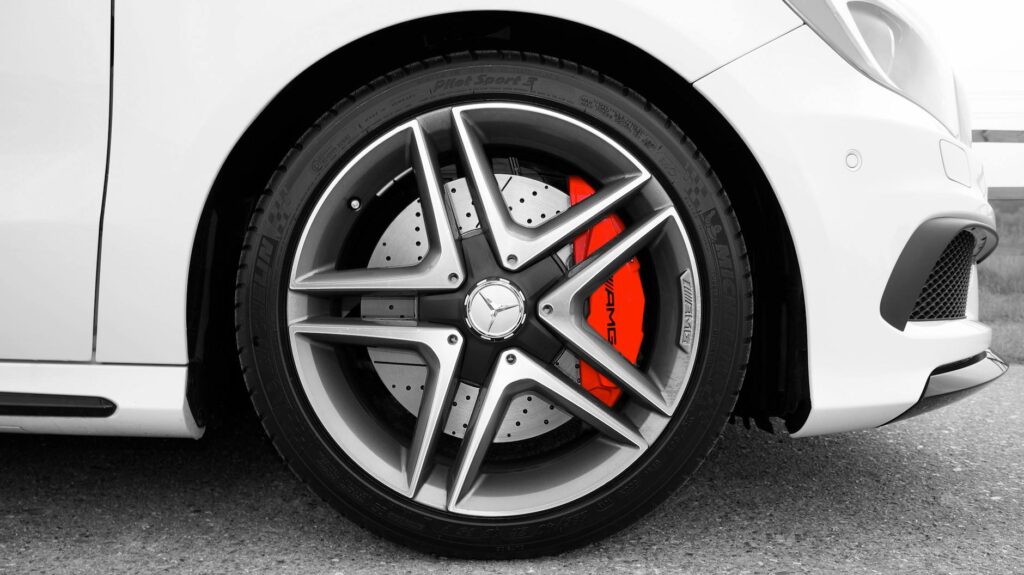
For the Mercedes W205 C200 (commonly paired with engines like the M274 petrol or OM651 diesel depending on market and year), Mercedes specifies a minimum front brake disc thickness that must not be crossed. The exact value can vary by disc size and brake package (standard vs. sport, different calipers, different rotor diameters), so the right approach is to confirm your car’s spec using the correct data source—your disc markings, parts catalog, or Mercedes workshop info via Xentry—then measure accurately.
🔧 Recommended Professional Tool
Mercedes OM651 Diesel ToolsAdvanced diesel diagnostic tools for OM651
✔ Recommended by automotive technicians ✔ Suitable for BMW, Mercedes, VAG & JLR platforms ✔ Fast international shipping
2. Causes
Front brake discs wear out faster than many owners expect, and it’s not always “bad luck.” Common causes include:
- Normal friction wear: Every brake application removes a small amount of material from pads and discs.
- Urban driving and heavy traffic: Frequent stops generate more heat cycles and more wear than motorway cruising.
- Riding the brakes downhill: Long, light braking overheats discs and accelerates wear.
- Sticky caliper sliders or piston issues: One pad drags and grinds the disc thinner on one side.
- Cheap or mismatched pads: Some pad compounds are overly abrasive, increasing disc wear.
- Corrosion and pitting: Cars parked outside, especially near the coast or in winter road-salt areas, can develop rust that “eats” the disc surface.
- Previous incorrect machining: Skimming a disc (where permitted) reduces thickness and may push it close to minimum too soon.
On a W205 C200, the front axle often does the majority of the work due to weight transfer under braking, so front discs typically reach minimum thickness before the rears.
3. Symptoms
Brake discs don’t always give dramatic warning signs until they’re overdue. Watch for:
- A lip on the outer edge of the disc (a ridge you can feel with a fingernail)
- Longer stopping distances or a less confident pedal feel
- Steering wheel vibration under braking (especially from higher speeds)
- Grinding noises (may be pad backing plate contacting the disc)
- Brake warning messages (pad wear sensors are common; disc wear is usually not directly monitored)
- Uneven pad wear (inner pad much thinner than outer can hint at caliper slider issues)
Important: vibration is often blamed on “warped discs,” but it can also come from uneven pad deposits, caliper problems, or hub corrosion causing disc runout.
4. How to diagnose
You don’t need a workshop lift to make a solid initial assessment, but accurate thickness measurement does require the right tool and access.
Check the disc’s minimum thickness spec
- Many discs have MIN TH stamped on the rotor hat or edge (e.g., “MIN TH 28.4 mm”).
- If you can’t find it, confirm using:
- Xentry/Workshop Information System for Mercedes,
- or a reputable parts catalog using your VIN.
Because W205 brake options vary, don’t assume your friend’s C-Class uses the same disc thickness.
Measure disc thickness correctly
To measure, you need a micrometer (not a tape measure). A digital caliper can work in a pinch, but micrometers are more reliable.
- Measure at least 6–8 points around the disc, about 10–15 mm in from the outer edge (avoid the lip).
- Compare the lowest reading to the minimum thickness.
- Also compare left vs. right to spot dragging calipers.
Check related factors
- Pad thickness: thin pads often accompany thin discs.
- Disc condition: cracks, heavy scoring, or deep rust pitting mean replacement even if thickness seems acceptable.
- Caliper movement: if the wheel is off, confirm sliders move freely and pads aren’t seized in the carrier.
Use diagnostics when relevant
Diagnostic tools won’t measure disc thickness, but they help confirm related issues:
- Xentry can check for ABS/ESP faults and confirm brake system configuration.
- If you also own BMW/Audi/VW/JLR, the equivalents are ISTA, ODIS, and Pathfinder/SDD to check brake-related fault codes, wheel speed sensor plausibility, and ABS hydraulic unit issues that can mimic braking concerns.
5. How to fix
If your W205 C200 front discs are at or below minimum thickness, the proper fix is straightforward: replace discs and pads as an axle set (both sides), and address any underlying cause.
Replace discs and pads (recommended approach)
- Fit new front discs + new front pads together.
- Clean the hub face thoroughly (rust and debris cause runout and vibration).
- Torque wheels properly (uneven torque can cause brake judder).
- If your car has an electronic service record, ensure the brake service is logged appropriately.
Address caliper and hardware issues
- Replace or clean/lubricate slider pins with correct high-temp brake grease.
- Replace pad fitting hardware if corroded.
- If a piston is sticking, a caliper rebuild or replacement may be necessary—especially if one disc is wearing faster.
Bedding-in
Follow the pad manufacturer’s bedding procedure. Gentle, progressive stops help transfer an even friction layer to the disc and reduce the chance of future vibration.
6. Repair costs
Costs vary by country, brand choice, and whether you use an independent specialist or main dealer. Realistic estimates for a Mercedes W205 C200 front axle:
- Front discs + pads (quality aftermarket, e.g., ATE/Textar/TRW): €220–€450 parts
- Front discs + pads (OEM or dealer-supplied): €400–€750 parts
- Labour: 1.0–2.0 hours typically, €120–€300 depending on rates
- Total typical: €350–€750 independent, €600–€1,100 dealer
If additional work is needed:
- Caliper service (pins/boots/hardware): +€50–€150
- Caliper replacement (one side): +€180–€450 parts + labour
- Brake fluid change (if due): +€60–€140
For context across brands: BMW 3 Series (often with ZF 8HP) and Audi/VW models (often with DSG) are in a similar range, while some JLR models can run higher due to parts pricing.
7. Prevention tips
You can’t prevent brake wear, but you can slow it and avoid premature disc replacement:
- Avoid riding the brakes; use engine braking on descents.
- Wash wheels and brakes in winter to reduce salt corrosion (avoid spraying cold water on hot discs).
- Use matched pad/disc brands and sensible compounds for road use.
- Fix sticking calipers early if you notice uneven pad wear or heat from one wheel.
- Torque wheels correctly after tyre changes; insist on a torque wrench, not just an impact gun.
- Don’t delay pad replacement too long—running pads very low can damage discs and heat-soak calipers.
8. When to see a mechanic
Book in with a reputable independent European specialist (or dealer) if:
- The disc is near or under minimum thickness and you can’t confirm the spec confidently.
- You feel vibration under braking, especially if it’s getting worse.
- One front wheel is much hotter than the other after a normal drive (possible dragging caliper).
- You hear grinding or metal-on-metal noises.
- The car shows ABS/ESP warnings—these need proper scanning with Xentry/ISTA/ODIS/Pathfinder/SDD and a road test.
Brakes are a safety system. If you’re unsure about measurements or installation quality, professional inspection is the smart choice.
9. Frequently Asked Questions
What is the minimum front brake disc thickness on a Mercedes W205 C200?
It depends on the exact brake package and disc size fitted to your VIN, so there isn’t one universal number for every W205 C200. Many discs have the minimum thickness stamped on them (marked as “MIN TH”). If you can’t locate it, a workshop can confirm the correct spec in Xentry and measure the discs accurately.
Can I replace only the pads if the discs are close to the minimum thickness?
It’s not recommended if the disc is close to minimum, because new pads need a healthy disc thickness and surface to bed in properly. Thin discs also have less heat capacity, which can increase fade and vibration risk. In practice, replacing discs and pads together usually gives the best result and value.
Is brake vibration always caused by worn or “warped” discs?
No—vibration can come from disc runout due to rust on the hub, uneven pad deposits, improper wheel bolt torque, or caliper slider issues. Disc thickness below minimum is a separate problem and should be addressed regardless of vibration. A proper measurement and hub cleaning during installation prevent many repeat issues.
How long do front discs usually last on a W205 C200?
Service life varies widely with driving style and environment, but many owners see front discs last roughly one to two pad sets. Frequent city driving, hills, or aggressive braking shortens life, while steady motorway driving extends it. Measuring thickness at each pad change is the best way to avoid surprises.
Can I drive if my front discs are below the minimum thickness?
It’s risky because braking performance and heat handling are reduced, and the disc is more prone to cracking under heavy use. If you suspect the discs are below minimum, avoid hard driving and arrange replacement as soon as possible. If you hear grinding, feel strong vibration, or get warning lights, stop driving and have the car recovered.