1. Introduction
If you own a Mercedes Vito/V-Class W447—especially a 116 CDI with the OM651 diesel—you may eventually face rear brake wear that feels more expensive or less confidence-inspiring than you’d like. Many vans left the factory with rear brake drums (often as a cost and durability choice for commercial duty), while others use rear discs depending on trim, payload rating, market, and options. That difference leads to a common question among everyday owners: is it worth converting the rear brakes from drums to discs, and what parts do you actually need?
Recommended Tool: Professional OBD2 Scanner
Recommended Tool: Premium Brake Pads
Recommended Tool: OEM Suspension Components
This post explains why people consider the conversion, how to confirm what’s fitted on your van, what’s involved mechanically and electronically, and what it realistically costs in Europe. The goal is practical decision-making—whether you maintain your W447 at an independent specialist, at the dealer using Xentry, or you do light DIY and leave coding and brake bleeding to a pro.
🔧 Recommended Professional Tool
Mercedes OM651 Diesel ToolsAdvanced diesel diagnostic tools for OM651
✔ Recommended by automotive technicians ✔ Suitable for BMW, Mercedes, VAG & JLR platforms ✔ Fast international shipping
2. Causes
There isn’t usually a “problem” with drums that forces a conversion, but there are common reasons owners look into it:
- Brake feel and consistency: Discs typically deliver more consistent pedal feel, especially after repeated stops or in wet conditions.
- Service convenience: Pads and discs are generally quicker to inspect and replace than drum shoes and hardware.
- Heat management: Disc brakes shed heat more effectively than drums, useful for hilly routes, towing, or high-load use.
- Parts availability and preference: Some owners find better choice (brands/grades) in disc components than drum assemblies.
- Upgrades and retrofits: Fleet vans sometimes get repurposed into camper builds; owners upgrading wheels/tyres or suspension sometimes prefer discs for predictable braking.
That said, Mercedes engineered drum setups to be robust and low-maintenance for certain duty cycles. The “cause” is often expectation and usage changing, not a defect.
3. Symptoms
If you’re considering conversion because something feels off, check whether you’re actually dealing with normal wear or a specific fault. Common rear-brake symptoms on W447 models include:
- Handbrake (parking brake) feels weak or requires excessive lever/pedal travel
- Grinding or scraping from the rear (often shoe lining worn down, or dust/debris)
- Pulsation or vibration under braking (can still be rear-related, but also front discs)
- Poor braking in rain for the first stop or two
- Uneven rear brake performance (left/right imbalance on a brake test)
- Brake warning lights (ABS/ESP) when a wheel speed sensor or tone ring is affected during brake work
A conversion won’t automatically “fix” underlying faults like seized wheel cylinders, sticking cables, or ABS sensor issues—those need diagnosis first.
4. How to diagnose
Confirm what you have
Before buying parts, verify whether your W447 is already equipped with rear discs:
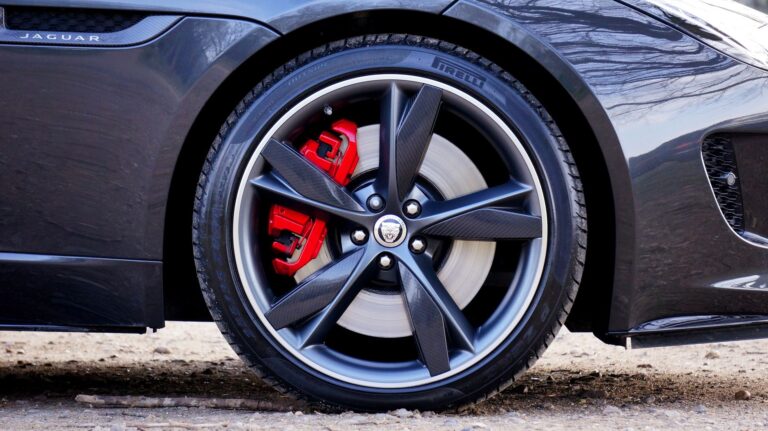
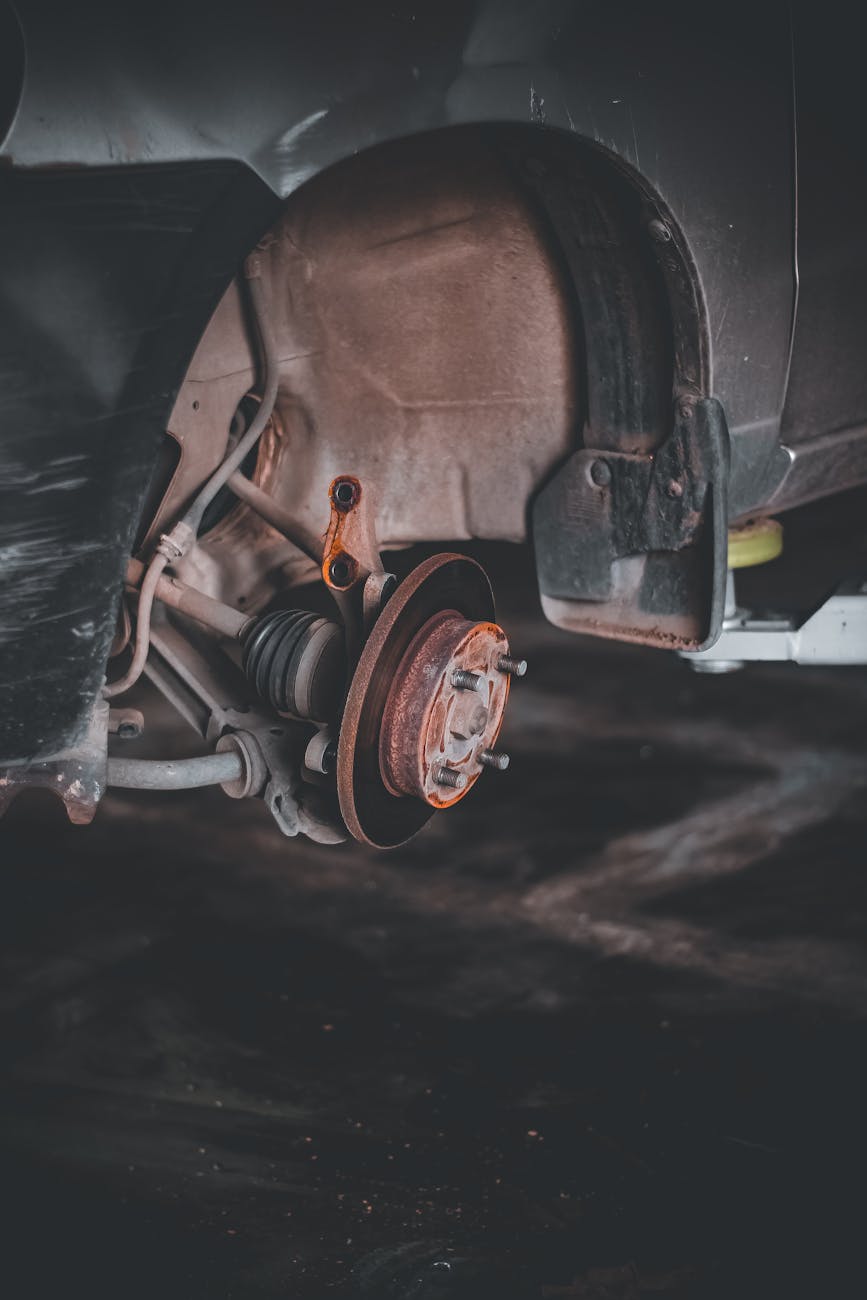
- Look through the rear wheel: disc brakes show a visible rotor and caliper; drums look like a closed metal “pot.”
- Check your VIN build data (dealer or specialist can pull it).
- Use Xentry to check brake system configuration and any relevant coding options (especially if the van has advanced ESP/ABS variants).
Check the current brake condition
Even if you plan a conversion, it’s wise to establish a baseline:
- Visual inspection: leaks at wheel cylinders (drums), torn dust boots, damaged cables, corrosion.
- Parking brake test: ensure the mechanism moves freely and releases fully.
- Brake balance test: many TÜV/MOT stations can provide readings; imbalance can hint at seized components.
- Fault code scan: with Xentry (or a high-end aftermarket scanner that supports Mercedes ABS/ESP modules), look for wheel speed sensor faults, implausible signals, or brake pressure sensor issues.
If you have drivetrain variants (manual or 7G-TRONIC/9G-TRONIC depending on exact W447 spec), it doesn’t directly change rear brakes, but the ESP coding and axle assemblies can.
5. How to fix
A proper drum-to-disc conversion is more than swapping the visible parts. The cleanest route is to replicate the factory disc-brake setup for your axle and payload rating.
Parts you typically need (rear drum to rear disc)
Exact part numbers vary by VIN, axle code, and brake diameter, but a typical list includes:
- Rear brake calipers (left/right) with carrier brackets
- Rear brake discs (rotors) (size must match carrier/caliper setup)
- Rear brake pads plus anti-rattle clips/hardware
- Rear hub/bearing or hub flange (if required) depending on drum design and how the disc mounts
- Back plates / splash shields for rear discs
- Flexible brake hoses (sometimes different banjo/flare fitting lengths)
- Parking brake solution
- Many disc setups use a drum-in-hat parking brake inside the disc rotor; that requires:
- parking brake shoes
- springs/adjusters
- parking brake backing plate compatible with the shoes
- Some conversions require updated parking brake cables to suit the disc-style mechanism
- ABS tone ring / wheel speed sensor compatibility items
- On some designs the tone ring is integrated in the hub/bearing assembly; ensure your new hub matches the sensor type.
- Fasteners and consumables
- caliper bolts (often torque-to-yield on some platforms)
- thread locker as specified
- brake fluid (DOT 4 / as per cap and spec)
- Optional but recommended
- new wheel bearings if hubs are being replaced
- new brake lines if corrosion is present
- alignment check if major rear components are disturbed
Coding and system setup
Mechanically fitting parts is only half the job:
- Bleeding the brake system is mandatory. Many modern ABS/ESP systems benefit from a guided bleed routine; on Mercedes, Xentry can run bleeding/actuation procedures if needed.
- ESP/ABS coding may be required if the control unit expects a different brake configuration or if brake pressure/response changes are outside expected parameters.
- After work, do a controlled bedding-in process and re-check for leaks, dragging, or abnormal heat.
Practical advice
If you want the least hassle, source a complete rear disc setup from:
- a donor W447 with factory rear discs (matching axle rating), or
- new OEM/OE-quality components cross-checked by VIN at a Mercedes parts desk.
Mix-and-match conversions often create issues with parking brake function, ABS sensor gaps, or caliper/disc mismatch.
6. Repair costs
Costs vary heavily by country, parts choice (OEM vs quality aftermarket), and whether additional hub/parking-brake components are needed.
Typical European cost ranges (parts + labour):
- Parts (basic conversion kit quality aftermarket/OE): €600–€1,200
- Parts (OEM Mercedes, full correct setup): €1,200–€2,200
- Labour (independent specialist): €300–€700 (3–6 hours typical)
- Labour (dealer): €600–€1,200 (higher hourly rate + coding procedures)
Realistic total:
- Independent, mixed OE-quality parts: €900–€1,700
- Dealer/OEM-heavy approach: €1,800–€3,400
Add €80–€150 for brake fluid service, and potentially €150–€400 extra if hubs/bearings, parking brake cables, or seized fasteners complicate the job.
7. Prevention tips
Whether you stay with drums or convert to discs, these habits reduce brake headaches:
- Flush brake fluid every 2 years (moisture causes corrosion and poor pedal feel).
- Use the parking brake regularly to keep mechanisms moving freely.
- Rinse winter salt from underbody and rear hubs; corrosion is a big enemy on vans.
- Don’t ignore dragging brakes: heat and smell after a drive can mean sticking cables or calipers.
- Choose reputable friction parts: bargain pads/shoes can be noisy, dusty, and inconsistent.
8. When to see a mechanic
You should involve a professional if:
- Your van has ABS/ESP warnings or stored faults that return after clearing.
- The parking brake is weak and adjustment doesn’t hold—this can indicate worn cables, seized pivots, or incorrect hardware.
- You’re unsure about axle ratings or brake sizing; fitting the wrong rear setup can affect stability control behaviour and braking balance.
- You don’t have the tools for safe brake bleeding (and ideally Xentry-guided routines).
- The van is used for commercial loads or towing—braking is safety-critical, and insurance/inspection standards matter.
A good Mercedes independent with Xentry access is often the sweet spot: correct diagnosis and coding, but usually lower labour costs than a dealer.
9. Frequently Asked Questions
Frequently Asked Questions
Can I convert a Mercedes Vito W447 116 CDI from rear drums to rear discs without coding?
Sometimes the van will function mechanically, but it’s not guaranteed. If the ESP/ABS module is expecting a different rear brake behaviour or hardware, you may get faults or sub-optimal stability control. Plan for coding and checks with Xentry to be safe.
Will rear discs improve braking performance on my W447?
You’ll usually notice more consistent response, especially in wet conditions and during repeated braking. Absolute stopping distance is often limited by tyres and front braking contribution, so the improvement can be subtle in normal driving. The bigger benefit is feel, serviceability, and heat handling under load.
Do I need to change the parking brake system during the conversion?
In most proper conversions, yes. Rear disc setups typically use a drum-in-hat parking brake, requiring shoes, springs, adjusters, and compatible backing plates, and sometimes different cables. Keeping the original drum parking brake parts rarely works because the architecture is different.
Is it cheaper to refurbish the rear drums instead of converting?
Almost always, yes. Replacing shoes, hardware, wheel cylinders (if fitted), and drums typically costs far less than a full conversion. Conversion makes sense when you value easier servicing, improved consistency, or you’re already replacing multiple drum components repeatedly.
What’s the biggest “gotcha” when buying parts for a W447 conversion?
Mismatch between hubs/tone rings/sensors and the disc brake hardware is a common issue, as is ordering the wrong disc diameter for the caliper carrier. The safest approach is to source parts by VIN for a factory disc-equipped W447 with the same axle rating. If in doubt, have a specialist confirm compatibility before ordering.