1. Introduction
Air suspension has become common on modern European SUVs because it delivers a smooth ride, adjustable height, and better towing stability. On the Mercedes GLE W167 350d (OM656 diesel), the AIRMATIC system can feel impressive when it’s working properly—especially on long motorway trips or when leveling the car with passengers and luggage. But as the vehicle ages, owners start weighing a familiar decision: repair the air suspension, or convert to conventional coil springs.
Recommended Tool: Professional OBD2 Scanner
Recommended Tool: Cooling System Diagnostic Tools
Recommended Tool: OEM Suspension Components
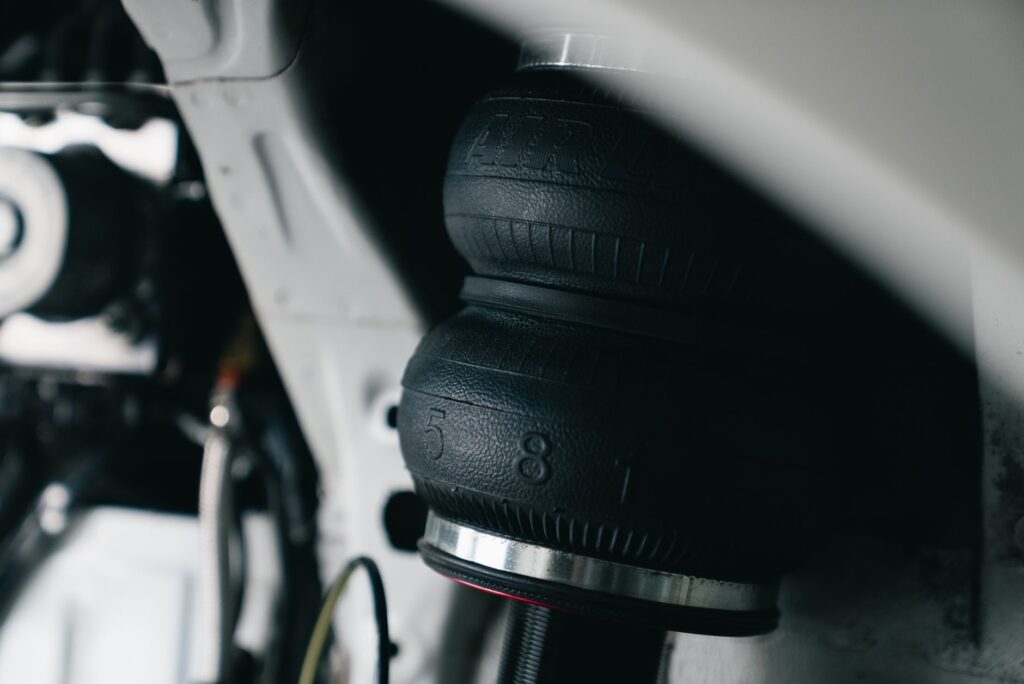
This article explains the practical differences between maintaining the factory air suspension and doing a coil conversion. It’s written for everyday owners of Mercedes, BMW, Audi/VW Group, and JLR vehicles—people who want clear expectations on reliability, diagnostics, drivability, and costs.
🔧 Recommended Professional Tool
Cooling System Diagnostic ToolsProfessional coolant tester and infrared thermometer for accurate overheating diagnosis.
✔ Recommended by automotive technicians ✔ Suitable for BMW, Mercedes, VAG & JLR platforms ✔ Fast international shipping
2. Causes
Owners usually consider a coil conversion for one of these reasons:
Air suspension wear and failure points
Air systems are reliable when new, but they have multiple components that can age at different rates:
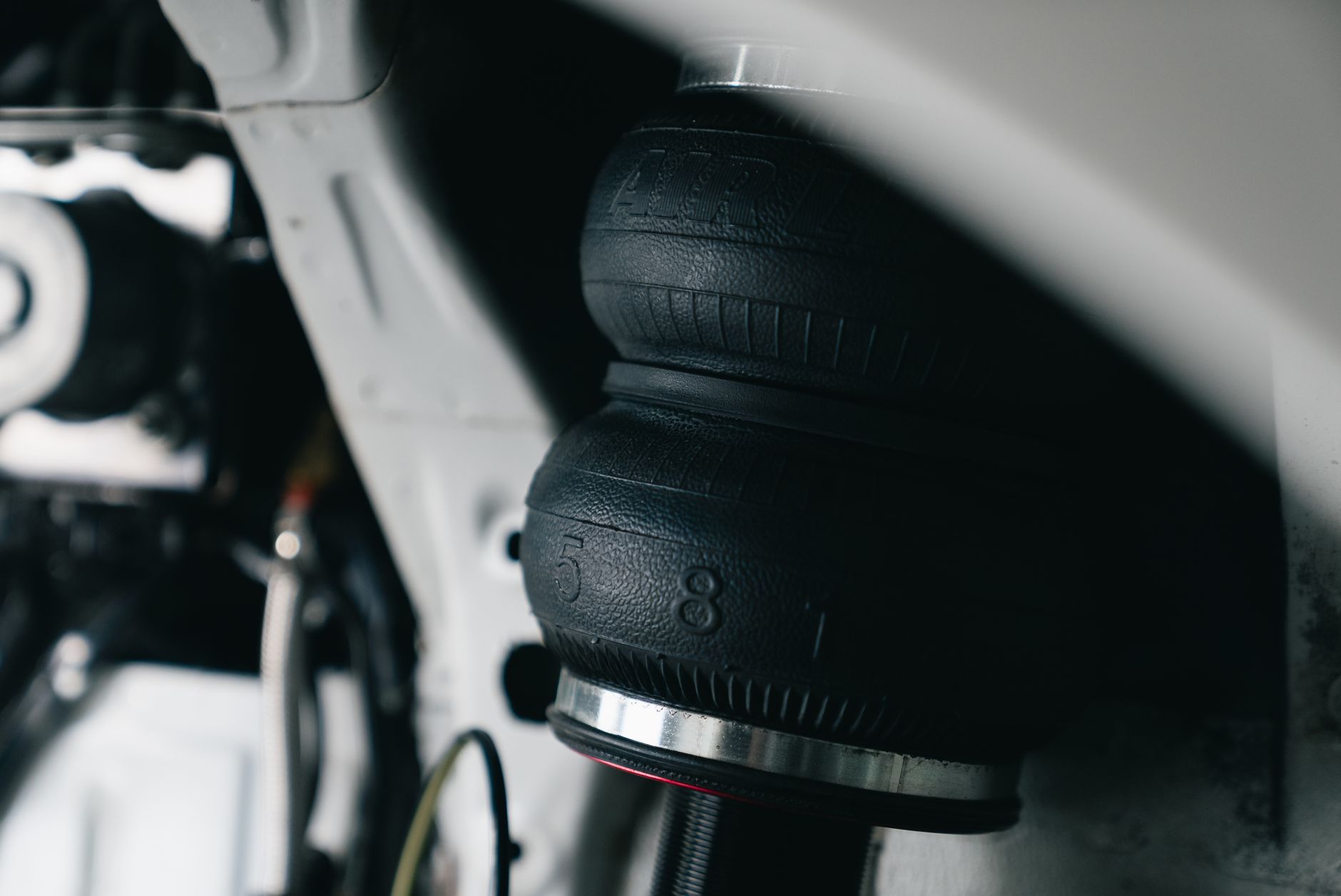
- Air struts/air springs: rubber bellows crack or develop micro-leaks
- Valve block: internal valves stick or leak, causing uneven height
- Compressor: wears out from overwork (often due to slow leaks elsewhere)
- Air lines and fittings: small leaks, especially after repairs or corrosion
- Height sensors/linkages: can fail or seize, creating incorrect leveling
- Control module/software issues: less common, but faults can trigger limp logic
Ownership and usage factors that accelerate issues
- Frequent short trips with repeated leveling cycles
- Heavy loading or towing that keeps the system working harder
- Winter road salt leading to corrosion on fittings and sensor linkages
- Prior accident repairs or underbody work causing disturbed air lines
Why coil conversions appeal
- Fewer components, less complexity
- Less risk of a sudden “dropped corner” overnight
- Predictable long-term running costs for high-mileage drivers
3. Symptoms
AIRMATIC problems on a GLE W167 often show up in obvious, day-to-day ways:
Ride height and stance issues
- One corner sitting lower after parking overnight
- Rear end sagging under load more than normal
- Car raising slowly, or failing to reach normal height
Warning messages and drivability changes
- “AIRMATIC malfunction” or suspension warning in the cluster
- Reduced ride comfort or unusually stiff/floaty behavior
- Compressor running loudly or more frequently than before
Secondary effects
- Uneven tyre wear due to altered alignment at incorrect ride height
- Headlight leveling irregularities (on vehicles where leveling is linked)
- Handling changes, especially on motorway lane changes
4. How to diagnose
Before deciding repair vs conversion, get a proper diagnosis. Guessing often leads to replacing the wrong parts.
Start with basic checks
- Park on level ground, measure wheel arch heights, then re-check after 8–12 hours
- Listen for compressor activity after unlocking or starting
- Inspect visible air lines and the strut bellows for cracks or rubbing marks
Use proper diagnostic tools
On Mercedes, Xentry is the correct platform for guided tests and live data. A general OBD reader may only show generic faults and miss actuator tests.
- Read fault codes in the suspension control module
- Check requested vs actual ride height and sensor values
- Run actuator tests: compressor activation, valve block control, filling/venting
For owners coming from other brands: BMW ISTA, VAG ODIS, and JLR Pathfinder/SDD follow similar logic—fault codes plus live data plus component activation is the reliable approach.
Leak testing matters
A common error is replacing the compressor when the real issue is a small leak.
- Use soapy water on fittings/lines where accessible (bubbles reveal leaks)
- If available, a smoke test or pressure decay test can pinpoint slow leaks
- Check whether the compressor is overheating or exceeding run-time limits (often logged)
5. How to fix
Your options fall into two categories: restore AIRMATIC, or convert to coils.
Option A: Repair the factory air suspension (recommended for most owners)
A good repair plan addresses the root cause, not just symptoms:
- Replace leaking air strut(s): Often done in pairs on the same axle for balanced behavior
- Replace valve block if uneven leveling or venting/filling faults are present
- Replace compressor and relay if it’s weak, noisy, or time-limited due to wear
- Renew air lines/fittings if leaks are confirmed or corrosion is visible
- Calibrate ride height after parts replacement using Xentry
This keeps the car operating as designed: comfort modes, height adjustment, load leveling, and integration with stability control.
Option B: Coil conversion (what it involves in real life)
A coil conversion typically replaces:
- Air struts with coil spring struts (front) and coil springs/dampers (rear), depending on kit design
- Mounts, bump stops, and sometimes updated links/brackets
- Electrical “bypass” components or coding changes to prevent constant warning lights
Key practical points:
- You may lose ride height adjustment, lowering/raising functions, and some towing/load leveling behavior.
- The car can feel slightly different over broken surfaces; whether it’s better depends on kit quality and expectations.
- Coding and compatibility matters. Some conversions rely on resistors or modules; others require coding changes that not every shop will support.
If the GLE is used for towing, frequent heavy loads, or you value factory ride comfort, repairing AIRMATIC is usually the better ownership experience.
6. Repair costs
Prices vary widely by country and labor rate, but these ranges reflect typical European independent specialist pricing (parts + labor). Dealer costs can be higher.
Repairing AIRMATIC (typical ranges)
- Single air strut replacement (one corner): €900–€1,800
- Pair of air struts (same axle): €1,700–€3,400
- Compressor replacement: €700–€1,500
- Valve block replacement: €500–€1,200
- Height sensor replacement and calibration: €250–€600
- Diagnostic session with Xentry + leak test: €120–€250
If the compressor failed because of a leak, expect a combined repair (for example, strut + compressor) in the €1,600–€3,000 range.
Coil conversion (typical ranges)
- Complete coil conversion kit + installation: €1,500–€3,500
- Coding/warning light suppression solutions (if needed): €150–€500
Be cautious of very cheap kits. The initial saving can disappear if ride quality is poor or the car needs repeated alignment work.
7. Prevention tips
You can extend air suspension life and reduce surprise failures with a few habits:
- Fix small leaks early: A slow leak makes the compressor overwork and fail sooner.
- Keep the underbody clean in winter: Rinse salt from sensor linkages and fittings.
- Avoid jacking mistakes: Improper lifting can strain air lines or sensors; use correct points.
- Don’t ignore new noises: A louder compressor often means it’s compensating for a leak.
- Get periodic diagnostic scans: A quick Xentry check can reveal stored faults before symptoms worsen.
- Maintain tyres and alignment: Incorrect geometry puts extra load on suspension components and masks early warning signs.
8. When to see a mechanic
Book a specialist (ideally one with Mercedes/Xentry capability) if:
- The car drops on one side or one corner repeatedly
- Suspension warnings appear and ride height changes stop working
- The compressor runs frequently or sounds strained
- You notice uneven tyre wear or steering pull after a height issue
- You’re considering a coil conversion and want a realistic assessment of trade-offs
A good workshop will confirm leaks, read live data, and explain whether targeted repairs make more sense than a full conversion.
9. Frequently Asked Questions
Frequently Asked Questions
Is a coil conversion on a Mercedes GLE W167 350d a good idea for long-term ownership?
It can be if you prioritize simplicity and plan to keep the car at high mileage. However, you will usually lose height adjustment and some of the factory refinement. For many owners, repairing AIRMATIC provides the best day-to-day comfort and resale appeal.
Will a coil conversion remove suspension warning lights completely?
Not always. Some kits include modules or resistors to prevent warnings, while others require coding changes that may vary by model year and software level. A workshop with Xentry experience can confirm what’s possible on your specific vehicle.
What usually fails first on AIRMATIC systems?
Air struts and small leaks are common starting points, which then cause the compressor to overwork. Valve blocks and height sensors can also fail, but they are less predictable. Proper leak testing helps avoid replacing good parts.
Can I drive if the car is sitting low on one corner?
It’s risky. The tyre can rub, handling can be unpredictable, and the compressor may run continuously trying to correct the height. If it’s significantly low, it’s safer to stop and have it inspected or recovered.
Does repairing AIRMATIC require calibration?
Yes in most cases. After replacing struts, sensors, or valve components, the system should be calibrated so the control module knows the correct reference heights. Xentry guided functions are the standard method for this on Mercedes.