1. Introduction
Mercedes’ AIRMATIC air suspension on the GLE W166 is designed to deliver two things everyday owners care about: comfort on rough roads and a level, controlled stance when the car is loaded or towing. When it’s working properly, it’s one of the best-feeling SUVs in its class. When it starts failing, though, you may notice the car sagging overnight, riding harshly, or throwing suspension warnings that can quickly turn from an annoyance into an expensive breakdown.
Recommended Tool: Professional OBD2 Scanner
Recommended Tool: Portable Jump Starter
Recommended Tool: Cooling System Diagnostic Tools
This article explains the most common AIRMATIC failure points on the Mercedes GLE W166, what symptoms to watch for, how diagnosis is typically done (including Xentry), and what repair options and costs look like in Europe. It’s aimed at owners—not mechanics—so you can make informed decisions before authorising work.
🔧 Recommended Professional Tool
Cooling System Diagnostic ToolsProfessional coolant tester and infrared thermometer for accurate overheating diagnosis.
✔ Recommended by automotive technicians ✔ Suitable for BMW, Mercedes, VAG & JLR platforms ✔ Fast international shipping
2. Causes
AIRMATIC failures on the W166 usually come down to air leaks, compressor issues, or control/valve problems. The system is reliable when maintained, but age, mileage, and European weather conditions (salt, moisture, temperature swings) take their toll.
Common causes on the W166
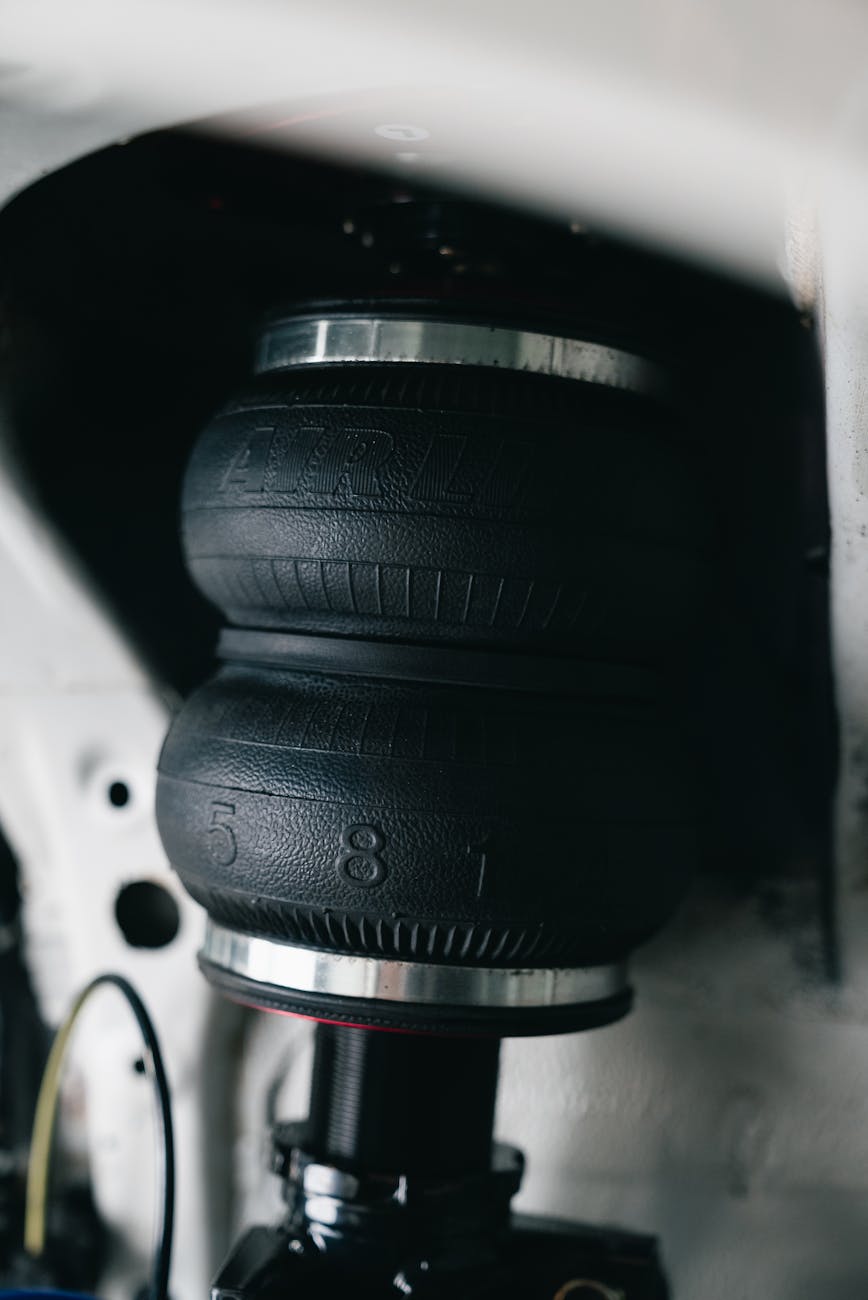
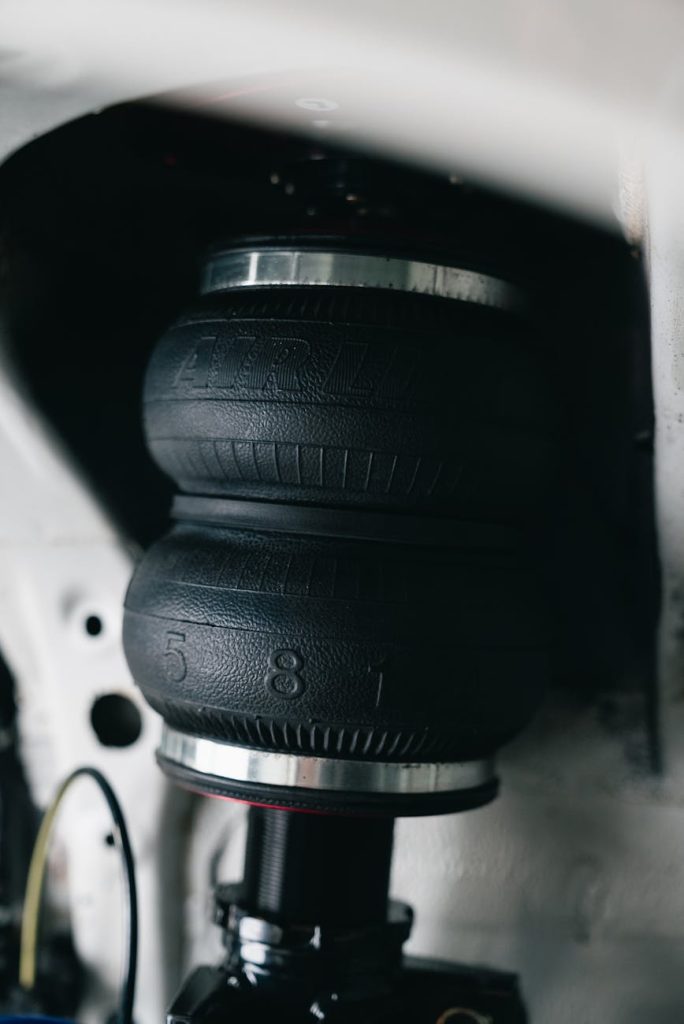
- Leaking air struts (air springs integrated with dampers)
Rubber bellows crack with age, or the top seal begins to leak. Front struts often go first due to steering movement and road spray. - Leaking air lines or fittings
Small leaks at push-fit connectors, chafed lines, or corrosion around mounting points can cause slow overnight sinking. - Valve block (distribution valve) sticking or leaking internally
This can let air migrate between corners or bleed off when parked. - Compressor wear or overheating
A weak compressor may still run but struggle to reach target pressure. If it’s running too often (because of a leak), it can burn out. - Compressor relay or power supply issues
Some failures are electrical rather than mechanical, including relay contacts overheating. - Height sensors and linkage problems
Bent link rods, corrosion, or sensor faults can cause incorrect ride height readings and erratic adjustment. - Moisture contamination in the system
A saturated dryer cartridge allows moisture to circulate, contributing to valve block issues and internal corrosion.
3. Symptoms
AIRMATIC problems tend to show up gradually. Catching them early can mean replacing a seal or dryer rather than a compressor and multiple struts.
Typical owner-noticeable symptoms
- Car sinks at one corner overnight, or the whole vehicle drops after parking
- “AIRMATIC malfunction” / suspension warning on the dash, often with a “Visit workshop” message
- Uneven ride height (front low, rear low, or one side lower)
- Compressor running frequently or running for a long time after startup
- Harsh, bouncy, or unsettled ride, especially if the system locks into a fail-safe mode
- Limited height adjustment or suspension stuck in one level
- Hissing sound near a wheel arch or under the vehicle (leak)
- Increased tyre wear due to incorrect ride height and alignment changes
4. How to diagnose
A proper diagnosis matters because replacing the wrong part is common with air suspension. Many issues share the same symptom: the car is low. The goal is to identify whether the system is losing air, failing to generate air, or being incorrectly commanded.
Step-by-step diagnosis approach
Visual and basic checks
- Park on level ground and measure ride height at all four corners (wheel arch to ground), then recheck after several hours.
- Inspect each air strut area for obvious cracks in the rubber bellows, especially with the suspension raised.
- Listen for leaks after shutting the car off—hissing near a corner is a strong clue.
- Check the battery condition. Low voltage can cause compressor and control module errors.
Scan tool diagnostics (recommended)
Using Mercedes Xentry (or a high-quality equivalent), a workshop can:
- Read fault codes from the AIRMATIC control unit and related modules.
- Check actual vs. target ride height values per corner.
- Run actuation tests (command the compressor, open/close valves, raise/lower).
- View compressor run time, pressure build behaviour, and thermal protection events.
Leak testing
- A workshop may use soapy water on fittings/struts to find bubbles.
- More thorough testing uses smoke or ultrasonic leak detection.
- The system can be isolated corner-by-corner through the valve block to see if a particular strut leaks down.
Compressor health checks
- Measure how quickly pressure builds and whether the compressor reaches specified pressure without excessive run time.
- Inspect the dryer condition if accessible; a clogged dryer makes the compressor work harder.
5. How to fix
Fixes depend on what failed and whether you want an OE-level repair or a cost-controlled solution. The key is to address the root cause—replacing a compressor without fixing leaks often leads to a second failure.
Common repairs
1) Replace a leaking air strut
- Most common long-term fix for a sinking corner.
- Consider replacing in pairs (left/right) if mileage is high, to keep damping balanced.
2) Repair/replace leaking air line or fitting
- Often cheaper than a strut and can fully solve slow leaks.
- Ensure routing is correct to prevent chafing.
3) Replace or reseal the valve block
- Helps with overnight sinking that moves between corners or inconsistent height control.
- Some valve blocks can be resealed, but many workshops replace the unit for reliability.
4) Replace the compressor and dryer cartridge
- If the compressor is noisy, weak, or overheating, replacement is common.
- Replacing the dryer (or the compressor assembly that includes it) is important to prevent moisture-related repeat failures.
5) Replace height sensor or linkage
- If Xentry shows implausible height values or a sensor fault, this is often straightforward.
- After replacement, calibration/teach-in is typically required.
After repair: calibration and alignment
- AIRMATIC repairs often require ride height calibration in Xentry.
- If ride height was incorrect for a period, it’s smart to perform a wheel alignment to protect tyres and handling.
6. Repair costs
Costs vary by country, labour rate, and whether you choose genuine Mercedes parts, OEM equivalents, or aftermarket. Below are realistic European ranges (parts + labour).
- Air strut (one corner): €900–€1,800
(Aftermarket/OEM equivalent at the lower end; genuine Mercedes at the higher end) - Two air struts (same axle): €1,800–€3,400
- Compressor + dryer: €700–€1,500
(Add diagnostic time if the root cause is unclear) - Valve block: €450–€1,000
- Air line / fitting repair: €150–€450
- Height sensor: €200–€450 per sensor
- Xentry diagnostics + calibration: €120–€300
- Wheel alignment (recommended after height issues): €90–€180
A common real-world scenario is: one leaking front strut causes the compressor to overwork, leading to strut + compressor replacement. That combined job often lands in the €1,600–€3,000 range depending on parts choice and local labour.
7. Prevention tips
AIRMATIC can last a long time if you reduce strain and catch small issues early.
- Don’t ignore slow sinking: A minor leak today can destroy the compressor next month.
- Keep the underbody clean in winter: Salt accelerates corrosion at fittings and connectors.
- Listen to compressor behaviour: If it runs often or sounds strained, get it checked.
- Avoid lifting the vehicle incorrectly: Improper jack/lift use can stress air lines and struts.
- Maintain a healthy battery: Low voltage can trigger suspension faults and confuse diagnosis.
- Use the suspension modes sensibly: Constantly driving at the highest setting increases stress and can shorten component life.
8. When to see a mechanic
You can observe and document symptoms yourself, but diagnosis and repair are usually best done by a workshop familiar with Mercedes systems and Xentry.
See a mechanic promptly if:
- The car is significantly low on one corner or dragging underbody parts
- AIRMATIC warnings appear repeatedly or the suspension enters fail-safe
- The compressor runs for long periods or you smell hot electrical/overheated components
- The ride becomes unstable, bouncy, or unpredictable (safety concern)
- You are planning a long trip or towing—air suspension problems rarely improve on their own
Choosing a workshop with Mercedes Xentry access (or proven equivalent capability) improves the odds of fixing the correct part the first time.
9. Frequently Asked Questions
Frequently Asked Questions
Can I drive my Mercedes GLE W166 if AIRMATIC has failed and the car is low?
If the car is only slightly low and handling feels normal, short trips to a workshop may be possible, but avoid high speeds and heavy loads. If it’s severely sagging, rubbing tyres, or the ride feels unstable, it’s safer to stop and arrange recovery to prevent damage.
Why does my GLE sink overnight but rises again after I start it?
That pattern usually indicates an air leak (often a strut, fitting, or valve block) that lets pressure bleed off while parked. The compressor can temporarily compensate on startup, but it will be working harder than designed and may fail if the leak isn’t fixed.
Is it better to replace one air strut or both on the same axle?
Replacing one is acceptable if the other side is in good condition and mileage is modest. On higher-mileage vehicles, replacing both on the same axle often gives a more consistent ride and reduces the chance of the second strut failing soon after.
Will replacing the compressor fix the issue if the car keeps dropping?
Not always. A new compressor won’t stop the car from dropping if the root problem is a leak; it may just mask the symptom until it overheats again. Proper diagnosis with Xentry and leak testing is important before approving a compressor replacement.
Do AIRMATIC repairs require coding or calibration?
Many repairs require calibration of ride height and system checks using Xentry to ensure the control unit knows the correct reference points. Skipping calibration can cause uneven height, warning lights, or poor handling even if the hardware is new.