1. Introduction
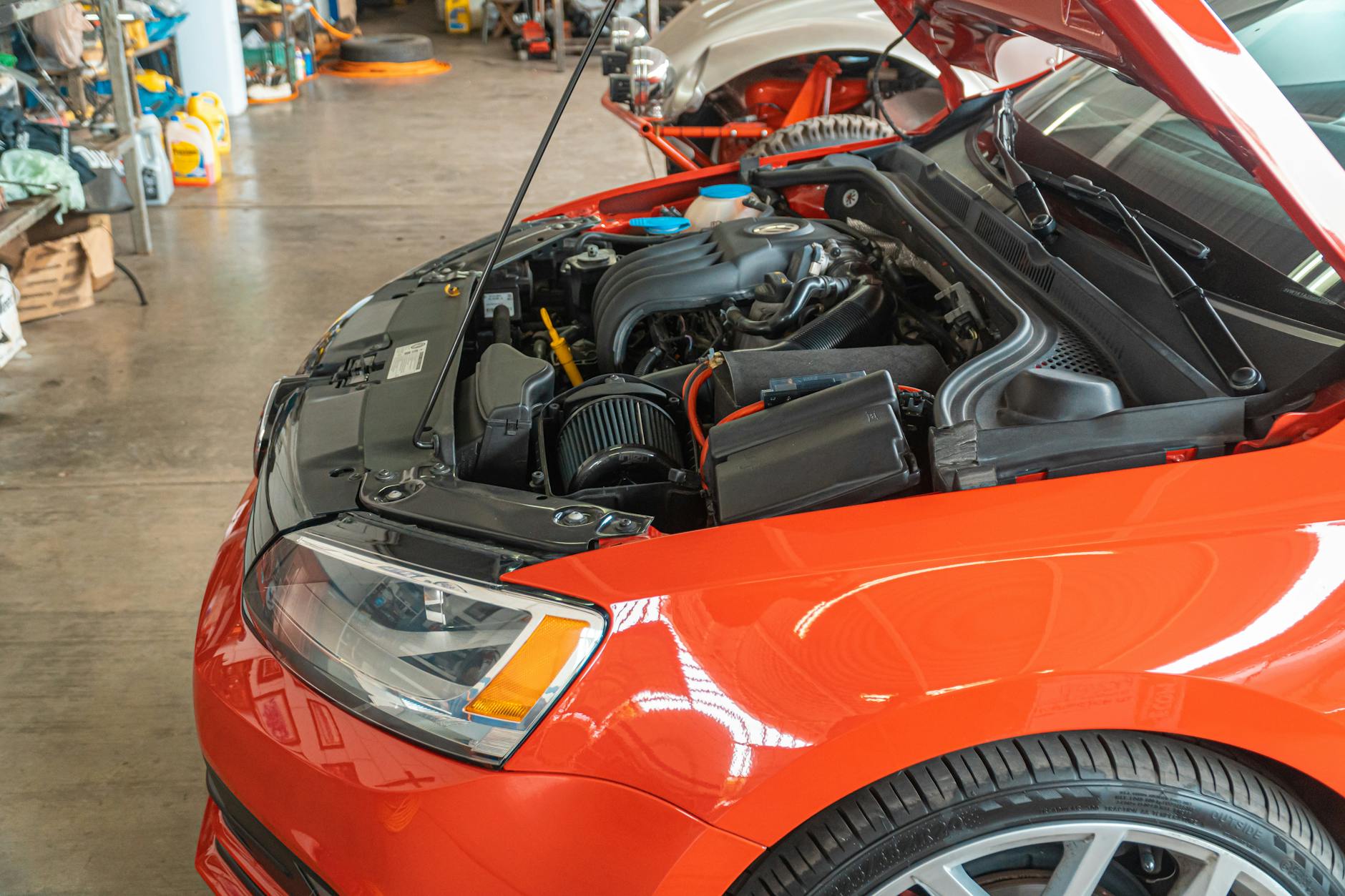
If you drive a Mercedes E220d with the OM654 diesel engine, the AdBlue (SCR) system is a key part of keeping emissions low and the car legally compliant. When it fails, the car may warn you of an “AdBlue system malfunction,” show an emissions warning light, or even start a countdown to “no start in X km.” For everyday owners, the confusing part is that the car can still seem to drive normally—until it doesn’t.
Recommended Tool: Professional OBD2 Scanner
Recommended Tool: Transmission Diagnostic Tools
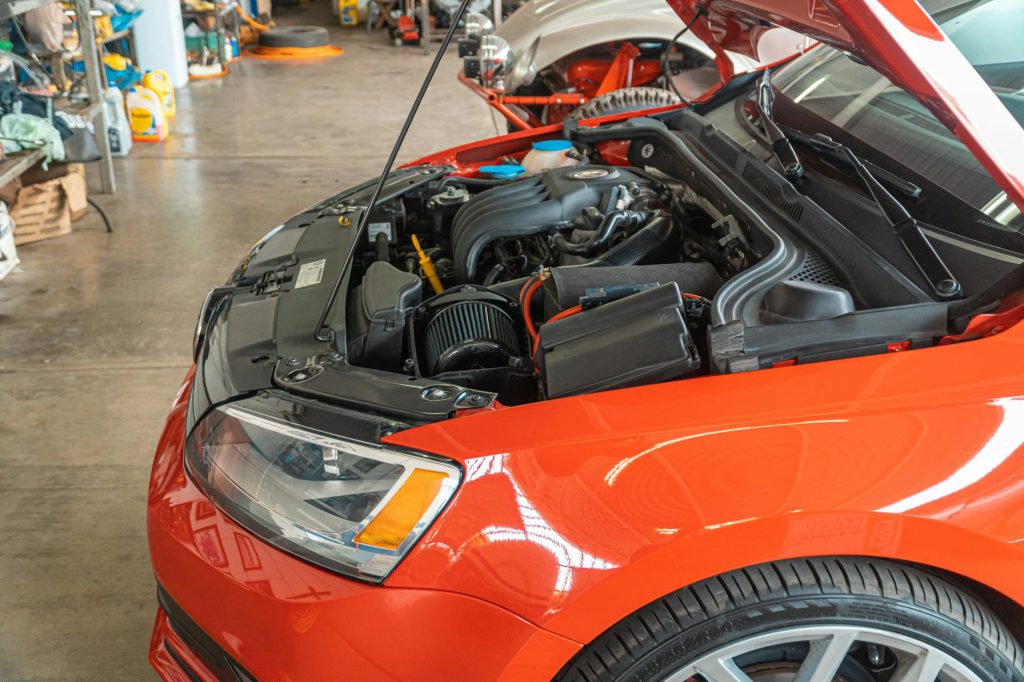
This post explains what the AdBlue system does, why OM654 models commonly trigger AdBlue-related faults, how diagnosis should be approached (using Mercedes tools like Xentry), and what realistic fixes and costs look like in Europe. While the examples focus on the E220d OM654, many points also apply to other modern diesels across BMW (e.g., B47), VW Group (2.0 TDI EA288 with SCR), Audi, and JLR Ingenium diesels.
Recommended Tool: Professional OBD2 Scanner
🔧 Recommended Professional Tool
JLR Ingenium Engine ToolsRecommended tools for Ingenium engine diagnostics
✔ Recommended by automotive technicians ✔ Suitable for BMW, Mercedes, VAG & JLR platforms ✔ Fast international shipping
2. Causes
AdBlue system failures on OM654 are rarely “just low AdBlue.” They’re usually triggered by a sensor reading that’s out of range, a dosing fault, or an SCR efficiency issue. Common causes include:
- NOx sensor failure (upstream or downstream)
- These sensors age and can fail internally, throwing implausible readings and triggering “SCR efficiency” faults.
- AdBlue injector/doser issues
- Crystallised AdBlue can block the injector, or the injector can leak and cause deposits in the exhaust.
- AdBlue pump/heater module faults
- The tank unit includes a pump, heater and level/quality sensors; winter use can expose heater failures.
- Wiring or connector corrosion
- Road salt and moisture can affect harness sections under the car or near the exhaust.
- AdBlue quality/contamination
- Wrong fluid, contaminated fluid, or poor handling (dirty funnel, open container stored too long) can cause faults.
- Exhaust leaks or SCR catalyst efficiency problems
- Leaks before/around the SCR catalyst can skew NOx readings and mimic a catalyst failure.
- Software/calibration issues
- Some cars benefit from updated ECU software; without it, false faults can appear after sensor replacement.
3. Symptoms
Owners usually notice one or more of the following:
- Dashboard messages
- “AdBlue system malfunction,” “Check emissions system,” or “Start not possible in XXX km.”
- Engine warning light (MIL)
- Often accompanied by stored codes related to NOx, dosing, or SCR efficiency.
- Higher fuel consumption
- If the system’s strategy changes or the engine enters a protection mode.
- Reduced performance (sometimes)
- Not always, but some faults trigger limited torque.
- Frequent AdBlue top-ups
- Can indicate a dosing issue, leak, or incorrect level sensing.
- Strong ammonia smell or unusual exhaust smell
- Can point to over-dosing or injector issues.
4. How to diagnose
A correct diagnosis matters because the expensive parts (NOx sensors, tank module, SCR components) are easy to misdiagnose. The best approach is structured, not guesswork.
Use the right scan tool and read live data
- Mercedes Xentry is the gold standard for OM654 diagnostics because it provides:
- Manufacturer fault codes (not just generic OBD)
- Guided tests and actuation routines
- SCR adaptation resets and teach-in procedures
- A good aftermarket scanner may read codes, but it often misses the test plans and adaptations.
Check fault code categories (examples of what to expect)
While exact code numbers vary by software version, failures commonly fall into:
- NOx sensor plausibility/communication
- AdBlue dosing quantity control
- SCR catalyst efficiency
- AdBlue heater/pump performance
- AdBlue quality/level sensor plausibility
Confirm the basics before replacing parts
A proper diagnostic flow should include:
- Verify AdBlue level and correct fluid
- Confirm it meets ISO 22241; don’t assume the last fill was correct.
- Inspect for leaks and crystallisation
- White crust around injector lines or fittings is a strong clue.
- Check wiring and connectors
- Especially at NOx sensors and the AdBlue tank module.
- Review freeze-frame data
- Note temperature, load, and speed when the fault occurred (cold-start faults often implicate heaters).
- Run actuator tests
- Xentry can command the dosing valve and run pump tests to confirm delivery.
- Evaluate NOx sensor live readings
- If one sensor is flatlined, implausible, or slow to respond compared with expected values, it’s a candidate.
Rule out related issues
- Exhaust leaks upstream of the SCR can make the system look inefficient.
- DPF issues (loading, regeneration problems) can indirectly influence SCR temperatures and readings.
- If the car has the 9G-TRONIC (722.9) or other gearbox, it’s usually not related—but driving cycles and load profiles can affect emissions monitoring readiness.
5. How to fix
The fix depends entirely on what failed. Below are the most common real-world repairs for OM654 AdBlue faults.
NOx sensor replacement (upstream/downstream)
- Replace the faulty sensor (sometimes both if data shows correlation issues).
- Important: Many Mercedes applications require coding/teach-in or adaptation resets via Xentry.
- Check the harness routing and heat shielding; a new sensor won’t survive long if wiring is damaged.
AdBlue injector/doser cleaning or replacement
- If crystallisation is present, cleaning may work temporarily, but replacement is often the durable fix.
- The exhaust area may need removal for access depending on model year and undertray design.
- After replacement, perform dosing tests and verify no leaks.
AdBlue tank/pump/heater module repair
- In many cases, the tank unit is replaced as an assembly.
- This is common when faults occur mainly in cold weather or when the heater circuit fails.
- After replacement, the system may need priming and initialization with Xentry.
SCR catalyst problems
- If the system consistently fails efficiency tests despite good sensors and correct dosing, the SCR catalyst may be degraded.
- Before replacing the catalyst, confirm:
- No exhaust leaks
- NOx sensors are known-good
- Dosing quantity is correct
- Catalyst replacement is expensive, so insist on evidence-backed diagnosis.
Software updates and resets
- Some cases are resolved (or prevented from returning) with ECU software updates and proper resets.
- A workshop with Xentry access can check for relevant calibration updates and apply them.
6. Repair costs
European pricing varies widely by country and labour rate, but these ranges are realistic for parts + labour:
- Diagnostic session (Xentry + test plan): €80–€180
- NOx sensor replacement (each): €350–€800
- Parts often €200–€500, labour €100–€300 depending on access
- AdBlue injector/doser replacement: €250–€650
- AdBlue tank/pump/heater module: €900–€1,800
- Some models may exceed this if the tank assembly is costly
- Wiring repair (connector/harness section): €120–€450
- SCR catalyst replacement: €1,200–€3,000+
- Higher if additional exhaust sections or sensors are replaced together
- Software update/adaptation work: €50–€200 (often bundled with diagnostics)
If you see a workshop quoting multiple major components at once (e.g., both NOx sensors + tank module + catalyst) without clear test results, ask for printouts and measured values.
7. Prevention tips
You can’t prevent every SCR failure, but you can reduce the chances and avoid self-inflicted problems:
- Use only ISO 22241-compliant AdBlue
- Avoid questionable sources and never mix fluids.
- Keep AdBlue containers sealed and clean
- Contamination is easier than people think (dust, water, wrong funnels).
- Don’t ignore early warnings
- A small fault today can become a “no start in X km” situation tomorrow.
- Drive the car fully warm regularly
- Short trips can reduce the system’s ability to run checks and dosing strategies properly.
- Rinse spills promptly
- AdBlue crystallises and can damage connectors or create corrosion points.
8. When to see a mechanic
Book professional diagnosis if:
- You have a “start not possible in X km” countdown.
- The warning returns immediately after topping up AdBlue.
- The car shows multiple emissions-related faults at once.
- You suspect an exhaust leak, or you see visible crystallisation under the car.
- You don’t have access to Xentry or an equivalent high-level tool and the fault is not clearly “low AdBlue.”
A good independent Mercedes specialist with Xentry can often solve this faster than a general workshop relying on generic OBD codes.
9. Frequently Asked Questions
Frequently Asked Questions
Can I keep driving with an AdBlue system failure on an E220d OM654?
Often yes for a short time, but many faults trigger a distance countdown to a no-start condition. Driving while the system is malfunctioning can also lead to additional faults and more complicated diagnosis. Treat any countdown warning as urgent.
Is topping up AdBlue likely to clear the warning?
Only if the system genuinely detected low level and the level sensor agrees after refilling. If the warning is caused by NOx sensors, dosing faults, heater problems, or quality issues, topping up won’t fix it. A proper scan with Xentry is the fastest way to confirm.
Why do NOx sensors fail so often on modern diesels?
They operate in a harsh environment with extreme heat cycles and exposure to exhaust gases. Over time they can drift, respond slowly, or fail electrically, which the ECU flags as plausibility or efficiency problems. On OM654, a single faulty NOx sensor can mimic SCR catalyst failure.
What causes the “start not possible in X km” message?
This is a legal compliance strategy: if emissions control can’t be guaranteed, the vehicle limits operation until repaired. The countdown is typically triggered by persistent SCR/AdBlue faults that fail validation over multiple drive cycles. It usually will not reset permanently without fixing the underlying issue.
Do I need coding or adaptations after replacing AdBlue or NOx components?
In many cases, yes. Mercedes systems often require adaptations, teach-in routines, or verification tests using Xentry after replacing NOx sensors, dosing components, or the tank module. Skipping this step can cause the same warning to return even with new parts.