1. Introduction
If you own a Mercedes E-Class (especially W211, W212, W213, and many estates), you may be choosing between air suspension and traditional coil springs—either because you’re buying a used car, facing a repair, or considering a conversion. Mercedes uses different systems depending on model and trim: AIRMATIC (full air suspension) and, on some variants, rear air only (often on estates for self-levelling). Coil springs are simpler and still common on many E-Class trims, particularly in markets or specifications focused on lower running costs.
Recommended Tool: Professional OBD2 Scanner
Recommended Tool: Premium Brake Pads
Recommended Tool: Cooling System Diagnostic Tools
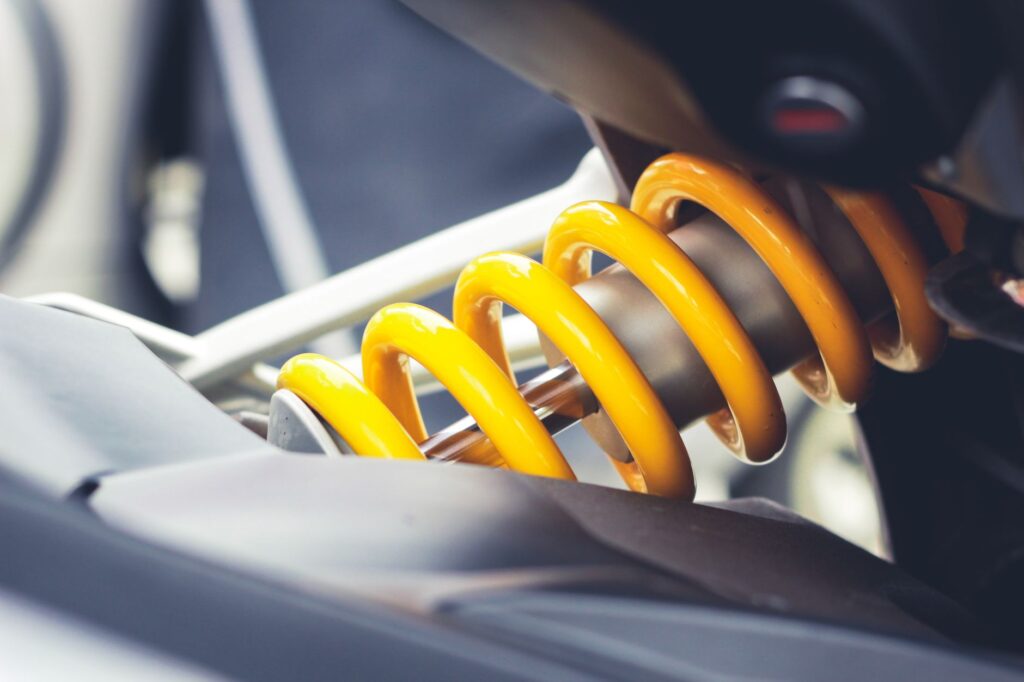
For everyday European owners of Mercedes, BMW, Audi/VW Group, and JLR vehicles, the “better” setup usually comes down to how you use the car, how long you plan to keep it, and your appetite for repair bills. Air suspension can be brilliant when it’s healthy, but it’s less forgiving of age and neglect than coils.
🔧 Recommended Professional Tool
Cooling System Diagnostic ToolsProfessional coolant tester and infrared thermometer for accurate overheating diagnosis.
✔ Recommended by automotive technicians ✔ Suitable for BMW, Mercedes, VAG & JLR platforms ✔ Fast international shipping
2. Causes
Air suspension and coil springs fail for different reasons, and understanding the causes helps you decide which system suits your ownership style.
Common causes of air suspension issues (AIRMATIC / self-levelling)
- Air strut/air spring rubber aging: The rubber bellows dry out, crack, and leak—often accelerated by winter salt and grime.
- Compressor wear: Compressors work harder to compensate for slow leaks and eventually overheat or fail.
- Valve block problems: Internal valves stick or leak, causing uneven height or overnight drop.
- Height sensor wear or linkage damage: Sensors at the suspension arms can break, corrode, or go out of calibration.
- Electrical faults: Relay issues, wiring corrosion, or control module faults can stop the system from regulating pressure properly.
Common causes of coil spring issues
- Spring corrosion and breakage: Especially common on cars used on salted roads; a broken coil can happen suddenly.
- Worn dampers (shock absorbers): Not the spring itself, but it changes ride quality and can feel like “spring” problems.
- Top mounts/bushings aging: Clunks and harshness often come from mounts rather than the coils.
3. Symptoms
Air suspension symptoms
- Car sags overnight (one corner or both ends)
- Compressor runs loudly or runs for too long after starting
- “AIRMATIC – Visit Workshop” or suspension warning messages
- Uneven ride height, nose-up or tail-down stance
- Harsh ride (often from low pressure) or overly floaty ride (damper issues on adaptive units)
- In some cases, restricted speed or “vehicle raising” unavailable
Coil spring symptoms
- One corner sits lower than the others
- Metallic clunk or twang over bumps (broken coil end moving)
- Uneven tyre wear from altered alignment after a spring break
- Knocking noises from worn mounts that are mistaken for spring issues
4. How to diagnose
A good diagnosis prevents throwing expensive parts at the problem—especially with air suspension.
Air suspension diagnosis (practical owner-friendly steps)
- Visual stance check: Park level, take photos of each corner, then check again after 8–12 hours. A single-corner drop often points to that air strut/bag.
- Listen on cold start: If the compressor runs immediately and for a long time, suspect leaks or compressor fatigue.
- Soapy water test (if accessible): Lightly spray soapy water on the air strut bellows and fittings—bubbles indicate leaks. Avoid spraying connectors and electronics.
- Scan for fault codes:
- Mercedes: Xentry/DAS will show AIRMATIC faults, compressor duty cycle info, and sensor plausibility.
- JLR: SDD/Pathfinder will show ride height calibration and reservoir/compressor faults.
- BMW/Audi owners comparing systems: ISTA or ODIS provide similar live data and guided tests on their air-equipped models.
Key data points worth checking in diagnostics:
- Compressor run time / duty cycle
- Reservoir pressure (if equipped)
- Individual corner height sensor values
- Valve block activation tests
- Stored “implausible signal” faults for sensors
Coil spring diagnosis
- Inspect inside the wheel arch for a broken coil end (often the bottom coil snaps and can be hard to see).
- Check for rust flaking and missing paint coating.
- If ride is bouncy, do a basic bounce test and consider damper wear, not just springs.
5. How to fix
Fixing air suspension correctly
- Repair the leak first: Replacing a compressor without fixing a leaking air strut is a common money-waster.
- Replace air struts/air springs in pairs (left/right on the same axle) when mileage is high, to keep ride height and damping balanced.
- Replace or rebuild the valve block if the car drops unevenly but the struts test OK.
- Compressor replacement may be needed if it’s noisy, overheats, or can’t reach pressure. On some setups, the relay should be replaced too.
- Calibrate ride height after parts replacement using Xentry (Mercedes) or the relevant system for your brand.
Conversion to coils?
- Coil conversions exist, but they change the car’s character and can affect resale and insurance. If your E-Class was designed around AIRMATIC, you may lose the smoothness and load levelling that makes it feel like an E-Class. It can be a rational choice on an older high-mileage car, but it’s best done with a reputable kit and coding handled properly.
Fixing coil spring issues
- Replace the broken spring (usually in axle pairs).
- Inspect and often replace top mounts and bump stops while you’re there.
- Get a wheel alignment if ride height changed or tyres show uneven wear.
6. Repair costs
Prices vary across Europe, but these ranges are realistic for independent specialists (parts + labour), not dealer-only pricing.
Mercedes E-Class air suspension (AIRMATIC / rear self-levelling)
- Single air strut (front): €900–€1,800 fitted (OEM often higher; quality aftermarket can be less)
- Rear air spring/bag (each): €350–€800 fitted
- Compressor replacement: €600–€1,400 fitted (more if additional lines/relay/filters needed)
- Valve block: €350–€900 fitted
- Height sensor: €200–€450 fitted (plus calibration if needed)
- System diagnosis + calibration (Xentry): €80–€200
Worst-case “refresh” (two front air struts + compressor + calibration) can land in the €2,500–€4,500 range on some E-Class variants.
Coil spring setup
- Front springs (pair): €350–€800 fitted
- Rear springs (pair): €250–€650 fitted
- Top mounts/bearings add-on: €150–€400
- Wheel alignment: €80–€150
For most owners, coil spring repair costs are more predictable and usually lower.
7. Prevention tips
Air suspension can last a long time with the right habits:
- Keep wheel arches and underbody clean in winter to reduce salt damage to rubber bellows and sensors.
- Don’t ignore early warnings: a slightly low corner today can become a burned-out compressor next month.
- If you tow or carry heavy loads, avoid repeatedly driving with a known leak—the compressor will overwork.
- Service related items: on some systems, air dryer components and filters matter; ask your specialist what’s applicable to your model.
For coil springs:
- Wash off salt, especially after winter motorway driving.
- Fix worn dampers early—excess bounce increases stress on springs and mounts.
8. When to see a mechanic
Book a professional diagnosis if:
- The car drops significantly overnight or sits unevenly
- The compressor runs frequently or sounds strained
- You see suspension warnings and the car changes height unpredictably
- You suspect a broken coil spring (driving with a broken spring can damage the tyre or brake hose)
A Mercedes specialist with Xentry can quickly confirm whether it’s a leaking strut, a tired compressor, a valve block issue, or a sensor plausibility problem—saving you from swapping parts at random.
9. Frequently Asked Questions
Frequently Asked Questions
Is air suspension on a Mercedes E-Class better than coil springs for daily driving?
Air suspension usually rides more smoothly and keeps the car level with passengers or luggage, which is especially noticeable on long motorway trips. Coil springs feel simpler and more consistent as the car ages, with fewer “surprise” faults. For comfort-focused drivers, air wins when it’s working properly.
Does air suspension always cost a lot to repair?
Not always, but it can escalate if leaks are ignored and the compressor gets overworked. A single rear air bag can be a manageable bill, while multiple aged components failing together can become expensive. Proper diagnosis with Xentry helps keep costs targeted.
Can I convert my E-Class from AIRMATIC to coil springs?
In many cases, yes, using a conversion kit, but it may require coding changes and can affect ride quality and resale appeal. It’s most sensible on older high-mileage cars where you want predictable running costs. Discuss insurance implications and ensure warning lights and control modules are handled correctly.
What’s the first part that typically fails on AIRMATIC?
On many cars, the air strut or air spring leaks first due to rubber aging and road grime. If the leak persists, the compressor often becomes the next failure because it runs too often. Finding and fixing small leaks early is the best way to prevent a chain reaction.
How can I tell if it’s a sensor problem or a real air leak?
A real leak often shows as a corner dropping after parking and frequent compressor cycling. Sensor faults more often cause implausible height readings, sudden height changes, or warnings without obvious sagging. A scan with Xentry and a height sensor live-data check will usually make the difference clear.