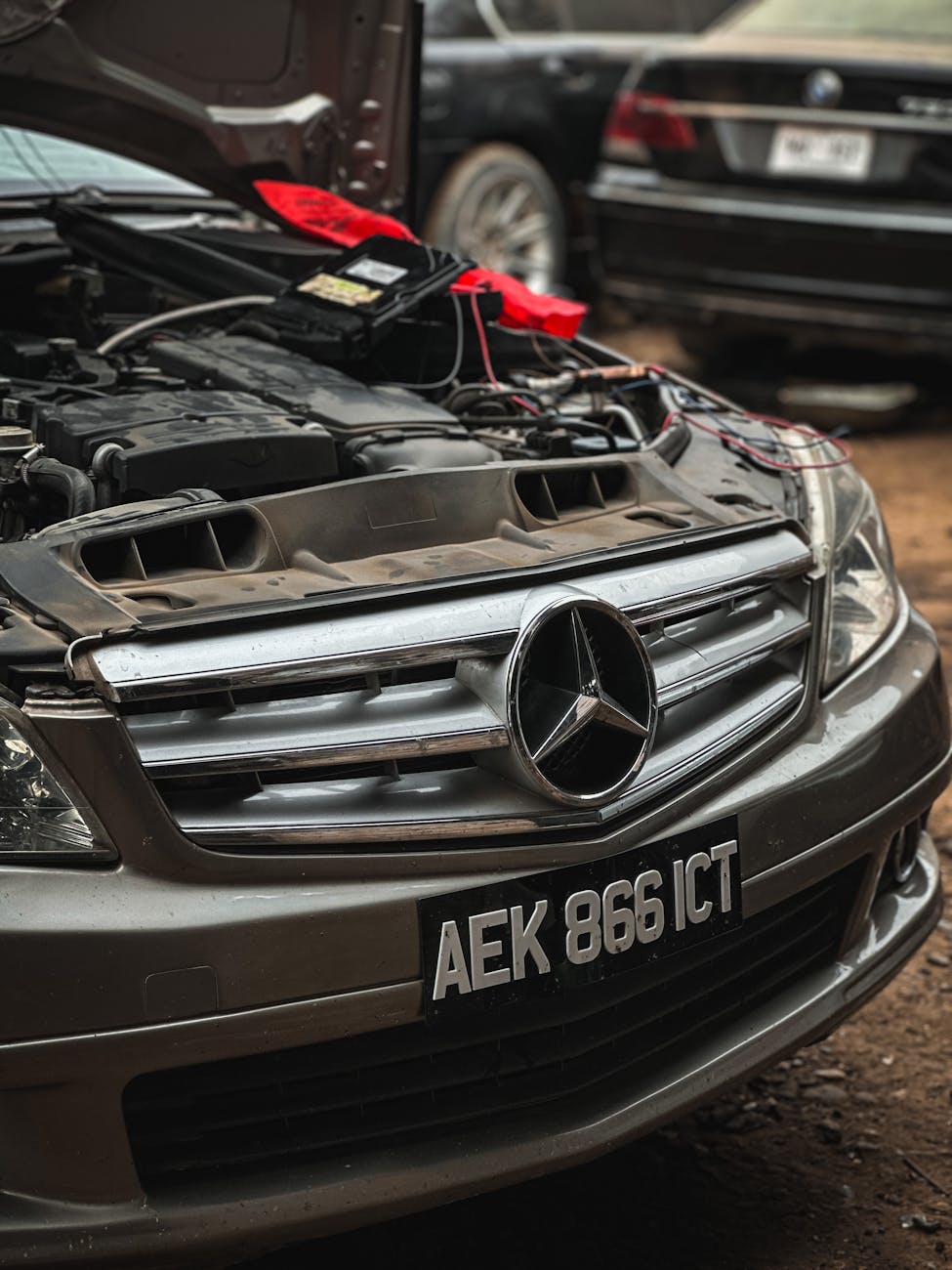
1. Introduction
A coolant leak around the thermostat housing on the Mercedes-Benz CLA 250 with the M270 engine is one of those faults that starts small—maybe a faint sweet smell or a drop on the driveway—but can quickly turn into overheating, warning lights, and expensive secondary damage. The M270 is a compact, turbocharged 4-cylinder used across several Mercedes models, and it runs hot by design for efficiency. That makes the cooling system especially important, and any weakness around the thermostat housing can show up as a persistent leak.
Recommended Tool: Professional OBD2 Scanner
Recommended Tool: Cooling System Diagnostic Tools
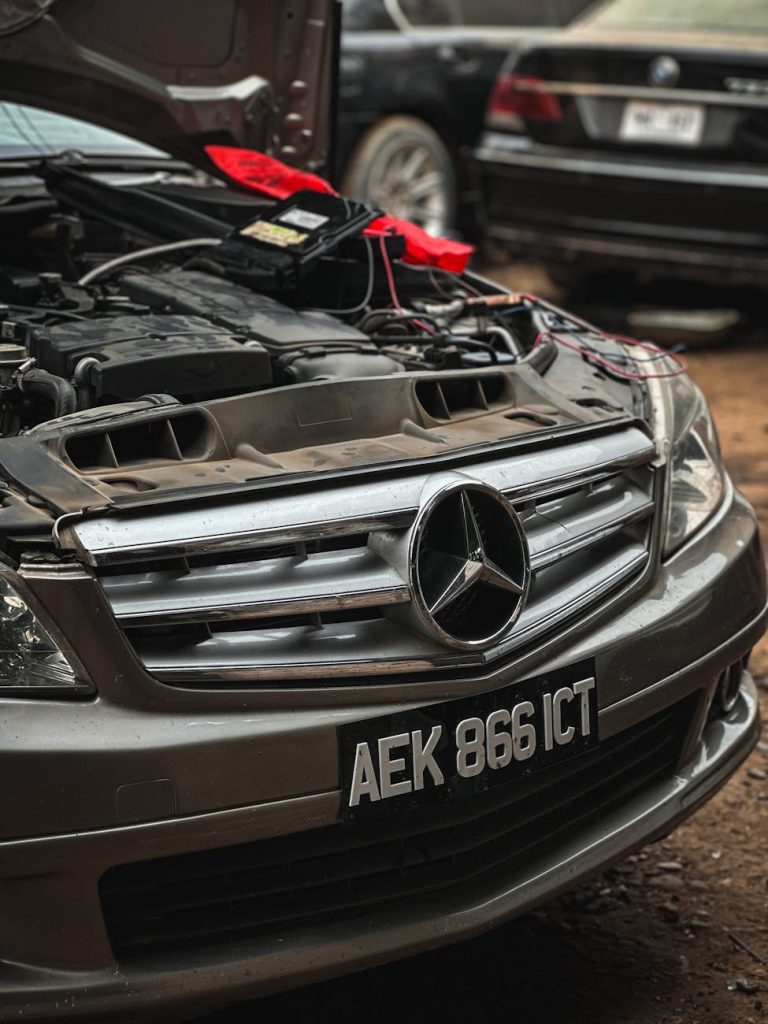
For everyday European car owners (whether you drive Mercedes, BMW, Audi/VW Group, or JLR), the principles are familiar: modern engines have plastic housings, tight packaging, and high operating temperatures. A small seep at a gasket can look like “nothing,” yet it can introduce air into the system, reduce heater performance, and stress components like the water pump and radiator. This article focuses on the CLA 250 M270 thermostat housing leak—what causes it, how to spot it early, and what repair looks like in real-world terms.
Recommended Tool: Professional OBD2 Scanner
🔧 Recommended Professional Tool
BMW N20 Diagnostic & Timing ToolsProfessional tools for BMW N20 engine service
✔ Recommended by automotive technicians ✔ Suitable for BMW, Mercedes, VAG & JLR platforms ✔ Fast international shipping
2. Causes
Thermostat housing leaks on the M270 typically come down to a few repeat offenders:
- Aging plastic thermostat housing
- Heat cycles make plastic brittle over time. Hairline cracks can form and only leak under pressure.
- Flattened or hardened sealing ring/gasket
- The O-ring seal can lose elasticity, allowing a slow seep that worsens as the engine warms up.
- Warping from repeated overheating
- Even one overheating episode can distort the housing or mating surface enough to compromise sealing.
- Coolant contamination or wrong coolant type
- Incorrect coolant (or mixing types) can accelerate seal degradation and internal corrosion.
- Improper previous repair
- Over-tightened bolts, reused seals, poor surface cleaning, or misrouted hoses can cause leaks soon after service.
On other European cars the pattern is similar: BMW N20/N26 and some VW/Audi EA888 engines also commonly suffer from plastic cooling component failures. The difference is mainly access and parts layout, not the underlying physics.
3. Symptoms
A thermostat housing leak doesn’t always present as a dramatic puddle. Common signs include:
- Coolant level dropping over days or weeks
- Sweet smell (ethylene glycol) after parking
- Wet or crusty residue near the thermostat housing
- Look for white/pink crust depending on coolant type.
- Intermittent temperature warnings
- Especially in traffic or after a long climb.
- Heater performance fluctuating
- Air in the system can reduce cabin heat.
- Cooling fan running more than usual
- The system compensates when temperatures creep up.
If the leak is significant, you may also see coolant on the undertray. On the CLA, airflow can spread coolant backward, making the source look like a radiator or hose leak when it’s actually higher up.
4. How to diagnose
You can do a sensible diagnosis without being a mechanic, but it helps to be methodical.
Visual checks (engine cold)
- Check the coolant expansion tank level and look for oily film (not common for this fault, but worth noting).
- Use a torch to inspect around the thermostat housing area for:
- Fresh wetness
- Dried residue trails
- Staining on nearby hoses, wiring looms, or the engine block
- Look under the car for coolant on the undertray or subframe.
Pressure test (best confirmation)
A cooling system pressure test is the quickest way to confirm a housing leak.
- A workshop will pressurize the system (engine off) and watch for seepage.
- Small cracks often reveal themselves only under pressure.
Diagnostic scan (useful context)
A scan won’t “prove” a physical leak, but it can show related faults:
- On Mercedes, Xentry can reveal stored codes related to coolant temperature plausibility, thermostat regulation, or overtemperature events.
- If you own multiple brands: BMW ISTA, VAG ODIS, and JLR SDD/Pathfinder are the equivalent tools that help identify whether there were overheating incidents or sensor plausibility faults.
Rule out nearby leaks
Because coolant can travel, ask (or check) whether it could instead be:
- Water pump seep hole
- Radiator end tanks
- Expansion tank cap leaking under pressure
- Hose connection O-rings
If the highest wet point is the thermostat housing seam or around its mounting flange, that’s usually your culprit.
5. How to fix
A proper repair is usually straightforward: replace the thermostat housing assembly (often with thermostat integrated) and seals, then refill and bleed correctly.
Typical repair steps (workshop approach)
- Remove necessary covers and, on some variants, intake ducting for access.
- Drain coolant to a clean container if it’s fresh and correct type (many shops will replace coolant anyway).
- Disconnect hoses and electrical connector(s) associated with the thermostat/temperature sensor.
- Remove the housing bolts carefully (plastic housings dislike uneven torque).
- Clean the mating surface thoroughly—no old gasket material or corrosion.
- Install new housing and new seal/O-ring.
- Refill with the correct Mercedes-approved coolant and vacuum bleed if available.
- Verify with a pressure test and a road test; recheck coolant level after full heat cycle.
Good practice while you’re there
Because labor overlaps, many owners choose to replace:
- Expansion tank cap (cheap and can prevent pressure issues)
- Any swollen hoses or suspect quick-connect seals
- Coolant if it’s old, mixed, or contaminated
Avoid sealants. If the housing or flange is compromised, sealant is a temporary patch at best and can clog narrow cooling passages at worst.
6. Repair costs
Costs vary with country, labor rate, and whether OEM or quality aftermarket parts are used. For a Mercedes CLA 250 M270 thermostat housing leak, realistic European pricing is typically:
- Thermostat housing assembly + seals: €80–€250
- Coolant (correct spec) + consumables: €30–€80
- Labor: 1.5–3.0 hours at €80–€180/hr = €120–€540
Typical total: €250–€850
At a main dealer, totals can push higher due to parts pricing and higher hourly rates, sometimes €600–€1,100 depending on region and exact model year. If additional components are found leaking (water pump, hoses), expect the quote to rise accordingly.
7. Prevention tips
You can’t stop plastic from aging, but you can reduce stress on the system:
- Check coolant level monthly (engine cold) and investigate any drop.
- Use the correct coolant specification and avoid mixing types.
- Replace coolant on schedule (or earlier if contamination is suspected).
- Don’t ignore minor overheating—even a single episode can warp plastic housings.
- Keep the radiator and intercooler area clear
- Leaves and debris reduce cooling efficiency and raise operating temps.
- Fix small leaks early
- Air pockets and low coolant create bigger failures downstream.
8. When to see a mechanic
Book a workshop visit sooner rather than later if:
- You’re topping up coolant more than once between services
- You see any temperature warning or the gauge behaves oddly
- The cabin heater goes cold intermittently (possible air in system)
- You notice coolant smell inside or outside the car
- There’s visible coolant residue around the engine bay
Driving with a known coolant leak is a gamble. Overheating can damage head gaskets, turbo cooling circuits, and catalytic converters—turning a manageable repair into a major bill.
9. Frequently Asked Questions
Frequently Asked Questions
Can I keep driving if the thermostat housing is only “seeping” coolant?
A small seep can become a sudden leak when the system pressurizes on a hot day or in traffic. Even minor losses can introduce air, which reduces cooling efficiency and can cause overheating. If you must drive, monitor coolant level closely and avoid heavy load until repaired.
Will a thermostat housing leak trigger a check engine light on the CLA 250 M270?
Not always, because a leak is mechanical rather than electrical. However, if coolant temperature becomes unstable or the thermostat regulation behaves unexpectedly, you may see faults stored that Xentry can read. Temperature warnings are more common than a check engine light for this issue.
Is it better to replace just the gasket/O-ring or the whole thermostat housing?
If the housing is plastic and has any sign of cracking, warping, or aged brittleness, replacing the entire assembly is usually the safer long-term fix. Many thermostat housings integrate the thermostat, making partial repairs less practical. The labor overlap is significant, so doing it once properly typically costs less than repeat visits.
How can I confirm the leak is the thermostat housing and not the water pump?
A cooling system pressure test is the fastest way to pinpoint the source. The thermostat housing usually leaks from the seam or mounting flange, while water pump leaks often show from the pump body or weep area. A good shop will clean the area first, pressurize, and trace the highest point of wetness.
Does using stop-leak coolant additive help?
Stop-leak products may temporarily slow a tiny seep, but they can also clog narrow passages in the heater core and radiator. On modern turbo engines like the M270, maintaining proper flow is critical. It’s best treated as an emergency measure only, not a repair.