1. Introduction
A rough idle on the Mercedes C200 W204 CGI (Kompressor-free “CGI” direct-injection petrol) can turn an otherwise refined car into something that feels hesitant and “lumpy” at traffic lights. One of the most common, and often misunderstood, causes is a problem with the intake manifold flaps (also called runner flaps or tumble flaps). These flaps help manage airflow at low engine speed for better torque, emissions, and smoothness—so when they stick, leak, or their actuator fails, idle quality is often the first thing to suffer.
Recommended Tool: Professional OBD2 Scanner
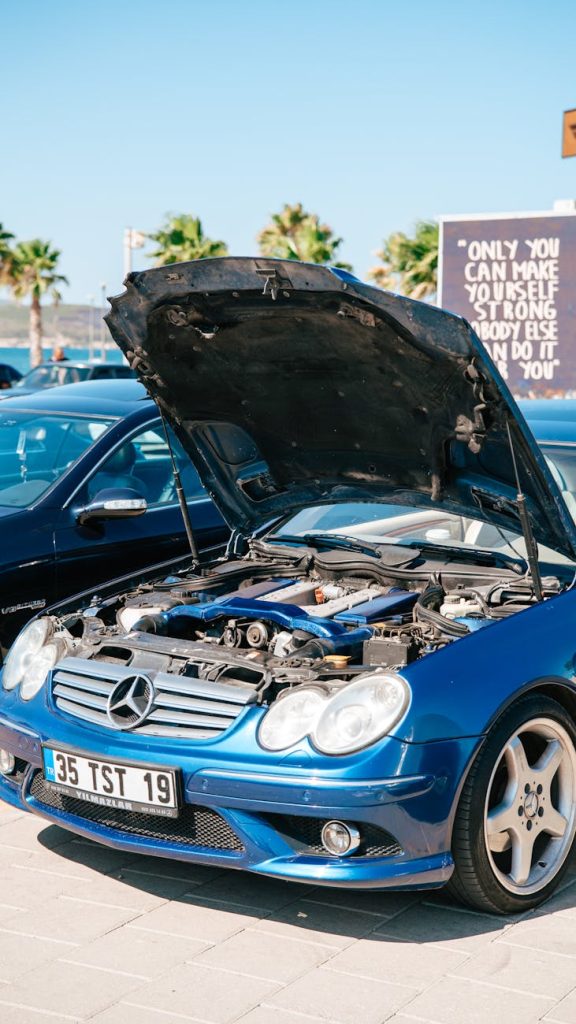
On the W204 C200 CGI you’ll typically be dealing with the M271 EVO family (e.g., M271.8xx depending on model year/market). The fault can look like ignition misfires, fuel issues, or even a vacuum leak, which is why careful diagnosis matters before you replace parts.
Recommended Tool: Professional OBD2 Scanner
2. Causes
Intake manifold flap problems usually come from wear, contamination, or control issues rather than a single dramatic failure. Common causes include:
- Carbon and oil residue buildup
Direct injection engines like M271 CGI don’t wash the intake valves with fuel, so oily vapours can build up in the intake tract and around flap shafts. - Worn flap linkage or pivot points
Plastic components, bushings, and the flap mechanism can loosen, causing incorrect flap position or air leaks. - Failed intake flap actuator motor/diaphragm
Depending on version, the actuator can be electric or vacuum-operated. Either can fail internally or lose control signal. - Vacuum leaks in control lines (if vacuum-controlled)
Cracked vacuum hoses, check valves, or a weak vacuum source can prevent correct movement. - Electrical connector or wiring faults
Corrosion, brittle wiring, or poor pin fit can lead to intermittent actuator operation. - Manifold sealing issues
A leaking intake manifold gasket can mimic flap faults with unmetered air entering the engine.
3. Symptoms
Rough idle from intake manifold flap issues often has a recognizable pattern. You may notice:
Recommended Tool: Professional OBD2 Scanner
- Shaking or uneven idle, especially when warm and stationary
- Hesitation on light throttle below ~2,000 rpm
- Intermittent misfire feel without consistent ignition-related fault codes
- Reduced low-end torque and slightly worse fuel economy
- Engine warning light (MIL) that may come and go
- Idle improves when revved slightly, then returns when the revs drop
- Occasional stalling when selecting Drive/Reverse on automatic models (less common, but possible)
4. How to diagnose
Accurate diagnosis saves money because many rough idle complaints get misdiagnosed as coils, plugs, or injectors. A structured approach works best.
Use the right scan tool data
For Mercedes, Xentry/DAS is the gold standard. A good aftermarket scanner can help, but Xentry gives better live data and guided tests.
- Read fault codes and freeze-frame data
Look for intake runner/flap position faults, plausibility errors, or airflow-related codes. Misfire codes may be present but secondary. - Check live data for flap position
Compare commanded position vs actual position (where available). An actuator that “commands” but doesn’t move points to mechanical sticking or actuator failure. - Run actuator tests
With Xentry, perform an output test to cycle the flaps and listen/feel for movement. No movement or erratic movement is a strong clue.
Basic mechanical checks (owner-friendly)
You don’t need to strip the engine down to find useful evidence:
- Listen for clicking, buzzing, or repeated cycling near the intake manifold at idle (sign of struggling actuator).
- Inspect vacuum hoses (if equipped) for cracking, loose fits, or oily soft sections.
- Check for intake leaks
A smoke test is ideal (usually a workshop job), but you can sometimes spot obvious splits or a displaced gasket area.
Rule out common “look-alikes”
Because rough idle can have multiple causes, confirm these basics before blaming the manifold:
- Spark plugs correct type and gap, not overdue
- Coils not breaking down under load
- PCV/breather system not split or leaking
- No major fuel trim abnormalities suggesting a broader air leak
A workshop smoke test plus Xentry live data usually pinpoints whether the problem is the flaps themselves, the actuator/control, or simply an intake leak.
5. How to fix
The right fix depends on what has actually failed. Common repair routes include:
Cleaning (limited but sometimes effective)
If the mechanism is sticking from deposits and there’s no mechanical wear:
- Remove the intake ducting and access points as needed
- Clean accessible areas carefully with intake-safe cleaner
- Do not force the flap mechanism; cracking plastic components can turn a cleaning job into a manifold replacement
Cleaning can help mild sticking, but if the flap shafts or linkage are worn, it’s a temporary improvement at best.
Replace the actuator or vacuum control parts
If diagnostics show the flaps are mechanically free but not being driven correctly:
- Replace the actuator motor/diaphragm
- Repair vacuum lines, check valves, or solenoids (where applicable)
- Clean and secure electrical connectors; repair damaged wiring
Replace the intake manifold assembly (common “proper” fix)
On many W204 CGI setups, the flaps are integrated into the manifold. If the flaps are loose, leaking, or internally worn:
- Replace the intake manifold (often supplied as an assembly with flap mechanism)
- Fit new gaskets and seals
- Clear adaptations and recheck live data with Xentry after installation
After replacement, a short relearn/adaptation procedure may be required depending on ECU strategy.
6. Repair costs
Costs vary by country, labour rate, and whether you use OEM Mercedes parts or quality aftermarket. Typical European ranges:
- Diagnostic scan + smoke test (if needed): €80–€180
More at main dealers; independents often cheaper. - Vacuum hose/valve repairs: €50–€200
Parts are usually inexpensive; labour depends on access. - Intake flap actuator replacement: €250–€600
Parts ~€120–€350, labour ~1.0–2.0 hours depending on layout. - Intake manifold replacement (with flaps): €700–€1,500
Parts ~€400–€1,000, labour typically 2.0–4.0 hours. - “While you’re there” items (optional): €100–€300
Intake gaskets, clamps, brittle breather hoses that snap during removal.
If misfires were diagnosed incorrectly and coils/plugs were replaced first, add €200–€500 you may not have needed to spend—another reason to diagnose carefully.
7. Prevention tips
You can’t fully prevent intake flap wear, but you can slow down the conditions that cause sticking and leaks:
- Use high-quality fuel and avoid consistently running the tank very low
- Short-trip reduction: regular short runs increase deposit buildup; an occasional longer drive helps evaporate moisture and stabilise idle
- Keep the PCV/breather system healthy
Oil vapour is a key contributor to intake contamination. Fix cracked breather hoses early. - Follow spark plug intervals
Rough idle from weak ignition can mask airflow problems and make diagnosis harder. - Address small intake leaks early
A minor leak can force the ECU to adapt fuel trims and stress other components.
8. When to see a mechanic
Book a professional diagnosis if any of the following apply:
- The engine light is flashing or the car is misfiring under load
- Rough idle is paired with stalling, strong fuel smell, or poor starting
- You hear repeated actuator cycling or notice the idle worsening quickly
- You’ve already replaced plugs/coils and the problem persists
- You want confirmation via Xentry guided tests and (ideally) a smoke test
A good Mercedes specialist can usually confirm intake flap issues in one visit and advise whether cleaning, actuator replacement, or manifold replacement is the sensible next step.
9. Frequently Asked Questions
Frequently Asked Questions
Can intake manifold flaps really cause a rough idle without obvious fault codes?
Yes. Early-stage sticking or slight air leaks around the flap shafts can upset airflow and fuel trims without triggering a dedicated flap code. You may only see general misfire or mixture-related codes until the issue worsens.
Is it safe to keep driving with rough idle from intake flaps?
Occasional mild roughness might not leave you stranded, but sustained misfiring can damage the catalytic converter over time. If the idle is severe or the warning light flashes, limit driving and get it checked.
Will replacing spark plugs and coils fix this problem?
Sometimes it improves symptoms if the ignition was marginal, but it won’t cure a sticking or leaking flap mechanism. If the rough idle returns soon after ignition parts, the intake system should be tested properly.
Do I need a full intake manifold replacement, or can the flaps be repaired?
On many W204 CGI configurations the flaps are integrated, so replacing the manifold is often the most reliable fix. Some failures are actuator or vacuum-control related, so proper diagnosis can avoid unnecessary manifold replacement.
How can I confirm the issue before buying parts?
Use Xentry to check flap position data and run actuator tests, then confirm with a smoke test for leaks around the manifold and associated hoses. This combination usually separates flap/mechanism faults from general vacuum or ignition problems.