1. Introduction
Oil leaks are common as modern engines age, but some leaks are more than just a messy annoyance. On the Mercedes-Benz C300 (W205) with the M274 2.0 turbo petrol engine, one of the most frequent and misunderstood leak sources is the camshaft adjuster area at the front of the cylinder head. Owners often spot oil around the timing cover side of the engine, smell burnt oil after a drive, or notice a slow drop in oil level between services.
Recommended Tool: Professional OBD2 Scanner
Recommended Tool: Cooling System Diagnostic Tools
Recommended Tool: Transmission Diagnostic Tools
This guide explains what the camshaft adjuster does, why it can leak on the M274, how to diagnose the exact source (without guessing), and what a proper repair looks like. While this article focuses on the W205 C300, the approach to diagnosing oil leaks is also useful for everyday owners of BMW (e.g., N20/N26), Audi/VW Group (e.g., EA888 with DSG), and JLR (Ingenium petrol/diesel) who face similar “front-of-engine” leak patterns.
🔧 Recommended Professional Tool
BMW N20 Diagnostic & Timing ToolsProfessional tools for BMW N20 engine service
✔ Recommended by automotive technicians ✔ Suitable for BMW, Mercedes, VAG & JLR platforms ✔ Fast international shipping
2. Causes
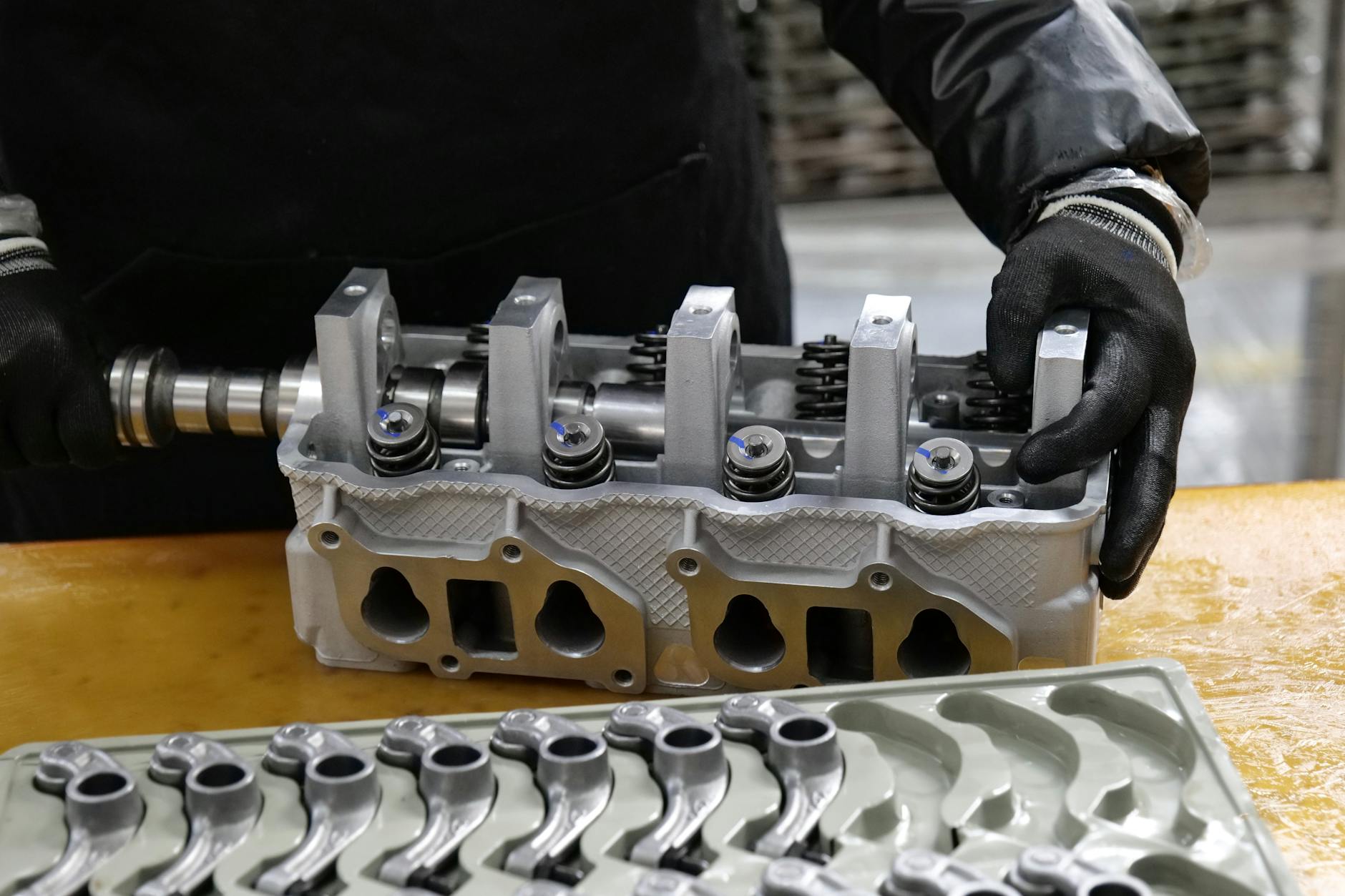
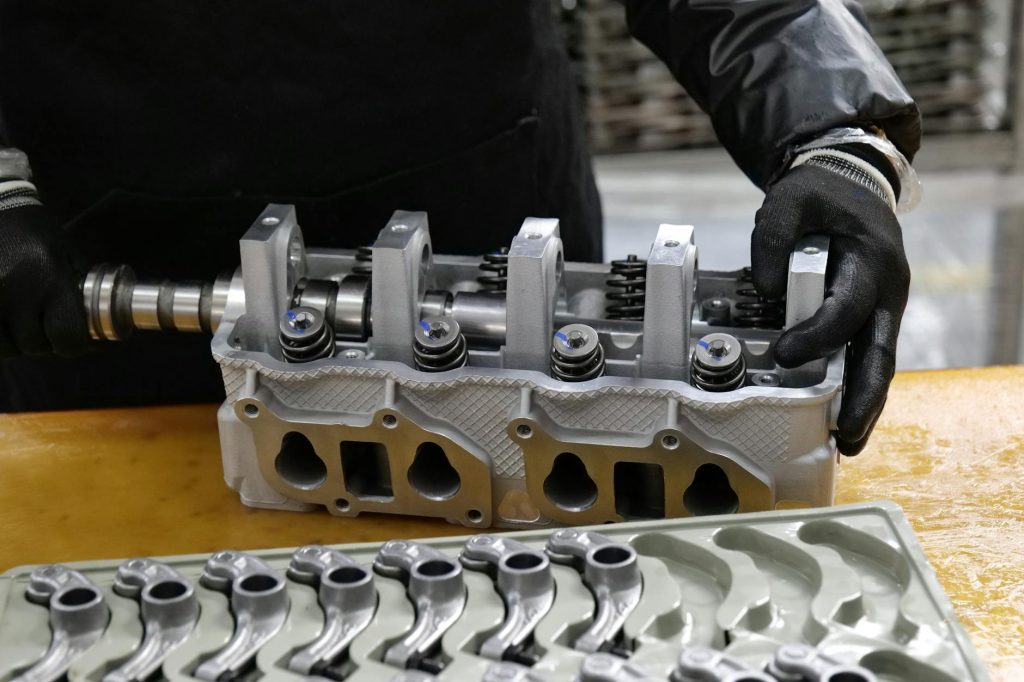
The M274 uses camshaft adjusters (variable valve timing components) mounted at the front of the cylinder head and driven by the timing chain. Oil pressure is used to control the adjusters, which means seals and mating surfaces are under constant hot oil exposure. Common causes of leaks here include:
- Hardened or flattened camshaft adjuster seals/O-rings
Heat cycles and oil exposure cause sealing rings to lose elasticity over time. - Oil wicking through the adjuster bolts or plugs
Some fasteners and caps rely on sealing washers or thread sealant; once compromised, oil can travel along threads. - Warped or imperfect mating surfaces
Past overheating, incorrect torque, or prior repairs can leave surfaces unable to seal correctly. - Crankcase ventilation (PCV) issues increasing crankcase pressure
Excess pressure pushes oil out of the weakest point. This is a common theme across brands (BMW N20 PCV in the valve cover; VW/Audi EA888 PCV modules; JLR Ingenium breathers). - Misdiagnosis: oil from higher up
Valve cover/gasket seepage, oil filter housing leaks, or turbo oil feed seepage can run down and mimic a cam adjuster leak.
3. Symptoms
A camshaft adjuster oil leak on the M274 typically shows up in practical, everyday ways:
- Oil residue at the front of the engine (timing cover/cam adjuster area), often on the right-hand side when viewed from the front
- Burnt oil smell after stopping, especially after motorway driving
- Small drips on the undertray or oil mist around the lower front engine area
- Gradual oil level drop (you may need to top up between services)
- Oil contamination on belts/pulleys
If oil reaches the auxiliary belt, it can cause belt slip, noise, and long-term rubber degradation.
You may not see a warning light immediately. Modern engines can leak a surprising amount before triggering a low-oil warning, so visual checks still matter.
4. How to diagnose
A correct diagnosis is about confirming the highest, freshest leak point—oil runs downward and spreads. You can do a lot at home, but workshops can confirm faster with the right equipment.
Basic owner checks (safe, no special tools)
- Check oil level and record it (same conditions each time: engine warm, level ground, after a short wait).
- Inspect the top of the engine with a torch: look around the valve cover perimeter first. If it’s wet above the adjuster area, the adjuster may be innocent.
- Look for oil spray patterns: a pressurised seep can leave a “fan” pattern, while gravity leaks tend to streak.
More accurate methods (DIY-friendly or workshop)
- Degrease and re-check: Clean the area with a safe degreaser, drive 20–50 km, then re-inspect. Fresh oil tracks reveal the source.
- UV dye test: Add UV dye to engine oil, drive briefly, and inspect with a UV lamp. This is one of the most reliable ways to pinpoint an adjuster leak versus a valve cover leak.
- Diagnostic scan for related issues:
A leak itself won’t always set a fault code, but crankcase ventilation or cam timing issues might. A Mercedes specialist can use Xentry to check for:- Camshaft adjustment plausibility faults
- Crankcase ventilation-related mixture faults
- Live data for cam adjuster control (Similarly, BMW owners would use ISTA, VAG owners ODIS, and JLR owners Pathfinder/SDD for comparable checks.)
What a mechanic will check
- Undertray removal and inspection of oil spread
- Confirmation that oil isn’t coming from the vacuum pump area or upper cover
- Crankcase pressure assessment if PCV is suspected
- Whether oil is reaching the auxiliary belt (important safety item)
5. How to fix
The right fix depends on exactly where the oil is escaping. In many cases, the repair is straightforward but requires careful disassembly and correct torque procedures.
Common repair paths
-
Replace camshaft adjuster seals/O-rings (and related gaskets)
- Remove necessary covers and components to access the front of the cylinder head.
- Replace sealing elements with OEM-quality parts.
- Clean mating surfaces thoroughly and reassemble to specification.
-
Reseal or replace leaking bolts/caps
- If oil is migrating along threads, the correct sealing washer or approved sealant may be required.
- Avoid “universal” sealants unless the workshop follows Mercedes-approved materials; wrong sealant can break down in oil.
-
Address crankcase ventilation (PCV) if pressure is high
- If the PCV system is restricted or failing, simply replacing seals may only provide a temporary fix.
- On many modern engines, PCV components are integrated into the valve cover or a dedicated module—replacement may be recommended if tests indicate abnormal pressure.
-
Clean and protect the auxiliary belt area
- If oil has contaminated the belt, most workshops will recommend belt replacement and cleaning of pulleys to prevent slip and noise.
- This is similar in concept to BMW and VAG engines where oil leaks near the belt drive can create secondary failures.
Important: This repair often requires good access and careful handling around timing components. If the adjuster itself is faulty (less common than sealing issues), replacement becomes more involved and may require additional timing checks.
6. Repair costs
Costs vary widely across Europe depending on labour rates, parts availability, and whether additional items (like PCV parts or belts) are needed. Realistic estimates:
- Camshaft adjuster seal/O-ring reseal (primary leak only):
€350–€750 total (parts €30–€120, labour 2.5–5.0 hours) - Reseal with additional gasket work and thorough cleaning:
€600–€1,000 total - If PCV/valve cover work is needed at the same time:
Add €250–€700 depending on whether the PCV is a module or integrated into the cover - Auxiliary belt replacement due to oil contamination (recommended if soaked):
Add €80–€250 (parts + labour)
Main dealer pricing can be higher, while independent Mercedes specialists often sit in the middle with strong familiarity of the M274.
7. Prevention tips
You can’t prevent every seal from ageing, but you can reduce the chance of leaks and limit damage:
- Use the correct oil spec and change it on time
Fresh oil helps minimise sludge and keeps PCV passages healthier. - Avoid chronic short trips when possible
Short runs increase moisture and deposits, which can affect ventilation systems. - Check for early seepage during routine inspections
Catching a small leak early prevents belt contamination and undertray saturation. - Fix PCV-related symptoms quickly
Rough idle, whistling, or unexplained mixture faults can be early warnings of ventilation issues.
8. When to see a mechanic
Book an inspection if any of the following apply:
- You smell burnt oil regularly after driving
- Oil is visible on the undertray or driveway
- The oil level drops noticeably between services
- Oil has reached the auxiliary belt area
- You have related fault codes or drivability issues (a workshop can confirm with Xentry and proper leak tracing)
Oil leaks can start small but create expensive secondary problems if they reach rubber components or electrical connectors.
9. Frequently Asked Questions
Frequently Asked Questions
Is it safe to keep driving with a camshaft adjuster oil leak on the M274?
If it’s only a light seep and oil level is monitored, short-term driving is usually possible. The main risk is oil reaching the auxiliary belt or hot surfaces, which can lead to belt damage or burning smells. If you see drips or smell oil frequently, reduce driving and arrange a repair.
How can I tell if the leak is from the camshaft adjuster or the valve cover?
Oil from the valve cover typically appears higher up and then runs down the front of the engine. A camshaft adjuster leak often shows fresh oil concentrated at the front of the cylinder head near the adjuster area. A UV dye test is the most reliable way to confirm the exact source.
Will a camshaft adjuster oil leak cause engine warning lights or fault codes?
Not always—many leaks stay purely mechanical with no fault codes. However, if crankcase ventilation problems are involved, you may see mixture-related faults or idle issues. A scan with Xentry can help identify related problems even if the leak itself doesn’t trigger a warning.
Do I need to replace the camshaft adjuster unit, or just the seals?
In many cases, seals or sealing washers are the culprit and the adjuster hardware can stay in place. If there are cam timing faults, abnormal noises, or internal adjuster wear, replacement may be recommended. The final decision should be based on inspection and diagnostic results, not guesswork.
Why did this leak start after an oil change or recent service?
Sometimes fresh oil cleans deposits and reveals a seal that was already marginal, making a seep more visible. It’s also possible that undertrays were removed and refitted differently, changing how oil residue is noticed. A proper clean-and-recheck (or dye test) will confirm whether it’s a new leak or an old one becoming more apparent.