1. Introduction
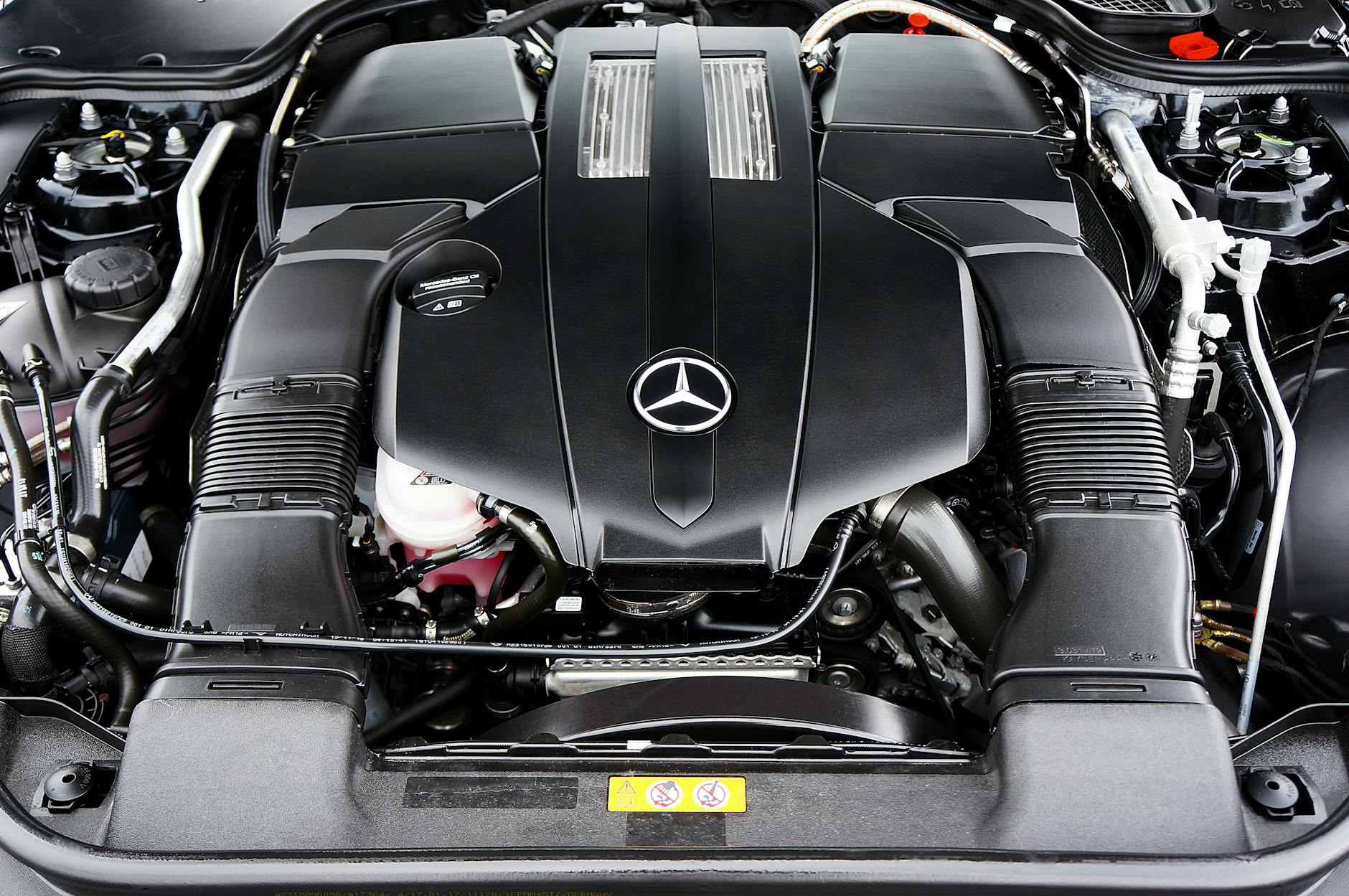
A turbocharged engine is meant to feel strong and effortless, especially in modern European cars where small-displacement petrol and diesel engines rely on boost to deliver torque. On the Mercedes A250 with the M260 engine, a common frustration is a loss of power paired with fault code P0299 (Turbo/Supercharger “A” Underboost Condition). In everyday terms, the engine control unit (ECU) is asking for a certain amount of boost pressure, but the measured boost is consistently lower than expected.
Recommended Tool: Professional OBD2 Scanner
Recommended Tool: Portable Jump Starter
Recommended Tool: Cooling System Diagnostic Tools
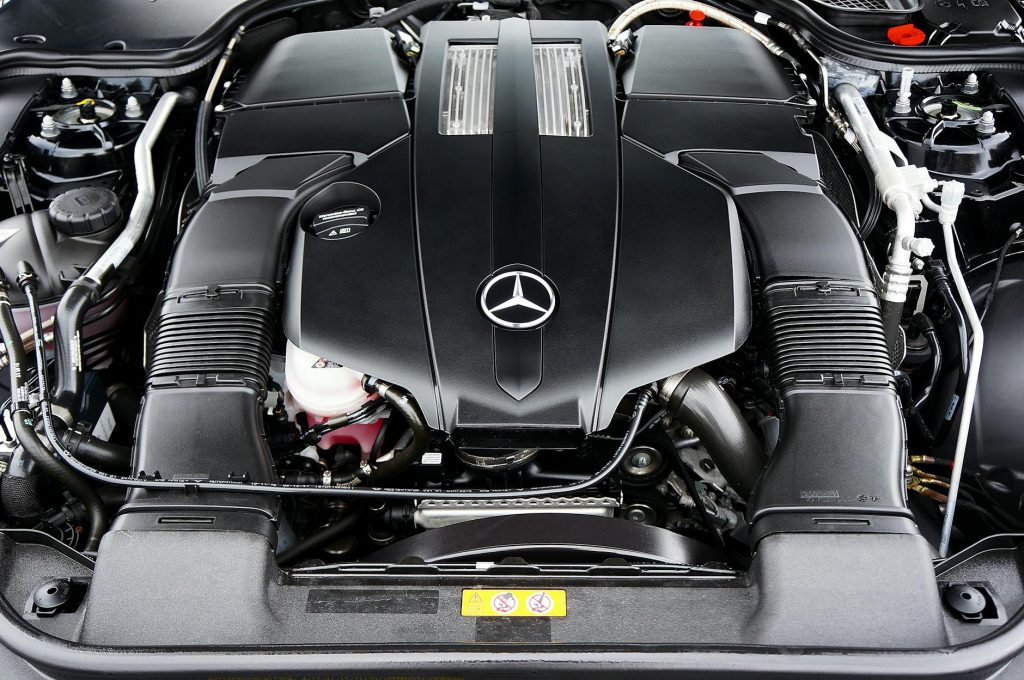
Because the A250 uses electronically controlled turbo hardware and sensitive pressure monitoring, a small issue—like a split hose or a sticking actuator—can trigger limp mode and store the code. This article explains what P0299 means on the M260, what typically causes it, how owners can approach diagnosis without guesswork, and what repairs usually cost in Europe.
🔧 Recommended Professional Tool
BMW N20 Diagnostic & Timing ToolsProfessional tools for BMW N20 engine service
✔ Recommended by automotive technicians ✔ Suitable for BMW, Mercedes, VAG & JLR platforms ✔ Fast international shipping
2. Causes
P0299 is an “underboost” code, so the root cause is always that the turbo system can’t build or control boost properly. On the Mercedes M260, the most common causes include:
- Turbo actuator problem (electronic wastegate/actuator not moving correctly, internal position sensor fault, sticking linkage)
- Boost leak in charge-air system
- Loose clamp
- Split intercooler hose
- Cracked plastic charge pipe or resonator
- Intercooler damage (stone impact, seam leak, end tank crack)
- Diverter/recirculation valve issues (if fitted as a separate component depending on turbo version)
- Intake air leaks (post-MAF leaks if equipped, or unmetered air paths affecting calculated load)
- Boost pressure sensor / MAP sensor fault (incorrect readings can mimic underboost)
- Exhaust leak before the turbo (less common, but reduces turbine energy)
- Carbon build-up or mechanical turbo wear (less common on relatively newer M260s, but possible with poor servicing or high mileage)
- Software/adaptation issues after battery disconnect or repairs (not common, but worth checking updates and adaptations)
While P0299 can show up on many brands—BMW N20/N55, VAG EA888 with DSG, JLR Ingenium, etc.—the A250/M260 pattern often points to actuator control or charge-air leaks first.
3. Symptoms
Drivers usually notice one or more of the following:
- Reduced power, especially mid-range acceleration (where boost should build)
- Limp mode (limited throttle response and capped boost)
- Engine warning light (MIL)
- Hesitation when overtaking or joining a motorway
- Whistling or hissing under load (often a boost leak)
- Increased fuel consumption (engine works harder to meet requested torque)
- Occasional surging if boost control is unstable
- Transmission behaviour changes (the gearbox may hold gears longer because torque is lower—noticeable on the 7G-DCT in many A-Class variants)
P0299 doesn’t always mean the turbo is “dead.” Many cases are relatively simple leaks or actuator calibration issues.
4. How to diagnose
A structured diagnosis prevents expensive parts-swapping. If you have access to Mercedes diagnostics, Xentry is ideal; a capable OBD scanner that reads live data can still help, but manufacturer-level tools give better actuator tests and guided fault finding.
Step 1: Confirm the code and freeze-frame data
- Read all stored and pending codes.
- Check freeze-frame values: RPM, requested boost, actual boost, intake temperature, throttle position.
- Note whether it happens only at high load (motorway pull) or also at low speeds.
Step 2: Check live boost data under load (safely)
Look at:
- Boost pressure requested vs. actual
- MAP/charge pressure sensor readings
- Wastegate/actuator position command vs. actual position (Xentry is helpful here)
If requested boost rises but actual boost lags significantly, you likely have a leak or control problem.
Step 3: Visual inspection (most productive first step)
With the engine cool:
- Inspect charge pipes from turbo to intercooler and intercooler to intake.
- Check for oil mist around joints (often marks a leak point).
- Look for cracked plastic pipes and loose clamps.
- Inspect wiring at the turbo actuator and pressure sensors for chafing or oil contamination.
Step 4: Smoke test / pressure test
A workshop can smoke-test the intake/charge system. This is one of the quickest ways to find:
- Hairline cracks
- Loose couplers
- Intercooler leaks
Step 5: Actuator function test (Xentry)
With Xentry, you can often:
- Run an actuator sweep test
- Check adaptation values
- Identify “position implausible” behaviour even before it becomes a separate code
If the actuator binds, fails to reach commanded positions, or reports erratic feedback, the actuator or turbo mechanism may be the culprit.
Step 6: Rule out sensor error
A faulty MAP/boost pressure sensor can misreport boost:
- Compare sensor readings with atmospheric pressure at key-on engine-off.
- Check for contamination (oil residue can skew readings).
- If readings are implausible, test or replace the sensor before major turbo work.
5. How to fix
The correct fix depends on what your diagnosis finds. Typical repair paths:
Fix 1: Repair boost leaks (most common and cost-effective)
- Replace split intercooler hoses or charge pipes
- Renew O-rings/seals at quick-connect joints
- Tighten or replace clamps
- Replace a leaking intercooler if cracked
After repairs, clear codes and road test while monitoring requested vs. actual boost.
Fix 2: Turbo actuator repair or replacement
If the actuator is faulty or the wastegate mechanism sticks:
- Inspect linkage for corrosion or binding
- Check electrical connector and wiring
- In some cases the actuator can be replaced and calibrated; in others it’s integrated and the turbocharger assembly is the practical replacement
Calibration/adaptation with Xentry may be required after actuator work so the ECU knows the correct end stops and control range.
Fix 3: Replace faulty boost/MAP sensor
If diagnosis points to sensor error:
- Replace the sensor (usually quick)
- Inspect for oil contamination that may indicate excessive crankcase ventilation issues
Fix 4: Address exhaust leaks or turbo wear (less common)
- Repair cracked exhaust manifold/turbo flange leaks if present
- If the turbo has excessive shaft play, damaged compressor blades, or persistent underboost despite leak-free plumbing and a working actuator, replacement is likely
6. Repair costs
Realistic European cost ranges (parts + labour) for an A250/M260 underboost issue:
- Boost hose/charge pipe replacement: €150–€450
(Depending on which pipe, OEM vs quality aftermarket, and access time) - Intercooler replacement: €400–€1,000
(Intercooler + 2–4 hours labour; more if front-end disassembly is extensive) - Boost/MAP sensor replacement: €120–€300
(Sensor cost varies; labour usually under 1 hour) - Turbo actuator replacement/calibration (where possible): €350–€900
(Actuator + programming/adaptation time; not always available separately) - Turbocharger replacement: €1,400–€3,000
(Turbo unit, gaskets, oil/coolant lines as needed, 5–10 hours labour; higher at main dealers) - Smoke/pressure test diagnostic charge: €80–€180
(Often credited toward repair at independent specialists)
Prices vary by country, labour rate, and whether you choose a Mercedes dealer or a reputable independent familiar with Xentry diagnostics.
7. Prevention tips
You can’t prevent every turbo fault, but you can reduce the likelihood of underboost problems:
- Stick to oil change intervals that suit real driving, not just the maximum service schedule; turbo engines benefit from clean oil.
- Use the correct oil specification for the M260 and avoid bargain filters.
- Let the engine warm up before heavy boost, especially in cold weather.
- Inspect charge pipes during servicing—a quick look for oil mist and loose clamps helps.
- Fix small drivability changes early (minor hiss, occasional hesitation) before they trigger limp mode.
- Avoid repeated short trips only, which can increase moisture and deposits in the intake system over time.
8. When to see a mechanic
Book a professional diagnosis if:
- The car repeatedly enters limp mode or struggles to maintain motorway speed
- You hear loud whistling, grinding, or rattling from the turbo area
- You see heavy smoke from the exhaust or rapid oil loss
- The code returns immediately after clearing
- You don’t have access to proper diagnostics (ideally Xentry) or a safe way to log boost under load
A workshop experienced with Mercedes turbo systems can smoke-test the intake, run actuator tests, and avoid unnecessary turbo replacement.
9. Frequently Asked Questions
Frequently Asked Questions
What does P0299 mean on a Mercedes A250 M260?
It means the ECU detects that actual boost pressure is below the target level for a certain time under load. The car may limit power to protect the engine and turbo. It’s a symptom code, so the underlying cause still needs to be found.
Is it safe to drive with P0299 underboost?
Short, gentle driving is usually possible, but hard acceleration and sustained high load should be avoided. Underboost itself isn’t as immediately dangerous as overboost, but a leak or failing turbo component can worsen quickly. If limp mode appears, treat it as a sign to diagnose soon.
Does P0299 always mean the turbo needs replacing?
No—many cases are caused by boost leaks, loose clamps, or a faulty sensor. The turbo is typically replaced only after confirming the charge system is sealed and the actuator control is working correctly. A smoke test and Xentry actuator checks help prevent misdiagnosis.
How can I tell if it’s a boost leak or a turbo actuator issue?
A boost leak often comes with hissing under acceleration and oil mist around pipe joints, and it shows a consistent shortfall in actual boost. An actuator issue may show erratic boost control and abnormal actuator position feedback during tests. A workshop can confirm quickly with a smoke test and actuator sweep in Xentry.
Will clearing the code fix it?
Clearing the code only turns off the warning temporarily if the fault is still present. The ECU will re-detect the underboost condition during the next drive cycle under similar load. Use code clearing only after repairs or to confirm whether the issue returns.