1. Introduction
Transmission delay—where the car hesitates before moving when you select Drive or Reverse, or pauses during a shift—can be unnerving in everyday traffic. Land Rover Discovery Sport owners often describe it as a “wait…then lurch” feeling when pulling out of a junction or manoeuvring into a parking space. The tricky part is that the same symptom can be caused by two very different things: a software/adaptation issue in the transmission control system, or a mechanical problem in the torque converter (or related hydraulic components).
Recommended Tool: Professional OBD2 Scanner
Recommended Tool: Portable Jump Starter
Recommended Tool: Transmission Diagnostic Tools
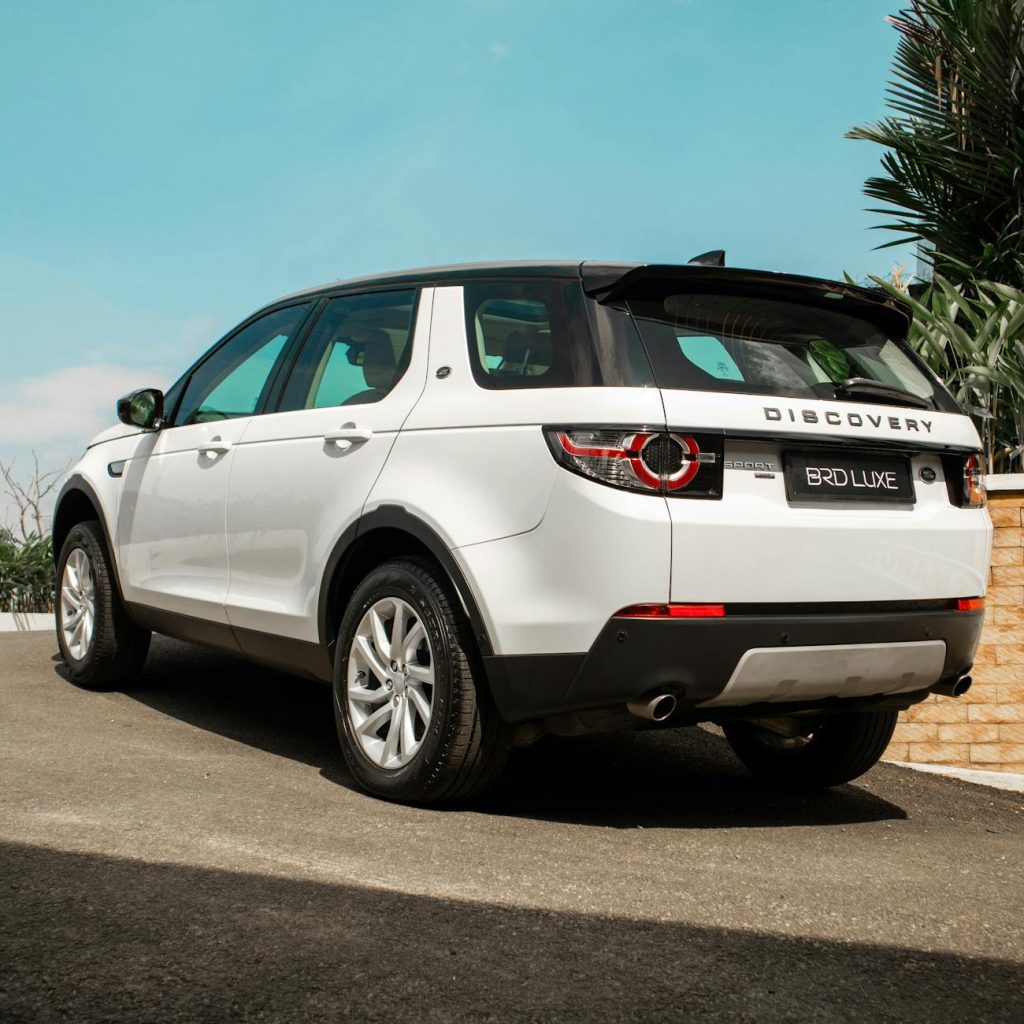
This article explains the most common reasons for transmission delay on the Discovery Sport, how to recognise the patterns, and what a sensible diagnosis and repair plan looks like. While Discovery Sport drivetrains vary by model year and market, many use a conventional automatic with a torque converter (commonly a ZF 9-speed family, often referred to as 9HP) rather than a dual-clutch unit. The good news is that many “delay” complaints are fixable without replacing the whole gearbox—if you confirm the root cause first.
🔧 Recommended Professional Tool
Mercedes OM651 Diesel ToolsAdvanced diesel diagnostic tools for OM651
✔ Recommended by automotive technicians ✔ Suitable for BMW, Mercedes, VAG & JLR platforms ✔ Fast international shipping
2. Causes
Software / control-related causes
A delay can be “commanded” by the vehicle’s control units if they’re trying to protect the gearbox or if the shift strategy is out of date.
Common software-related causes include:
- Outdated TCM/PCM calibration (transmission/engine software): shift timing and clutch fill pressures may be improved by later updates.
- Adaptation values out of range: the gearbox learns clutch fill times; poor adaptations can cause hesitation after battery issues, low voltage events, or prior repairs.
- Low voltage or weak battery: modern JLR modules are sensitive; low voltage can create odd shift behaviour without obvious warning lights.
- Stop/start and torque management logic conflicts: in some driving situations, engine torque reduction and gearbox engagement can feel delayed.
Torque converter / hydraulic causes
If the delay is mechanical/hydraulic, it’s usually related to pressure build-up or internal slip.
Common mechanical causes include:
- Torque converter clutch (TCC) wear or shudder: can cause delayed take-up and a “flare” (rev rise) before the car moves.
- Valve body wear or sticking solenoids: delayed engagement into D/R often points to hydraulic control issues.
- Transmission fluid condition issues: aged or contaminated ATF can cause slow clutch application and inconsistent line pressure.
- Internal clutch pack wear: less common early on, but possible on high-mileage vehicles or those that tow frequently.
3. Symptoms
Different causes tend to produce different patterns. Pay attention to when it happens, and whether it’s repeatable.
Signs that point more toward software/adaptation
- Delay is intermittent and seems worse after a cold start, battery replacement, or long storage.
- The car drives normally once warmed up, with only occasional hesitation.
- No consistent vibration, no pronounced RPM flare, and no harsh bang into gear.
Signs that point more toward torque converter/hydraulic problems
- Delay is consistent when selecting Drive or Reverse, especially after a hot soak.
- Noticeable RPM flare (engine revs rise) before the vehicle moves.
- Shudder at light throttle around 1,500–2,000 rpm (classic TCC behaviour).
- Engagement may feel soft then sudden, like pressure is building late.
4. How to diagnose
A proper diagnosis is about confirming whether the transmission is being “told” to behave this way (software/strategy) or physically can’t engage smoothly (hydraulics).
Step 1: Document the behaviour
Before any tools come out, note:
- Hot vs cold behaviour
- Time delay (1 second? 3 seconds?)
- D and R both affected or only one
- Any RPM flare or vibration
- Whether the issue appeared after battery work or servicing
Step 2: Scan the car properly
A generic OBD scanner may miss JLR-specific codes and live data. For Discovery Sport, a workshop will typically use Pathfinder (newer JLR) or SDD (older JLR) to:
- Read TCM/PCM fault codes (even “pending” or historical)
- Check software levels/campaigns
- Look at transmission temperature, requested gear, and slip values
If you also own other brands, the equivalent dealer-level tools are ISTA (BMW), Xentry (Mercedes), and ODIS (VW Group). The point isn’t the tool name—it’s having access to manufacturer data and guided tests.
Step 3: Check fluid level/condition (correct procedure matters)
On many modern automatics, fluid level is temperature-dependent and must be checked with the car level and ATF in a specified temperature range. An incorrect level can mimic bigger issues.
Step 4: Road test with live data
A technician should test-drive while logging:
- Torque converter clutch slip (if available)
- Gear commanded vs gear achieved
- Line pressure/solenoid commands (where supported)
- Engagement time into D/R from standstill
Step 5: Rule out “engine-side” contributors
Occasionally, an engine issue feels like a transmission delay:
- Misfires, weak fueling, or boost control issues can create hesitation
- On diesel variants (often seen across the segment, e.g., BMW N47/N57, Mercedes OM651), torque delivery problems can mimic a slow take-up
A good diagnostic session confirms the engine is producing the expected torque when the gearbox requests it.
5. How to fix
Fix path for software/adaptation issues
- Update transmission/engine software: If Pathfinder/SDD shows newer calibrations or technical bulletins, updating can noticeably improve shift response.
- Reset and relearn adaptations: After software updates or certain repairs, adaptations may need resetting, followed by a guided drive cycle.
- Battery and charging system check: If voltage is marginal, fix that first. A weak battery can destabilise module behaviour and adaptations.
Fix path for torque converter / hydraulic issues
- ATF service (where appropriate): If fluid is old or contaminated, a correct service (with proper spec fluid) can improve engagement. Avoid aggressive “power flush” methods on high-mileage units unless a specialist recommends it.
- Valve body repair/replacement: If solenoids stick or bores wear, a rebuilt valve body can restore pressure control and engagement quality.
- Torque converter replacement: If TCC slip/shudder is confirmed, replacing the converter is often the proper fix. This usually requires gearbox removal.
- Full gearbox rebuild/replacement (last resort): Only if internal clutch packs or hard parts are damaged.
6. Repair costs
Costs vary widely by country and labour rates, but these ranges are realistic for many European independent specialists (parts + labour):
- Software update + adaptation reset: €150–€350
- Battery replacement + registration/coding (if required): €180–€450
- Transmission fluid service (correct spec, level setting, adaptation check): €350–€700
- Valve body rebuild or replacement: €900–€1,800
- Torque converter replacement: €1,500–€2,800
- Gearbox rebuild/replacement (remanufactured unit): €3,500–€6,500+
A key cost driver is diagnostic accuracy. Spending €200–€300 on a proper Pathfinder/SDD-based diagnosis can prevent a €2,000–€6,000 wrong turn.
7. Prevention tips
- Keep the battery healthy: Low voltage causes weird drivetrain behaviour. Replace ageing batteries before they become marginal.
- Warm-up gently: Avoid hard throttle immediately after a cold start; let the ATF begin to circulate and stabilise.
- Service fluid sensibly: Even if the transmission is marketed as “sealed for life,” many specialists recommend an ATF service interval around 80,000–120,000 km depending on use (towing, city driving, heat).
- React early to shudder: Light shudder under steady throttle is often an early warning of TCC problems; early action can reduce collateral wear.
- Use the correct fluid: The wrong ATF can change friction characteristics and shift timing.
8. When to see a mechanic
Book a professional diagnostic appointment if:
- The delay exceeds about 2 seconds or is getting worse
- You feel RPM flare, repeated harsh engagements, or shudder
- The car hesitates in a way that feels unsafe at junctions
- A warning message appears, or the car enters limp mode
- The issue started after a repair (battery, software, fluid service) and didn’t resolve quickly
Look for a shop experienced with JLR diagnostics and able to use Pathfinder/SDD and follow the correct ATF level procedure. Transmission specialists who can interpret live slip/pressure data are especially valuable.
9. Frequently Asked Questions
Frequently Asked Questions
Is transmission delay on the Discovery Sport more likely software or torque converter?
It depends on the pattern. Intermittent hesitation with no shudder or RPM flare often points to software level, adaptations, or voltage issues. Consistent delays, especially with shudder or flare, more often indicate a torque converter or valve body problem.
Can a software update really change how quickly Drive or Reverse engages?
Yes, calibration updates can change clutch fill timing, torque management, and engagement strategy. On modern transmissions, small software changes can noticeably improve take-up feel. A proper update should be followed by an adaptation relearn.
Will a transmission fluid change fix delayed engagement?
If the delay is caused by degraded fluid or marginal hydraulic control, an ATF service can help. However, if the torque converter clutch is worn or the valve body has significant wear, fluid alone may not resolve it. The level-setting procedure and correct fluid spec are crucial.
What’s the risk of ignoring a torque converter-related delay?
Ongoing slip generates heat and debris that can contaminate the valve body and accelerate internal wear. What starts as a minor hesitation can turn into shudder, harsh shifts, or limp mode. Early diagnosis usually keeps the repair smaller and cheaper.
Do I need a dealership for diagnosis, or can an independent do it?
A good independent specialist can diagnose it as long as they have JLR-capable tools like Pathfinder or SDD and the know-how to interpret the data. Many independents are better placed for gearbox and torque converter work than main dealers. The key is documented test results, not just parts-swapping.