1. Introduction
Front brake judder at high speed on the Land Rover Defender L663 110 is one of those problems that can make an otherwise solid, confident car feel unsettled. It often shows up on fast motorway braking—exactly where you want the vehicle to feel most stable. Drivers typically describe it as a vibration through the steering wheel and a pulsing sensation through the brake pedal when slowing from higher speeds.
Recommended Tool: Professional OBD2 Scanner
Recommended Tool: Premium Brake Pads
Recommended Tool: Cooling System Diagnostic Tools
Despite the common phrase “warped discs,” brake judder is usually caused by uneven friction or disc thickness variation rather than a disc physically bending. The good news is that it’s diagnosable with a structured approach, and most fixes are straightforward if you address the underlying cause rather than just replacing parts.
🔧 Recommended Professional Tool
Cooling System Diagnostic ToolsProfessional coolant tester and infrared thermometer for accurate overheating diagnosis.
✔ Recommended by automotive technicians ✔ Suitable for BMW, Mercedes, VAG & JLR platforms ✔ Fast international shipping
2. Causes
Front brake judder on the L663 Defender 110 usually comes down to a few predictable issues, often made worse by driving style, wheel fitment, or previous brake work.
Most common causes
- Disc thickness variation (DTV) from uneven pad material transfer (often mistaken for “warping”)
- Overheated brakes after repeated heavy stops, towing, or long downhill braking
- Incorrect wheel bolt torque or uneven tightening, stressing the disc hat and hub interface
- Corrosion or dirt between hub and disc causing the disc to sit slightly off-centre
- Sticking caliper slide pins or piston issues leading to uneven clamping force
- Worn suspension or steering components (e.g., lower arm bushings) amplifying vibration under braking
Less common, but worth checking
- Wheel imbalance or tyre defects that become noticeable only during braking
- Bent wheel or hub runout (rare but possible, especially after pothole impacts)
- Pad choice mismatch (very aggressive pads on road use can be noisy/judder-prone)
3. Symptoms
Judder can present differently depending on what’s causing it. Common signs include:
- Steering wheel vibration when braking from 90–130 km/h (55–80 mph)
- Brake pedal pulsation, sometimes mild, sometimes pronounced
- A “shudder” feeling through the cabin under moderate-to-heavy braking
- Judder that’s worse when brakes are hot (after a few stops)
- Uneven pad wear or one front wheel producing noticeably more brake dust
- Slight pull to one side if a caliper is sticking or pads are wearing unevenly
If the vibration is present without braking and only changes with speed, you may be dealing with tyres/wheels rather than brakes.
4. How to diagnose
A correct diagnosis prevents repeat failures and avoids replacing parts that aren’t the root cause. You can do some checks at home, but the best results come from a measured approach.
Step-by-step checks you can do
- Road test: Find a safe, straight road and brake firmly from motorway speed. Note whether the vibration is mainly in the steering (front axle) or through the seat (often rear).
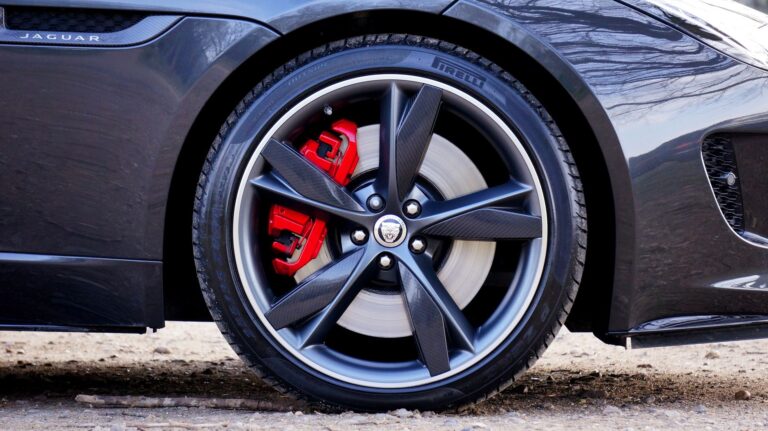
- Visual inspection through the wheel: Look for blue spots (overheating), heavy lip at the disc edge, or obvious scoring.
- Wheel torque check: Confirm wheel bolts were tightened evenly to Land Rover spec (use a calibrated torque wrench).
Workshop-level checks (recommended)
A competent garage will typically do the following:
- Measure disc runout using a dial gauge at the disc face
- Measure disc thickness variation with a micrometer at several points
- Inspect hub face for corrosion and high spots
- Check caliper function: free movement of slide pins, piston retraction, pad fitment
- Check suspension/steering joints and bushings: worn bushings can turn a mild brake issue into a pronounced shake
Diagnostic tools and software
While brake judder is mechanical, Land Rover diagnostic software can help rule out related issues:
- Pathfinder (JLR) can check for stored ABS/EPB faults, brake pressure sensor issues, and confirm brake-related updates or calibrations where applicable. If you’re cross-shopping advice from other brands: BMW owners might use ISTA, Mercedes owners Xentry, and VW Group owners ODIS for similar supporting checks, but the physical measurements are still the key.
5. How to fix
The correct fix depends on whether the judder is caused by disc/pad deposits, mechanical runout, or a sticking component.
Fix 1: Proper disc and pad replacement (most common)
If DTV or heat spots are present, replacing discs and pads together is usually the most reliable solution. Mixing new pads with old discs (or vice versa) can reintroduce vibration quickly.
Key points:
- Clean the hub face to bare metal and remove corrosion
- Use new retaining screws if fitted and ensure the disc seats flat
- Torque wheels evenly in a star pattern
Fix 2: Correct bedding-in procedure
Many repeat judder cases come from poor bedding-in, especially after new brakes. A proper bedding process helps lay down an even transfer layer:
- 8–10 moderate stops from 60–20 km/h (40–12 mph), allowing cooling air between stops
- Avoid holding the car on the pedal after a hard stop (can imprint pad material)
Fix 3: Address caliper drag or hardware issues
If one side runs hotter or pads wear unevenly:
- Service or replace caliper slide pins and boots
- Check pad shims and anti-rattle hardware
- If a piston is sticking, a caliper rebuild or replacement may be needed
Fix 4: Correct runout at the hub
If runout is high even with new parts:
- Re-clean hub mating surfaces
- Check hub/bearing play
- In rare cases, replace a bent hub or wheel bearing assembly
Fix 5: Suspension/steering components
If braking loads trigger wobble:
- Replace worn lower control arm bushings, ball joints, or track rod ends This doesn’t fix the brakes themselves, but it stops the vibration being amplified.
6. Repair costs
Costs vary by country, labour rates, and whether you choose OEM, premium aftermarket, or performance parts. Typical European ranges (parts + labour):
- Front discs + pads (standard quality): €450–€900
- Front discs + pads (OEM or premium): €700–€1,300
- Caliper service (pins/boots, clean and grease): €120–€250
- Caliper replacement (one side): €350–€800
- Brake fluid change (if due): €80–€150
- Suspension arm/bush repair (if contributing): €300–€900 per side depending on parts
If your Defender has larger brake packages or higher-spec components, costs can move toward the upper end. Always ask whether the quote includes hub cleaning and correct torque procedure—small steps that prevent a comeback.
7. Prevention tips
Brake judder is often preventable with a few habits and good installation practices:
- Torque wheel bolts correctly and avoid impact-gun final tightening
- Bed in new brakes properly and avoid hard stops in the first 200–300 km
- After heavy braking, don’t sit stationary with the pedal clamped—use the handbrake/auto hold carefully or roll slightly to avoid hot-spot imprints (where safe)
- If towing or descending long hills, use engine braking to reduce heat
- Keep tyres correctly inflated and wheels balanced to reduce vibration sensitivity
- Choose pads appropriate for road use; overly aggressive compounds can be more prone to noise and uneven transfer
8. When to see a mechanic
Book a professional inspection if:
- The judder is strong enough to make the steering feel unstable
- You feel vibration even during light braking, or it’s getting worse quickly
- One front wheel is significantly hotter (possible caliper drag)
- There are warning lights for ABS/traction control (have it scanned with Pathfinder)
- You’ve replaced discs/pads and the issue returned within a few thousand kilometres
A good workshop will measure runout/DTV rather than guessing. That one step often separates a permanent fix from repeated parts swapping.
9. Frequently Asked Questions
Frequently Asked Questions
Is front brake judder on the Defender L663 always “warped discs”?
Not usually. Most cases are caused by uneven pad material transfer or disc thickness variation rather than the disc physically warping. Heat and incorrect installation are common contributors.
Can I just replace the pads and keep the existing discs?
If the discs have DTV, heat spots, or significant wear, new pads alone often won’t solve the judder. It can even make it worse by bedding onto an uneven surface. Replacing discs and pads together is typically the most reliable approach.
Why did the judder start soon after a brake service?
The most common reasons are poor hub cleaning, incorrect wheel bolt torque, or improper bedding-in. Any of these can create runout or uneven deposits that become noticeable at motorway speeds. Ask the garage if they measured runout and cleaned the hub face properly.
Could tyres or wheel balance cause vibration that feels like brake judder?
Yes, but tyre/wheel vibration is usually present without braking and changes smoothly with speed. Brake judder is typically triggered by braking and often comes with pedal pulsation. A road test plus disc measurements will separate the two.
Is it safe to keep driving with high-speed brake judder?
Mild judder may not be immediately dangerous, but it can increase stopping distances, accelerate wear, and stress suspension components. If the steering shakes strongly or braking feels inconsistent, stop driving at high speeds and have it inspected promptly.