1. Introduction
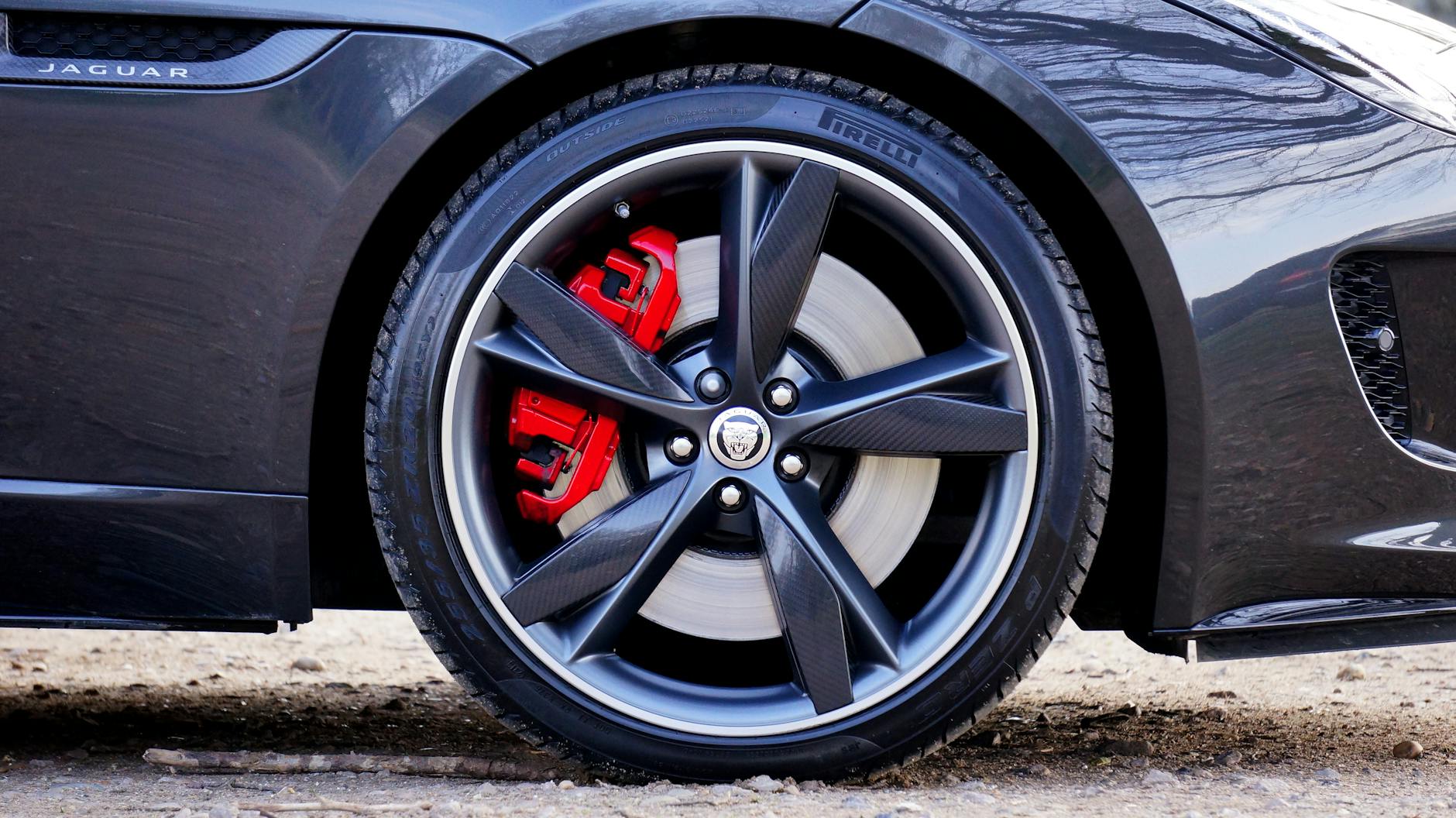
If you own a Jaguar XJ X351 with the 5.0 V8 Supercharged (commonly the AJ133 engine), you already know it’s a heavy, fast luxury saloon that relies on serious braking performance. Brake calipers are the heart of that system: they clamp the pads onto the discs, manage heat, and determine pedal feel as much as the pads and fluid do. For everyday owners, calipers can feel like a “behind the wheel” mystery—until you need new ones, want to refresh the look, or you’re chasing a pull, vibration, or warning light.
Recommended Tool: Professional OBD2 Scanner
Recommended Tool: Premium Brake Pads
Recommended Tool: Cooling System Diagnostic Tools
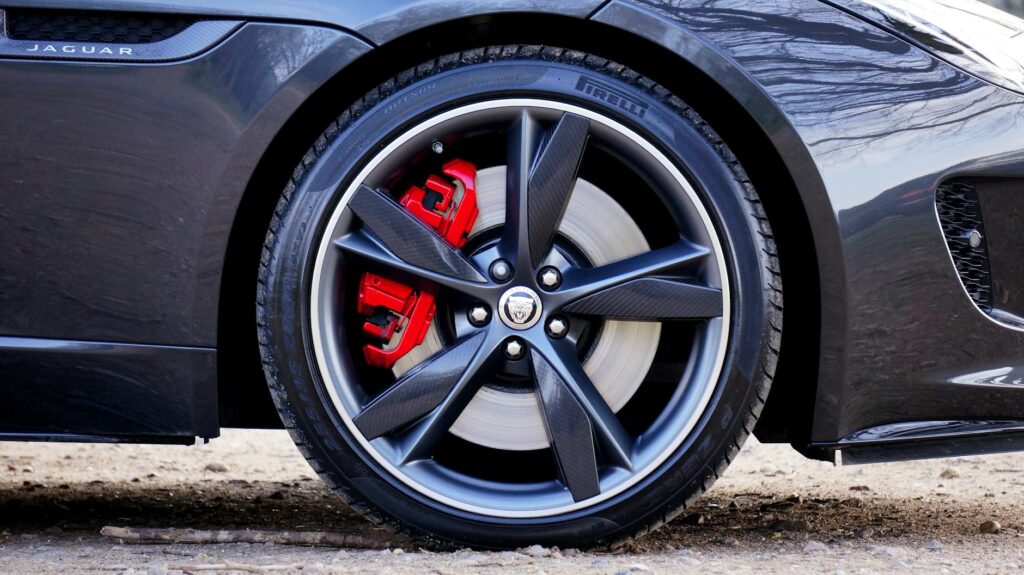
This guide breaks down caliper sizing basics, common factory color options, and what replacement really involves (including realistic costs). Even if you also run a BMW with a ZF 8HP, a Mercedes with the OM651, or an Audi/VW with DSG, the same principles apply: match the correct hardware to your VIN and braking package, confirm fitment, and fix root causes—not just symptoms.
🔧 Recommended Professional Tool
Mercedes OM651 Diesel ToolsAdvanced diesel diagnostic tools for OM651
✔ Recommended by automotive technicians ✔ Suitable for BMW, Mercedes, VAG & JLR platforms ✔ Fast international shipping
2. Causes
Caliper issues and replacement needs on the X351 usually come from a mix of heat, corrosion, age, and incorrect parts. Typical causes include:
- Seized or sticking piston(s) due to corrosion, contaminated brake fluid, or heat cycling
- Sticking slider pins (if your caliper design uses guided movement) from dried grease, torn boots, or rust
- Uneven pad wear caused by caliper imbalance, worn hardware, or incorrect pad fitment
- Paint and finish deterioration (color fading, peeling) from road salt, pressure washing too close, or track-level heat
- Incorrect caliper/disc combination after an upgrade or previous repair—wrong carrier bracket, disc thickness mismatch, or wheel clearance issues
- Parking brake-related drag (rear) depending on specification; some issues are mistaken for caliper faults when the parking brake mechanism is the true cause
On performance trims, higher brake temperatures accelerate seal hardening and piston dust boot failure, which invites moisture and corrosion.
3. Symptoms
Watch for these common signs that your X351 calipers are the wrong size, failing, or dragging:
- Car pulls left or right under braking
- Hot wheel smell or one wheel noticeably hotter after a short drive
- Squealing or grinding that returns quickly after new pads
- Vibration or a “warped disc” feeling that keeps coming back (often disc hot spots from drag)
- Uneven pad thickness side-to-side on the same axle
- Soft pedal or longer stopping distances (sometimes fluid-related, but caliper leaks matter)
- Brake warning messages—on JLR, faults may log in modules even if the dash looks normal
Cosmetic issues matter too: faded caliper color isn’t dangerous by itself, but it often correlates with high heat history.
4. How to diagnose
You don’t need to be a mechanic, but you do need a method. Start simple, then confirm with measurements and (when available) JLR diagnostics.
Visual and temperature checks (safe, basic)
- After a normal drive (no hard braking), carefully check if one wheel is significantly hotter than the others. A cheap infrared thermometer helps.
- Look through the wheel spokes:
- Are pads wearing unevenly (inner vs outer)?
- Are the dust boots torn or wet with fluid?
- Any blueing on discs indicating overheating?
Physical checks (with the car safely lifted)
- Spin the wheel by hand (parking brake off). Excessive resistance can suggest drag.
- Inspect slider pins/boots and pad abutment areas for rust build-up.
- Check disc thickness and lip formation; excessive lip can cause pad knock and noise.
Confirming sizes and correct fitment
Caliper “size” is often discussed in three ways:
- Piston diameter (or multiple pistons)
- Disc diameter and thickness compatibility
- Carrier bracket geometry (mount spacing and offset)
The most reliable method is VIN-based parts lookup and verification. On JLR, workshop-level tools like SDD (older) or Pathfinder (newer) help confirm the exact brake package and part numbers. If you’re coming from the German side: ISTA (BMW), Xentry (Mercedes), and ODIS (VAG) do the same job—confirming PR codes/option codes and the correct caliper/carrier/disc combination.
Rule of thumb
If a previous owner fitted non-matching discs or calipers, you can end up with:
- Pads not fully contacting the disc (reduced braking)
- The caliper sitting off-center (constant rub)
- Wheel clearance problems (spacers added to “fix” it)
5. How to fix
Fix depends on whether your goal is restoration, replacement, or upgrade, and whether the problem is functional or cosmetic.
Option A: Service/restore a sticking caliper
- Replace dust boots and piston seals (rebuild kit) if the bore is clean
- Clean and lubricate slider pins with correct high-temp brake grease
- Flush brake fluid (very important on heavy, powerful cars like the X351)
- Fit new pads and hardware if wear is uneven or contaminated
This is worthwhile if the caliper body is healthy and you want OEM function.
Option B: Replace calipers (most common)
Replace if:
- The piston bore is pitted
- The bleed nipple snaps or threads are damaged
- The caliper leaks
- Corrosion has compromised the structure or pad abutments
Best practice:
- Replace calipers in pairs on the same axle for balanced braking
- Use new copper washers/sealing rings where applicable
- Bleed properly and follow any JLR bleeding routine if required (some cars benefit from scan-tool assisted bleeding/ABS cycling using Pathfinder/SDD)
Option C: Color refresh (cosmetic, done correctly)
If you want the factory look (or a subtle change), avoid cheap brush-on kits that can peel. A proper job is:
- Remove calipers, clean, mask precisely
- Use high-temp primer/paint or powder coat
- Ensure no paint contaminates piston seals, slider bores, or pad contact points
Be cautious with bright colors: resale buyers often prefer OEM-style finishes, especially on luxury saloons.
Option D: Upgrade considerations
Upgrading brakes can be sensible, but only if you match:
- Calipers + carriers + discs + pads as a complete system
- Wheel size/offset clearance
- Brake balance front-to-rear
Random “bigger calipers” without engineering can worsen pedal feel and ABS behavior.
6. Repair costs
Realistic European cost ranges (parts + labor) depend heavily on whether you choose OEM, quality aftermarket, or remanufactured units, and whether you replace discs/pads at the same time.
- Caliper service/rebuild (one axle): €250–€550
- Includes seals/boots, cleaning, fluid top-up/bleed; excludes discs/pads unless needed
- Replace front calipers (pair): €700–€1,600
- Remanufactured calipers at the low end; OEM new at the high end
- Replace rear calipers (pair): €600–€1,400
- Calipers + discs + pads (front axle): €900–€2,200
- Higher if you choose premium discs/pads or have seized hardware
- Brake fluid flush (standalone): €80–€160
- Cosmetic refinish (all four calipers, removed): €400–€900
- Powder coating typically costs more but lasts longer
Labor rates vary widely: independent specialists may be €70–€110/hr; dealers often €130–€200/hr. If the car has the ZF 8HP gearbox (common on many European cars, and relevant as a reference point), the braking job is still mostly mechanical—but scan-tool time can add cost if bleeding routines or fault clearing is needed.
7. Prevention tips
A few habits make calipers last longer and keep braking consistent:
- Change brake fluid every 2 years (moisture causes internal corrosion and sticking pistons)
- Rinse winter salt off wheels and calipers gently; avoid blasting seals with high-pressure water
- Use quality pads that match your driving (cheap pads can overheat and leave deposits)
- Don’t ignore small pulls or heat smells—early fixes are cheaper
- After pad replacement, ensure the shop cleans pad abutments and uses correct lubricant sparingly
- If the car sits often, take it for a proper drive to reduce rust build-up on discs and caliper hardware
8. When to see a mechanic
Book a professional inspection immediately if:
- The car pulls hard under braking
- One wheel is consistently hotter
- You see brake fluid leaks
- The pedal suddenly changes feel (soft, sinking, or requires pumping)
- Any warning messages appear, or braking becomes unpredictable
A JLR-independent specialist with Pathfinder/SDD access can confirm brake configuration by VIN, check stored faults, and ensure proper bleeding. This matters because a misdiagnosed caliper issue can mask deeper problems like a collapsed hose, ABS modulator fault, or incorrect previous parts.
9. Frequently Asked Questions
Frequently Asked Questions
How do I know what brake caliper size my Jaguar XJ X351 has?
The safest way is VIN-based parts lookup, because X351 brake packages vary by model year, engine, and options. You can also confirm by measuring disc diameter and thickness, but caliper carrier geometry still has to match. A JLR specialist can confirm original specification using Pathfinder or SDD.
Can I replace just one brake caliper?
It’s possible, but not ideal on a heavy, powerful car because braking balance can change side-to-side. If one caliper has seized or leaked, the opposite side is often not far behind in age and condition. Replacing calipers in pairs on the same axle is the more reliable approach.
Are painted or powder-coated calipers safe?
Yes, if done properly with the caliper removed and critical areas kept paint-free. Paint must not contaminate seals, slider bores, pad abutment surfaces, or bleed screw seats. Poor prep or painting on the car often leads to peeling and can trap corrosion.
Do I need new discs and pads when replacing calipers?
Not always, but it’s common because a sticking caliper can overheat pads and create disc hot spots. If pads are unevenly worn, glazed, or contaminated, they should be replaced. Discs should be measured for thickness and checked for heat damage before deciding.
What else can mimic a bad caliper?
A collapsed flexible brake hose can act like a one-way valve and cause dragging similar to a seized piston. Worn suspension bushes can cause braking pull even with healthy calipers, and poor-quality pads can create vibration that feels like warped discs. Proper diagnosis saves money by preventing unnecessary caliper replacement.