1. Introduction
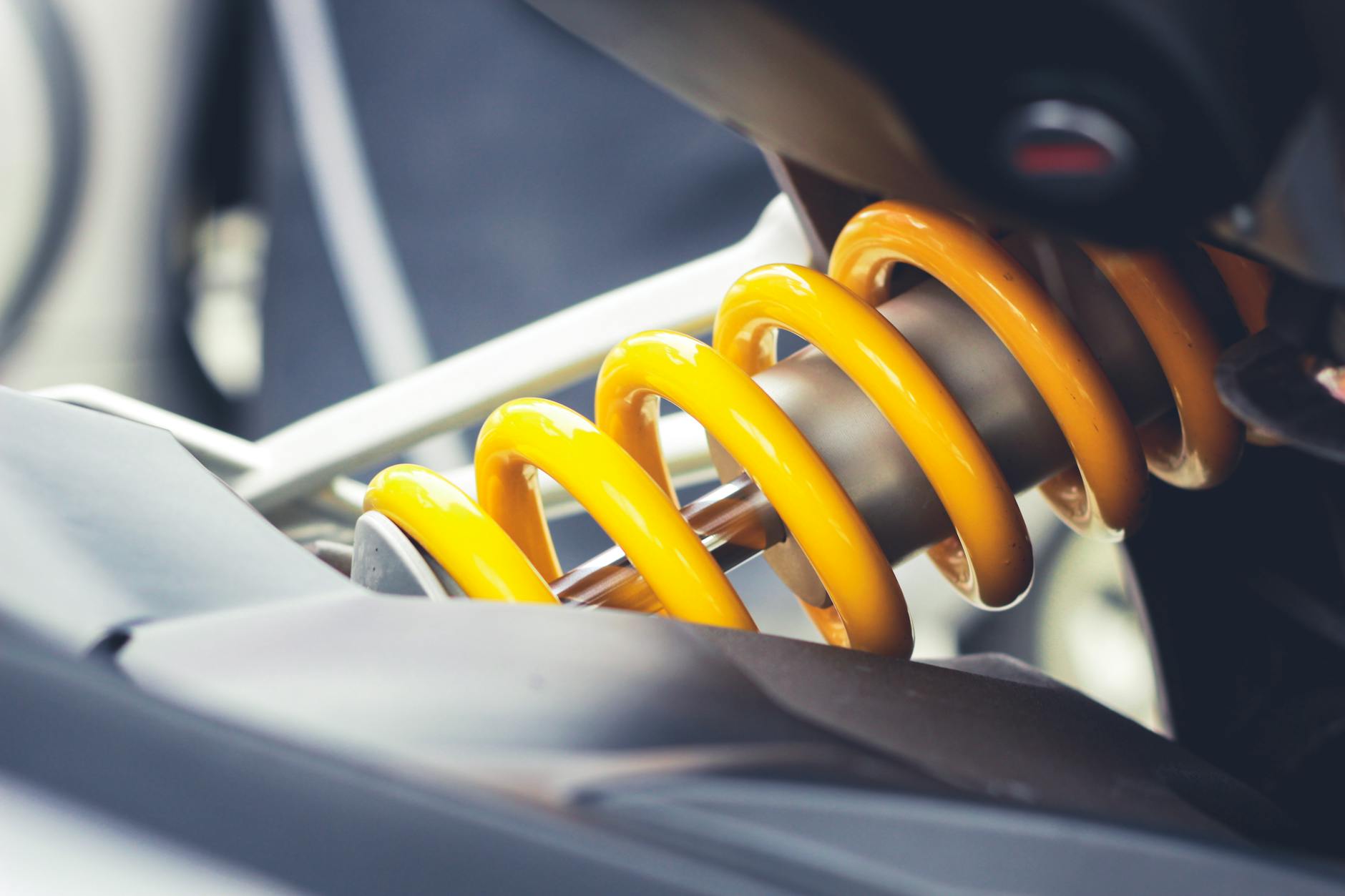
A rear shock absorber failure on the Jaguar XE (X760), particularly on common diesel variants like the 2.0D (often badged as 20d/180, using JLR’s Ingenium diesel family), can creep up gradually. Many owners only realise something is wrong when the ride becomes unsettled, tyres begin to wear oddly, or the car starts feeling “loose” at speed. Because the XE shares typical modern suspension design traits with other premium European cars—BMW 3 Series, Mercedes C-Class, Audi A4/VW Group MQB/MLB models—the same principles apply: shocks are wear items, and once they’re past their best the rest of the chassis can’t do its job properly.
Recommended Tool: Professional OBD2 Scanner
Recommended Tool: Premium Brake Pads
Recommended Tool: OEM Suspension Components
This guide focuses on early signs of rear shock absorber failure, how an everyday owner can confirm the problem, and how to source the correct parts without overpaying or fitting the wrong spec. Where relevant, we’ll also touch on how workshop diagnostic tools like JLR SDD/Pathfinder (and the equivalent ISTA, Xentry, ODIS) fit into the picture.
🔧 Recommended Professional Tool
JLR Ingenium Engine ToolsRecommended tools for Ingenium engine diagnostics
✔ Recommended by automotive technicians ✔ Suitable for BMW, Mercedes, VAG & JLR platforms ✔ Fast international shipping
2. Causes
Rear shock absorbers on the XE work hard, especially on European roads with speed bumps, potholes, and uneven surfaces. Failure is rarely a single dramatic event; it’s usually progressive wear or deterioration.
Common causes include:
- Normal internal wear: The damper oil and internal valves degrade over time, reducing control of rebound and compression.
- Seal failure and fluid leaks: A worn seal lets oil out; once oil is lost, damping performance drops quickly.
- Corrosion on the damper shaft: Road salt and grime can pit the shaft, damaging seals and accelerating leaks.
- Repeated heavy loads: Regularly carrying heavy luggage, tools, or towing increases stress on rear dampers and mounts.
- Worn top mounts/bushings: Sometimes the shock is fine, but the upper mount or lower bushing develops play, creating knocking and instability.
- Mismatched tyres or incorrect pressures: This doesn’t directly “break” shocks, but it can mask symptoms or amplify poor ride control, making a marginal damper feel far worse.
3. Symptoms
Rear shock absorber problems can feel like tyre issues, alignment drift, or even rear brake instability. On the XE, the earliest symptoms are often subtle.
Look for:
- Bouncy ride over undulations: The rear takes an extra “second bounce” after a bump.
- Rear-end float or wallow at speed: Especially on motorways, sweeping bends, or during quick lane changes.
- Clunking/knocking from the rear: Often worse over sharp bumps (speed humps, pothole edges), commonly linked to mounts or a worn damper.
- Uneven rear tyre wear: Cupping/scalloping can appear when damping is weak, even if alignment is nominal.
- Longer stopping distances or instability under braking: The rear can feel less planted, particularly in wet conditions.
- Visible oil on the shock body: A light mist may be early seepage; wet streaking is more serious.
- Ride height changes (less common): Shocks don’t hold the car up (springs do), but a failed damper can coincide with a tired spring, making the rear look low.
4. How to diagnose
You can do a meaningful first check at home, then decide whether to confirm with a workshop inspection.
Quick driveway checks (owner-friendly)
- Visual inspection (wheel off is best, but not essential):
- Look behind the rear wheels for oil wetness on the shock absorber.
- Check for cracked rubber on mounts/bushings.
- Compare left vs right—failure is often worse on one side first.
- Bounce test (limited but useful):
- Push down firmly on the rear corner and release.
- If it oscillates more than once or feels “springy,” damping may be weak. (Modern cars are stiff; this test isn’t definitive, but a clearly bouncy corner is a red flag.)
- Listen and feel on a familiar road:
- Drive slowly over a known speed bump and note any double-bounce or knock.
- On a motorway, note if the rear feels nervous over expansion joints.
Workshop-level confirmation
A competent shop will typically:
- Put the car on a lift and check shock leaks, shaft play, and mount condition.
- Inspect related components: rear springs, anti-roll bar links, rear control arm bushes, and wheel bearings (all can mimic damper noise).
- Use a shaker plate or suspension test rig (where available) to compare damping side-to-side.
Do diagnostics tools help?
Tools like JLR SDD/Pathfinder generally won’t “diagnose” a conventional shock absorber directly. However, they can:
- Check for related fault codes in ABS/DSC if stability control has been intervening unusually.
- Confirm wheel speed sensor issues or other chassis faults that might confuse the symptom picture.
(Equivalent platform tools: BMW ISTA, Mercedes Xentry, VAG ODIS—useful for ruling out electronic causes, not for proving a leaking damper.)
5. How to fix
For most XE owners, the correct repair is straightforward: replace rear shocks in pairs, and address mounts or related wear at the same time.
What a proper fix includes
- Replace both rear shock absorbers (left + right).
Even if only one is leaking, the other is usually not far behind, and paired damping matters for stability. - Inspect/replace upper mounts and bump stops if worn.
Worn mounts can cause knocking that persists even after new dampers. - Check rear springs for cracks or sag (less common than damper wear, but worth checking).
- Wheel alignment check after suspension work.
Rear alignment isn’t always “mandatory” after shocks alone, but it’s a sensible step if tyre wear or handling changes were noticeable.
Parts sourcing guide (avoiding wrong-spec purchases)
Jaguar XE rear suspension can vary by:
- Model year and VIN breakpoints
- Wheel/tyre packages
- Sport vs non-sport suspension tuning
- Possible adaptive systems on higher trims (market-dependent)
To source correctly:
- Use your VIN when ordering—preferably through a reputable parts supplier that can match OE numbers.
- Choose OE/OEM brands when possible. Quality dampers matter; cheap units can feel harsh and wear quickly.
- Avoid mixing brands or types side-to-side.
- If the car has any form of electronically controlled damping (less common on typical 2.0D trims), confirm compatibility—wrong parts can trigger warnings or poor ride.
6. Repair costs
Costs vary widely across Europe by labour rates and parts choice. Below are realistic ranges for a Jaguar XE X760 2.0D rear shock absorber replacement (both sides).
- Parts (pair of rear shocks):
- Aftermarket quality/OEM supplier: €200–€450
- Genuine Jaguar: €450–€800
- Mounts/bump stops/dust boots (optional but common):
- €60–€180 total
- Labour:
- Typically 1.5–3.0 hours depending on workshop and corrosion: €150–€450
- Wheel alignment check/adjustment (recommended):
- €80–€160
Typical total (parts + labour): €450–€1,200
At independent specialists, many owners land around €600–€900 for a thorough job with good parts.
7. Prevention tips
You can’t make shocks last forever, but you can slow wear and spot problems earlier.
- Wash the underside in winter if you drive on salted roads (helps reduce corrosion on damper bodies and shafts).
- Keep tyre pressures correct and avoid running mismatched tyres across an axle.
- Don’t ignore small knocks—early mount wear can accelerate damper stress.
- Avoid repeated heavy impacts (deep potholes at speed). One hit can start a leak by damaging the seal.
- Inspect suspension annually or at each service. A quick look for misting and bush cracking can save tyres and maintain handling.
8. When to see a mechanic
Book a professional inspection promptly if:
- You see visible oil running down a rear shock.
- The car feels unstable in corners, during braking, or in crosswinds.
- There’s persistent rear knocking you can’t confidently attribute to loose items in the boot.
- Rear tyre wear becomes irregular or rapid.
- The vehicle fails (or is close to failing) an MOT/TÜV-style inspection due to leaks or excessive bounce.
If you drive a lot of motorway kilometres, tow, or carry frequent loads, don’t delay—weak damping is a safety issue, not just a comfort problem.
9. Frequently Asked Questions
Frequently Asked Questions
Can I drive with a leaking rear shock absorber on my Jaguar XE X760?
You can often drive short distances, but it’s not advisable for normal use. A leaking shock reduces tyre contact and stability, especially in wet conditions or during emergency braking. Continued driving can also accelerate tyre wear and stress other suspension bushes.
Should I replace one rear shock or both?
Both is strongly recommended. Even if only one is visibly leaking, the opposite side is usually worn similarly, and mismatched damping can make the car feel unstable. Replacing in pairs also helps maintain predictable handling.
Will JLR SDD/Pathfinder show a fault code for worn shocks?
Usually not for conventional dampers. These tools are more useful to rule out related ABS/DSC or chassis sensor issues if you have warning lights or unusual stability control behaviour. Physical inspection is still the primary method for confirming shock failure.
What else should be replaced at the same time as rear shocks?
Upper mounts, bump stops, and dust boots are commonly renewed if worn or degraded. It’s also wise to inspect rear anti-roll bar links and control arm bushes, because they can cause similar noises. If tyre wear was affected, plan a wheel alignment check after the work.
How do I make sure I’m buying the correct rear shocks for my XE?
Use your VIN and confirm the exact suspension specification before ordering. Buy from reputable suppliers that cross-reference OE part numbers, and avoid ultra-cheap no-name dampers. If your car has any special suspension package, verify compatibility to prevent poor ride quality or fitment issues.