1. Introduction
Regenerative braking is one of the biggest everyday differences between an EV like the Jaguar I‑Pace EV400 and a petrol or diesel car. Instead of wasting braking energy as heat, the I‑Pace uses its electric motors as generators to slow the car and send energy back into the battery. For European owners used to conventional brake servicing schedules on BMW (N47/N57), Mercedes (OM651), Audi/VW (TDI/TSI with DSG), or JLR models, this can be confusing: if regen does most of the slowing, why do some I‑Pace owners still face brake issues?
Recommended Tool: Professional OBD2 Scanner
Recommended Tool: Premium Brake Pads
Recommended Tool: Portable Jump Starter
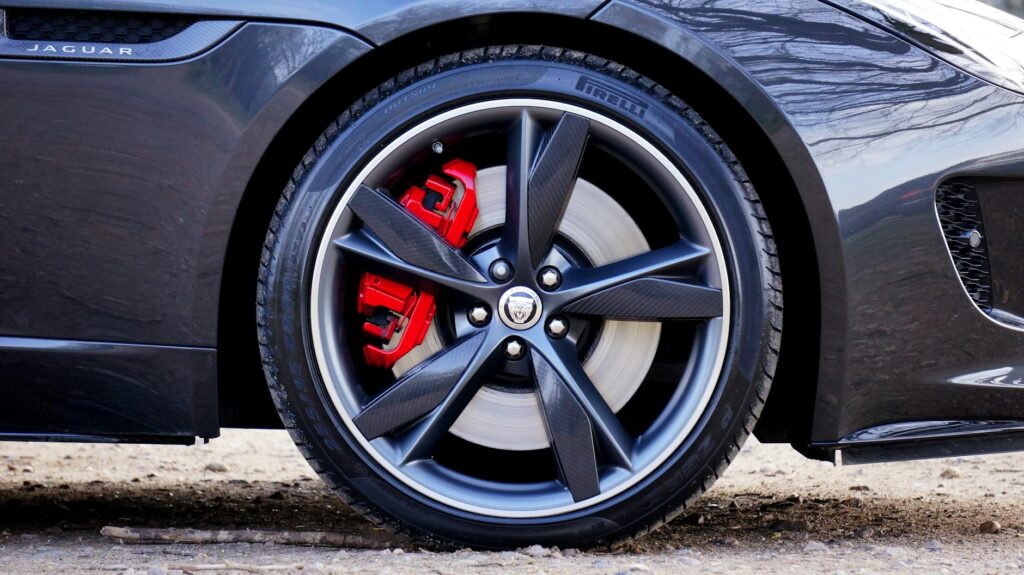
The key is that regeneration changes how the mechanical brakes are used, not whether you need them. In many cases pads and discs last longer, but other issues—like corrosion, sticking caliper slider pins, or uneven pad deposits—can appear sooner because the brakes are used less and often at low loads. Understanding the balance between regenerative braking and friction braking helps you maintain safe, quiet, predictable braking and avoid costly surprises at MOT time.
🔧 Recommended Professional Tool
Mercedes OM651 Diesel ToolsAdvanced diesel diagnostic tools for OM651
✔ Recommended by automotive technicians ✔ Suitable for BMW, Mercedes, VAG & JLR platforms ✔ Fast international shipping
2. Causes
How regen reduces pad wear (most of the time)
When you lift off the accelerator in the I‑Pace, the motors provide a deceleration effect similar to engine braking. In “one‑pedal” style driving, you may only touch the brake pedal at low speeds or in emergencies, so the pads and discs do less work.
Why mechanical brakes can still wear or deteriorate
Even with regen, the I‑Pace still uses conventional hydraulic brakes for:
- Final stopping below very low speeds
- Hard braking when deceleration demand exceeds regen capability
- ABS/ESC interventions
- Wet conditions or low traction where regen is limited
- Battery full/cold scenarios where regen is reduced
Common reasons mechanical pad/disc condition can worsen despite low mileage:
- Corrosion on discs from infrequent use (surface rust becomes pitting)
- Sticking caliper slider pins or seized pad ears, especially in salty winter climates
- Glazing or uneven transfer layer because brakes don’t get hot enough often
- Brake blend calibration factors (software/updates can change pedal feel and friction contribution)
- Driving pattern: short trips, urban stop-start, and coastal air accelerate corrosion
3. Symptoms
You may notice brake issues even if the car feels like it “barely uses pads”:
- Squealing or scraping noises, especially first brake application in the morning
- Pulsation or vibration through the pedal (disc runout, corrosion spots, uneven deposits)
- Pulling left or right under braking (caliper imbalance or contaminated pads)
- Longer stopping distances at low speed compared to what you expect
- Grinding in the last few metres of stopping (heavily rusted disc faces)
- A “step” or inconsistency when moving from regen to friction braking (blend feel)
- MOT advisories for corroded discs, pad wear, or binding brakes
4. How to diagnose
Start with simple checks you can do safely
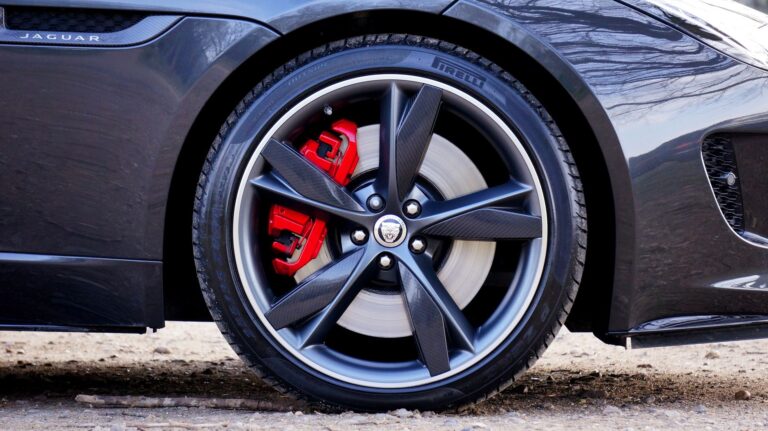
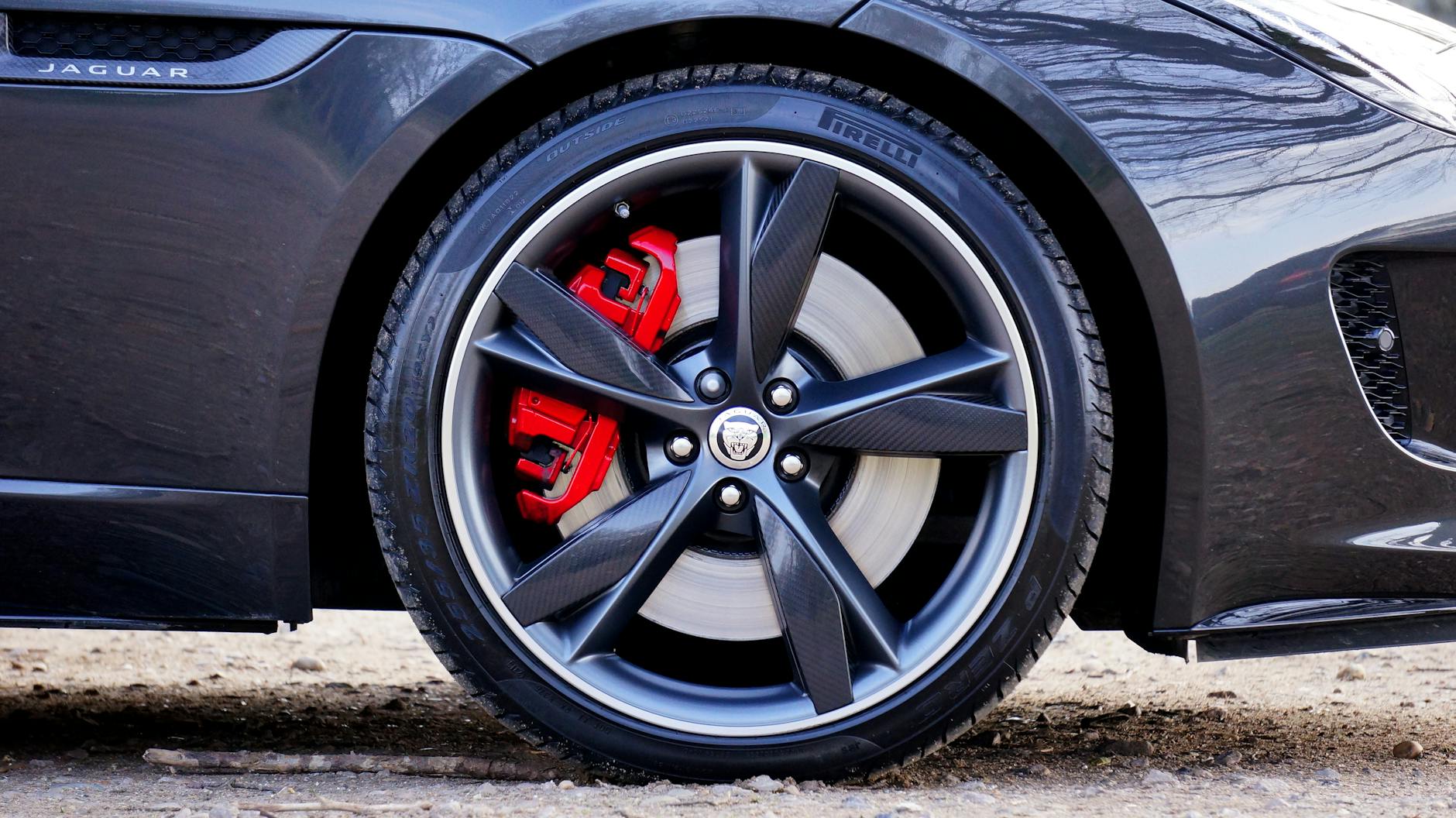
- Look through the wheels at the discs: light surface rust is normal; heavy pitting, flaking edges, or ridges are not.
- After a short drive, carefully compare wheel temperatures (without touching hot components). One wheel much hotter can indicate a binding caliper.
- Note when noises occur: only after rain? only at very low speed? only after motorway driving?
Use vehicle diagnostics when needed
On JLR products like the I‑Pace, workshops typically use Pathfinder (or SDD on older models) to check:
- Brake system fault codes (ABS/ESC)
- Brake pressure sensor plausibility
- Brake blending or stability control logs if a warning appears
- Software level updates that may affect regen behaviour or pedal mapping
If you also own other European cars, the equivalent diagnostic ecosystems are:
- BMW ISTA (often used to check DSC faults, brake pressure sensors, electronic parking brake issues)
- Mercedes Xentry (ESP/ABS, SBC on older models, brake pad wear sensors)
- VAG ODIS (ABS module faults, electronic parking brake calibration, brake pressure sensors)
Road test cues (safe and legal)
A technician may do controlled stops to feel:
- Transition from regen to friction braking
- ABS engagement consistency
- Whether the car slows evenly or “grabs” at the end
5. How to fix
If the issue is mild: “cleaning” the discs
If discs are only lightly rusted and pads are healthy, a few firm stops from higher speed (when safe) can clean the rotor faces. This is similar to the “Italian tune-up” idea but applied to brakes—done carefully, not aggressively.
Servicing sticky brakes (common on low-use friction systems)
If a caliper is binding, a proper brake service may include:
- Removing pads and cleaning pad carriers
- Cleaning and lubricating slider pins with correct high-temp grease
- Replacing torn dust boots or corroded hardware
- Checking the electronic parking brake mechanism (if applicable)
Replacing pads and discs
If discs are pitted, heavily lipped, or warped, replacement is usually the sensible route. EV torque and weight mean the I‑Pace can still be demanding on brakes during hard stops, so fitting quality parts matters.
Brake fluid service
Even though regen reduces pad wear, brake fluid still absorbs moisture over time. A fluid change restores boiling point and can improve pedal consistency, particularly during repeated hard braking.
6. Repair costs
Prices vary by country, labour rate, and whether you use genuine, OEM, or aftermarket parts. Realistic European ranges (parts + labour):
-
Brake inspection/clean & lubricate (per axle): €120–€250
Useful for sticking sliders and uneven pad movement; often prevents premature wear. -
Brake fluid change: €90–€180
Usually recommended every 2 years regardless of mileage. -
Front pads + discs (I‑Pace EV400): €450–€900
Wide range depending on disc type and brand. Labour can be higher if corrosion makes removal difficult. -
Rear pads + discs: €400–€850
Rear brakes can suffer from corrosion because they’re used less in many regen-heavy setups. -
Single caliper rebuild or replacement (one corner): €250–€650
Cost depends on whether a rebuild kit is available/appropriate versus replacing the caliper. -
ABS/ESC sensor or fault diagnosis and fix: €150–€600
Includes diagnostic time with Pathfinder and potential sensor replacement or wiring repair.
7. Prevention tips
Regenerative braking is great, but you can keep mechanical brakes healthy with small habits:
- Use the friction brakes deliberately once in a while. A few firm, safe stops help keep discs clean.
- After washing the car or driving in heavy rain, do gentle braking to dry the discs.
- Don’t ignore low-speed squeal. Early servicing can prevent disc damage.
- Keep up with brake fluid intervals even if pads look new.
- Choose quality brake parts. Cheap pads can be noisy and can deposit material unevenly, causing judder.
- In winter climates, consider an annual brake clean/lube service to combat salt corrosion.
8. When to see a mechanic
Book a professional inspection if you notice:
- Grinding noises, especially if persistent after a few normal braking events
- Vibration under braking that doesn’t go away (possible disc runout or pad deposits)
- Pulling to one side or a steering wheel shake
- Any brake warning light or stability control warning
- One wheel running noticeably hotter (binding caliper risk)
- MOT advisories for corroded discs or binding brakes
A workshop with JLR experience and Pathfinder access is ideal for interpreting any stored braking/ABS faults and confirming whether regen limitation is normal (battery state, temperature) or linked to a control issue.
9. Frequently Asked Questions
Frequently Asked Questions
Why do my I‑Pace brake discs look rusty if I hardly use the brakes?
Light surface rust is common because regen reduces friction-brake use. If the rust becomes pitted or the braking surface looks patchy after normal driving, the discs may not be cleaning up and could need servicing or replacement.
Do EVs like the I‑Pace always need fewer brake pad replacements than petrol or diesel cars?
Often yes, because regen does much of the slowing, especially in town. However, corrosion, sticking hardware, and occasional heavy braking can still wear pads and discs earlier than expected in some driving conditions.
Can software updates change how regenerative braking feels or how much the pads are used?
Yes, updates can refine brake blending, pedal mapping, and stability control logic. A JLR specialist using Pathfinder can confirm software levels and check for related service actions if the braking feel has changed.
Is brake judder in an EV usually warped discs?
Not always. Judder is often caused by uneven pad deposits or corrosion spots that create thickness variation. A proper inspection will determine whether cleaning, pad replacement, or new discs are the correct fix.
Should I change brake fluid even if regen does most braking?
Yes. Brake fluid ages with time, not pad wear, and moisture reduces its boiling point. Fresh fluid helps maintain consistent braking performance during hard stops or repeated braking.