1. Introduction
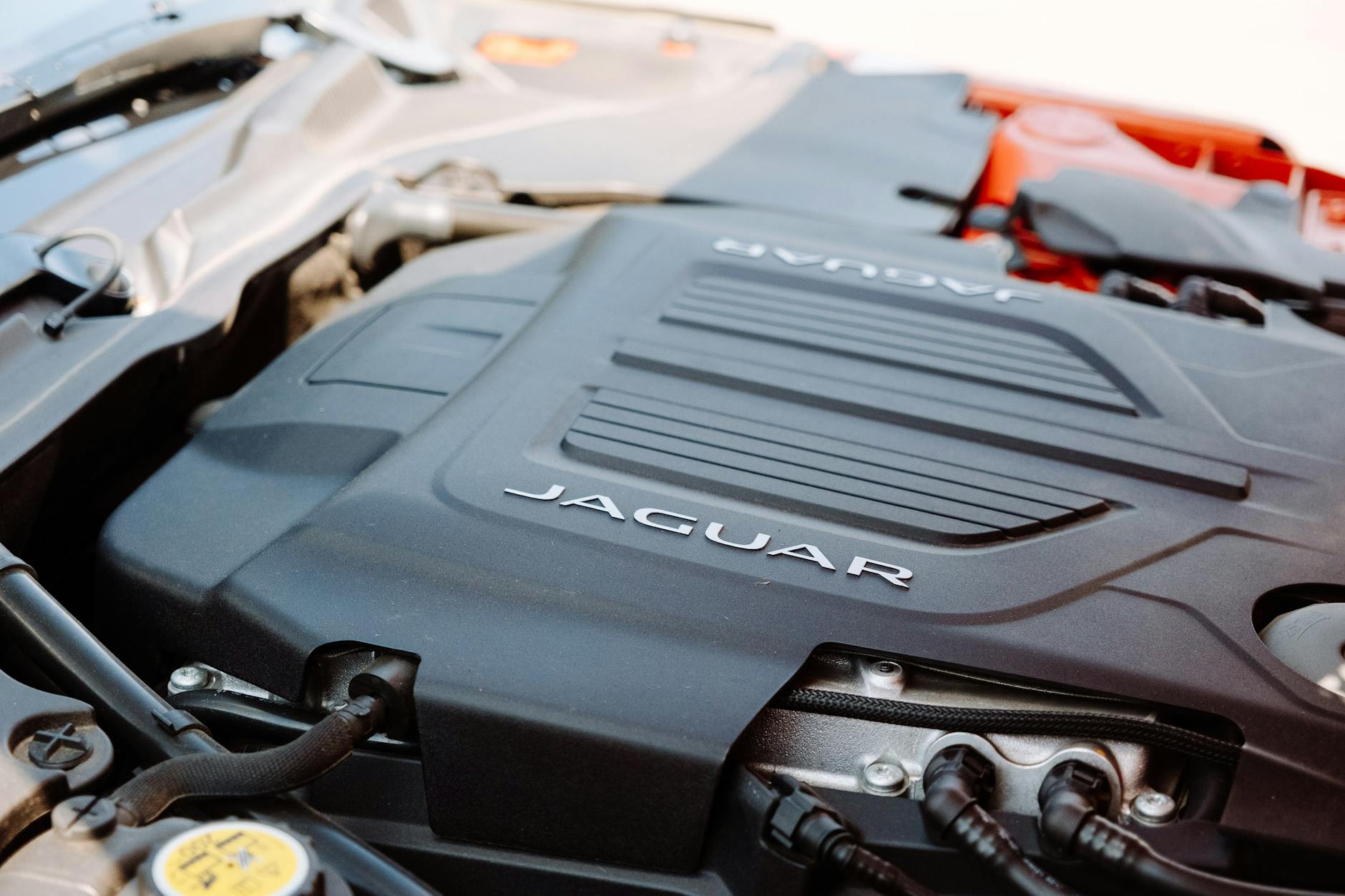
A supercharger rattle on a Jaguar F-Type can be worrying because it sits right on the line between “normal mechanical character” and “something is about to get expensive.” Most F-Types with the supercharged V6 (AJ126) or supercharged V8 (AJ133) use an Eaton TVS-style supercharger mounted in the “V” of the engine. That compact packaging makes noises easy to hear and hard to pinpoint, especially when heat shields, intake pipes, and accessory drives all live in the same area.
Recommended Tool: Professional OBD2 Scanner
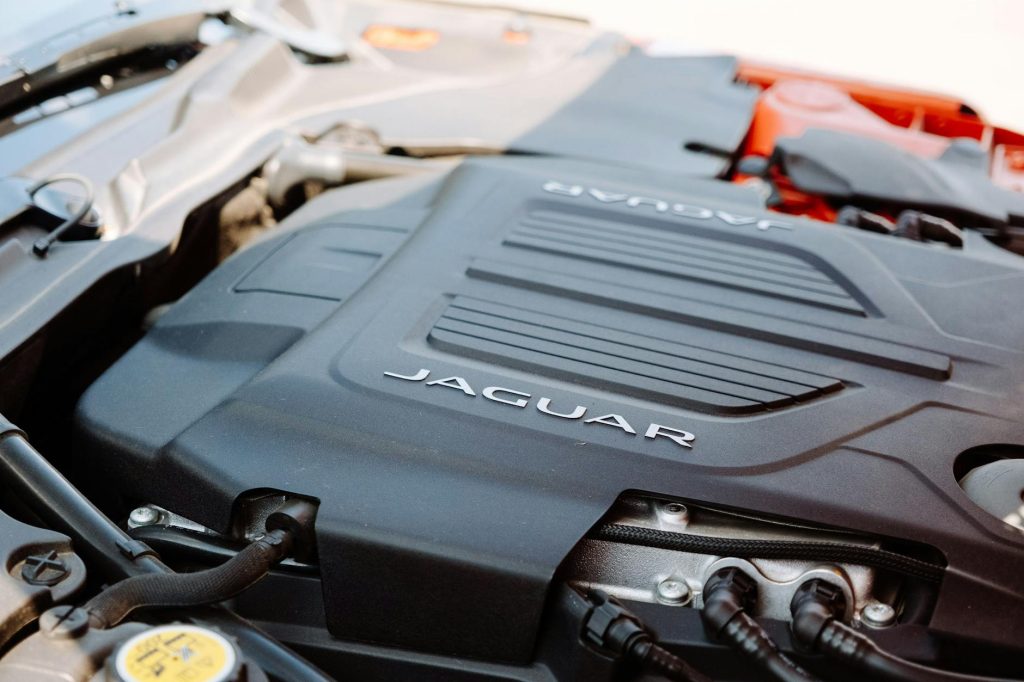
This post focuses on practical diagnosis for everyday owners: what typically causes the rattle, what it sounds like, how to narrow it down, and what repairs look like in real terms. While Jaguar’s dealer-level tools like SDD (older) and Pathfinder (newer) won’t “hear” a rattle for you, they can confirm related faults (misfires, bypass control issues, intake air leaks) and help you avoid swapping parts blindly.
Recommended Tool: Professional OBD2 Scanner
2. Causes
Supercharger-related rattles tend to come from a few repeat offenders. Some are inside the supercharger assembly; others only sound like the supercharger.
Common causes on AJ126/AJ133 F-Type
- Supercharger coupling (isolator) wear
The coupler between the pulley drive and the internal gearset can develop play, causing a clacking/rattle at idle or on tip-in/tip-out. - Supercharger nose drive bearings
Bearings in the snout can wear and create a whine-plus-rattle, sometimes changing with RPM. - Bypass valve/actuator rattle
The bypass mechanism (vacuum/electronic depending on year) can chatter if the linkage is loose or if vacuum control is unstable. - Pulley or belt-drive issues (not always the supercharger itself)
A worn belt tensioner, idler pulley, or misaligned belt can produce a rattle that echoes from the supercharger area. - Heat shields and brackets
Loose fasteners or cracked shield mounts can mimic internal supercharger noise, especially when hot. - Engine-related noise mistaken for supercharger rattle
Direct injection tick is normal, but a louder metallic rattle could be a failing accessory, a cracked flex section, or (less commonly) timing chain-related noise—worth ruling out early.
3. Symptoms
Owners describe supercharger rattle in a few consistent ways. The exact pattern matters.
Recommended Tool: Professional OBD2 Scanner
What you may notice
- Rattle/clatter at warm idle, often from the center/top of the engine
- Brief rattle when blipping the throttle (quick RPM rise/fall)
- Noise that changes with engine load, not just RPM
- Rattle more noticeable after a cold start or, conversely, only when fully hot
- No warning lights in many cases, especially if it’s mechanical play and not airflow/control-related
Symptoms suggesting it’s not the supercharger
- Rattle only over bumps (more likely heat shields, exhaust mounts, undertrays)
- Noise from front lower engine area (often belt tensioner/idler)
- Misfire, reduced power, or limp mode (could involve boost leaks, bypass control, or unrelated engine issues)
4. How to diagnose
Diagnosis is mostly about isolating the sound source and confirming whether boost control is behaving normally. If you’re comfortable with basic checks, you can narrow it down before booking a workshop.
Step-by-step checks (owner-friendly)
-
Record the noise pattern
- Cold vs hot, idle vs 1,500–2,500 rpm, in Park/Neutral vs in gear.
- Note if switching A/C on changes it (accessory load can affect belt-drive noise).
-
Do a quick visual belt-drive inspection
- Look for belt fraying, glazing, or dust around pulleys.
- With engine off, gently check for play in the idler pulley and tensioner (any wobble is suspicious).
-
Use a simple listening method
- A mechanic’s stethoscope is ideal, but even a long screwdriver to the ear can help (carefully, away from belts).
- Compare sound at:
- Supercharger snout/pulley area
- Tensioner and idlers
- Alternator and A/C compressor housings
-
Scan for faults and check live data
- If you have access to Jaguar diagnostics: SDD (older) or Pathfinder (newer) can read manufacturer-specific codes and data.
- Look for:
- Misfires (P0300–P030x)
- Intake air/boost control faults
- Bypass valve control or position issues (where supported)
- Live data to review (if available): throttle angle, MAP/boost request vs actual, IAT, fuel trims. Large fuel trim corrections can hint at unmetered air leaks.
-
Rule out vacuum/air leaks
- Inspect intake couplers and PCV hoses for splits.
- If a shop is involved, a smoke test is cheap insurance before condemning a supercharger.
Helpful tip
If the rattle is loudest at the supercharger pulley/snout and changes directly with RPM, the nose drive/coupler becomes more likely. If it’s intermittent and seems tied to throttle transitions, bypass mechanism chatter moves up the list.
5. How to fix
Fixes range from simple external parts to more involved supercharger work. The best approach is to repair the root cause rather than masking it with thicker oil or ignoring it.
Typical repairs
-
Replace belt, tensioner, and/or idler pulleys
- Often the most cost-effective first repair if any pulley shows play or roughness.
- Many “supercharger rattles” end here.
-
Repair/replace supercharger coupler (if serviceable)
- On some Eaton units, coupler wear is a known source of clack at idle.
- Not all shops service couplers separately; some prefer a rebuilt snout or complete unit depending on parts availability.
-
Replace supercharger snout/nose drive or bearings
- If bearings are noisy or there’s measurable shaft play, addressing the snout is safer than continuing to drive.
- Some specialists can rebuild; others replace as an assembly.
-
Address bypass valve/actuator issues
- Tighten/repair linkage if loose.
- Replace a faulty actuator or vacuum solenoid if control is unstable.
- After repairs, run any available adaptations/learn procedures via SDD/Pathfinder.
-
Secure heat shields and brackets
- Replace broken clips, missing bolts, or cracked shield mounts.
- This is cheap and surprisingly common after exhaust work.
6. Repair costs
Costs vary by country and labor rate, but these ranges are realistic for many European workshops (parts + labor).
- Belt replacement (and inspection): €120–€250
- Tensioner and/or idler pulley: €250–€600
- Smoke test / intake leak diagnosis: €80–€180
- Bypass actuator/solenoid or linkage repair: €250–€750
- Supercharger snout rebuild/replace: €900–€2,000
- Rebuilt supercharger unit installed: €2,000–€3,800
- New OEM supercharger installed: €3,500–€6,000+
If diagnostics reveal additional issues (e.g., spark plugs/coil packs on AJ126/AJ133 when misfires are present), add €250–€700 depending on parts and access.
7. Prevention tips
A supercharger is robust, but it’s not immune to age, heat, and belt-drive stress.
- Change oil on time using the correct spec; clean oil helps overall engine health and reduces secondary noises.
- Inspect the belt drive annually (belt condition, pulley alignment, tensioner movement).
- Fix small intake leaks early; unmetered air can create drivability issues that complicate diagnosis.
- Avoid repeated wide-open-throttle runs on a clearly slipping belt (burnt belt dust and heat accelerate pulley wear).
- Use quality parts for tensioners and idlers; cheap bearings often become noisy quickly.
8. When to see a mechanic
Book a professional diagnosis if any of the following apply:
- The rattle is getting louder week-to-week or is present across most RPM ranges.
- You hear a grinding noise, not just a light rattle.
- There’s loss of power, misfire, or warning lights.
- The noise appears with belt dust, pulley wobble, or visible belt damage.
- You want a definitive answer before buying parts—an independent specialist with Jaguar experience and access to Pathfinder/SDD can save money in the long run.
9. Frequently Asked Questions
Frequently Asked Questions
Is it safe to drive with a supercharger rattle on an F-Type?
If it’s a light rattle that hasn’t changed for a long time and there are no performance issues, it may not be immediately dangerous. However, bearing or coupler wear can progress, and a failing belt-drive component can leave you stranded. Treat any increase in volume or new vibration as a prompt to diagnose.
How can I tell if it’s the supercharger or the belt tensioner/idler?
Belt-drive rattles often come from the front of the engine and may change when you switch the A/C on or off. Supercharger-related noise is usually strongest at the top center of the engine near the supercharger snout. A workshop can confirm quickly by listening at each component and checking for pulley play.
Will SDD or Pathfinder show a fault code for a rattling supercharger?
Not usually for purely mechanical play like a worn coupler or bearing. These tools are still useful because they can reveal related issues such as misfires, abnormal fuel trims, or boost control faults. That helps you avoid chasing a noise that’s actually caused by an air leak or control problem.
What does a worn supercharger coupler sound like?
Owners often describe it as a light metallic clack or rattle at idle and during quick throttle blips. It may be more noticeable when warm and can sound like it’s coming from the supercharger pulley area. The noise can be intermittent early on and become more constant as wear increases.
Is replacing the whole supercharger always necessary?
No—many cases are caused by external pulleys/tensioners or a bypass mechanism issue. Even when the noise is inside the unit, some specialists can repair the snout or coupler depending on availability and condition. Replacing the complete supercharger is usually reserved for severe wear, internal damage, or when rebuild options aren’t viable.