1. Introduction
A coolant leak can turn an otherwise dependable SUV into a source of constant worry, especially when the leak appears “out of nowhere” and leaves little puddles after parking. On the Jaguar F-Pace, one of the most common (and frustrating) coolant leaks comes from a plastic coolant pipe that becomes a known weak point over time. It’s the kind of issue that can affect everyday owners who service on time and don’t drive aggressively—because it’s largely driven by heat, ageing plastics, and engine-bay packaging rather than neglect.
Recommended Tool: Professional OBD2 Scanner
Recommended Tool: Cooling System Diagnostic Tools
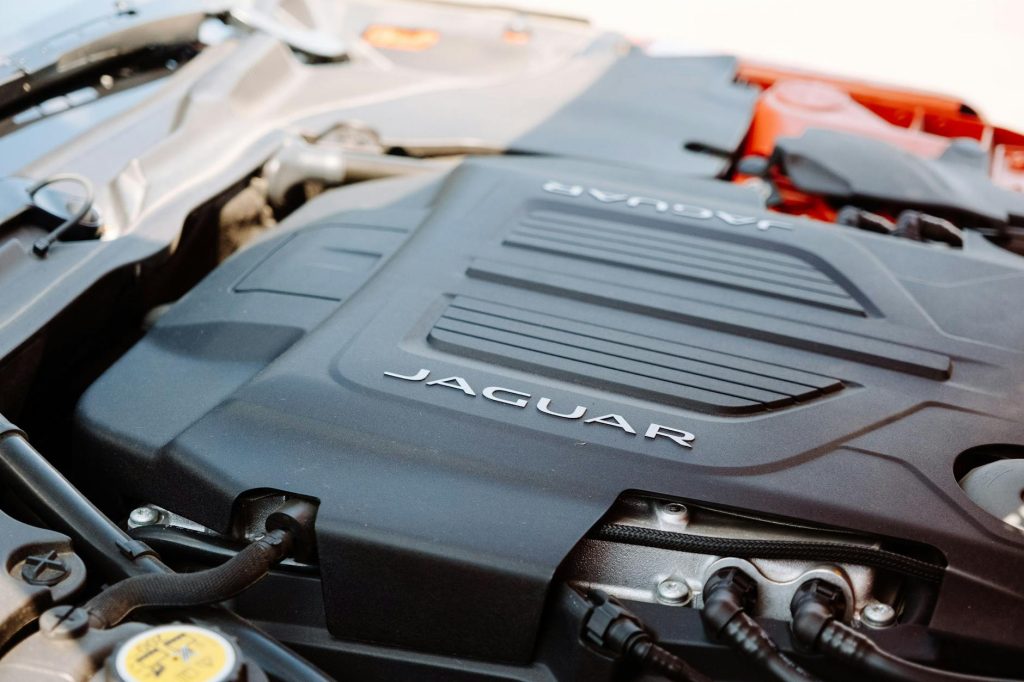
If you own an F-Pace and have ever topped up coolant more than once, noticed a sweet smell after a run, or seen dried pink/white crust near hoses, this article explains what’s happening in plain terms and what you can do about it. Although the focus is the F-Pace, the underlying story will feel familiar to many European-car owners: BMW cooling plastics on N20/N55-era cars, VW Group thermostat housings on EA888, and various Mercedes cooling components on OM651/OM642—all of them rely on plastic parts that eventually fatigue in a hot, pressurised system.
Recommended Tool: Professional OBD2 Scanner
🔧 Recommended Professional Tool
BMW N20 Diagnostic & Timing ToolsProfessional tools for BMW N20 engine service
✔ Recommended by automotive technicians ✔ Suitable for BMW, Mercedes, VAG & JLR platforms ✔ Fast international shipping
2. Causes
The F-Pace uses plastic coolant pipes and connectors in areas that see high heat cycles and vibration. Over time, several failure modes show up:
- Heat ageing and brittleness: Plastic gradually hardens from repeated hot/cold cycling, especially near the engine or turbocharger.
- O-ring and seal shrinkage: Seals can flatten or harden, allowing seepage before a full leak develops.
- Hairline cracking at stress points: Clips, mould seams, or bends in the pipe can develop tiny cracks that only open when hot and under pressure.
- Coolant contamination or incorrect mix: Wrong coolant type or poor-quality top-ups can accelerate seal wear and corrosion at joins.
- Movement and vibration: Engine movement under load can stress a pipe that’s slightly misaligned or clipped too tightly.
On some vehicles the leak is intermittent at first—only when the system is hot and pressurised—so it can be overlooked until it becomes a visible drip.
3. Symptoms
Coolant leaks from a plastic pipe often start subtly. Common signs include:
- Coolant level dropping in the expansion tank over days or weeks
- Sweet coolant smell after parking, especially after a longer drive
- White, pink, or bluish crusty residue around pipe joints (dried coolant)
- Damp undertray or coolant collecting on the belly pan rather than dripping to the ground
- Temperature warning or rising gauge (usually later in the failure)
- Heater performance changes (less common, but possible if air enters the system)
If you’re coming from BMW/Audi/VW ownership, think of it like a slow thermostat housing seep on an EA888 or a small crack in a BMW expansion tank—initially annoying, eventually urgent.
4. How to diagnose
You don’t need to be a mechanic to confirm a coolant leak, but you do need a methodical approach. The challenge is that the undertray can hide leaks, and coolant can travel along surfaces before dripping.
Visual checks (cold engine)
- Check the coolant expansion tank level and look for staining around the cap and seams.
- Shine a torch around visible hose connections and any plastic pipes you can see.
- Look for dried residue at joints—this is often the best clue.
Pressure testing (most effective)
A cooling-system pressure test is the fastest way to reveal a plastic-pipe seep:
- The system is pressurised with a hand pump while the engine is cold.
- Leaks show up as weeping at a joint or a visible drip.
- Ask the workshop to remove the undertray if needed; otherwise the leak may stay hidden.
Scan tool checks
A scan won’t “find” the leak, but it can reveal consequences:
- Using JLR SDD or Pathfinder, a workshop can check for stored overheat events, coolant temp anomalies, or cooling fan behaviour.
- If the vehicle has logged temperature-related faults, treat the leak more urgently—overheating can damage gaskets, turbos, and catalytic converters/DPF systems.
UV dye (for slow leaks)
If it’s only losing a small amount of coolant:
- A UV dye added to the coolant and a UV lamp can pinpoint the source after a few heat cycles.
- This is especially useful when the leak evaporates on hot components.
5. How to fix
The correct fix depends on whether the leak is at a joint, a cracked pipe, or a related plastic component nearby (thermostat housing, connector, or expansion tank).
Replace the plastic pipe and seals (preferred)
- If the pipe itself is cracked, replacement is the only reliable solution.
- Replace associated O-rings/clips at the same time; reusing old seals often leads to repeat leaks.
Inspect related components while you’re there
A good workshop will check:
- Nearby hoses for swelling or soft spots
- Thermostat housing and water outlet areas for seepage
- Expansion tank and cap condition (a weak cap can cause incorrect pressure control)
Correct refill and bleeding
Modern cooling systems are sensitive to trapped air:
- The system should be refilled with the correct JLR-approved coolant and mixture.
- Proper bleeding is essential; some cars require a specific procedure and sometimes scan-tool assisted bleeding/actuation routines (workshops familiar with Pathfinder/SDD procedures will know this).
Avoid “stop leak” products. They can clog heater cores and small passages, creating bigger problems later.
6. Repair costs
Costs vary by engine, access, and whether additional parts are recommended. For a typical Jaguar F-Pace plastic coolant pipe repair in Europe, realistic ranges are:
- Diagnostic pressure test: €60–€150
- Plastic coolant pipe + seals/clips (parts): €40–€180 (depending on pipe and version)
- Coolant (correct spec) and consumables: €30–€80
- Labour: €200–€600 (2–5 hours depending on access and whether the undertray/intake components must be removed)
Typical total: €300–€900
If the leak has caused overheating and secondary damage, costs can rise sharply:
- Thermostat housing or water outlet replacement add-on: +€150–€450
- Water pump replacement add-on (if needed): +€300–€900
- Overheat-related repairs: potentially €1,500+ depending on severity
These numbers are broadly comparable to cooling-system work on other European vehicles (for example, EA888 thermostat housing jobs or BMW N20 cooling component replacements), where labour and access often drive the bill.
7. Prevention tips
You can’t fully prevent plastic ageing, but you can reduce the chance of a surprise failure:
- Check coolant level monthly (more often before long trips).
- Use only the correct coolant specification; mixing types can shorten seal life.
- Keep an eye out for early crusty residue around joints—catching a seep early reduces the risk of overheating.
- Replace a weak expansion tank cap if it no longer holds pressure correctly (a workshop can test it).
- After any cooling-system work, confirm there are no air pockets (watch for unstable heater output or fluctuating temp readings).
8. When to see a mechanic
Book the car in promptly if any of the following apply:
- You need to top up coolant more than once.
- You see coolant residue but can’t clearly identify the source.
- The temperature warning appears, the gauge rises unusually, or the cabin heater suddenly blows cold.
- Coolant is dripping onto the ground or the undertray is soaked.
Driving with a coolant leak is a gamble. Even if the car seems fine, a plastic pipe can go from “seeping” to “bursting” quickly under motorway load, and one overheating event can be enough to cause expensive damage.
9. Frequently Asked Questions
Frequently Asked Questions
Is it safe to drive with a small coolant leak from a plastic pipe?
It’s risky even if the leak seems minor, because cooling systems are pressurised and small cracks can worsen suddenly. Short, gentle trips while monitoring coolant level may be possible, but motorway driving or heavy loads can trigger a rapid loss. If the temperature warning appears, stop and switch off the engine as soon as safely possible.
Can I just replace the O-ring instead of the whole plastic pipe?
Sometimes the leak is only from a flattened O-ring, but many F-Pace leaks come from hairline cracks in the plastic itself. Replacing only seals can lead to repeat repairs if the pipe is already heat-aged. A pressure test helps confirm whether the pipe body is compromised.
Why does the leak often disappear when the engine is cold?
When cold, the plastic and seals contract and system pressure is low, so a crack may not open and coolant may not weep. Once hot, the system pressurises and materials expand differently, exposing weak points. That’s why leaks are often easiest to find with a cold pressure test or after a hot run.
Will the car always show a warning light when coolant is leaking?
Not always. Many cars only warn you when the coolant level drops enough to trigger the sensor or when temperatures rise beyond a threshold. A slow leak can continue for weeks without a dashboard warning, which is why manual level checks matter.
Does using the wrong coolant really make a difference?
Yes—incorrect coolant can affect corrosion protection and can accelerate seal deterioration in some systems. Mixing incompatible coolants can also create sludge or deposits that reduce cooling efficiency. Use the correct specification and avoid topping up with unknown “universal” coolant unless it’s clearly approved.