1. Introduction
Jaguar engines are designed to run within a narrow temperature range for best performance, fuel economy, and longevity. When a Jaguar starts overheating, it’s not just an inconvenience—it can quickly lead to warped cylinder heads, blown head gaskets, damaged catalytic converters, and major repair bills. The good news is that overheating usually comes from a short list of causes, and many of the early clues are easy for everyday drivers to spot.
Recommended Tool: Professional OBD2 Scanner
Recommended Tool: Cooling System Diagnostic Tools
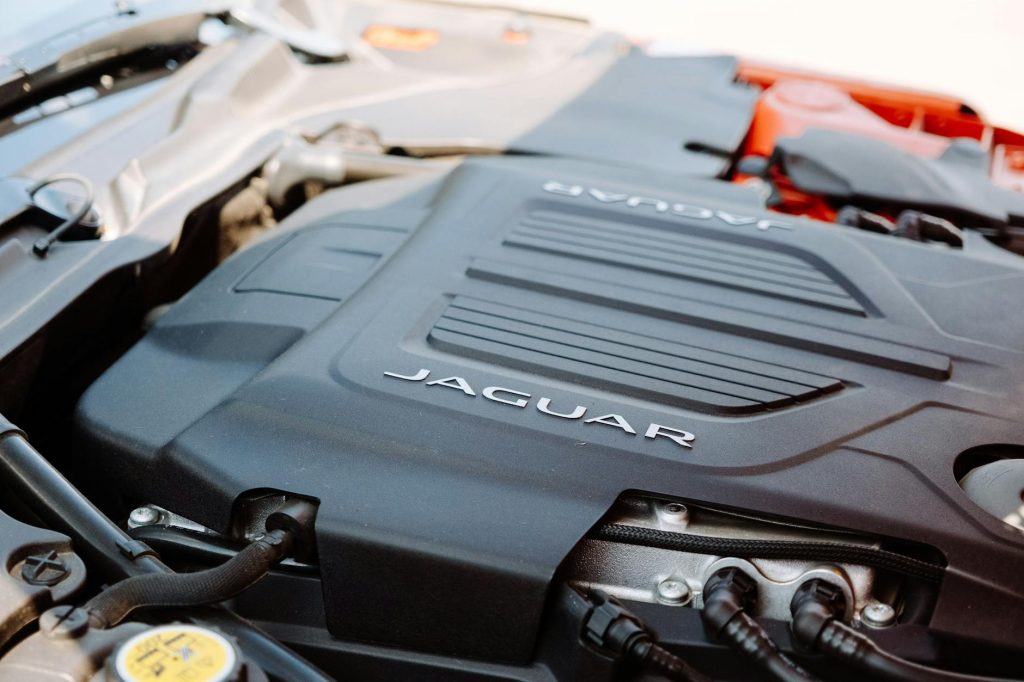
If your temperature gauge is creeping higher than normal, you notice coolant smells, or the car starts warning you to stop safely, treat it as urgent. Knowing the common reasons Jaguars overheat will help you react correctly, avoid engine damage, and have a more informed conversation with a repair shop.
Recommended Tool: Professional OBD2 Scanner
🔧 Recommended Professional Tool
Cooling System Diagnostic ToolsProfessional coolant tester and infrared thermometer for accurate overheating diagnosis.
✔ Recommended by automotive technicians ✔ Suitable for BMW, Mercedes, VAG & JLR platforms ✔ Fast international shipping

2. Causes
Jaguar overheating almost always traces back to a cooling-system problem, airflow problem, or a mechanical issue that creates excessive heat. Below are the most common culprits.
Low coolant level or leaks
Coolant (antifreeze mixed with water) carries heat away from the engine. If it’s low, the system can’t manage heat.
Common leak points include:
- Radiator end tanks and seams
- Coolant hoses and hose clamps
- Expansion tank (coolant reservoir) cracks
- Thermostat housing and seals
- Water pump seepage from the weep hole
- Heater core (often shows as sweet smell inside, foggy windows)
Thermostat stuck closed (or not opening fully)
The thermostat regulates coolant flow between the engine and radiator. If it sticks closed, coolant can’t circulate to shed heat, and temperatures rise quickly—often within a short drive.
Water pump wear or failure
The water pump is responsible for circulating coolant. A worn impeller, bearing failure, or internal corrosion can reduce flow. Some failures are slow and show up only under load, warm weather, or highway driving.
Radiator blockage or reduced efficiency
Over time, radiators can clog internally (deposits, sludge) or externally (debris, bent fins). Either problem reduces heat transfer. A partially blocked radiator may cause overheating in traffic or on hot days.
Cooling fan problems
At low speeds, the fan is crucial because there isn’t enough airflow through the radiator. Failures can include:
- Bad fan motor
- Faulty fan control module or relay
- Blown fuse
- Wiring or connector issues
- Temperature sensor problems that prevent fan activation
Air trapped in the cooling system (poor bleeding)
After a coolant refill or repair, air pockets can form. Air prevents proper circulation and can create hot spots that trigger overheating. Some Jaguar cooling systems are especially sensitive to correct bleeding procedures.
Head gasket issues (combustion gases entering the cooling system)
A failing head gasket can push exhaust gases into the cooling system, creating pressure, overheating, and coolant loss. This is more serious and typically worsens quickly once it starts.
Coolant mixture problems or wrong coolant type
Using the wrong coolant specification or mixing incompatible types can cause deposits, poor corrosion protection, and reduced heat transfer. A mixture that’s too water-heavy can also raise corrosion risk, while too much concentrate can reduce cooling efficiency.
Driving conditions and load
Even a marginal cooling system can overheat under:
- Long uphill climbs
- Towing (where applicable)
- Stop-and-go traffic in high heat
- High-speed driving with low coolant or poor radiator efficiency
3. Symptoms
Overheating rarely happens without warning. Watch for these signs:
- Temperature gauge climbing above normal or fluctuating
- Warning lights/messages such as “Engine temperature high” or “Stop safely”
- Steam from under the hood (often coolant boiling off)
- Sweet, syrup-like smell (coolant odor)
- Visible coolant puddles under the front of the car
- Heater blowing cold air when the engine is hot (often low coolant or air pocket)
- Fan running constantly or not running when it should
- Rough running, loss of power, or misfires (can happen with severe overheating)
- Coolant reservoir repeatedly dropping level
If you ever see the gauge in the red zone, continuing to drive can cause immediate engine damage.
4. How to diagnose
You don’t need to be a mechanic to do a few basic checks safely. Prioritize safety: never open a hot coolant cap.
Step 1: Confirm it’s truly overheating
- Check the temperature gauge and any warning messages.
- If you have an OBD-II scanner, read the engine coolant temperature (ECT) to confirm actual temperature versus a faulty gauge/sensor.
Step 2: Check coolant level (only when cold)
- Let the engine cool completely.
- Check the coolant level in the expansion tank against the “MIN/MAX” marks.
- Look for signs of contamination: oily sheen, muddy sludge, or heavy rust color.
Step 3: Look for obvious leaks
Use a flashlight and inspect:
- Around the radiator, hoses, and clamps
- Under the thermostat housing
- Around the water pump area
- Under the car after it sits (puddles or dried residue)
Step 4: Observe cooling fan behavior
- With the engine warmed up and idling, the cooling fan should engage as temperature rises.
- If the car overheats mainly in traffic but cools down at speed, suspect fan control issues or restricted airflow.
Step 5: Check heater performance
- Turn the cabin heater to full hot (fan on).
- If it blows cold while the gauge is high, it may indicate low coolant, air trapped, or a circulation issue.
Step 6: Watch for head gasket red flags
These signs warrant immediate professional testing:
- Persistent coolant loss with no visible leaks
- Exhaust smoke that looks white and sweet-smelling after warm-up
- Bubbling in the coolant reservoir (especially at idle)
- Oil that looks milky or “coffee-like” on the dipstick or under the oil cap
5. How to fix
The right fix depends on the cause. Overheating isn’t something to “wait and see”—small issues can become expensive quickly.
If coolant is low
- Top up with the correct Jaguar-approved coolant (or a compatible equivalent) mixed to the proper ratio, typically around 50/50.
- Do not rely on plain water long-term except as a temporary emergency measure.
- If the level drops again, you have a leak that must be found.
If there’s a leak
Common repairs include:
- Replacing cracked hoses or clamps
- Replacing a failing expansion tank or cap
- Radiator replacement if leaking or heavily clogged
- Water pump replacement if seeping or not circulating properly
If the thermostat is faulty
- Thermostat replacement is a common fix for sudden overheating.
- Many modern Jaguars use electronically controlled thermostats; correct parts and procedures matter.
If the cooling fans aren’t working
- Check fuses and relays first.
- Fan motors, control modules, or wiring may need replacement.
- A faulty coolant temperature sensor can also prevent fan activation.
If air is trapped in the system
- The system may require proper bleeding using the correct bleed points and fill procedure.
- If you recently had coolant service and overheating began afterward, trapped air is a strong possibility.
If the radiator is restricted
- External cleaning (carefully) can restore airflow.
- Internal restriction often requires professional flushing or radiator replacement, depending on severity.
If head gasket failure is suspected
- Stop driving and arrange a tow.
- A shop should perform a cooling-system pressure test and a combustion-gas test.
- Continuing to drive can damage the engine beyond the head gasket repair.
6. Prevention tips
A few habits dramatically reduce overheating risk:
- Check coolant level monthly (engine cold)
- Fix small leaks early instead of topping up repeatedly
- Use the correct coolant type and avoid mixing brands/types unless confirmed compatible
- Replace coolant on schedule; old coolant loses corrosion protection
- Keep the radiator area free of debris (leaves, bugs, plastic bags)
- Pay attention to the temperature gauge—don’t ignore upward trends
- After any cooling-system work, confirm the car reaches normal temperature and the fan cycles as expected
- Replace aging hoses proactively if they feel soft, swollen, or cracked
7. When to see a mechanic
Some situations require professional help right away. Seek a mechanic (or tow) if:
- The temperature gauge reaches the red zone or you get a “Stop” warning
- Steam is coming from under the hood
- Coolant level drops repeatedly and you can’t find the leak
- The cooling fan never turns on, or runs erratically
- You see oil/coolant mixing, persistent bubbling in the reservoir, or white exhaust smoke after warm-up
- The car overheats again shortly after topping up coolant
- You’ve had recent cooling-system service and now experience overheating (possible air bleeding issue or incorrect parts)
If you must pull over: turn off the A/C, turn the heater to full hot, and stop in a safe place as soon as possible. Shut the engine off and let it cool fully before checking anything. Overheating is one problem that’s almost always cheaper to address early than after it causes engine damage.