1. Introduction
A brake pad wear indicator fault on the Jaguar E‑Pace (X540) is one of those warnings that can feel more confusing than urgent: the car may still brake normally, yet the dashboard insists something needs attention. On most modern European vehicles—including BMW, Mercedes, Audi, VW Group and JLR—the brake wear system is more than a simple “pad is low” light. It’s an electrical circuit monitored by a control module, designed to warn you before metal meets metal and damages discs.
Recommended Tool: Professional OBD2 Scanner
Recommended Tool: Premium Brake Pads
Recommended Tool: Portable Jump Starter
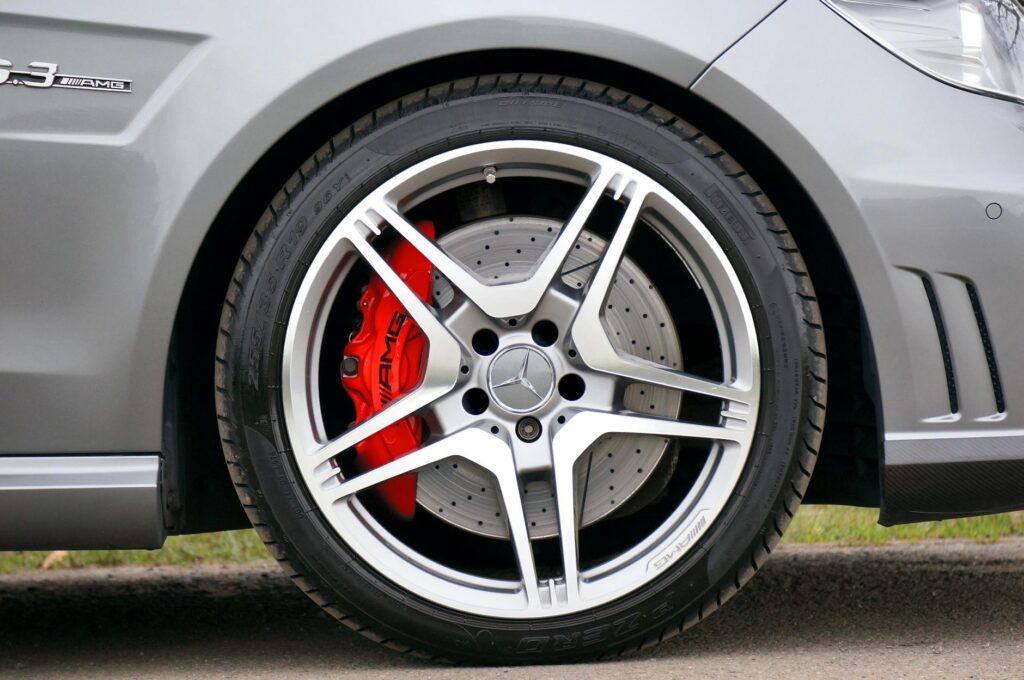
On the E‑Pace X540, the system typically uses one or two wear sensors (depending on model year and brake package) mounted into a brake pad. When the pad wears down, the sensor circuit changes and the car triggers a warning. A “fault” message, however, often indicates the circuit has a problem (broken wire, damaged connector, incorrect sensor, or corrosion), not just normal wear. Understanding the difference can save you time and prevent replacing good parts.
🔧 Recommended Professional Tool
Automotive Battery TesterCheck battery health and charging system performance with precision.
✔ Recommended by automotive technicians ✔ Suitable for BMW, Mercedes, VAG & JLR platforms ✔ Fast international shipping
2. Causes
A brake pad wear indicator fault on the E‑Pace X540 is usually triggered by electrical or installation issues rather than pad thickness alone. Common causes include:
-
Genuine pad wear (sensor has reached its limit)
The sensor tip contacts the disc once the pad is near minimum, changing the circuit and triggering a warning. -
Damaged sensor wire
The sensor lead can be cut, pinched, or rubbed through by wheel movement, debris, or improper routing after brake work. -
Corroded or loose connector
Road salt and moisture can creep into connectors near the wheel arch, especially in winter climates. -
Incorrect sensor or brake pad type fitted
Aftermarket pads may not accept the correct sensor, or a sensor with the wrong connector/length may be installed. -
Sensor not properly seated in the pad
If the sensor isn’t fully clipped in, it can sit too close to the disc and trigger early—or be destroyed quickly. -
Control module logic not reset after brake service
Some systems require a reset using JLR tools (Pathfinder/SDD) or a correct ignition/brake service sequence, depending on model year. -
ABS/EPB related faults misinterpreted as pad wear
While less common, related wiring damage in the wheel area can throw multiple warnings that appear brake-wear related.
3. Symptoms
Drivers typically notice one or more of the following:
- Dashboard message such as “Brake pads worn” or “Brake pad wear indicator fault”
- Warning light that stays on after restarting the car
- Warning appears immediately after a brake job
- Message appears intermittently, especially after rain, washing the car, or freezing temperatures
- No obvious braking problems (pedal feels normal, stopping distance unchanged)
Important: A wear indicator fault does not always mean your pads are unsafe right now—but it does mean the system can’t reliably warn you, and you should check it soon.
4. How to diagnose
You can do meaningful checks at home before booking the car in. Aim to confirm whether it’s true wear or an electrical fault.
Visual checks (driveway-level)
-
Look at pad thickness through the wheel spokes
You don’t need to remove the wheel for a rough check. If friction material looks very thin (around 3 mm or less), it may be genuine wear. -
Inspect the sensor wire routing
With the steering turned outward, look behind the wheel. Check if the cable is dangling, rubbing the tyre, or looks stretched. -
Check the connector area
If accessible, look for a connector that’s unplugged, full of dirt, or has damaged insulation.
Simple workshop checks (with the wheel off)
If you’re comfortable removing a wheel safely:
- Confirm the sensor is clipped correctly into the pad
- Look for chafing where the wire passes near suspension arms
- Check for broken clips that should hold the wire in place
Diagnostic scan (best confirmation)
A scan tool helps separate pad wear from circuit faults. On JLR vehicles, workshops commonly use Pathfinder (newer) or SDD (older). The scan will often show codes indicating:
- Open circuit (broken wire/unplugged connector)
- Short to ground (wire insulation damaged)
- Implausible signal (wrong sensor type or intermittent contact)
This matters because a true “pads worn” state will not look the same as an open/short fault in live data.
5. How to fix
The correct fix depends on what you find—avoid replacing pads blindly if the issue is clearly wiring-related.
If the pads are genuinely worn
- Replace brake pads on the affected axle.
- Replace the wear sensor(s) on that axle at the same time. Many sensors are designed to be single-use once triggered.
- Check disc condition; if discs are near minimum thickness or heavily lipped, replace discs with pads.
If the sensor wiring is damaged
- Replace the wear sensor harness (usually supplied as part of the sensor).
- Route it exactly like the factory layout:
- Use the original clips and guides
- Keep it away from the tyre and steering components
- Ensure enough slack for full lock steering movement
If corrosion or water ingress is suspected
- Clean the connector carefully and dry it.
- If terminals are green/corroded or loose, replacement is safer than repeated cleaning.
- Make sure the connector seals are intact and properly seated.
If the fault appears after recent brake work
- Confirm the sensor is the correct part and properly seated.
- Check that the sensor wasn’t trapped between pad and carrier.
- Clear codes and re-check. Some cars will need the fault cleared with Pathfinder/SDD rather than “self-clearing.”
Resetting the warning
After repair, the warning may clear automatically after a short drive, but many cases require:
- Clearing codes with Pathfinder/SDD
- Confirming the wear status in live data to ensure the module sees a “healthy” circuit
6. Repair costs
Prices vary across Europe by labour rate and parts choice (OEM vs quality aftermarket). Typical ranges:
-
Wear sensor replacement only (one sensor)
Parts: €20–€60
Labour: €40–€120
Total: €60–€180 -
Front or rear pads + sensor (one axle)
Parts: €120–€300 (pads + sensor; more for performance trims)
Labour: €120–€250
Total: €240–€550 -
Pads + discs + sensor (one axle)
Parts: €250–€650
Labour: €150–€350
Total: €400–€1,000 -
Diagnostics scan and electrical fault tracing
Typical diagnostic fee: €60–€150
If wiring repair is needed (beyond the sensor lead), add €100–€300 depending on access and damage.
If you’re comparing with other brands: BMW (ISTA), Mercedes (Xentry), VW/Audi (ODIS) follow a similar pattern—sensor faults can be cheap if it’s only the lead, but time-consuming if it’s corrosion or harness damage.
7. Prevention tips
A few habits reduce the chances of repeat warnings and premature sensor failure:
- Replace wear sensors whenever pads are replaced on that axle
- Avoid tugging the sensor wire when removing wheels or cleaning arches
- After winter, rinse wheel wells to reduce salt buildup around connectors
- If you swap wheels/tyres seasonally, do a quick check that no wire is snagged
- Use reputable pads that properly accept the correct sensor design
8. When to see a mechanic
Book the car in promptly if:
- The warning is accompanied by other brake/ABS messages (possible shared wiring damage)
- Braking feels different: vibration, grinding, pulling, or a long pedal
- The warning returns immediately after you clear it
- You can’t confirm pad thickness and sensor condition safely
A workshop with JLR experience and Pathfinder/SDD access can quickly confirm whether it’s true wear or a circuit issue, saving unnecessary parts replacement.
9. Frequently Asked Questions
Frequently Asked Questions
Is it safe to drive with a brake pad wear indicator fault on my Jaguar E‑Pace X540?
If braking feels normal, it’s usually safe for short-term driving, but you’ve lost a reliable early-warning system. The main risk is unknowingly driving until pads are fully worn and damaging discs. Have the pads and sensor checked soon, especially before long trips.
Can the warning come on even if my brake pads are not worn out?
Yes. A damaged wire, wet/corroded connector, incorrect sensor, or poor installation can trigger a fault even with thick pads. This is why a scan with Pathfinder/SDD and a quick visual inspection are worthwhile before replacing parts.
Do I need to replace the wear sensor when I replace brake pads?
In most cases, yes. Many sensors are designed to be replaced with pads because once the tip is worn or heat-damaged, it may not read correctly again. Reusing an old sensor also increases the chance of an early warning returning.
Why did the fault appear right after a brake service?
Common reasons are the sensor not fully clipped into the pad, the cable routed incorrectly and stretched on steering lock, or a sensor connector not properly seated. It can also happen if the wrong sensor type was fitted for your brake setup. Clearing the fault with Pathfinder/SDD may be necessary after correcting the installation.
Will disconnecting the battery reset the brake wear indicator fault?
Sometimes it may temporarily clear a message, but it won’t fix an open/short circuit or a triggered sensor. The fault typically returns once the system re-checks the circuit. Proper diagnosis and repair, followed by clearing codes with the correct tool, is the reliable approach.