1. Introduction
Brake rotors (discs) are wear items, but how long they last depends heavily on where and how you drive. In Egypt, everyday road conditions—heat, dust, stop‑start traffic, and occasional rough surfaces—can shorten rotor life compared with many European driving environments. For owners of Mercedes (and also BMW, Audi, VW Group, and JLR models using similar braking systems), understanding rotor lifespan is useful for planning maintenance, avoiding vibration issues, and keeping braking distances consistent.
Recommended Tool: Professional OBD2 Scanner
Recommended Tool: Premium Brake Pads
Recommended Tool: Cooling System Diagnostic Tools
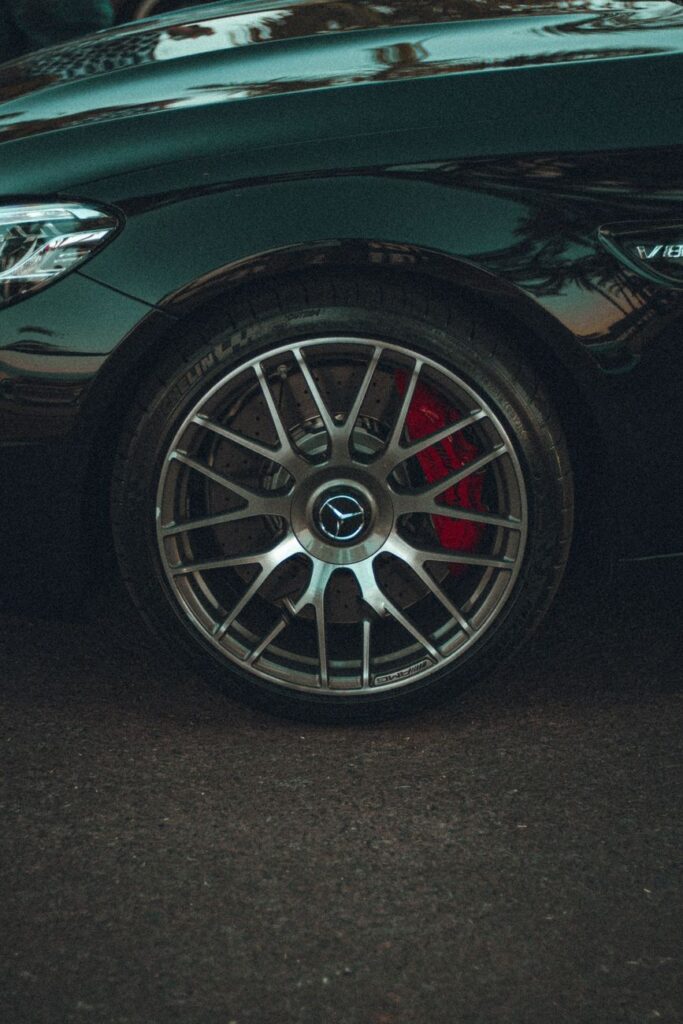
As a realistic guide, many Mercedes models will see front brake rotors last about 25,000–60,000 km and rear rotors about 40,000–90,000 km in Egyptian use. Some drivers will get more, but it’s common to see earlier replacement in city driving (Cairo, Alexandria) or on vehicles carrying heavy loads, running larger wheels, or driven briskly.
🔧 Recommended Professional Tool
Mercedes OM651 Diesel ToolsAdvanced diesel diagnostic tools for OM651
✔ Recommended by automotive technicians ✔ Suitable for BMW, Mercedes, VAG & JLR platforms ✔ Fast international shipping
2. Causes
Several factors in Egyptian road conditions directly affect rotor wear and rotor “life” (meaning the point where thickness is at or near the minimum, or braking quality is compromised).
Road and climate factors
- High ambient temperatures: Heat accelerates pad/rotor wear and increases the risk of hot spots and vibration.
- Dust and sand: Abrasive particles can act like sandpaper between pad and rotor, especially with softer pad compounds.
- Stop‑start traffic: Frequent braking increases heat cycles and wear, particularly on heavier vehicles (E‑Class, GLC, Range Rover).
- Standing water after rare heavy rain: Sudden cooling of hot rotors can contribute to distortion sensations (often actually uneven pad deposits).
Vehicle and setup factors
- Vehicle weight and performance: AMG-line trims, larger engines (e.g., OM651 diesel torque or M274 petrol), and heavier models wear brakes faster.
- Wheel size and brake package: Larger wheels often come with larger brakes, but also more grip; that can increase brake demand.
- Driving style: Late, hard braking and repeated high-speed stops can quickly reduce rotor thickness.
- Pad choice and quality: Aggressive pads can chew rotors; very cheap pads can overheat and transfer material unevenly.
- Caliper slider or piston issues: A sticking caliper can destroy a rotor quickly from constant contact.
3. Symptoms
Rotors don’t always “fail” dramatically; they gradually become thin, uneven, or heat affected. Watch for:
- Steering wheel shake under braking (often felt more at 80–120 km/h): common on front rotors.
- Brake pedal pulsation: can indicate rotor thickness variation.
- Grinding or scraping sounds: may mean pads are worn to the backing plate, which damages rotors rapidly.
- Reduced braking confidence: longer stopping distances, especially after a few hard stops (brake fade).
- Visible scoring or lip at rotor edge: a pronounced outer lip suggests significant wear.
- Brake warning messages: many Mercedes models estimate pad wear; rotor wear is usually measured, not calculated.
4. How to diagnose
You can do a lot at home, then confirm with proper measurement. If you have access to a workshop with brand tools, even better.
Basic checks (owner-friendly)
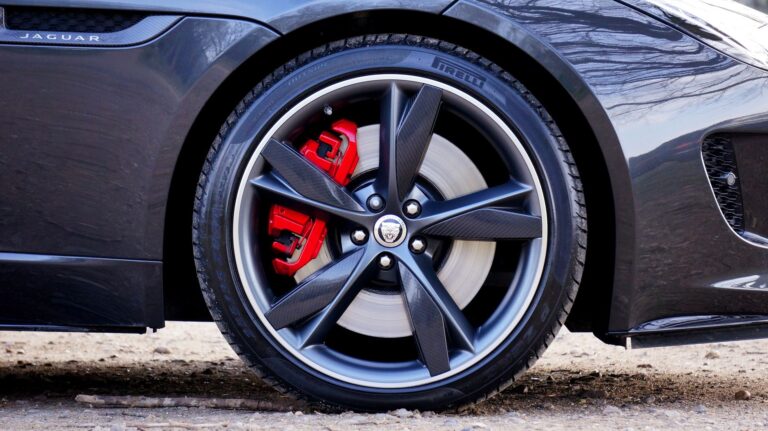
- Visual inspection through the wheel
Look for heavy grooves, blue spots (overheating), cracking, or a very large outer lip. - Listen and feel
Pulsation or vibration only when braking is a strong clue; vibration while cruising points elsewhere (tyres, balance, suspension). - Compare left vs right wheel dust
One wheel much dirtier may indicate a sticking caliper.
Proper measurement (best practice)
- Measure rotor thickness with a micrometer at several points around the disc. Compare to the minimum thickness stamped on the rotor hat or listed in service data.
- Check rotor runout with a dial indicator. Excess runout can cause pulsation and uneven pad deposits.
- Inspect pads for taper wear (one side thinner), glazing, or contamination.
Using diagnostic tools (when relevant)
- Mercedes Xentry can read ABS/ESP fault codes, brake pad wear sensor status, and any braking-related warnings. It won’t “measure” rotor thickness, but it helps rule out sensor and stability system issues.
- For other brands: ISTA (BMW), ODIS (VW/Audi), and Pathfinder/SDD (JLR) are useful if the car shows ABS/ESC faults that could be mistaken for braking problems.
5. How to fix
The correct fix depends on whether the issue is simply wear, or a related problem is causing premature rotor damage.
If rotors are worn below spec or badly scored
- Replace rotors and pads together on the same axle. New pads on old rotors can lead to noise, poor bedding-in, and vibration.
- Clean and lubricate caliper slider pins with the correct high-temperature brake grease.
- Inspect pad hardware (springs/clips) and replace if corroded or weak.
If you have vibration/pulsation but thickness is OK
- Check runout and hub cleanliness: Rust or debris between the hub and rotor can create runout.
- Address uneven pad deposits: Sometimes a correct bedding procedure with quality pads helps, but if the rotor surface is badly affected, replacement is more reliable.
- Check suspension components: Worn control arm bushings can mimic brake judder, especially on heavier German cars.
If one rotor is wearing much faster
- Fix sticking calipers: Rebuild or replace caliper, and replace the affected rotor and pads.
- Check brake hoses: Internally collapsed hoses can keep pressure on a caliper.
- Confirm parking brake function (rear): On some models, a dragging parking brake can overheat rear discs.
6. Repair costs
Costs vary by model, brake size, and whether you choose OEM, OE-supplier (e.g., ATE, Brembo, TRW), or budget parts. Below are realistic Egypt market-style ranges including parts + labor (per axle):
- Mercedes C-Class / E-Class (standard brakes): EGP 9,000–22,000
- Mercedes SUV (GLC/GLE) or larger discs: EGP 14,000–30,000
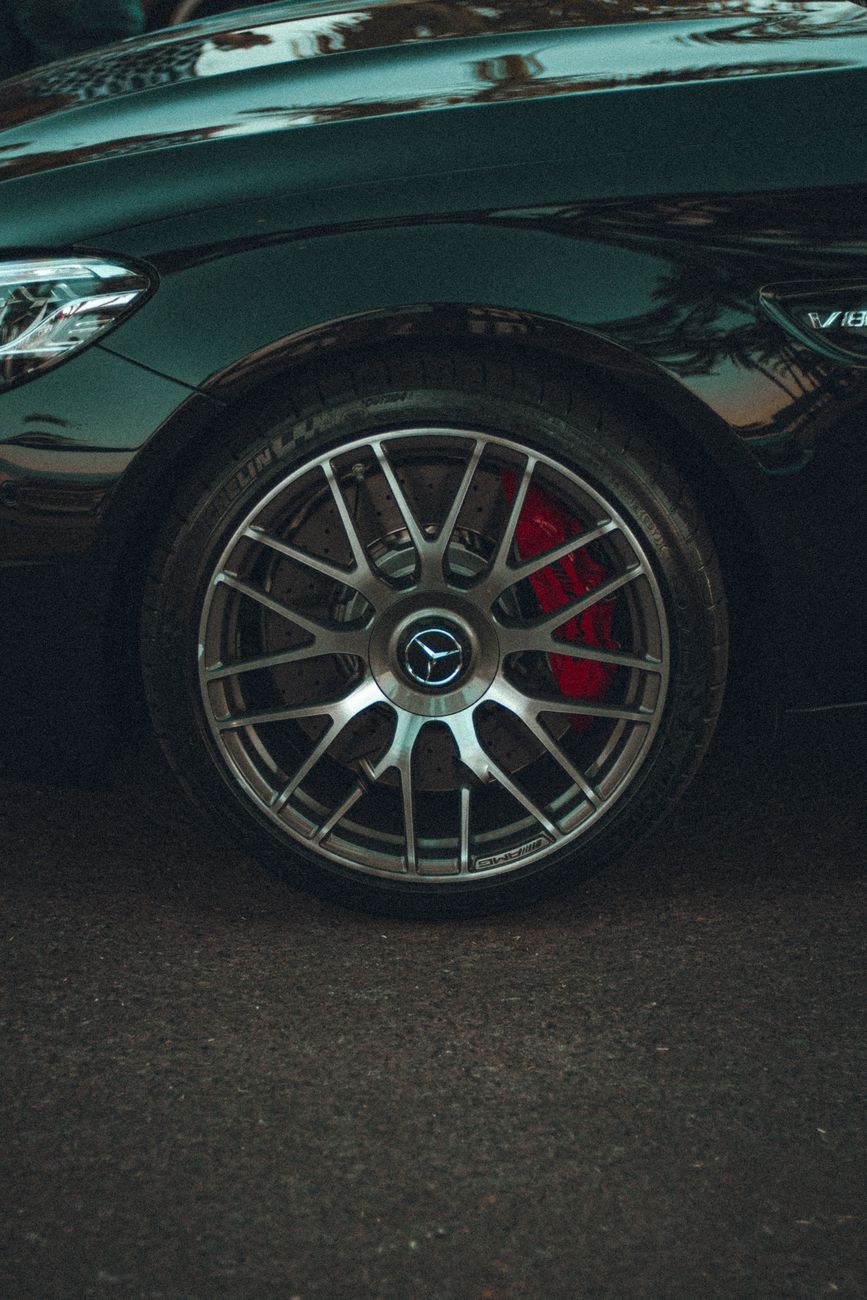
- Performance trims (AMG-line, larger rotors, drilled/slotted): EGP 20,000–45,000
- Caliper service (slider clean/grease): add EGP 800–2,500
- Caliper rebuild or replacement (if sticking): add EGP 4,000–18,000 depending on type and whether new or refurbished
Notes:
- If your Mercedes uses an electronic parking brake, rear brake work may require a proper service mode procedure; a workshop with Xentry (or equivalent for other brands) can do this cleanly and reduce the risk of actuator issues.
- Cheap pads can lower the invoice today but increase rotor wear and noise, costing more over time.
7. Prevention tips
You can’t change the climate, but you can reduce unnecessary wear.
- Use quality pads matched to your driving: For hot, dusty conditions, avoid the cheapest compounds.
- Brake smoothly and earlier: Reduces heat spikes that cause judder and faster wear.
- Avoid holding the brake hard after a high-speed stop: This can imprint pad material on hot rotors.
- Wash wheels and brakes occasionally (carefully): Removing heavy dust/sand helps; avoid spraying cold water on very hot brakes.
- Have caliper sliders serviced at pad changes: Especially important in dusty environments.
- Choose reputable rotors: OE-supplier discs typically last longer and run truer than unknown brands.
8. When to see a mechanic
See a professional promptly if:
- The brake warning light is on, or the car displays braking system messages.
- You feel strong vibration, especially if it worsens quickly.
- There is grinding, burning smells, or the car pulls to one side under braking.
- One wheel is significantly hotter after a short drive (possible sticking caliper).
- You recently had brake work and now have noise or judder—correct diagnosis (runout, hub cleaning, bedding) matters.
A good independent workshop familiar with German brands, and equipped with tools like Xentry, ISTA, or ODIS, can separate rotor issues from ABS/ESC faults or suspension wear.
9. Frequently Asked Questions
Frequently Asked Questions
How many kilometres do Mercedes brake rotors last in Egypt?
Most drivers see front rotors last roughly 25,000–60,000 km and rear rotors 40,000–90,000 km. Heavy traffic, heat, and dust tend to push you toward the lower end. Highway-heavy driving with gentle braking can extend life noticeably.
Can I replace only the pads and keep the old rotors?
You can if the rotors are above minimum thickness, not deeply scored, and runout is within spec. In practice, many vibration and noise complaints come from mixing new pads with marginal rotors. If you’re close to the wear limit, replacing both usually saves money long-term.
Does brake judder always mean the rotors are warped?
Not always. Many cases are uneven pad material transfer, hub corrosion causing runout, or worn suspension bushings that amplify braking vibration. Measuring runout and thickness variation is the correct way to confirm.
Are drilled or slotted rotors better for Egyptian conditions?
They can help with heat management in repeated hard braking, but they often wear faster and can be noisier. For daily driving, a high-quality plain vented rotor with the right pad compound is usually the best balance. The biggest improvement typically comes from good parts and correct installation, not aggressive rotor styling.
Will diagnostic tools like Xentry tell me if rotors need replacing?
Xentry can show brake-related faults and pad wear sensor status, but rotor thickness is a physical measurement. A technician still needs to measure the disc and check runout. Diagnostics are most helpful when ABS/ESP warnings appear or electronic parking brake functions need service mode.