1. Introduction
A grinding noise when braking at low speed can be alarming, especially because it often happens in the exact moments you’re easing into a parking space, approaching a stop sign, or creeping in traffic. The good news is that many causes are common and understandable, even if you’re not a mechanic. The bad news is that “grinding” usually means metal-to-metal contact, debris trapped where it shouldn’t be, or a worn part that’s starting to damage other components. Ignoring it can turn a relatively simple brake service into a much more expensive repair.
Recommended Tool: Professional OBD2 Scanner
Recommended Tool: Premium Brake Pads
Recommended Tool: Cooling System Diagnostic Tools
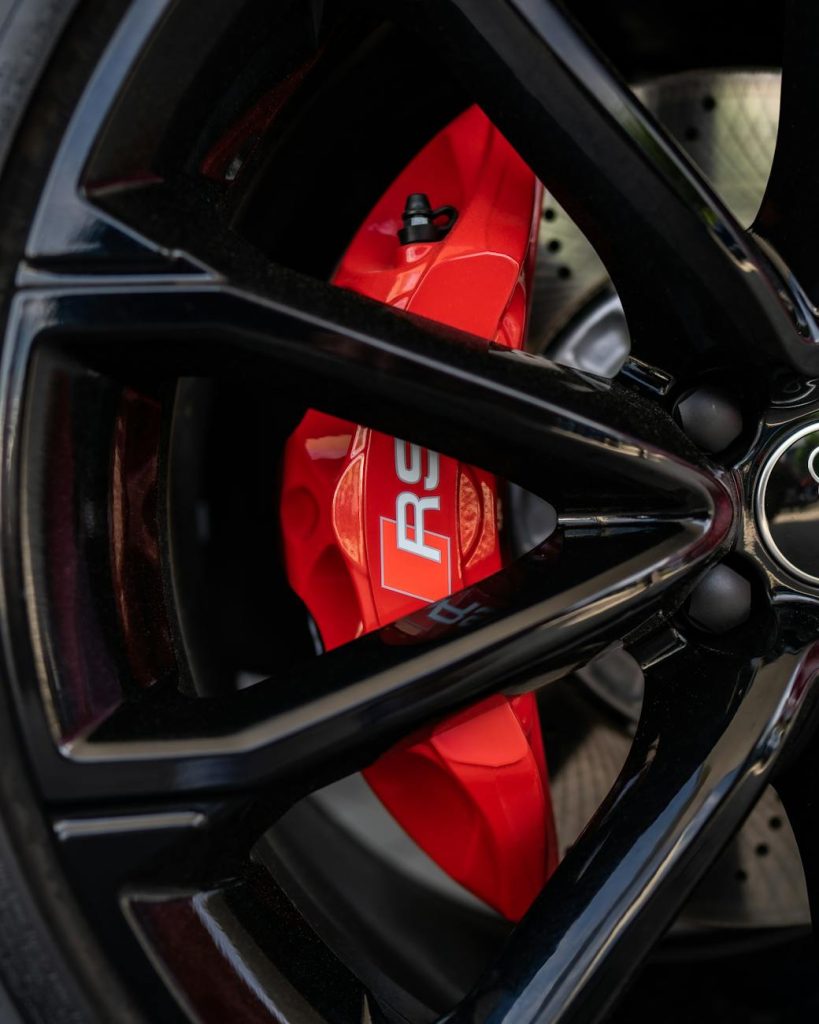
This article explains what low-speed brake grinding typically means, the most likely causes, what other symptoms to watch for, and how to handle it safely—whether you plan to troubleshoot at home or head straight to a shop.
🔧 Recommended Professional Tool
Cooling System Diagnostic ToolsProfessional coolant tester and infrared thermometer for accurate overheating diagnosis.
✔ Recommended by automotive technicians ✔ Suitable for BMW, Mercedes, VAG & JLR platforms ✔ Fast international shipping
2. Causes
Grinding at low speed most often comes from the brake system, but a few non-brake issues can mimic it. Here are the most common causes, from most likely to less common.
Worn brake pads (pad material gone)
Brake pads have a friction layer that wears down over time. When it’s too thin, you can get:
- A grinding sound from the pad backing plate contacting the rotor
- Or a harsh noise from the wear indicator (though that’s often more of a squeal than a grind)
If the pad is worn all the way through, the rotor can be damaged quickly.
Rust or corrosion on the rotors
If a car sits overnight (or longer) in humidity or after rain, a thin rust layer can form on the rotors. At low speeds, that can sound like:
- A rough scraping or grinding for the first few stops
- Sometimes disappearing once the rust is cleaned off by normal braking
Heavier rust buildup (especially after longer storage) can cause longer-lasting noise and vibration.
Debris trapped between the rotor and backing plate
Small stones, road grit, or rust flakes can get lodged between:
- The rotor and the thin metal dust shield/backing plate behind it
- The brake pad and rotor (less common, but possible)
This can create a grinding or scraping sound that may come and go, often changing with steering angle or bumps.
Glazed pads or rotors
If brakes overheat (from steep downhill braking, towing, or repeated hard stops), the pad surface can become smooth and hardened. This “glazing” can cause:
- Poor bite at low speeds
- Noise, including groaning or grinding-like sounds
- Sometimes a shiny appearance on the rotor surface
Sticking brake caliper or seized slide pins
Brake calipers must move freely. If a caliper piston sticks, or the slide pins seize, the pad can drag against the rotor. This can cause:
- Constant light grinding or scraping
- Faster pad wear on one side
- Heat buildup and a burning smell
Worn rotor (scored, grooved, or too thin)
If pads have been run too low, the rotor face can become deeply scored. A worn rotor can create:
- Grinding noise, especially at low speed when pressure is light
- Pulsation or vibration while braking (sometimes felt in the pedal)
Brake hardware problems (clips, shims, dust shield contact)
Brake pads use small clips and shims to reduce noise and keep parts aligned. If hardware is missing, bent, or installed incorrectly, you may hear:
- Grinding or scraping at certain wheel angles
- Noise that changes after hitting bumps
A bent dust shield lightly contacting the rotor is a surprisingly common cause after curb impacts or debris strikes.
Less common: wheel bearing or CV joint noise
Sometimes a wheel bearing (or a CV joint on front-wheel-drive cars) can make a growling sound that seems brake-related. Clues include:
- Noise that changes with steering, not just braking
- A rumble that increases with speed
Still, if the sound happens primarily when braking, start with the brakes.
3. Symptoms
The sound is the headline, but other symptoms help narrow down the cause. Pay attention to:
-
When it happens
- Only at low speed (under ~10–15 mph)
- Only when lightly braking vs. hard braking
- Only after rain or after the car sits
-
Where it seems to come from
- Front left/right or rear
- One side only (often points to caliper/pad issues or debris)
-
How the car feels
- Brake pedal pulsation (possible rotor issue)
- Steering wheel shake (often front rotor or front suspension issues)
- Reduced braking power or longer stopping distances
-
Smell or heat
- Burning smell near a wheel (possible dragging brake)
- One wheel significantly hotter than the others after a short drive (possible stuck caliper)
-
Warning lights
- Brake warning light (fluid level or system issue)
- ABS light (not usually a grinding cause, but worth attention)
4. How to diagnose
You can do several safe checks without special tools. If anything feels unsafe, stop and arrange a tow or mobile service.
Step 1: Confirm it’s braking-related
In a safe, empty area:
- Roll at low speed and apply brakes gently. Note the sound.
- Roll at the same speed and do not brake. If the noise disappears, brakes are likely.
- If noise persists without braking, consider wheel bearing, tire rub, or debris.
Step 2: Note patterns that point to specific causes
- Only after rain / first stop of the day: likely rotor surface rust
- Only when turning slightly: possible debris or dust shield contact
- Constant scraping while driving: possible pad dragging or bent shield
Step 3: Do a quick visual inspection (wheels on)
With the car parked safely:
- Look through wheel spokes (if possible) for:
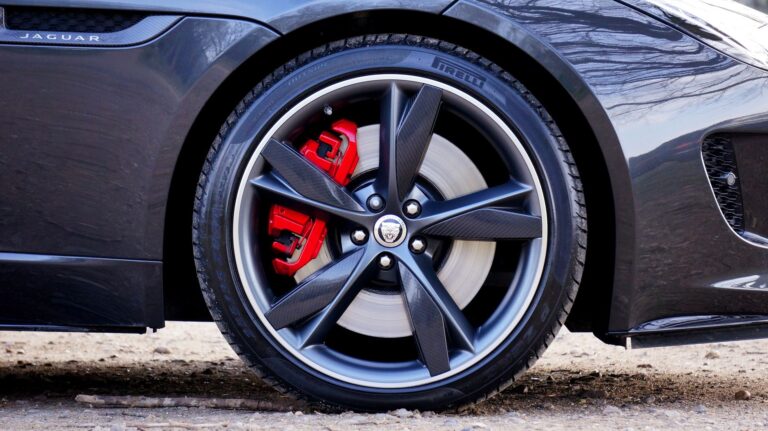
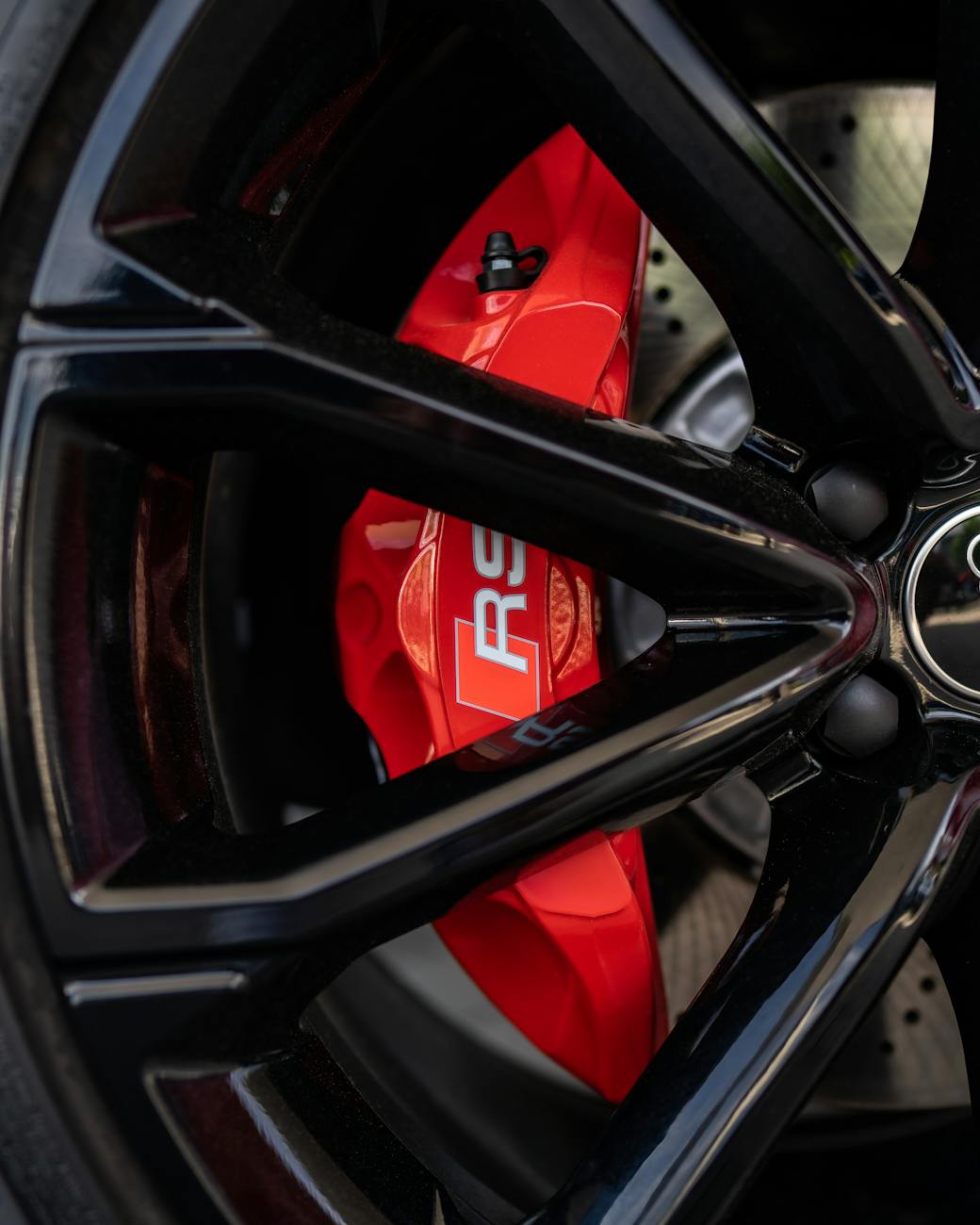
- Extremely thin pads (hard to judge, but you may see almost no friction material)
- Deep grooves on the rotor surface
- Heavy rust scaling on the rotor edges
Step 4: Check for heat (carefully)
After a short drive with minimal braking:
- Carefully hover your hand near each wheel (don’t touch hot metal).
- One wheel noticeably hotter can indicate a dragging brake.
Step 5: Listen for location
If you have a helper:
- Drive slowly past them while applying brakes lightly.
- They may identify which corner is loudest.
If you suspect worn pads or a dragging caliper, it’s smart to avoid extended driving.
5. How to fix
Fixes depend on the cause. Some are simple; others require parts replacement.
If it’s light rust on rotors
- Often resolves after a few normal stops.
- If the car sat for weeks and the rust is heavy, you may need:
- Brake service to clean up rotor surfaces
- Rotor replacement if pitting is severe
If brake pads are worn out
- Replace brake pads promptly.
- Often, rotors will need to be:
- Resurfaced (if within spec and not deeply damaged)
- Or replaced (common on modern cars and often best for noise-free results)
Driving on worn pads can ruin rotors quickly, increasing cost.
If debris is trapped or the dust shield is rubbing
- A shop can remove the wheel and:
- Clear the debris
- Reposition or straighten the dust shield
- This is typically inexpensive if no parts are damaged.
If calipers/slide pins are sticking
- The correct fix may include:
- Cleaning and lubricating slide pins
- Replacing torn boots or hardware
- Replacing or rebuilding the caliper if the piston is sticking
- You may also need new pads (and possibly rotors) if uneven wear occurred.
If rotors are scored, warped, or too thin
- Replace rotors if they’re below minimum thickness or heavily damaged.
- Pair new pads with new rotors for best performance and to avoid recurring noise.
6. Prevention tips
A few habits and checks can reduce the chance of low-speed grinding:
- Don’t ignore early squealing. Many pads squeal before they grind.
- Inspect brakes during tire rotations. Ask for pad thickness and rotor condition measurements.
- Avoid riding the brakes downhill. Use lower gears when appropriate to reduce heat.
- Wash wheels/brakes after salty winter driving. Salt accelerates corrosion.
- If the car sits, expect brief noise. Light rust is normal, but repeated loud grinding isn’t.
- Address pulling or overheating quickly. These can signal a sticking caliper before it destroys pads/rotors.
7. When to see a mechanic
Grinding is one of the brake noises you should take seriously. Seek professional help soon—immediately in these situations:
- Grinding is loud, persistent, or getting worse
- You feel vibration or pulsing in the brake pedal
- The car pulls to one side when braking
- You smell burning or see smoke near a wheel
- One wheel is unusually hot
- Brake warning light is on
- Stopping distances feel longer or braking feels weak
- Noise happens even when you’re not braking (could be a dragging brake or bearing issue)
If you’re unsure, it’s better to have a shop inspect the brakes early. Catching worn pads or a rubbing shield now can prevent rotor damage, caliper overheating, and unsafe stopping performance later.