1. Introduction
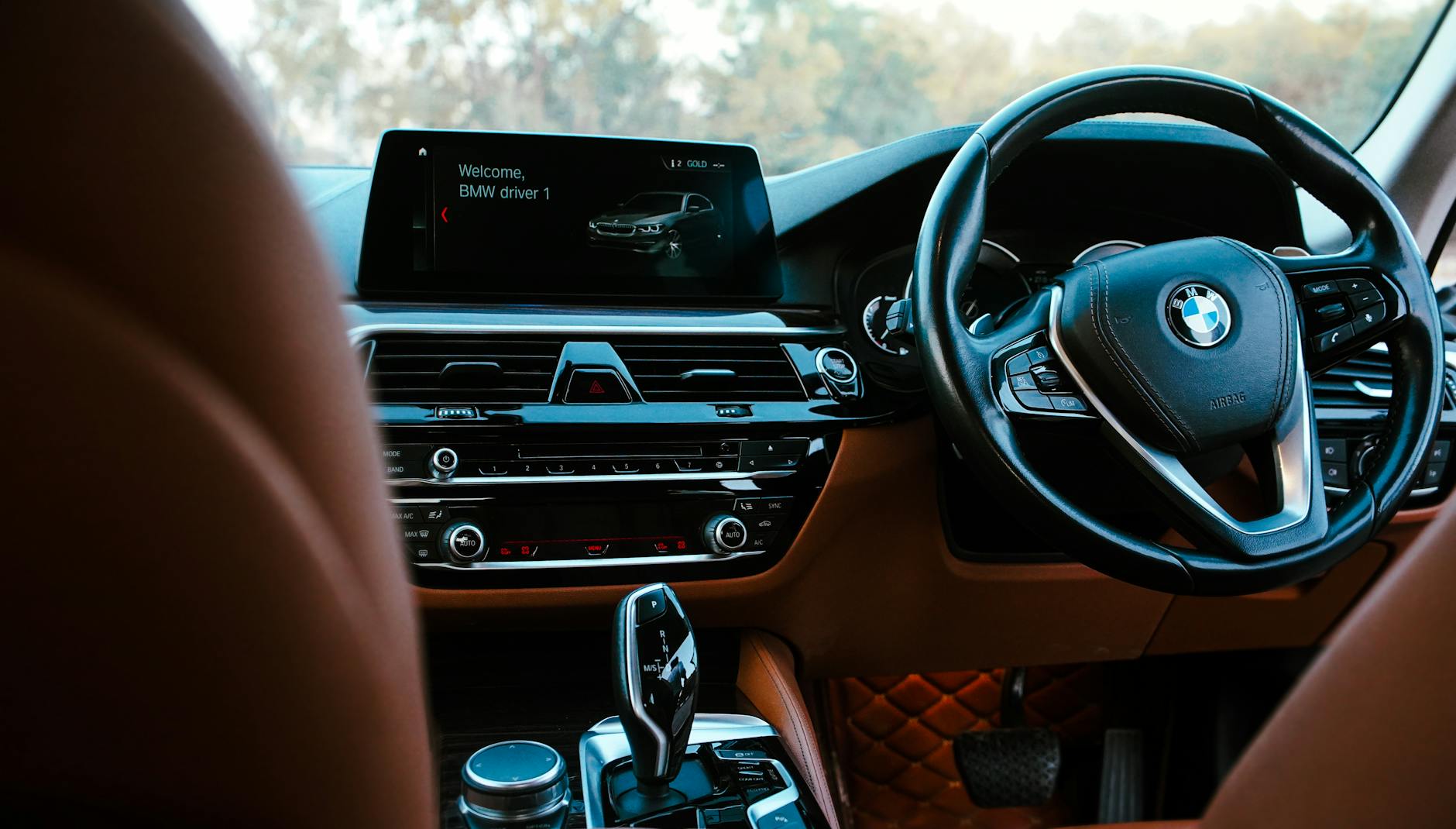
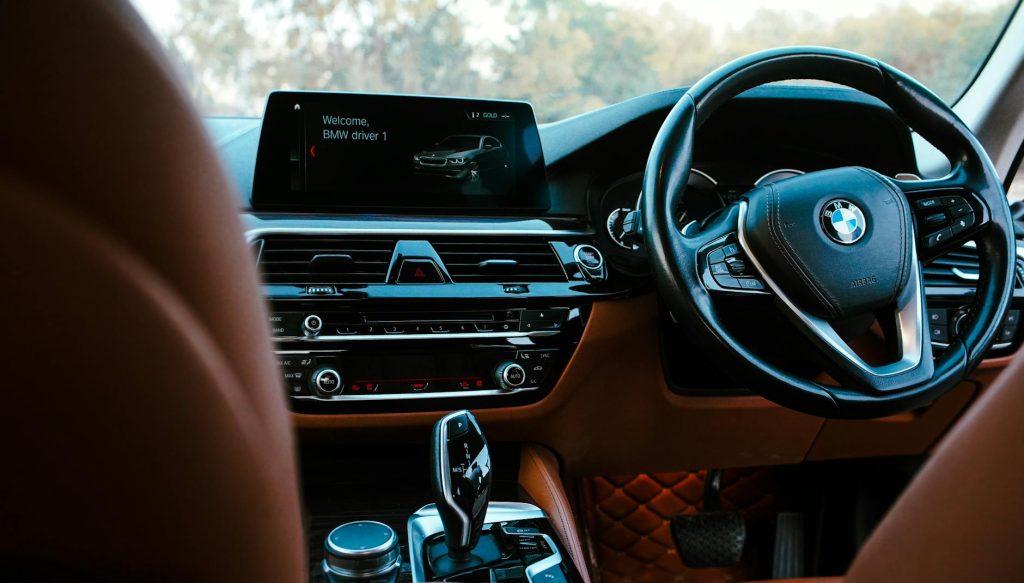
A “BMW-like” interior usually means a cabin that feels driver-focused, cleanly laid out, and solid to the touch—an organized dashboard with clear gauges, a well-positioned infotainment screen, and materials that don’t rattle or look tired after a few years. Many everyday car owners want that same vibe in a non-luxury vehicle, whether it’s because the current dashboard looks dated, the infotainment feels clunky, or the cabin has developed squeaks and shine from daily use.
Recommended Tool: Professional OBD2 Scanner
Recommended Tool: OEM Suspension Components
The good news is that you don’t need to replace your car to get closer to that premium, BMW-inspired feel. With the right approach, you can improve the look, feel, and usability of your interior—often by addressing a handful of common problem areas: cluttered layouts, worn touchpoints, mismatched lighting, cheap-looking trim, and noisy plastics.
Recommended Tool: Professional OBD2 Scanner
2. Causes
A cabin that doesn’t feel “premium” is usually the result of a few predictable causes. Some are wear-and-tear issues, and others are design limitations you can work around.
Design and layout limitations
- Too many visual elements competing for attention: glossy trim, busy button clusters, and mismatched textures can make a dashboard feel cluttered.
- Poor screen placement: a low or far-away infotainment screen draws your eyes off the road longer.
- Inconsistent lighting color: mixed white/blue/amber cabin lights can feel random rather than cohesive.
Material wear and surface aging
- Steering wheel and shift knob shine: oils from hands create a glossy, worn look.
- Soft-touch coatings breaking down: some plastics become sticky or patchy over time.
- Scratched piano-black trim: it looks sharp new, but shows dust and scratches quickly.
Noise, looseness, and rattles
- Loose trim clips and panels: small gaps create squeaks over bumps.
- Items in storage areas: coins, keys, and charging cables can cause noise that feels like a dashboard rattle.
Outdated tech experience
- Slow infotainment response or dated interface
- Weak phone integration or poor Bluetooth quality
- Bad audio tuning: even good speakers can sound flat with poor settings
3. Symptoms
If you’re chasing a BMW-like dashboard feel, you’ll usually notice one or more of these symptoms:
Visual symptoms
- Dashboard looks “busy” or mismatched in color/finish
- Trim has fine scratches, haze, or dull spots
- Buttons and knobs look faded or shiny
- Screen looks small, low-resolution, or awkwardly positioned
Touch-and-feel symptoms
- Sticky plastics or peeling coatings
- Loose-feeling knobs or wobbly vents
- Steering wheel feels slick rather than grippy
Sound and usability symptoms
- Squeaks or rattles on rough roads
- Glare on the screen or shiny trim reflecting sunlight
- Phone calls sound echoey or muffled through the car
4. How to diagnose
You don’t need special tools to figure out what’s holding your interior back. A simple, methodical check will tell you what to improve first.
Step 1: Do a “driver’s seat” audit
Sit in your normal driving position and note:
- What looks cluttered or distracting in your line of sight
- Whether the screen is easy to reach and read without leaning forward
- Any reflections or glare points (often from glossy trim)
Step 2: Identify your top three touchpoints
These are the areas you interact with most and notice immediately:
- Steering wheel
- Shift knob/selector area
- Infotainment controls and volume knob
If these feel worn, the whole cabin feels older—regardless of how clean the rest is.
Step 3: Track down rattles properly
Rattles are frustrating because they seem like “the dashboard,” but they’re often something simple.
- Remove everything from door pockets, cupholders, glovebox, and center console
- Take a short drive on a rough road
- If the noise is gone, reintroduce items one area at a time
- If it remains, press gently on suspect trim pieces while driving (have a passenger do this if possible)
Step 4: Check lighting consistency at night
Turn on interior lights and look for:
- Mixed color temperatures (cool white in one area, warm yellow in another)
- Uneven brightness (some switches too dim, others too bright)
Step 5: Evaluate the tech experience
- Does the system lag when changing menus?
- Does Bluetooth drop or take a long time to connect?
- Are calls clear at highway speed?
Write down what’s specifically wrong. “Feels outdated” becomes actionable when you can say “screen is dim,” “UI is slow,” or “audio lacks bass.”
5. How to fix
You can get a noticeably more BMW-like dashboard feel by focusing on a few high-impact upgrades and cleanups. Start with the simplest changes that deliver the biggest difference.
Improve cleanliness and finish (highest value)
- Deep clean touch surfaces: use a quality interior cleaner safe for plastics/vinyl, then protect with a matte UV protectant to avoid greasy shine.
- De-grease the steering wheel: a slightly damp microfiber with a mild cleaner can remove oils that cause slickness.
- Clean screens correctly: use a screen-safe microfiber and cleaner; avoid harsh chemicals that can haze coatings.
Reduce gloss and visual clutter
- Replace or cover scratch-prone trim: consider matte wrap kits or trim covers for piano-black sections.
- Declutter the cabin: fewer visible accessories, dangling cables, and mismatched mounts makes the dashboard feel more intentional.
- Use a low-profile phone mount: mounts that sit near eye level and don’t block vents look cleaner and work better.
Tighten up rattles and squeaks
- Add felt tape at contact points: automotive felt tape placed where trim touches trim can eliminate squeaks.
- Check loose panels: gently re-seat trim pieces; if clips are broken, replacements are usually inexpensive.
- Pad storage areas: non-slip liners in cupholders and bins stop small-item noise.
Upgrade the infotainment experience (without going overboard)
If your goal is premium usability, focus on:
- Better phone integration: a modern head unit or an interface upgrade (where available) can add smoother CarPlay/Android Auto behavior.
- Faster charging and clean wiring: a quality USB-C charger and hidden cable routing makes the cockpit feel more modern.
- Audio tuning first, hardware second: adjust EQ, fade/balance, and phone call settings before buying speakers. Many systems improve dramatically with basic tuning.
Improve lighting consistency
- Match interior bulb color temperature: if your vehicle uses replaceable bulbs, choose a consistent warm or neutral white across the cabin.
- Avoid overly blue LEDs: they can look harsh and reduce the “upscale” feel.
Material upgrades that feel premium
- Quality floor mats: well-fitted mats instantly improve perceived quality.
- Seat conditioning (if leather): reduces dryness and cracking, and improves feel.
- Steering wheel cover (only if it fits perfectly): a loose cover feels cheap, but a tailored wrap can feel closer to a luxury finish.
6. Prevention tips
Keeping a dashboard “BMW-like” is mostly about preventing shine, scratches, and noise from creeping back in.
- Use matte protectants, not glossy dressings to avoid the “slick dashboard” look.
- Keep microfiber towels in the car for quick dust removal—dust is what makes piano-black trim look worst.
- Avoid harsh all-purpose cleaners on coated plastics; they can cause stickiness over time.
- Don’t store hard items loosely in bins and cupholders; use rubber liners.
- Be careful with rings and keys around trim and screens.
- Park out of direct sun when possible or use a sunshade to reduce UV aging and screen heat.
7. When to see a mechanic
Most interior and dashboard improvements are DIY-friendly, but some issues point to electrical or safety-related problems that deserve professional help.
See a mechanic (or a specialist shop) if you notice:
- Airbag or SRS warning lights, or damage around airbag panels (steering wheel, dash, pillars)
- Persistent electrical glitches (screen rebooting, dead buttons, random warning chimes)
- Heater/AC control problems (fan works intermittently, controls unresponsive, burning smell)
- Water intrusion (foggy windows, damp carpet, musty smell)—this can damage modules behind the dash
- Rattles paired with steering/suspension symptoms (clunks, vibration, wandering). What sounds like a dash rattle can sometimes be something mechanical.
If your goal is a BMW-like interior, the biggest wins usually come from making the cabin feel tight, consistent, and intentionally laid out. Start with cleaning and de-glossing, eliminate noises, modernize the tech experience where it makes sense, and keep materials protected. Small, practical changes add up to a cabin that feels calmer, more solid, and more premium every day.