1. Introduction
A complete brake service on a Jaguar XF Sportbrake X260 3.0D is more than just fitting new pads. On this model—often powered by the AJV6D (3.0 diesel) and commonly paired with the ZF 8HP automatic gearbox—brake performance depends on correct parts choice, careful installation, and proper electronic reset procedures. Many European owners also cross-shop or share servicing habits with BMW, Mercedes, Audi, VW Group and other JLR models, so it helps to understand what “complete” really means in modern cars with advanced stability control, electronic parking brakes (where fitted), and brake wear monitoring.
Recommended Tool: Professional OBD2 Scanner
Recommended Tool: Premium Brake Pads
Recommended Tool: Cooling System Diagnostic Tools
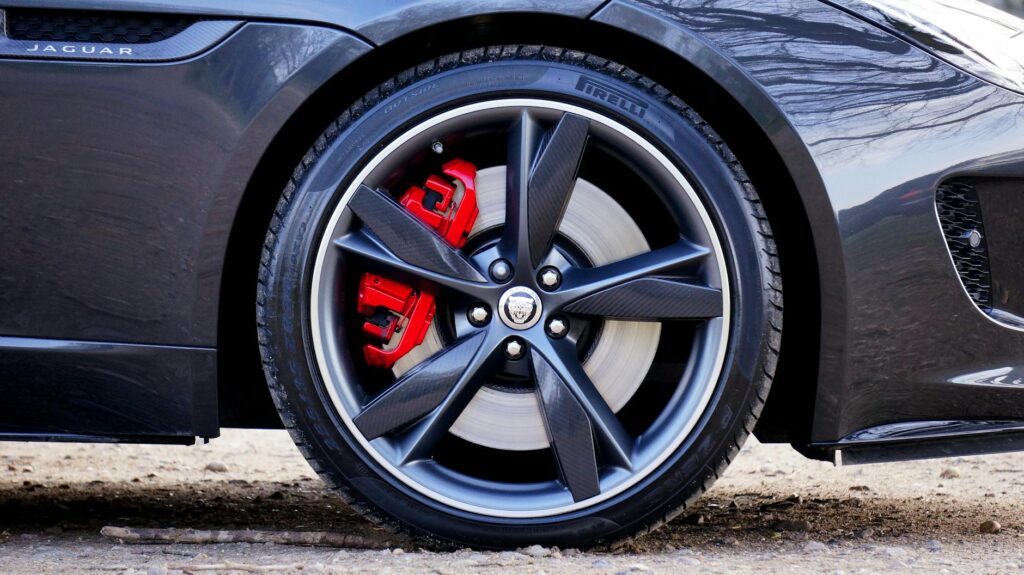
Done right, a brake service restores predictable stopping power, reduces vibration and noise, and protects expensive components like calipers and wheel bearings. Done poorly, it can cause judder, pulling, premature wear, and warning lights that require a diagnostic session with tools like JLR SDD or Pathfinder.
🔧 Recommended Professional Tool
ZF 8HP Transmission KitService tools for ZF 8HP automatic transmission
✔ Recommended by automotive technicians ✔ Suitable for BMW, Mercedes, VAG & JLR platforms ✔ Fast international shipping
2. Causes
Brakes are wear items, but uneven wear or recurring issues usually have an underlying cause. Common reasons an XF Sportbrake X260 needs a complete brake service include:
- Normal wear and tear from mixed motorway/city driving, towing, or heavy loads typical of an estate car
- Corrosion on discs from infrequent use or short journeys where brakes don’t get hot enough to clean the surface
- Sticking caliper slider pins or dry/contaminated guide bushings, leading to uneven pad wear
- Heat damage from repeated heavy braking (mountain descents, spirited driving) causing glazing or disc hotspots
- Incorrect previous parts (cheap pads, wrong compound, low-quality discs) that increase noise and dust or trigger vibration
- Brake fluid degradation (moisture absorption over time) reducing boiling point and pedal feel
- Wheel alignment or suspension wear (worn control arm bushes) that can mimic brake pull or cause instability under braking
3. Symptoms
You may not get a dramatic failure, but the car will usually “tell you” when it’s time. Typical signs include:
- Squealing, grinding, or scraping (wear indicators or metal-on-metal contact)
- Steering wheel shake under braking (often disc thickness variation rather than “warped” discs)
- Longer stopping distances or a wooden pedal feel
- Pedal pulsation felt through the brake pedal
- Car pulling left/right when braking (possible caliper issue, uneven pads, tyre/suspension factors)
- Brake warning light or service message (wear sensor triggered or fault stored)
- Burning smell after a drive (possible sticking caliper)
- Excessive brake dust or wheels constantly blackened (pad compound and driving pattern dependent)
4. How to diagnose
For everyday owners, diagnosis is about confirming what’s worn and what’s causing the symptoms before buying parts.
Visual and basic checks (at home or during tyre change)
- Look at pad thickness through the wheel spokes (ideally remove wheel for accuracy). Under ~3–4 mm means due soon.
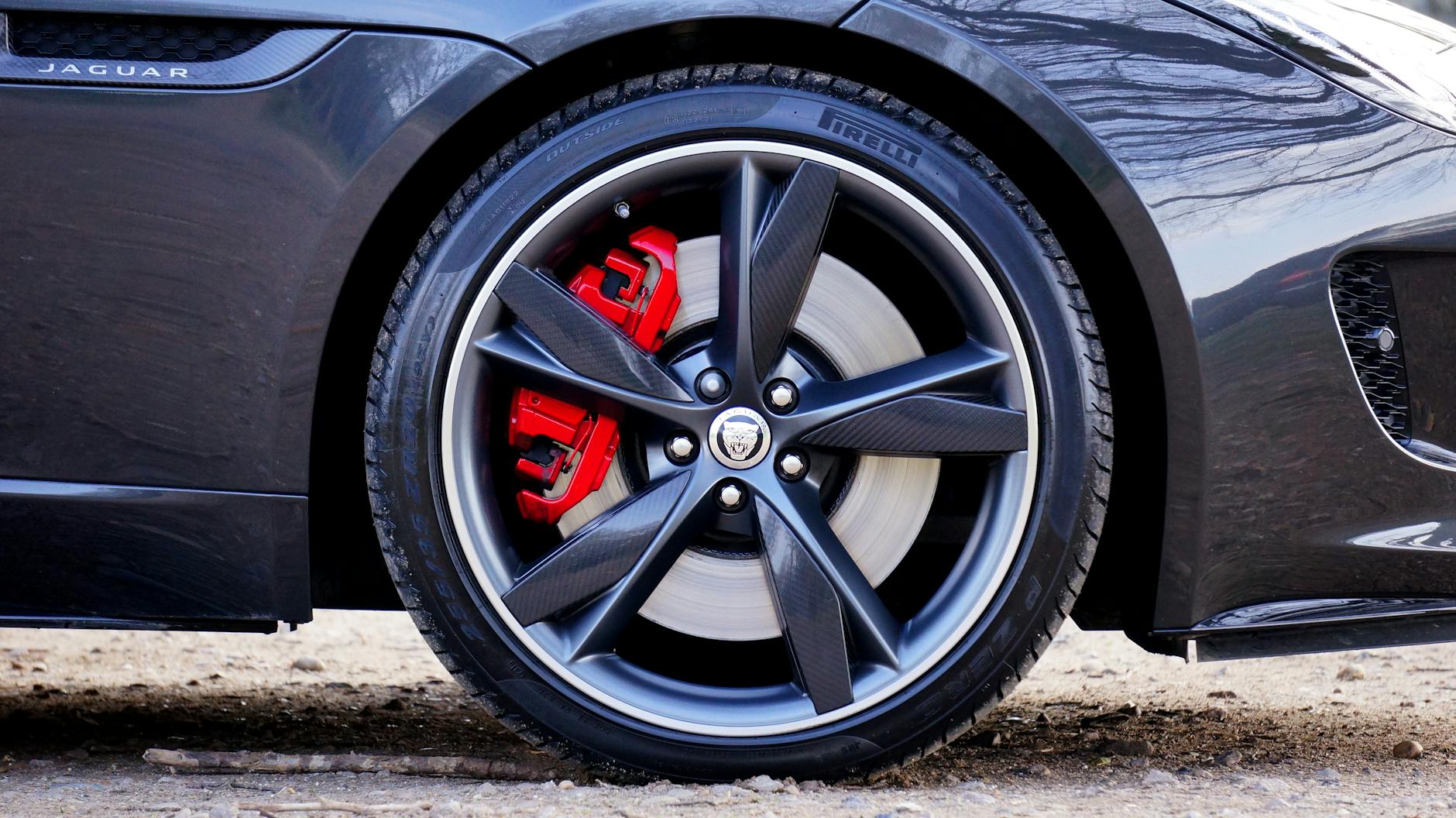
- Check disc condition: deep lips on the outer edge, heavy scoring, or patchy rust suggests replacement.
- Inspect for uneven wear: inner pad often wears faster if sliders stick—many people only view the outer pad.
- Check for fluid leaks around calipers and brake hoses.
- Brake fluid age: if it’s over 2 years old and unknown, plan a fluid change.
Road test (safe conditions)
- Light braking from 80–50 km/h: feel for vibration.
- Moderate braking: check if the car pulls.
- After a short drive, cautiously feel for one wheel much hotter than the others (sticking caliper can overheat one corner).
Diagnostic tools (useful when warning lights appear)
If you have a brake warning or stability control message, scanning is worth it. On JLR, SDD (older) or Pathfinder (newer) can read:
- Brake pad wear sensor status (where fitted)
- ABS/DSC fault codes and live wheel-speed data
- Parking brake module faults (if electronic rear parking brake is equipped)
- Service reset functions and guided routines
This is similar in concept to BMW ISTA, Mercedes Xentry, and VAG ODIS: it’s not just codes—guided tests can point to wiring breaks, sensor faults, or actuator issues.
5. How to fix
A “complete brake service” typically means front and rear pads and discs, plus hardware and fluid if due. The exact steps depend on your brake setup, but the principles are consistent.
Parts to replace (recommended)
- Brake pads (quality brand; correct compound for the vehicle)
- Brake discs/rotors (match diameter and thickness to your trim)
- Pad fitting kit/hardware (clips/springs where applicable)
- Wear sensors (if the system uses them and they are triggered or damaged)
- Brake fluid (DOT 4 typically; confirm spec for your model year)
Key workmanship points (where problems often start)
- Clean hub faces thoroughly: rust between hub and disc can create runout and vibration.
- Lubricate correctly: use high-temp brake grease only on approved areas (slider pins, pad ears if required). Keep grease off friction surfaces.
- Check caliper sliders and boots: replace boots/pins if seized or torn.
- Torque wheel bolts properly: uneven torque can contribute to vibration.
- Bed-in procedure: follow pad manufacturer instructions. Gentle, repeated stops help transfer an even layer of pad material onto the disc.
Parking brake and electronic considerations
If your XF has an electronic parking brake, the rear service may require putting the system into service mode. Using Pathfinder/SDD (or a capable aftermarket scan tool) can avoid forcing components and damaging the actuator. After replacement, you may need:
- EPB calibration or function test
- Service indicator reset
- Clearing stored faults if a sensor was unplugged
6. Repair costs
Costs vary widely across Europe by labour rate, parts brand, and whether you choose OEM, OEM-equivalent, or budget parts. Realistic estimates (parts + labour) for a Jaguar XF Sportbrake X260:
- Front pads + discs: €350–€700
- Rear pads + discs: €300–€650
- All four corners pads + discs: €700–€1,400
- Brake fluid change/bleed: €80–€160
- Replace a seized caliper or rebuild one corner: €250–€600 per corner (more if genuine caliper)
- ABS/wheel speed sensor replacement (if faulted): €120–€250 per sensor fitted
Main dealers often sit at the top end, while independent JLR specialists can be excellent value, especially if they use Pathfinder/SDD for correct electronic procedures.
7. Prevention tips
You can extend brake life and reduce comebacks with a few habits:
- Drive the car regularly to reduce disc corrosion (even a weekly longer trip helps).
- Avoid resting your foot on the brake on motorways; it causes heat and glazing.
- Rinse winter salt off wheels and brakes occasionally (gentle wash, no aggressive chemicals on hot brakes).
- Change brake fluid every 2 years even if mileage is low.
- Use quality parts: cheap pads can dust heavily, squeal, and wear discs faster.
- Address suspension wear early (bushes, ball joints) to prevent instability under braking.
8. When to see a mechanic
Book a professional inspection if:
- You have grinding noises (possible metal-to-metal)
- The car pulls strongly under braking or the steering wheel shakes noticeably
- There’s a brake/ABS/DSC warning light that returns after clearing
- One wheel is consistently hotter (sticking caliper risk)
- The brake pedal feels spongy or sinks (fluid leak or air in system)
- You’re unsure about EPB service mode or bleeding procedure
A good workshop will measure disc runout/thickness, inspect slider pins, and use proper diagnostics (Pathfinder/SDD) rather than guessing.
9. Frequently Asked Questions
Frequently Asked Questions
Do I need to replace discs every time I change pads on the XF Sportbrake X260?
Not always, but many owners do because modern discs can wear close to minimum thickness by the time pads are due. If discs are heavily lipped, scored, or below spec, replacing them prevents noise and improves bedding-in. A workshop can measure thickness and check surface condition quickly.
Why do I get steering wheel vibration after new brakes?
The most common causes are poor hub cleaning, incorrect torque on wheel bolts, or disc runout leading to uneven pad deposits. Cheap discs or aggressive pad compounds can make this worse. A mechanic can measure runout and correct the root cause rather than repeatedly replacing parts.
Does the XF Sportbrake have a brake wear sensor, and does it need resetting?
Some configurations use wear sensors and will trigger a warning when the sensor circuit is worn through. If the warning has been triggered, the sensor typically must be replaced, then the service reminder may need resetting. Pathfinder or SDD (or a capable scan tool) can confirm sensor status and clear related faults.
Should I flush brake fluid even if the mileage is low?
Yes—brake fluid absorbs moisture over time, which lowers its boiling point and can corrode internal components. Low mileage cars often do many short trips, which can be hard on brakes and fluid. A two-year interval is a sensible rule for most European conditions.
Can a sticking caliper damage other parts?
Yes, a dragging brake can overheat pads and discs, and in severe cases transfer heat to the wheel bearing and ABS sensor wiring. It can also reduce fuel economy and cause the car to pull. If you notice unusual heat or smell, stop driving and have it inspected.