1. Introduction
Brake judder on the BMW E46 320d is one of those problems that feels dramatic even when the underlying cause is fairly ordinary. You press the pedal at motorway speeds, and the steering wheel shakes, the pedal pulses, or the whole front end feels unsettled. Many owners immediately blame “warped discs,” but in reality brake judder is usually a combination of disc condition, pad deposits, hub cleanliness, suspension wear, and even tyre issues.
Recommended Tool: Professional OBD2 Scanner
Recommended Tool: Premium Brake Pads
Recommended Tool: Cooling System Diagnostic Tools
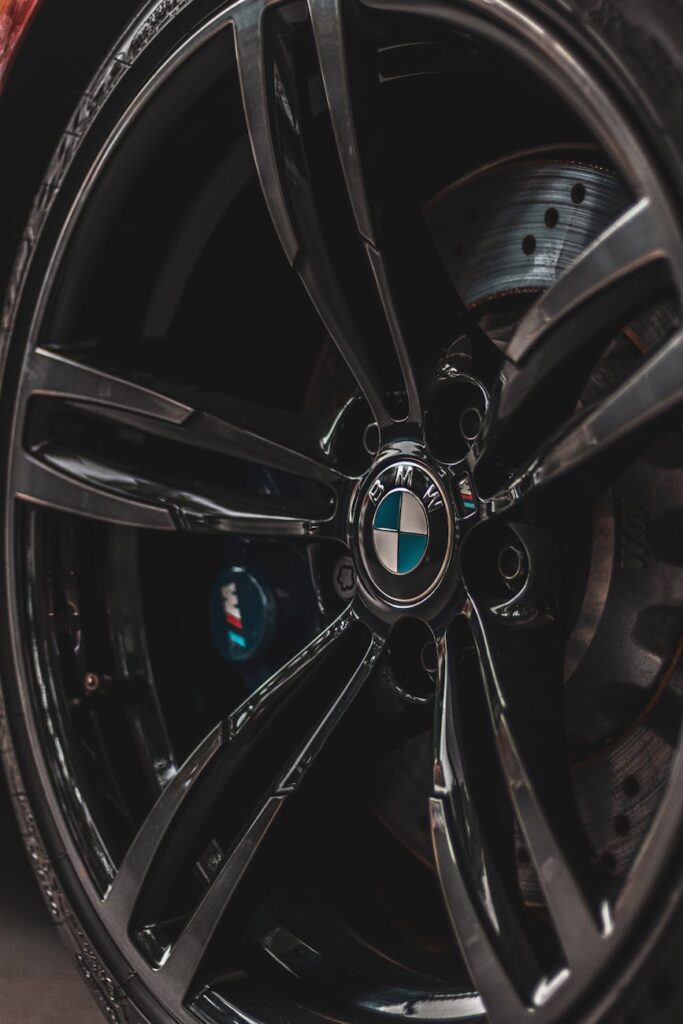
The E46 320d (commonly the M47/M47N diesel) is now at an age where multiple small tolerances can stack up. The good news is that most fixes are straightforward, and you don’t need to be a mechanic to understand what’s going on or to avoid paying twice for the same repair.
🔧 Recommended Professional Tool
Cooling System Diagnostic ToolsProfessional coolant tester and infrared thermometer for accurate overheating diagnosis.
✔ Recommended by automotive technicians ✔ Suitable for BMW, Mercedes, VAG & JLR platforms ✔ Fast international shipping
2. Causes
Brake judder is vibration felt during braking. On the E46 it typically comes from the front axle, but rear issues can also transmit through the body.
Common causes on the E46 320d
- Disc thickness variation (DTV): Not necessarily a physically “warped” disc, but uneven thickness caused by heat and friction.
- Pad material transfer (uneven deposits): Often from hard stops followed by holding the pedal at a standstill (hot pad imprint).
- Corroded or dirty hub face: Rust or debris between hub and disc causes the disc to sit slightly off-centre.
- Wheel bolt torque issues: Over-torqued or unevenly torqued bolts can distort how the disc seats.
- Worn front control arm bushings / ball joints: Very common on E46; braking loads amplify play and cause shimmy.
- Sticking caliper slider pins or piston: One pad drags, overheating the disc and creating deposits.
- Cheap or mismatched parts: Low-quality discs/pads, or mixing old pads with new discs, increases risk.
- Wheel/tyre issues: Out-of-balance wheels, bent rims, or uneven tyre wear can feel like brake judder but often shows up even without braking.
3. Symptoms
Brake judder can present in a few distinct ways. Noting exactly what you feel helps narrow the cause.
Typical symptoms
- Steering wheel shake under braking, often at 80–120 km/h
- Pulsing brake pedal, especially during medium braking
- Vibration through seat/floor (can indicate rear disc issues)
- Braking feels “grabby” or inconsistent at low speeds
- Squeal or burning smell after short drives (possible dragging caliper)
- Car pulls left/right when braking (caliper, hose, or pad issue)
4. How to diagnose
You can do a lot with basic checks before buying parts. If you have access to BMW diagnostics, ISTA can help confirm related faults (ABS/DSC sensor issues), but judder is usually mechanical.
Step-by-step checks (owner-friendly)
Visual inspection (wheels off if possible)
- Look for blue/purple heat spots on discs (overheating).
- Check for lips at the disc edge and cracks or heavy scoring.
- Compare inner vs outer pad thickness; big differences suggest caliper slide problems.
Check the hub and disc seating
- If discs were recently fitted, suspect hub rust. Even a thin rust layer can create runout.
- Inspect the disc’s mounting face for clean metal contact all around.
Suspension and steering play (very common on E46)
- With the car safely lifted, check:
- Front control arm rear bushings (often called FCAB): look for tearing or fluid leakage on certain types.
- Ball joints: any clunk or visible movement is a red flag.
- Tie rod ends: play can amplify vibration under braking.
Simple road test clues
- Judder only when braking from high speed: often front discs/pads or hub seating.
- Judder even when coasting at speed: often wheel balance/tyres.
- Judder improves after a few hard stops then returns: often pad deposits.
Measuring runout/DTV (best confirmation)
A workshop can measure:
- Disc lateral runout with a dial gauge
- Disc thickness variation with a micrometer
If runout is high, the cause may be disc quality, hub rust, or hub bearing issues.
Diagnostics tools (when relevant)
- ISTA: useful to scan for ABS/DSC faults, wheel speed sensor errors, or brake pressure plausibility issues. These won’t usually cause classic judder, but they can affect braking feel and should be ruled out if warning lights are on.
5. How to fix
The fix depends on the root cause. Replacing discs and pads without addressing hub cleanliness or suspension wear is the main reason judder comes back.
Fix 1: Correct disc/pad issues properly
- Replace front discs and pads together (recommended).
- Clean the hub face to bare metal and apply a thin anti-seize film (avoid getting it on braking surfaces).
- Ensure caliper carriers are clean and slider pins move freely; renew slider pin grease if needed.
- Bed in new pads correctly: several controlled stops, then cool-down driving without holding the pedal at rest.
Fix 2: Remove pad deposits (sometimes works)
If discs aren’t badly worn and thickness is within spec, a controlled re-bedding procedure can help:
- 6–10 medium-hard stops from ~100 km/h to 30 km/h with cooling gaps.
- Do not hold the pedal firmly at a standstill immediately after heavy braking.
If vibration persists, the deposits may be too uneven and parts replacement is the sensible route.
Fix 3: Address suspension wear
On the E46, worn control arms and bushings often cause the “classic” brake shimmy:
- Replace front lower control arms (often supplied with ball joints)
- Replace FCABs
- Follow with a proper alignment
This can transform braking stability even with good discs.
Fix 4: Caliper and hydraulic issues
- Rebuild or replace a sticking caliper
- Replace collapsed brake hoses if one side drags or releases slowly
- Flush brake fluid if overdue (moisture lowers boiling point and worsens heat issues)
Fix 5: Wheel and tyre corrections
- Balance wheels, check for bent rims
- Inspect tyres for flat spots or uneven wear
- Ensure wheel bolts are torqued evenly to BMW spec (typically around 120 Nm, depending on wheel/bolt type)
6. Repair costs
Prices vary across Europe, but these are realistic ranges including parts and labour at an independent specialist.
- Front discs + pads (quality brands): €250–€500
- Front discs + pads + caliper slider service: €320–€650
- New front caliper (one side) + discs/pads: €450–€850
- Front control arms + FCABs (both sides) + alignment: €500–€1,100
- Wheel bearing/hub (if runout source): €300–€600 per side
- Brake fluid flush: €60–€120
- Wheel balancing (set of 4): €40–€90
Main dealer pricing is typically higher, but for an E46 many owners use reputable independents.
7. Prevention tips
- Use quality discs and pads; avoid the cheapest kits for a heavy-front diesel like the 320d.
- Always clean the hub face when fitting discs and torque bolts correctly.
- Bed in brakes properly and avoid holding the car on the pedal after heavy stops.
- Service caliper slider pins during brake jobs and replace torn dust boots early.
- Keep suspension in good condition; worn bushings turn minor disc issues into major shake.
- Rotate and balance wheels regularly and maintain correct tyre pressures.
8. When to see a mechanic
Seek professional help if:
- The car pulls sharply under braking.
- You notice overheating, smoke, or a strong burning smell.
- The steering wheel shake is severe enough to affect control.
- There are ABS/DSC warning lights (scan with ISTA or equivalent).
- Judder returns quickly after new brakes—this suggests underlying runout, hub issues, or suspension play that needs proper measurement.
A good workshop will measure runout, inspect suspension joints, and avoid guesswork part-swapping.
9. Frequently Asked Questions
Frequently Asked Questions
Is brake judder on an E46 320d always caused by “warped discs”?
Not always. The most common real cause is disc thickness variation or uneven pad deposits, often triggered by heat and poor bedding-in. Hub corrosion and worn suspension bushings can create the same sensation even with decent discs.
Can worn front control arm bushings cause brake vibration even if the discs are new?
Yes. The E46 is known for front control arm and bushing wear, and braking forces amplify any play. New discs can still judder if the wheels move slightly under load.
Will skimming (machining) the discs fix the problem?
Sometimes, but it depends on remaining disc thickness and whether the hub face/runout issue is addressed. If the hub is dirty or the caliper sticks, judder can return quickly. Many shops prefer replacing discs due to cost-effectiveness and safety margin.
How do I know if a sticking caliper is involved?
Look for uneven pad wear, one wheel generating much more brake dust, or a hot wheel after a short drive without heavy braking. The car may also pull to one side. A mechanic can confirm by checking slider movement and piston retraction.
Does BMW ISTA help diagnose brake judder?
ISTA is useful for checking ABS/DSC faults, wheel speed sensors, and related warning lights, but most brake judder is mechanical rather than electronic. It’s best used to rule out control system issues when symptoms include warning lights or inconsistent brake assist behavior.