1. Introduction
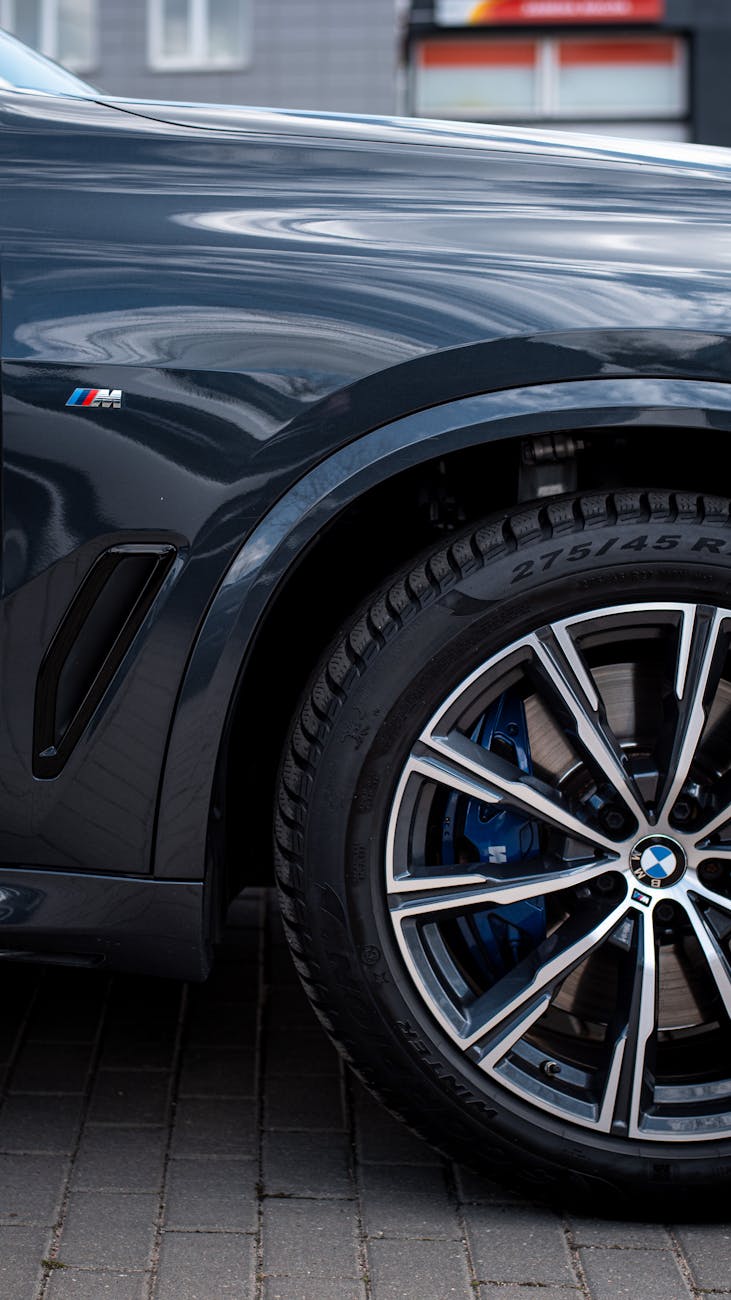
Brake pads are a wear item, but choosing the right type can noticeably change how your BMW X5 G05 40i feels every day—how smoothly it stops in traffic, how often your wheels get dirty, and how consistent braking is on long motorway descents. For European owners who do a mix of city commuting, school runs, autobahn cruising, and occasional alpine trips, the “best” pad is not always the most expensive one.
Recommended Tool: Professional OBD2 Scanner
Recommended Tool: Premium Brake Pads
Recommended Tool: Cooling System Diagnostic Tools
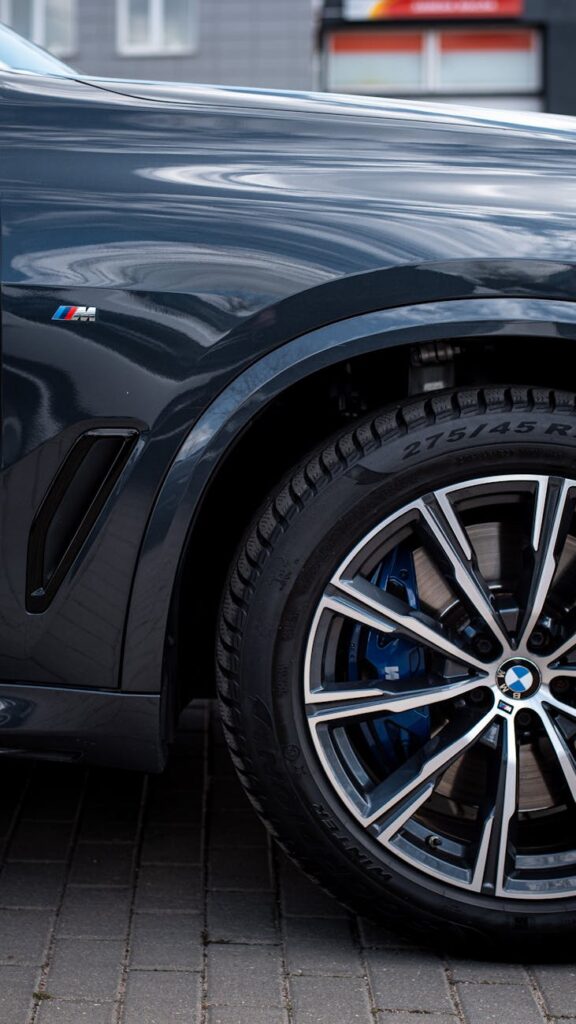
The BMW X5 G05 40i (typically the B58 3.0 turbo petrol, often paired with the ZF 8HP automatic) is a heavy, powerful SUV. That weight and performance put real demands on the friction material. The two most common choices you’ll see are ceramic and semi-metallic pads. This guide explains the differences in plain terms, how they affect noise and dust, and how to pick pads that match your driving and your expectations.
🔧 Recommended Professional Tool
ZF 8HP Transmission KitService tools for ZF 8HP automatic transmission
✔ Recommended by automotive technicians ✔ Suitable for BMW, Mercedes, VAG & JLR platforms ✔ Fast international shipping
2. Causes
“Cause” here means why pad choice matters and why owners end up changing pad type in the first place.
Driving profile and vehicle demands
- Vehicle mass + torque: The X5’s weight means more energy to convert into heat during braking.
- Urban stop-start: Frequent low-speed braking highlights noise, pedal feel, and dusting.
- Mountain driving/towing: Repeated hard stops build heat, where pad composition matters most.
Common reasons owners switch pad types
- Too much brake dust on light-coloured wheels (often pushes owners toward ceramic).
- Squeal or low-speed groan (can happen with either, but material choice influences it).
- Fade on long descents (can push owners toward quality semi-metallic formulations).
- Uneven pad wear or judder due to incompatible pad/rotor pairing or poor bedding-in.
3. Symptoms
Your current pads may be “fine,” but these signs often indicate you’d benefit from a different pad type—or that something else in the braking system needs attention.
Symptoms linked to pad material choice
- High visible dust: Dark soot builds up quickly on front wheels.
- Noise at low speed: Squeal when creeping to a stop or reversing.
- Inconsistent bite: Strong initial bite when cold, then changes as brakes warm up (or the opposite).
- Brake fade: Pedal feels the same but stopping power reduces after repeated braking.
Symptoms that aren’t “pad type” problems (but get blamed on pads)
- Steering wheel shake under braking: Often rotor thickness variation or pad deposits, not just “warped discs.”
- Pulling left/right: Can be a sticking caliper slide pin, seized piston, or uneven pad material transfer.
- Grinding: Pads are worn through or a backing plate is contacting the rotor—urgent.
4. How to diagnose
You don’t need to be a mechanic, but you can make smarter decisions with a few checks. If you want a deeper look, BMW diagnostic software can help a workshop confirm brake service status and reset procedures correctly.
Basic checks at home
- Look through the wheel spokes: Estimate pad thickness. Under ~3–4 mm means plan replacement soon.
- Check rotor condition: A pronounced outer lip, deep scoring, or blue heat spots suggest rotors may need replacing.
- Dust pattern: Heavy dust mainly on the front is normal, but extreme dusting can point to aggressive pad material.
- Noise context: Note when squeal happens (cold, wet, light braking, reversing). That helps narrow the cause.
Workshop-level checks
- Brake pad wear sensor status: BMW uses electronic wear sensors; a workshop can verify with ISTA and check remaining service interval logic.
- Caliper operation: Verify slide pins move freely and pistons retract properly; a sticking caliper can mimic “bad pad choice.”
- Rotor measurements: Minimum thickness and runout checks help prevent vibration complaints after a pad swap.
- Brake fluid condition: Old fluid boils easier, worsening fade; many European schedules recommend changing every 2 years.
5. How to fix
Fixing the issue usually means choosing the right pads (and sometimes rotors) for your use, then installing and bedding them in correctly.
Choosing ceramic pads
Ceramic pads are often chosen for:
- Low dust and cleaner wheels
- Quieter operation in typical city use
- Smooth, progressive pedal feel
Trade-offs:
- Some ceramic formulations can feel less “grabby” at the first touch, especially when cold.
- Under repeated heavy braking (mountain descents, towing), some ceramics can heat-soak sooner than premium semi-metallic options.
Choosing semi-metallic pads
Semi-metallic pads are often chosen for:
- Strong bite and consistent performance under heat
- Confidence during fast motorway driving and repeated braking
- Good pairing with performance-oriented rotors
Trade-offs:
- Typically more dust and potentially more visible on wheels
- Can be noisier, especially if fitted without proper shims/paste or if rotors aren’t in good condition
Installation and bedding-in (matters more than many think)
- Replace or correctly refit anti-rattle clips and shims.
- Clean and lubricate (correctly) caliper contact points; do not contaminate pad friction surfaces.
- Consider rotors: If rotors are near minimum thickness or have uneven deposits, replacing rotors with pads often prevents comebacks.
- Perform a proper bedding-in procedure: a series of moderate stops to gradually heat-cycle the pads and transfer an even film to the rotors.
Electronics: don’t skip the reset
After replacement, the brake service reminder and wear sensor logic must be handled properly. Many shops will use ISTA to reset CBS (Condition Based Service) and confirm sensor status; skipping this can leave warnings on the dash or incorrect service intervals.
6. Repair costs
Costs vary by country, parts brand (OEM vs premium aftermarket), and whether you replace pads only or pads + rotors. Below are realistic European ranges for a BMW X5 G05 40i.
Front axle (pads only)
- Parts: €120–€280 (ceramic often toward the higher end)
- Labor: €120–€250
Typical total: €240–€530
Front axle (pads + rotors)
- Parts: €350–€900 (rotor size/brand makes a big difference)
- Labor: €180–€350
Typical total: €530–€1,250
Rear axle (pads only)
- Parts: €90–€220
- Labor: €120–€250
Typical total: €210–€470
Rear axle (pads + rotors)
- Parts: €280–€750
- Labor: €180–€350
Typical total: €460–€1,100
Notes:
- If a wear sensor is triggered, expect €20–€60 extra for the sensor.
- If caliper sliders are seized or hardware is missing, add €60–€200 for additional labor/materials.
7. Prevention tips
- Match pads to your real driving: City commuting and clean wheels often favor ceramic; frequent high-speed or mountain use often favors quality semi-metallic.
- Don’t mix unknown pad compounds on questionable rotors: If you’re changing pad type, consider replacing rotors to avoid noise and vibration from old deposits.
- Change brake fluid on schedule: Fresh fluid helps prevent fade and protects ABS/DSC components.
- Wash wheels regularly in winter: Salt and grime can accelerate corrosion and cause noise.
- Avoid resting your foot on the brake: Light constant contact overheats pads and creates uneven deposits.
8. When to see a mechanic
See a professional promptly if you notice:
- Grinding, metallic scraping, or sudden braking performance loss
- Brake warning light or wear message that returns after reset
- Vehicle pulls under braking or you smell burning after normal driving
- Steering wheel shake that persists (rotor measurement and caliper checks needed)
A competent independent BMW specialist with ISTA can verify sensor status, confirm service functions, and spot caliper or rotor issues that a simple pad swap won’t fix.
9. Frequently Asked Questions
Frequently Asked Questions
Are ceramic pads always better for the BMW X5 G05 40i?
Not always. Ceramics are great for low dust and quiet operation, but some drivers prefer the stronger bite and heat tolerance of premium semi-metallic pads. The best choice depends on whether your driving is mostly city cruising or repeated heavy braking.
Will changing pad type cause squealing?
It can, but squeal is more often caused by installation details, rotor condition, or improper bedding-in. If you switch compounds, old rotor deposits can react badly with the new pad material. Replacing rotors or properly resurfacing/cleaning them can reduce the risk.
Do I need to replace rotors when I change pads?
Not every time, but it’s often wise on a heavy SUV if rotors are near minimum thickness, heavily lipped, or have vibration issues. If you’re switching from semi-metallic to ceramic (or the reverse), new rotors help ensure a clean, compatible friction surface. A workshop can measure thickness and runout to decide.
Will ceramic pads reduce brake dust on my wheels?
Usually yes, especially compared with many OEM-style semi-metallic pads. However, “low dust” varies by brand and formulation, and driving style still matters. Hard braking and frequent stop-start driving will always produce some dust.
Do I need a diagnostic tool after replacing pads?
If a wear sensor has been triggered or the service interval needs updating, yes—proper reset and checks prevent warning lights and incorrect service data. Many shops use ISTA to manage CBS resets and confirm that sensors and brake-related modules report correctly. Even without warnings, a correct reset keeps your maintenance tracking accurate.