1. Introduction
A blinking engine light while driving is one of the most urgent warnings your car can give. Unlike a steady “check engine” light (which can sometimes indicate a minor issue), a flashing or blinking light typically means the engine is misfiring badly enough that it can damage the catalytic converter and other components. That damage can happen quickly and can be expensive.
Recommended Tool: Professional OBD2 Scanner
Recommended Tool: Premium Brake Pads
Recommended Tool: Cooling System Diagnostic Tools
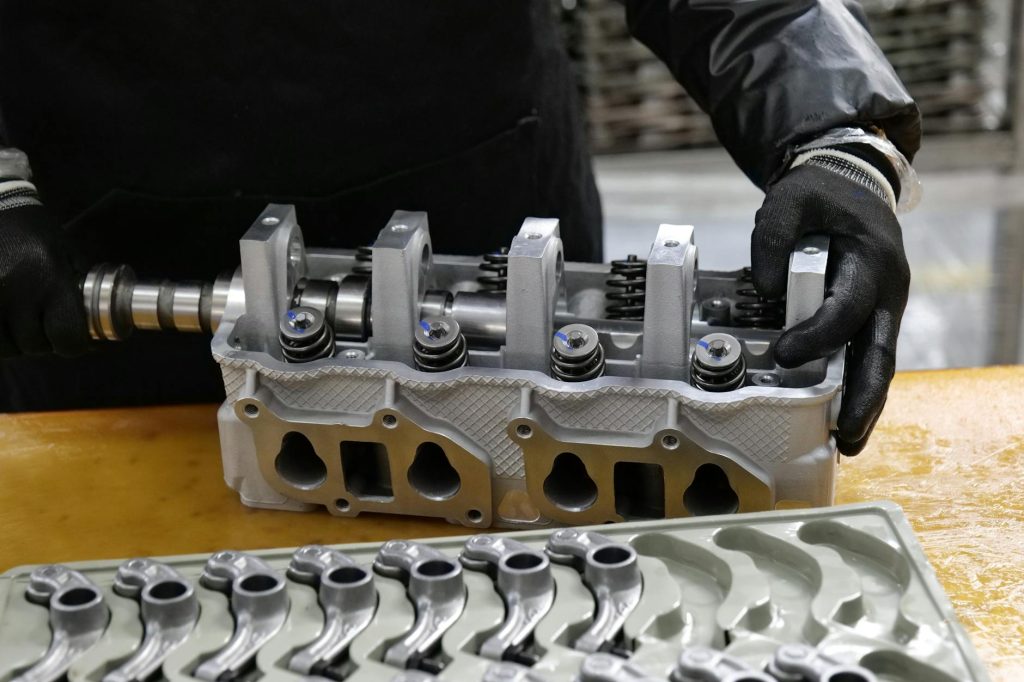
If your engine light starts blinking, the goal is to protect the engine and exhaust system, keep yourself safe, and avoid turning a manageable repair into a major one. This guide explains what the blinking light usually means, what you may notice along with it, and the practical steps everyday drivers can take.
🔧 Recommended Professional Tool
Cooling System Diagnostic ToolsProfessional coolant tester and infrared thermometer for accurate overheating diagnosis.
✔ Recommended by automotive technicians ✔ Suitable for BMW, Mercedes, VAG & JLR platforms ✔ Fast international shipping
2. Causes
A blinking engine light most commonly points to an active misfire. A misfire happens when one or more cylinders don’t burn fuel properly. Here are the most common causes, from most likely to less common:
Ignition system problems (very common)
- Worn spark plugs: Old or incorrectly gapped plugs can’t ignite the air-fuel mixture consistently.
- Bad ignition coils or coil packs: A failing coil can cause intermittent or constant misfires.
- Damaged spark plug wires (on vehicles that use them): Cracks or internal breaks can cause weak spark.
Fuel delivery issues
- Clogged or failing fuel injector: A cylinder may get too little fuel or an inconsistent spray pattern.
- Low fuel pressure: A weak fuel pump, clogged fuel filter (where serviceable), or pressure regulator issues can starve the engine.
- Contaminated fuel: Water or poor-quality fuel can cause stumbling and misfires.
Air and vacuum leaks
- Vacuum leaks: Unmetered air entering the engine can lean out the mixture and cause misfires.
- Intake air leaks after the mass airflow sensor (MAF): Similar effect to vacuum leaks, often worse at idle.
Sensor and control issues
- MAF or MAP sensor problems: Incorrect air measurement leads to incorrect fueling.
- Crankshaft or camshaft position sensor issues: Can disrupt timing signals and cause misfires or stalling.
- Oxygen sensor issues: Less likely to cause a flashing light by itself, but can contribute to poor fueling.
Mechanical engine problems (less common, but serious)
- Low compression from worn piston rings, burnt valves, or head gasket issues
- Timing problems (timing chain/belt stretch or jumped timing)
- Overheating-related damage
Exhaust and emissions-related problems
- Catalytic converter damage or restriction: Usually a result of prolonged misfires, but a restricted converter can also worsen performance and trigger faults.
3. Symptoms
A blinking engine light often comes with noticeable changes in how the car drives. Common symptoms include:
- Shaking or vibration, especially at idle or during acceleration
- Loss of power or sluggish acceleration
- Rough idle or stalling at stoplights
- Engine hesitation when pressing the gas pedal
- Fuel smell from the exhaust (unburned fuel)
- Popping or sputtering sounds from the exhaust
- Poor fuel economy
- Hard starting or longer cranking time
If the blinking starts suddenly at highway speeds, you may feel the car “buck” or lose power briefly, then recover, then repeat.
4. How to diagnose
You don’t need to be a mechanic to gather useful information. The goal is to confirm the risk level, capture clues, and avoid making the problem worse.
Step 1: Treat it as urgent
If the engine light is blinking, assume a potentially damaging misfire is happening right now.
- Reduce speed and avoid heavy acceleration.
- If the car is running very rough, pull over safely as soon as possible.
Step 2: Note what changed and when
These details help pinpoint the cause:
- Did it start right after refueling?
- Did it begin during heavy rain or after a car wash (moisture can affect ignition components)?
- Does it happen only under load (going uphill, accelerating) or also at idle?
- Is the engine overheating or is the temperature gauge normal?
Step 3: Check the basics (quick, driver-friendly checks)
With the engine off and safely parked:
- Look for loose hoses or obvious disconnected tubing in the engine bay.
- Check if the oil cap and air intake duct look secure.
- Look for visible arcing marks near ignition coils/wires (in a dark garage you might see faint arcing, but don’t run risky tests if you’re unsure).
- If your car has a separate coil-on-plug setup, you may not see much externally.
Avoid touching hot components, and don’t remove parts on the roadside.
Step 4: Use an OBD2 scanner (highly recommended)
A basic plug-in OBD2 code reader is affordable and easy to use. Many auto parts stores will also read codes.
Useful codes include:
- P0300: Random/multiple cylinder misfire
- P0301–P0308: Misfire in a specific cylinder (the last digit indicates the cylinder number)
- Fuel-related codes (varies by vehicle), air measurement codes, or sensor codes
Write down:
- The code(s)
- Freeze-frame data if available (RPM, speed, engine load at the moment)
Step 5: Decide whether it’s safe to continue driving
As a rule:
- Blinking light + strong shaking/loss of power: Stop driving and arrange a tow.
- Blinking light that stops and turns steady: Still needs prompt attention, but you may be able to drive gently to a nearby repair shop if the car runs smoothly.
5. How to fix
The correct fix depends on the cause. Here are the most common repair paths and what they generally involve:
Fixing ignition-related misfires
- Replace spark plugs if they’re due by mileage or visibly worn.
- Replace a bad ignition coil (often indicated by a cylinder-specific misfire code that follows the coil if swapped).
- Repair/replace damaged plug wires if your vehicle uses them.
These are common, straightforward repairs and often the first things checked.
Fixing fuel delivery problems
- Injector cleaning (professional service) or injector replacement if one is clogged or failing.
- Fuel pressure testing to confirm pump/regulator performance.
- Drain and replace contaminated fuel in severe cases (more involved).
Fixing air/vacuum leaks
- Replace cracked vacuum hoses
- Repair intake boot/duct leaks
- Replace PCV-related hoses/valves if they’re stuck open or leaking
Vacuum leaks can cause a lean condition and misfires, especially at idle.
Addressing sensor issues
- Clean or replace a MAF sensor (only with correct MAF cleaner; never use brake cleaner)
- Diagnose and replace faulty crank/cam sensors if indicated by codes and symptoms
Sensor issues usually require confirming with codes and basic tests, not guesswork.
Mechanical repairs (if needed)
If misfires persist after spark and fuel checks, a shop may perform:
- Compression test or leak-down test
- Timing inspection
- Cylinder inspection (in severe cases)
Mechanical issues are less common but should be ruled out if simple fixes don’t work.
Why you shouldn’t ignore it
Driving with an active misfire can overheat and destroy the catalytic converter, because unburned fuel ignites inside it. Catalytic converter replacement can be costly, and it may be illegal to remove or bypass it.
6. Prevention tips
Many blinking engine light events are preventable with routine care:
- Follow the spark plug replacement schedule in your owner’s manual.
- Use quality fuel from reputable stations.
- Don’t ignore early signs like a slight stumble or worsening fuel economy.
- Replace engine air filters on schedule to keep airflow consistent.
- Fix small vacuum leaks early (whistling sounds, high idle, or lean codes).
- Keep up with oil changes; neglect can contribute to engine wear and sensor contamination.
- If your car is due for service, consider a preventive inspection of ignition components.
7. When to see a mechanic
You should seek professional help immediately if:
- The check engine light is blinking continuously
- The car shakes heavily, stalls, or won’t accelerate normally
- You smell strong fuel from the exhaust or notice loud popping
- The engine temperature is rising or you see an overheating warning
- The light blinks, stops, then returns repeatedly during driving
- You pulled codes like P0300–P0308 and basic checks didn’t reveal an obvious issue
If you’re unsure whether it’s safe to drive, choose caution. A tow bill is often cheaper than catalytic converter damage or being stranded in traffic. A mechanic can quickly confirm whether the issue is spark, fuel, air, or something deeper, and get you back on the road with minimal risk.