1. Introduction
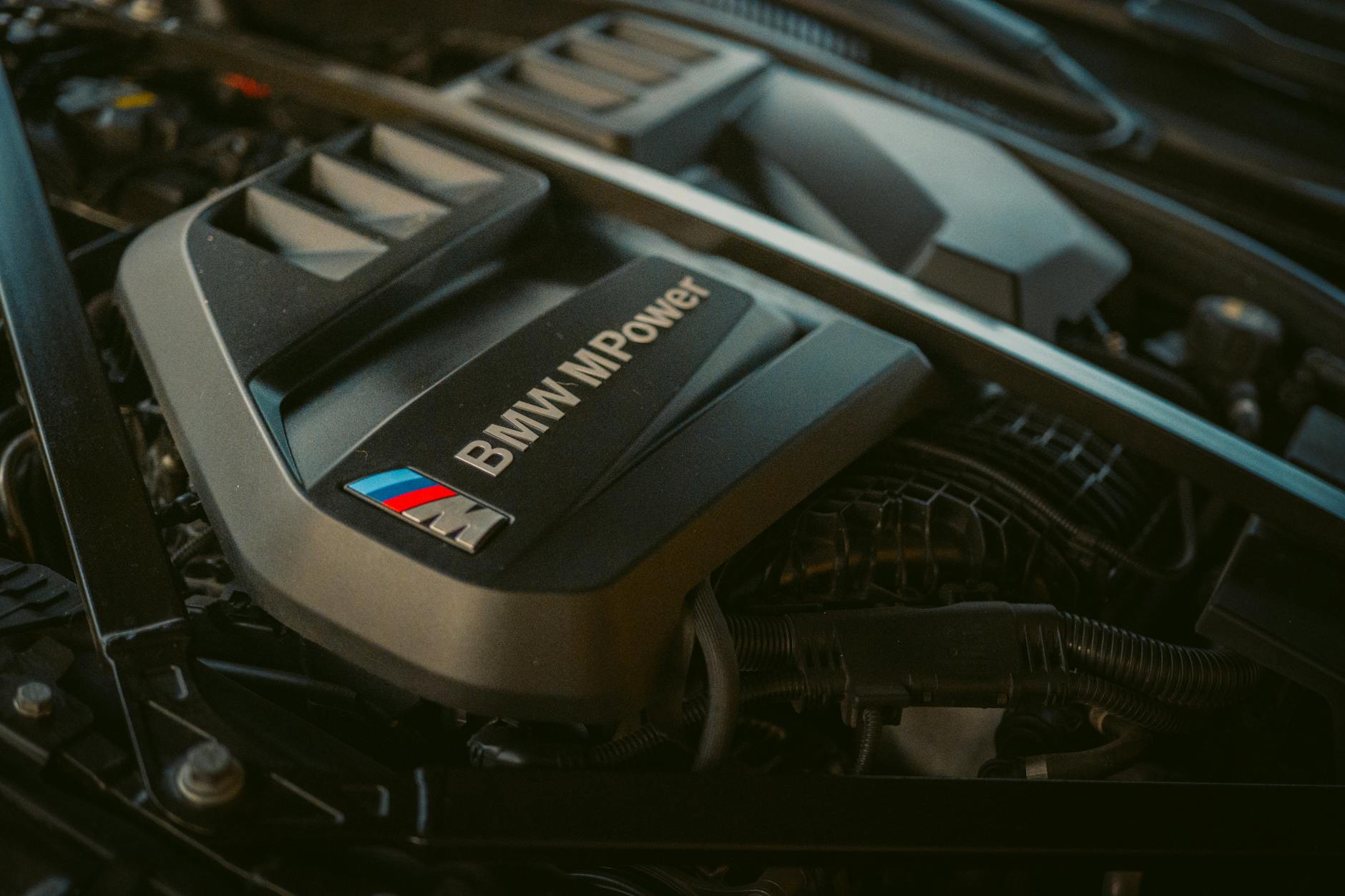
High oil consumption on the BMW X5 F15 with the N55 3.0-litre turbo petrol engine is one of those problems that can creep up on everyday owners: the car still drives well, there’s no obvious leak on the driveway, yet you’re topping up oil far too often. It can be confusing because modern engines are designed to use a small amount of oil, and BMW’s electronic oil level system (no traditional dipstick on many cars) can make it harder to spot a trend early.
Recommended Tool: Professional OBD2 Scanner
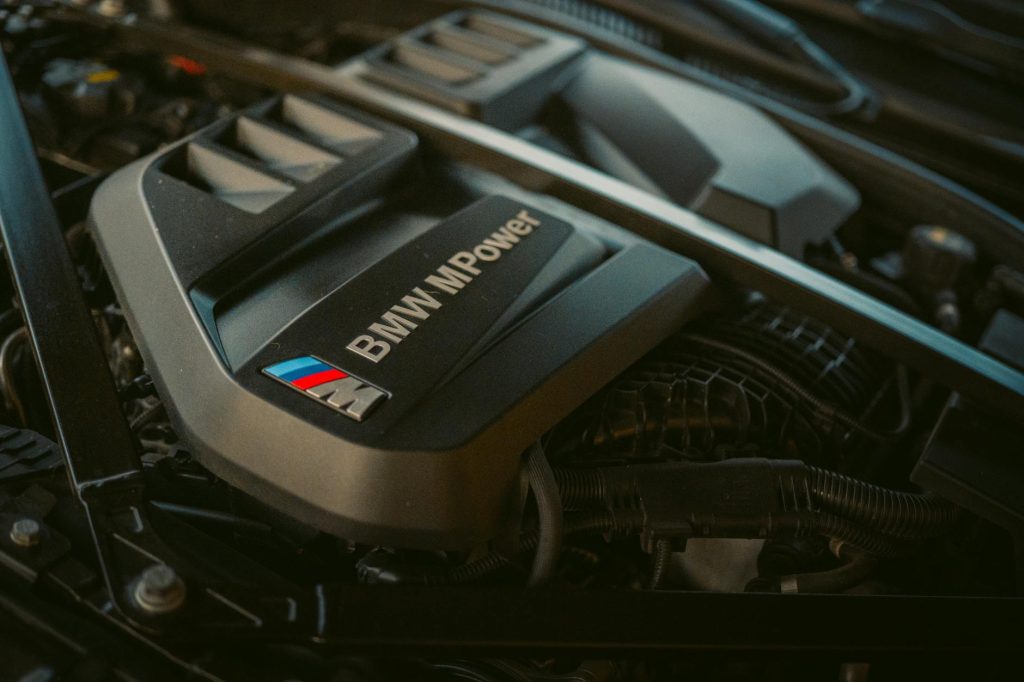
On the N55, two common suspects sit at the top of the list: the crankcase ventilation system (often referred to as PCV, usually integrated into the valve cover) and the turbocharger oil seals. Both can cause oil to be burned rather than leaked externally, and both can become expensive if ignored—especially in a heavy SUV like the X5 that often does short trips, towing, or motorway runs at sustained boost.
Recommended Tool: Professional OBD2 Scanner
2. Causes
PCV / crankcase ventilation problems (valve cover assembly)
The N55 uses an integrated pressure control and oil separation system in the valve cover. If the diaphragm or internal passages fail, the engine can pull excessive oil mist into the intake and burn it.
Recommended Tool: Professional OBD2 Scanner
Common triggers include:
- Age/heat cycling causing the diaphragm to harden or tear
- Sludge from long oil intervals or repeated short journeys
- Excessive crankcase vacuum or pressure upsetting oil separation
Turbocharger oil seal wear (or oil control issues)
The turbo relies on a steady oil feed and free-flowing return. If seals wear or the oil return path is restricted, oil can push past seals and enter the intake (compressor side) or exhaust (turbine side).
Factors that contribute:
- High mileage and heat stress (especially after hard driving without cool-down)
- Restricted turbo oil drain or crankcase pressure problems (PCV-related)
- Over-boost/overspeed events (rare, but possible with faults or tuning)
Less common but relevant contributors
While PCV and turbo are the big two, also consider:
- External leaks that burn off hot components (oil filter housing gasket is a known BMW weak point)
- Piston ring wear or cylinder wall glazing (usually higher mileage and more consistent smoke)
- Incorrect oil spec/viscosity (can increase consumption and volatility)
- Charge-air system leaks causing abnormal turbo operation and oil carryover
3. Symptoms
Oil consumption problems don’t always show up as dramatic smoke. Typical signs include:
- Oil level dropping quickly (for example, 1 litre every 1,000–3,000 km)
- Blue smoke:
- After idling then pulling away (often PCV-related)
- Under boost or long descents (can suggest turbo oil control)
- Oily residue in the charge pipes/intercooler area (some film is normal; pooling is not)
- Rough idle, whistling, or suction noise near the valve cover (PCV diaphragm issues)
- Misfires, especially on start-up (oil entering intake can foul plugs)
- Catalytic converter efficiency faults over time (oil burning can poison catalysts)
- Burning oil smell with no obvious leak (oil entering exhaust can do this)
4. How to diagnose
A good diagnosis saves a lot of money, because replacing a turbo when the PCV is the real cause (or vice versa) is a painful mistake. If you have access to BMW ISTA, it can help you read fault memory, check running values, and guide test plans. Even a quality OBD scanner is useful, but ISTA’s guided diagnostics are better.
Step-by-step checks (owner-friendly, but systematic)
Visual and basic checks
- Confirm the oil spec used (BMW LL-01/LL-04 where applicable, correct viscosity for your climate).
- Check for external leaks:
- Oil filter housing gasket area
- Valve cover perimeter
- Oil pan area (harder to see)
- Look inside the intake tract:
- Remove the intake pipe to the turbo (if accessible) and check for excessive oil.
- Inspect charge pipes/intercooler hoses for pooling oil.
PCV-focused checks
- Listen for a high-pitched whistle or strong suction at the oil filler cap.
- With the engine idling, carefully loosen the oil filler cap:
- A slight vacuum is normal.
- If the cap is very hard to lift or the idle changes dramatically, crankcase ventilation may be faulty.
- In ISTA, review fuel trims and mixture adaptation values; abnormal crankcase ventilation can influence mixture control.
Turbo-focused checks
- Check for oil in the downpipe area (more difficult without lifting the car).
- Watch exhaust smoke behaviour:
- Smoke primarily under boost can point to turbo sealing.
- If possible, have a workshop do a boost/leak test of the intake system; leaks can make the turbo work harder and increase oil carryover.
Rule out engine wear (if needed)
- Compression test and/or leak-down test (workshop job) if oil use is extreme and other causes don’t fit.
- Spark plug inspection: oily plugs can guide you toward which cylinders are affected.
5. How to fix
Fixing PCV/valve cover issues
On many N55 setups, the PCV is not a separate cheap valve—it’s integrated into the valve cover. The common repair is replacing the complete valve cover assembly (often with a new gasket set).
What typically gets replaced:
- Valve cover (with integrated PCV)
- Valve cover gasket
- Related breather hoses if brittle
- Sometimes ignition coils or plugs if oil contamination has caused misfires
Fixing turbo oil seal or oil return issues
If diagnosis points to the turbo, repairs vary depending on what’s actually wrong:
- Clean/replace turbo oil feed line (if restricted) and verify oil pressure
- Replace turbo oil return line and gasket/seals if clogged or leaking
- Replace the turbocharger if shaft play/seal failure is confirmed
(Rebuilt units exist, but quality varies—important on a daily driver.)
Also address root causes:
- If crankcase pressure is high due to PCV issues, a new turbo may fail prematurely unless PCV is fixed too.
- If the intercooler has significant oil pooling, it may need cleaning to prevent ingestion.
6. Repair costs
Prices vary across Europe (labour rates, parts sourcing, VAT). These are realistic ballpark totals (parts + labour):
-
Valve cover/PCV replacement (N55): €600–€1,200
- Parts: €250–€600 (OEM vs aftermarket)
- Labour: 2–4 hours depending on access and shop rate
-
Breather hoses and small seals: €80–€250 (often added during PCV work)
-
Turbo oil feed/return line service: €250–€700
- More if access is difficult or if additional gaskets/seals are needed
-
Turbocharger replacement: €1,800–€3,800
- Parts: €900–€2,600 (quality rebuilt vs OEM new)
- Labour: 6–12 hours depending on equipment, seized fasteners, and whether additional items are replaced
-
Spark plugs and coils (if oil-fouled): €250–€700
- Often done as a “while you’re there” if misfires have occurred
If oil burning has damaged the catalytic converter, costs can jump significantly (often €1,200–€3,000+ depending on parts and whether the car has multiple catalysts).
7. Prevention tips
- Shorten oil intervals if you do city driving: 8,000–12,000 km is often healthier than long intervals.
- Use the correct oil specification, not just the right viscosity—low-quality oil can increase volatility and deposits.
- Warm-up gently and cool down after hard driving: avoid shutting the engine off immediately after sustained boost.
- Check oil level regularly using the electronic measurement and track consumption per 1,000 km.
- Fix small intake leaks early: unmetered air and boost leaks can increase turbo workload and oil carryover.
8. When to see a mechanic
Book a proper diagnosis if:
- Consumption is worse than about 1 litre per 1,500–2,000 km (especially if it’s getting worse)
- You see blue smoke regularly or notice smoke under boost
- There are misfires, rough idle, or mixture faults stored
- You find oil pooling in charge pipes/intercooler
- The car enters limp mode, or you get drivetrain warnings
A specialist with ISTA can run targeted test plans and avoid guesswork. If you also own other European brands, the same logic applies: Mercedes owners benefit from Xentry, VAG owners from ODIS, and JLR owners from SDD/Pathfinder to guide root-cause diagnostics rather than swapping parts.
9. Frequently Asked Questions
Frequently Asked Questions
Is some oil consumption normal on the BMW N55?
Yes, a small amount can be normal, especially with motorway driving and higher revs. The concern is a rising trend, frequent top-ups, or any smoke and drivability issues. Tracking litres per 1,000 km helps separate “normal” from a developing fault.
How can I tell if it’s the PCV or the turbo?
PCV issues often cause strong crankcase vacuum, whistling noises, and smoke after idling or on start-up. Turbo seal problems more commonly show smoke under boost and heavier oil presence in charge pipes, and may worsen with sustained high load. A proper inspection plus ISTA data and intake/exhaust checks usually clarifies it.
Can a failing PCV cause turbo problems?
Yes. If crankcase pressure control is wrong, turbo oil drainage can be affected and oil can be pushed past seals more easily. Fixing the PCV first is often recommended if both systems show signs of trouble.
Is it safe to keep driving if I just keep topping up oil?
It’s risky. Oil burning can damage catalytic converters and oxygen sensors, and low oil events can accelerate timing chain and bearing wear. If consumption is heavy, you can also foul spark plugs and trigger misfires that harm the engine and exhaust system.
Should I use thicker oil to reduce consumption?
A slightly different viscosity might reduce consumption in some cases, but it can also mask the underlying issue and isn’t a substitute for repair. Always stick to the BMW-approved specification for your engine and climate, and treat sudden changes in consumption as a diagnostic problem rather than an oil-choice problem.