1. Introduction
A frustrating situation for many European car owners is turning the key or pressing the start button and getting… nothing—yet the dashboard lights, radio, and interior lights still work. This is common on vehicles like the BMW X5 E70, but it also shows up across BMW, Mercedes, Audi, VW Group (VW/Audi/Skoda/SEAT), and JLR models because modern cars can power low-current electronics even when the battery is too weak (or the starting system has failed).
Recommended Tool: Professional OBD2 Scanner
Recommended Tool: Premium Brake Pads
Recommended Tool: Portable Jump Starter
On the BMW X5 E70 specifically (often with the N52, N55, M57 or N57 engines), a “won’t crank but lights work” complaint usually comes down to battery state, voltage drop in the main power/ground paths, starter motor issues, or a control-module/immobiliser permission problem. The good news: with a methodical check, you can narrow it down before spending money on parts.
🔧 Recommended Professional Tool
DSG Transmission Service KitProfessional tools for DSG gearbox service
✔ Recommended by automotive technicians ✔ Suitable for BMW, Mercedes, VAG & JLR platforms ✔ Fast international shipping
2. Causes
Battery and power supply issues (most common)
- Weak battery (low cold cranking amps): Lights may work, but the starter needs high current.
- Poor battery terminals or corroded connections: Creates resistance and voltage drop under load.
- Bad ground strap (engine-to-chassis): Common cause of intermittent no-crank.
- Intelligent Battery Sensor (IBS) / battery monitoring faults (BMW): Can misreport state of charge or affect charging strategy.
- Alternator/charging issue: Battery looks “okay” but is not being recharged properly.
Starter circuit faults
- Worn starter motor or solenoid: Click/no crank, or total silence.
- Starter relay or fuse problem: No signal reaching the solenoid.
- Ignition switch / CAS (BMW) / steering lock module issues: Car doesn’t authorise cranking.
- Neutral safety / gear selector recognition: Especially on automatic gearboxes like ZF 6HP / ZF 8HP or on VAG DSG where the car must see Park/Neutral.
Control and immobiliser/authorisation problems
- Key recognition / CAS or FEM issues (BMW): The car powers accessories but won’t crank.
- Brake pedal switch fault (push-button start cars): The car may not “see” brake applied.
- EWS/DME alignment or fault codes: Less common, but possible after low voltage events.
3. Symptoms
What you might notice
- Dashboard and infotainment power up normally, but engine does not crank.
- A single click from the engine bay (starter solenoid attempting engagement).
- Rapid clicking (often battery voltage collapsing under load).
- “Transmission” or “P” indicator behaving oddly (gear selector not recognised).
- Intermittent behaviour: starts sometimes, fails other times—often points to starter wear or poor grounds.
Helpful detail to observe
- Do lights dim sharply when you try to start? That often indicates the starter is drawing current but the battery or connections can’t support it.
- Is it totally silent with no dimming? That can suggest no crank command/relay/authorisation rather than a weak battery.
4. How to diagnose
Step 1: Check battery voltage properly
Use a multimeter at the battery terminals:
- 12.6V (engine off, rested) = healthy
- 12.2V = borderline
- Below 12.0V = likely too weak to crank reliably
Then check voltage while someone tries to start:
- If it drops below ~10V, the battery is weak or there’s major resistance in cables/terminals.
Step 2: Inspect terminals and main grounds
- Check for looseness, white/green corrosion, or heat damage at terminals.
- On many BMWs, the battery is in the rear; verify the main positive cable and the engine ground strap are intact and tight.
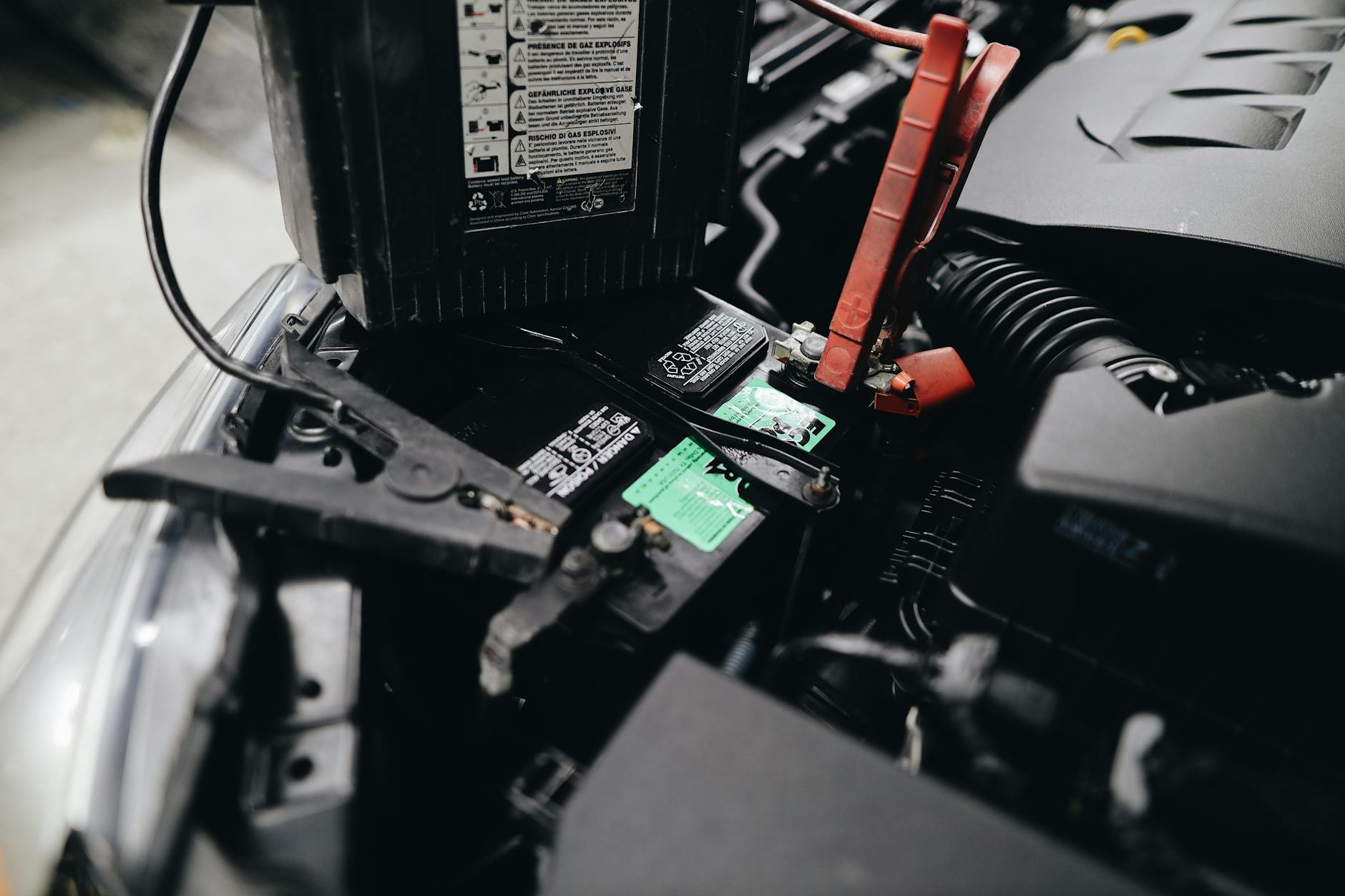
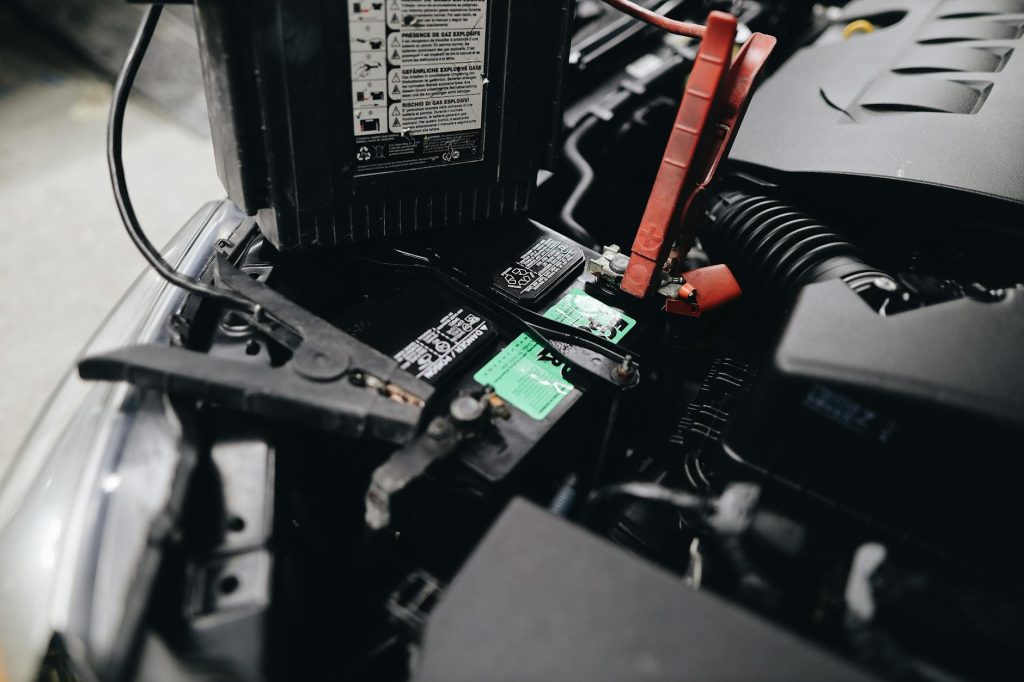
Step 3: Try a known-good jump start (correctly)
If it starts with a jump:
- Battery condition, connections, IBS/charging system are prime suspects. If it still won’t crank with a strong booster:
- Starter, relay, control/authorisation likely.
Step 4: Rule out gear selector and brake switch issues
- Automatic: try starting in Neutral as well as Park.
- Confirm brake lights work when pressing the pedal (basic brake switch check).
Step 5: Scan for fault codes (strongly recommended)
A generic OBD reader may miss body/starting authorisation faults. Use manufacturer-level tools when possible:
- BMW ISTA: Check CAS/DME start enable, IBS data, terminal status (Terminal 15/30), and starter activation.
- Mercedes Xentry: Look for “Start enable” status, ESL/EIS faults, and voltage history.
- VAG ODIS: Check immobiliser authorisation, terminal status, and gateway voltage logs.
- JLR SDD/Pathfinder: Check start request, brake switch input, and security status.
Even if there’s no warning light, low-voltage events often log codes that point you to the right system.
Step 6: Simple starter test (non-invasive)
If accessible, listen near the starter area:
- Click/no crank: solenoid engages but motor fails (starter likely).
- No click: could be relay/control signal/authorisation, or a dead solenoid.
5. How to fix
If the battery is weak or old
- Replace with the correct specification (AGM vs lead-acid matters on many European cars).
- On BMW E70, battery registration is important so the charging system adapts properly. This is typically done in ISTA (or capable aftermarket tools).
If connections/grounds are the issue
- Clean and tighten terminals.
- Replace damaged battery clamps or cables if they’re heat-affected.
- Replace the engine ground strap if corroded or frayed—this can instantly cure intermittent no-crank problems.
If the starter motor has failed
- Replace the starter motor and associated hardware as required.
- On some engines (e.g., BMW N55/N57 layouts), access can be tight, so labour can be significant.
- After replacement, clear codes and confirm proper start command.
If it’s an authorisation/switch/relay problem
- Replace faulty starter relay or address fuse-box issues if confirmed by testing.
- Fix brake switch or gear selector recognition faults.
- If modules like BMW CAS, Mercedes EIS/ESL, or VAG immobiliser components are implicated, module-level diagnosis and coding may be necessary.
6. Repair costs
Costs vary by country and labour rate, but realistic European ranges (parts + labour) are:
- Battery replacement (standard/AGM): €180–€450
Add battery registration/coding (if needed): €30–€120 - Battery terminals/cable repairs: €60–€250
Main cable replacement (rare but possible): €250–€800 - Engine ground strap: €80–€220
- Starter motor replacement: €450–€1,200
(Parts often €180–€500; labour can be 2–6+ hours depending on engine and access) - Alternator (if charging fault confirmed): €500–€1,300
- Authorisation/module diagnostics and repair: €150–€900+
Coding/programming or module replacement can push higher, especially on security components.
7. Prevention tips
- Replace batteries proactively every 5–7 years (sooner with lots of short trips).
- Avoid repeated short journeys without occasional longer drives; they don’t replenish charge well.
- Keep terminals clean and ensure clamps are tight after any battery work.
- If your car supports it, periodically check battery health data with the proper tool (ISTA/Xentry/ODIS/SDD).
- If you store the car, use a quality maintainer suitable for AGM batteries.
8. When to see a mechanic
See a professional if:
- The car won’t crank even with a known-good jump/booster.
- You suspect immobiliser/start authorisation problems (security systems are sensitive and often require coding).
- You smell burning or see hot cables/terminal melting—stop and get it checked immediately.
- Fault codes point to CAS/EIS/ESL, gateway modules, or persistent undervoltage histories. A workshop with the right diagnostic platform (ISTA, Xentry, ODIS, Pathfinder/SDD) can confirm start enable status and test the starter circuit safely.
9. Frequently Asked Questions
Frequently Asked Questions
What’s the quickest way to tell if it’s battery or starter? Measure voltage while attempting to start. If voltage drops below about 10V, the battery or connections are likely at fault. If voltage stays relatively stable but there’s no crank, the starter circuit or authorisation is more likely.
My lights and radio work—doesn’t that mean the battery is fine? Not necessarily. Lights and electronics use far less current than the starter motor. A battery can power accessories but collapse under the heavy load required to crank the engine.
Do I need to register a new battery on a BMW X5 E70? Yes in most cases, especially if the car uses IBS and smart charging. Battery registration helps the car charge correctly and can extend battery life. This is typically done with ISTA or a capable diagnostic tool.
If I hear a single click, is the starter definitely bad? A single click often indicates the solenoid is trying to engage, which can mean a failing starter motor. However, it can also happen with low voltage or high resistance in the main cables or ground strap. Voltage-drop testing is the best confirmation.
Can a bad brake switch stop the car from starting? Yes, on many push-button start vehicles the car requires a brake pedal signal to allow cranking. If the brake lights don’t come on consistently, the switch or its wiring may be the cause. A scan tool can usually confirm whether the brake input is seen by the control module.