1. Introduction
An engine misfire that only shows up under load is one of the most frustrating drivability problems for everyday owners. Your BMW X1 F48 with the 1.5 turbo B38 may idle smoothly and feel fine around town, then stumble or hesitate the moment you accelerate hard, climb a hill, or merge onto a motorway. Because the car can behave normally in light driving, it’s easy to dismiss—until the check engine light starts flashing, fuel economy worsens, and the catalytic converter is put at risk.
Recommended Tool: Professional OBD2 Scanner
Recommended Tool: Cooling System Diagnostic Tools
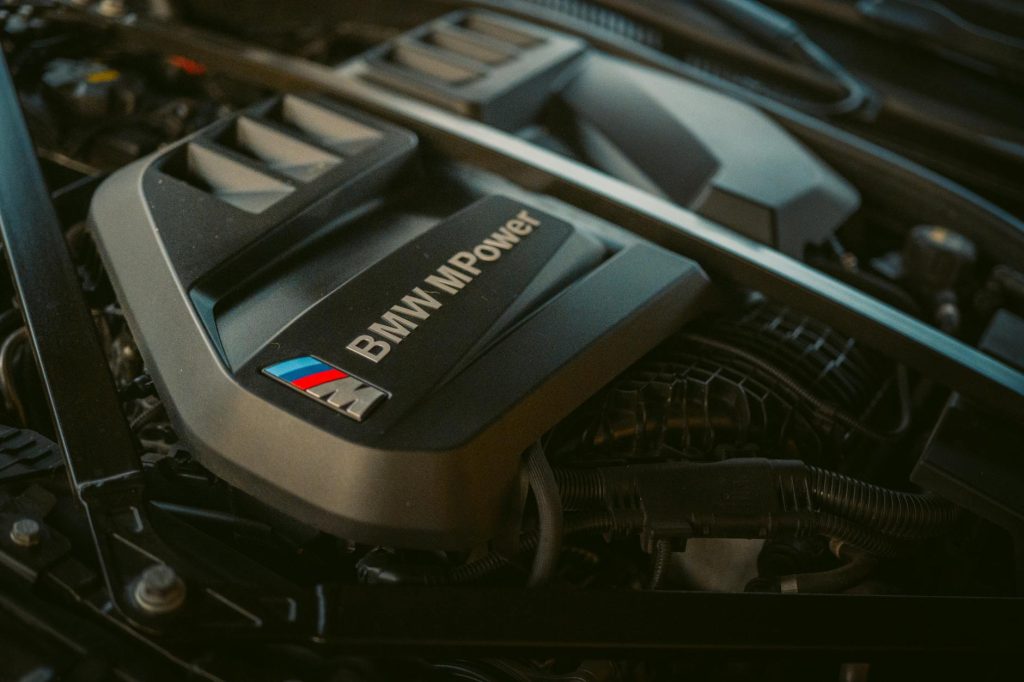
For the B38, the two most common “under load” culprits are ignition coils and fuel injectors. Both can fail in ways that don’t always show up at idle. The good news: with a structured approach and the right diagnostic data (ideally from BMW ISTA), you can usually pinpoint the cause without replacing parts blindly.
Recommended Tool: Professional OBD2 Scanner
🔧 Recommended Professional Tool
Cooling System Diagnostic ToolsProfessional coolant tester and infrared thermometer for accurate overheating diagnosis.
✔ Recommended by automotive technicians ✔ Suitable for BMW, Mercedes, VAG & JLR platforms ✔ Fast international shipping
2. Causes
Misfires under load generally happen because the spark can’t ignite the mixture reliably, or because the mixture isn’t correct when cylinder pressure rises. On the BMW B38, common causes include:
Ignition-related causes (often coil-related)
- Weak or failing ignition coil: Coils can produce enough spark at idle but break down when cylinder pressure increases under boost.
- Worn or incorrect spark plugs: Excessive plug gap or the wrong plug specification makes the coil work harder and can trigger misfires under load.
- Moisture/oil in plug wells: Less common on B38 than some engines, but any contamination can lead to tracking and misfire.
Fuel-related causes (often injector-related)
- Partially clogged or failing injector: Under higher demand, the injector may not deliver consistent fuel, causing a lean misfire.
- Low fuel pressure under load: A weak low-pressure pump, restricted filter (if applicable), or a struggling high-pressure side can starve the engine when you accelerate.
- Poor fuel quality: More noticeable under load, especially if knock control pulls timing and the engine becomes rough.
Air/boost and control-related causes
- Boost leak or charge air leak: A leak can cause the engine to run lean and misfire when boost rises.
- MAP/MAF sensor issues: Incorrect air measurement can lead to poor fueling under load.
- Carbon buildup on intake valves (direct injection reality): Can disturb airflow and mixture distribution, sometimes showing most under acceleration.
While “coil or injector?” is a common fork in the road, it’s important not to ignore fuel pressure and boost leaks—both can imitate injector failure.
3. Symptoms
Misfire under load has a recognizable pattern. You may experience:
- Hesitation or “stutter” during strong acceleration
- Rough running when climbing hills or overtaking
- Flashing check engine light (urgent: active misfire)
- Reduced power and limp-home mode
- Noticeable vibration through the steering wheel or seat under throttle
- Higher fuel consumption and a fuel smell from the exhaust
- Fault codes such as misfire cylinder 1/2/3, “mixture too lean,” or catalytic converter efficiency concerns
A key clue: if it’s smooth at idle and only fails when you ask for power, suspect coil breakdown, plug issues, fueling shortfall, or a boost-related lean condition.
4. How to diagnose
A proper diagnosis saves money—especially because coils and injectors aren’t cheap if you start swapping randomly. Here’s a practical owner-focused process.
Step 1: Read fault codes and freeze-frame data
Use a quality scan tool. For BMW, ISTA is ideal because it shows BMW-specific misfire counters, test plans, and guided diagnostics. Look for:
- Which cylinder is misfiring (1, 2, or 3)
- Whether codes mention fuel trim, mixture adaptation, or rail pressure
- Freeze-frame details: RPM, load, boost request, and coolant temperature when the fault occurred
If you also own other European cars, the same approach applies with Xentry (Mercedes), ODIS (VW/Audi), and Pathfinder/SDD (JLR): confirm the operating conditions and whether the fault is cylinder-specific or random.
Step 2: Check the basics (quick visual inspection)
- Inspect coil connectors and wiring for broken clips or corrosion
- Look for oil or water in the spark plug wells
- Check intake hoses and charge pipes for splits or loose clamps (especially around the turbo plumbing)
Step 3: Compare live data under load (safely)
With a helper or on a safe test route, log:
- Misfire counters per cylinder
- Short-term and long-term fuel trims
- Requested vs. actual boost (where available)
- Fuel pressure (low and/or high side, depending on what your scan tool supports)
Pattern tips:
- Misfire increases sharply with boost/load and is concentrated on one cylinder → often coil or plug, sometimes injector.
- Misfires across multiple cylinders with lean trims → more likely boost leak, air metering issue, or fuel pressure problem.
Step 4: Do targeted swap tests (if accessible)
If one cylinder is flagged repeatedly:
- Swap the suspected coil with another cylinder and see if the misfire follows.
- If plugs are due, replace them first (and keep the old set for inspection).
Injector swap testing is more complex on many direct-injection engines and may require new seals and coding/adaptation. This is where ISTA guidance helps, and many owners sensibly stop and involve a professional.
Step 5: Rule out fuel pressure and injector performance
A workshop can do:
- Fuel pressure tests under load
- Injector balance tests (where supported)
- Smoke test for boost/intake leaks
5. How to fix
Fixes should follow the evidence, not guesswork.
If it’s the ignition coil (very common)
- Replace the failing coil. Many owners choose to replace all coils if mileage is high, but it’s not always necessary.
- Replace spark plugs if they’re near service interval or show wear.
- Clear adaptations and fault codes; confirm with a road test.
If it’s the injector
- Replace the faulty injector and install new seals/decoupling elements as required.
- Code/program the injector if the system requires it, and run adaptation procedures (ISTA can guide this).
- Recheck fuel trims and misfire counters after repair.
If the issue is fuel pressure or boost leak
- Repair cracked charge pipes/hoses, clamps, or intercooler connections; smoke testing helps confirm.
- Address low-pressure pump or related components if pressure drops under load.
- Verify sensor readings (MAP/MAF) and replace only if data supports it.
6. Repair costs
Costs vary by country and labour rate, but these ranges are realistic for much of Europe (parts + labour):
- Spark plugs (set)
- €120–€250 total depending on plug type and labour time
- Single ignition coil replacement
- €120–€220 each
- All coils (set of 3 on B38)
- €330–€600
- Single injector replacement (direct injection)
- €350–€750 (injector cost, seals, labour, and coding/adaptation)
- Boost leak diagnosis + hose/pipe repair
- €120–€400 depending on smoke test time and parts
- Fuel pressure diagnosis + pump repair (if needed)
- €300–€900 depending on which pump and access
If you continue driving with an active misfire, costs can jump dramatically due to catalytic converter damage—often well into four figures.
7. Prevention tips
Misfires under load aren’t always preventable, but you can reduce your risk:
- Replace spark plugs on time (or slightly early if you do many short trips).
- Use good-quality fuel from reputable stations; avoid running the tank very low repeatedly.
- Fix small air leaks early—loose clamps and aging hoses often start as “minor” issues.
- Don’t ignore early signs like occasional hesitation; catching it early can save the catalyst.
- If the car is tuned or driven hard frequently, expect shorter plug and coil life.
8. When to see a mechanic
See a professional promptly if:
- The check engine light is flashing (active misfire can damage the catalyst quickly).
- Misfires occur on multiple cylinders or only at high load where safe testing is difficult.
- You suspect injector issues (coding/adaptation, high-pressure fuel safety, seal replacement).
- You need advanced testing like smoke testing, fuel pressure under load, or guided ISTA test plans.
A workshop familiar with BMW diagnostics and ISTA can often narrow this down in a single visit, preventing unnecessary parts replacement.
9. Frequently Asked Questions
Frequently Asked Questions
Can a bad coil really misfire only under load?
Yes. A weak coil may still spark at idle, but under boost and higher cylinder pressure it can’t generate enough voltage consistently. That’s why the problem often appears during overtakes or hill climbs.
How do I tell if it’s an injector instead of a coil?
If swapping coils moves the misfire to another cylinder, it’s very likely the coil. If the misfire stays on the same cylinder and fuel trims suggest a lean condition, the injector (or an air leak affecting that runner) becomes more likely.
Is it safe to drive with a misfire under load?
Not for long. An active misfire can overheat and damage the catalytic converter and may also wash fuel into the oil. If the engine light flashes, reduce load immediately and arrange diagnosis.
Should I replace all coils and plugs together?
Plugs are often worth doing as a set if they’re due, because worn plugs can shorten coil life. Coils can be replaced individually if testing points to one unit, but higher-mileage cars may benefit from replacing all three to avoid repeat failures.
Will a generic OBD scanner be enough for diagnosis?
It can identify basic misfire codes, but it may not show the deeper BMW-specific data that speeds up diagnosis. ISTA can display misfire counters, adaptations, and guided test plans that help distinguish coil, injector, fueling, and boost issues more reliably.