1. Introduction
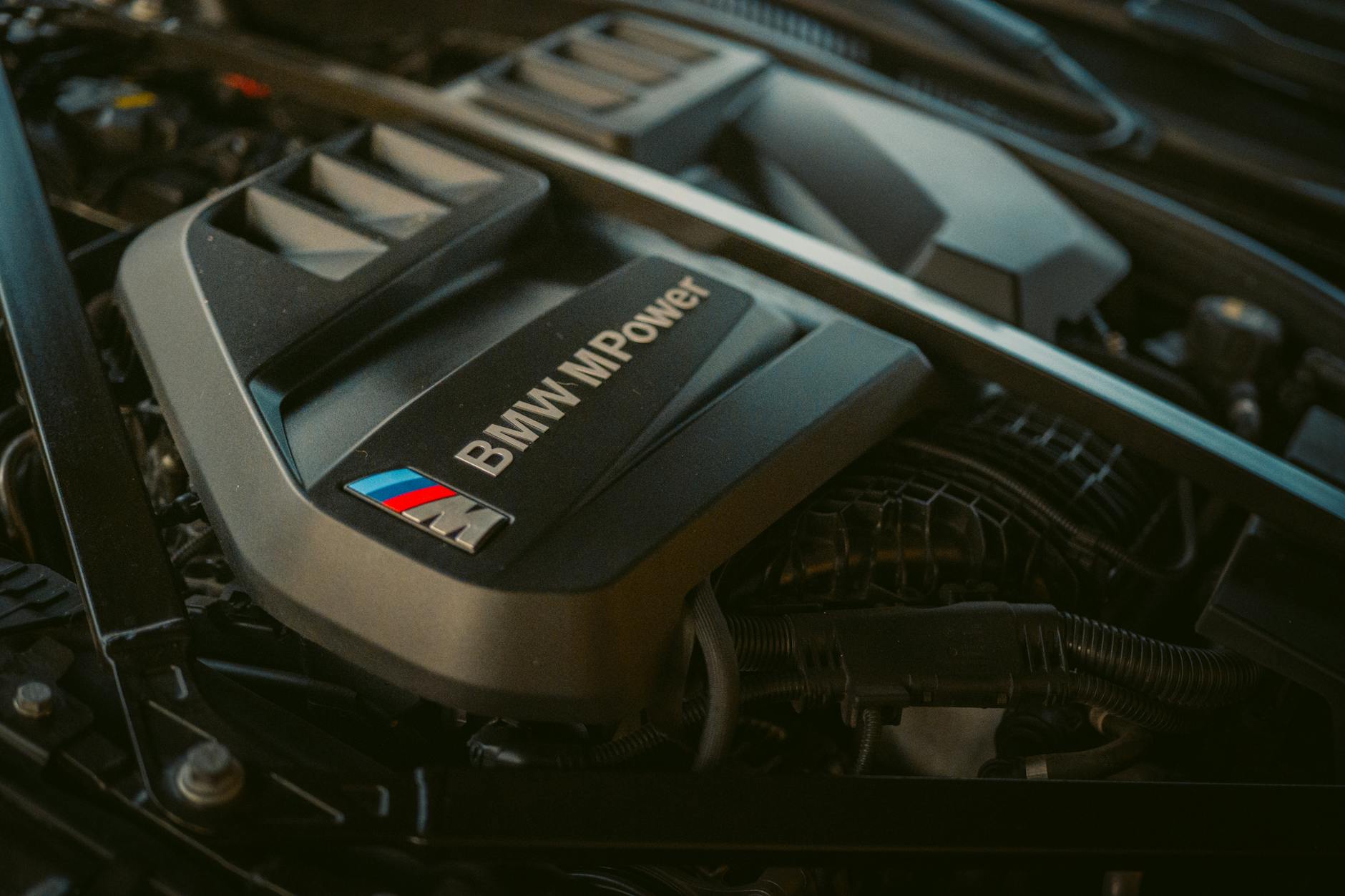
A rattling noise from the front of your BMW’s engine—especially on cold start—can be alarming, and with the BMW N20 (and closely related N26) four-cylinder turbo engines it often points to timing chain trouble. Owners frequently hear the term “timing chain noise” used as a catch‑all, but in practice there are two common scenarios: chain stretch (the chain physically elongates over time) and tensioner failure (the hydraulic tensioner or its oil supply can’t keep the chain tight). Both can sound similar at first, yet the long-term risk is very different: if the chain jumps timing, internal engine damage can follow.
Recommended Tool: Professional OBD2 Scanner
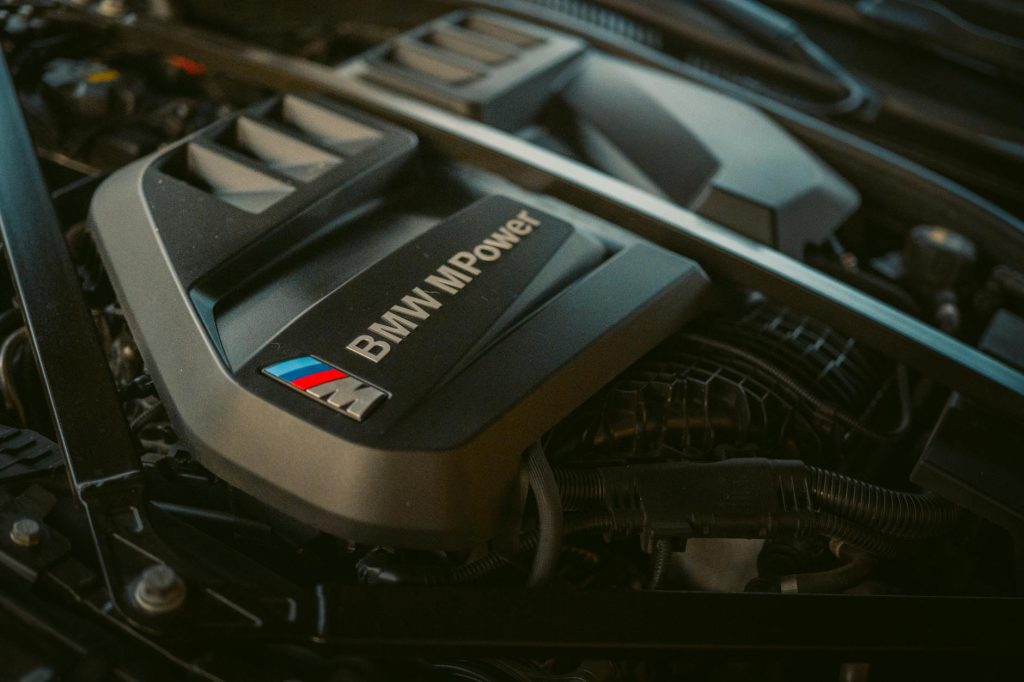
This guide is written for everyday European car owners across brands, but focuses on the N20 because it’s a well-known case where early diagnosis saves a lot of money. You’ll learn what causes the noise, what symptoms matter, how a workshop confirms the diagnosis using tools like ISTA, and what repair options typically look like—including realistic cost ranges.
Recommended Tool: Professional OBD2 Scanner
🔧 Recommended Professional Tool
BMW N20 Diagnostic & Timing ToolsProfessional tools for BMW N20 engine service
✔ Recommended by automotive technicians ✔ Suitable for BMW, Mercedes, VAG & JLR platforms ✔ Fast international shipping
2. Causes
Timing chain noise on the N20 is usually caused by one (or a combination) of the following:
Chain stretch (progressive wear)
Over time, the chain, guides, and sprockets wear. As the chain elongates, the engine’s cam timing drifts and the chain can begin to slap against guides, especially during start-up before oil pressure stabilises.
Recommended Tool: Professional OBD2 Scanner
Tensioner failure or weak tensioning
The N20 uses a hydraulic chain tensioner that relies on oil pressure. If the tensioner’s internal check valve leaks down, the chain can go slack after the engine sits, leading to a rattle on the next start. Low oil level, degraded oil, or oil pressure issues can worsen it.
Guide rail wear or breakage
Plastic guide rails can wear grooves or crack. When that happens, the chain has less controlled travel and becomes noisier. In more severe cases, guide fragments can end up in the oil pan.
Oil quality, oil change intervals, and sludge
Extended service intervals and the wrong oil specification can promote varnish or sludge, affecting the tensioner and oil passages. While modern oils are good, timing components in high-output turbo engines (like the N20) tend to be sensitive to oil condition.
3. Symptoms
Not every rattle means the timing chain is about to fail, but these symptoms should get your attention:
- Cold start rattle for 1–3 seconds (or longer) from the timing chain area (front of engine).
- Intermittent metallic ticking or rattling that changes with RPM.
- Check Engine Light with cam/crank correlation faults (timing plausibility).
- Rough idle, hesitation, or reduced power, especially if timing has drifted.
- Oil pressure warnings (rare, but serious if present).
- Metallic debris in the oil filter housing or during an oil change (a red flag).
If the noise is brief and only after the car sits overnight, tensioner bleed-down is a common pattern. If the noise is getting progressively worse, lasts longer, or is paired with fault codes, chain stretch/guide wear moves higher on the list.
4. How to diagnose
A correct diagnosis matters because replacing only the tensioner when the chain and guides are worn can be a short-lived fix. A good BMW specialist will usually combine listening checks, scan data, and mechanical inspection.
Step-by-step workshop diagnosis (typical)
-
Confirm noise location
A mechanic may use a stethoscope to pinpoint whether the sound is from the timing cover area rather than accessories (belt tensioner, alternator, A/C compressor). -
Read fault codes and freeze-frame data using ISTA
In ISTA, technicians look for camshaft timing deviation or plausibility faults (cam/crank correlation). They’ll also check adaptation values and any related VANOS control faults. -
Check oil level, oil condition, and service history
Low oil or long intervals can contribute to tensioner problems. The shop may verify the correct BMW Longlife spec oil was used. -
Inspect for chain guide wear signals
Depending on the workshop, they may inspect through service openings, check for debris, or recommend removing the valve cover for a clearer view of the chain and guides. -
Mechanical timing verification (as needed)
If scan data suggests timing drift, proper timing tools may be used to confirm alignment. This helps distinguish a noisy but correctly timed system from one that’s drifting.
Practical note: Similar diagnostic logic exists across brands. Mercedes shops use Xentry, VAG uses ODIS, and JLR uses Pathfinder/SDD—all of which can show timing plausibility data and related faults. The difference is the N20’s known sensitivity to chain/tensioner wear patterns.
5. How to fix
The right repair depends on what’s actually failing.
If it’s mainly tensioner bleed-down
- Replace the timing chain tensioner (and usually the sealing washer).
- Perform an oil and filter change with the correct specification.
- Confirm no timing deviation codes return and the cold-start rattle is resolved.
This is the “best-case” scenario, but only if chain stretch and guide wear are not significant.
If there’s chain stretch and/or guide wear
A proper repair typically includes:
- Timing chain
- Guide rails
- Tensioner
- Often sprockets (depending on wear)
- Fresh oil and filter
- New gaskets/seals as required during disassembly
This is more labour-intensive but addresses the root cause. If the chain has been noisy for a long time, replacing guides and chain together is usually the most cost-effective long-term approach.
If timing has jumped or damage is suspected
If the engine has severe misfires, won’t start, or shows major timing faults, the shop may recommend:
- Compression/leak-down testing
- Borescope inspection (where possible)
- In worst cases, cylinder head work or engine replacement
Catching it before this stage is the difference between a planned repair and a major bill.
6. Repair costs
Prices vary widely across Europe by labour rate, model, and how accessible the engine is in the bay. The following are realistic ranges (parts + labour):
-
Timing chain tensioner only: €250–€600
Typically 1–2 hours labour plus parts. Best suited to clear tensioner-related rattle with no timing deviation faults. -
Full timing chain kit (chain + guides + tensioner, seals): €1,200–€2,500
Labour is the main factor. Independent BMW specialists are often toward the lower half; main dealers often higher. -
Extended repair (includes sprockets, additional seals, more related parts): €1,800–€3,200
Common when wear is advanced or the shop recommends a more comprehensive overhaul for longevity. -
If the chain has jumped timing (engine damage possible): €3,500–€8,000+
This can involve valve damage, head work, or a used/reman engine. Costs depend heavily on the extent of damage and parts availability.
Always ask the garage whether their quote includes new one-time-use bolts, updated parts revisions (if applicable), and a post-repair adaptation reset/check in ISTA.
7. Prevention tips
You can’t eliminate wear entirely, but you can reduce the chance of timing system problems becoming expensive.
- Shorten oil change intervals compared to the maximum service schedule. Many owners choose 10,000–12,000 km intervals (or annually).
- Use the correct oil specification (BMW Longlife-approved) and a quality filter.
- Keep oil level correct; don’t let it run low between services.
- Listen to cold starts occasionally with the bonnet open. A change in sound over months is meaningful.
- Avoid repeated short trips if possible; they accelerate oil contamination and moisture buildup.
- Address warning lights promptly—timing plausibility faults are not “drive-it-for-months” codes.
8. When to see a mechanic
Book a diagnostic visit if:
- The rattle lasts more than a couple of seconds on start-up, or it’s getting worse.
- You have a Check Engine Light, rough running, or reduced power.
- The noise is present warm as well as cold.
- You find plastic debris or metallic particles during an oil/filter change.
A good workshop will confirm whether you’re dealing with simple tensioner bleed-down or early signs of chain/guide wear. Ask for scan results, not just a guess—ISTA data and a documented inspection help you make an informed decision.
9. Frequently Asked Questions
Frequently Asked Questions
Is timing chain noise on the BMW N20 always chain stretch?
No. A brief cold-start rattle can be caused by a tensioner that bleeds down after sitting, especially if oil level or oil condition isn’t ideal. Chain stretch tends to get progressively worse and is more likely to show timing deviation faults.
Can I keep driving if the rattle only lasts 1–2 seconds on cold start?
Many owners do, but it’s still worth diagnosing early because the same symptom can be the start of guide or chain wear. If the noise lengthens, becomes frequent when warm, or any fault codes appear, stop delaying and book an inspection.
What fault codes suggest chain stretch rather than just a weak tensioner?
Cam/crank correlation or timing plausibility faults are the key indicators, especially if they return after clearing. ISTA can also show adaptation values that hint at timing drift over time.
Is replacing only the tensioner a permanent fix?
It can be, but only when the chain and guides are in good condition. If the chain is already stretched or the guides are worn, a tensioner-only repair may reduce noise temporarily and then the problem returns.
How can I reduce the risk after repair?
Use the correct oil spec, change it more frequently than the maximum interval, and keep the oil level topped up. After major timing work, ensure the shop verifies timing and checks adaptation values in ISTA during the final road test and handover.