1. Introduction
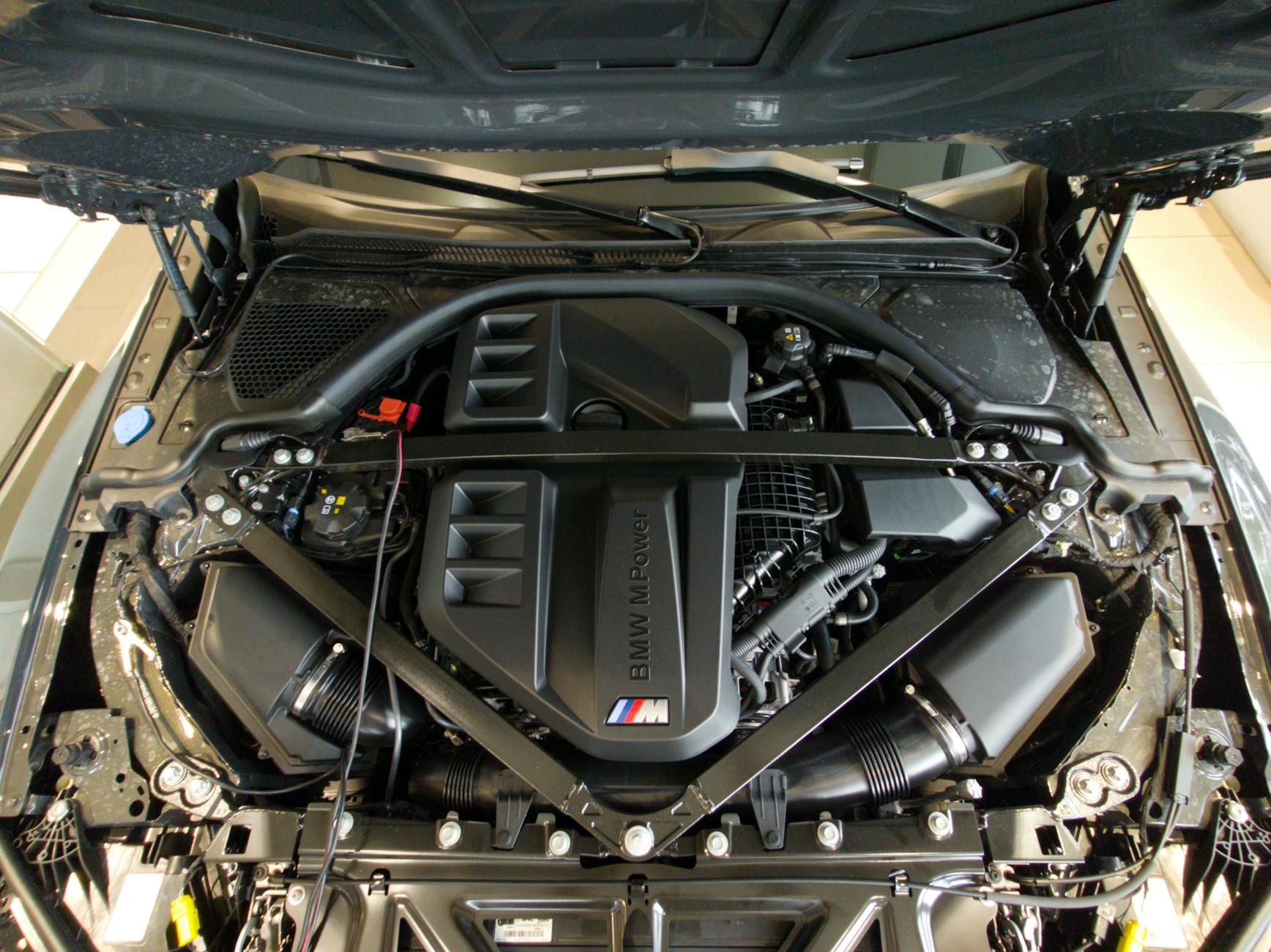
The BMW M340i (G20/G21) with the B58 inline‑six is widely regarded as one of the best modern performance engines for real‑world European driving: smooth, strong torque, and generally robust. One issue that crops up often enough to be considered “common” is an oil filter housing leak. Owners usually notice it as an oily smell after a spirited drive, a damp area around the front/side of the engine, or oil residue under the car after parking.
Recommended Tool: Professional OBD2 Scanner
Recommended Tool: Transmission Diagnostic Tools
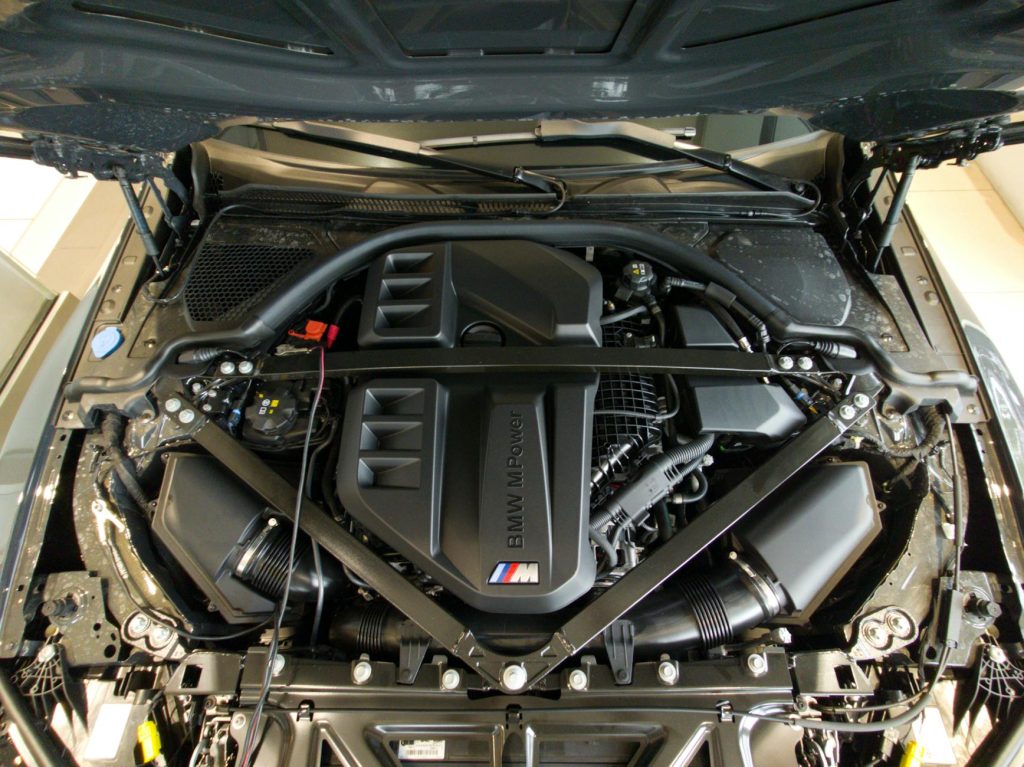
The good news is that most B58 oil filter housing leaks are very fixable when caught early. The less good news is that if you ignore it, oil can migrate onto belts, hoses, engine mounts, and undertrays, creating secondary problems and higher bills. This guide is aimed at everyday owners of BMW, Mercedes, Audi/VW Group and JLR vehicles too, because the principles are similar across brands: plastic housings, heat cycling, gasket aging, and small leaks that become big ones.
Recommended Tool: Professional OBD2 Scanner
🔧 Recommended Professional Tool
BMW N20 Diagnostic & Timing ToolsProfessional tools for BMW N20 engine service
✔ Recommended by automotive technicians ✔ Suitable for BMW, Mercedes, VAG & JLR platforms ✔ Fast international shipping
2. Causes
On the B58, oil leaks around the filter housing area typically come down to sealing surfaces and heat-related aging rather than “bad oil” or driving style. The most common causes include:
- Aged or flattened oil filter housing gasket(s)
Over time, the gasket loses elasticity and stops sealing perfectly under pressure and temperature swings. - Warped or cracked plastic housing components (if equipped)
Some versions use plastic modules that can deform slightly with heat cycling. - Improper oil filter cap tightening
Over‑tightening can distort the seal or damage the cap O‑ring; under‑tightening can allow seepage. - Previous service errors
Missing O‑rings, pinched seals, old gasket material left on a mating surface, or the wrong filter element can all cause leaks. - Oil cooler or heat exchanger sealing issues (where fitted)
Some B58 configurations integrate cooling passages; leaks can originate at adjoining seals. - Crankcase ventilation (PCV) problems increasing crankcase pressure
Excess crankcase pressure can push oil past seals that would otherwise hold.
Comparable “filter housing area” leaks exist on other brands too (e.g., BMW N20/N26 filter housing gasket, Mercedes OM651 oil cooler seals, VAG EA888 oil filter housing modules), so the diagnostic approach is broadly transferable.
3. Symptoms
Oil filter housing leaks can start subtly. Watch for:
- Burning oil smell after driving, especially when stopped in traffic (oil dripping onto hot components)
- Fresh oil residue on the front/side of the engine, around the filter housing and nearby hoses
- Oil spots on the driveway or dampness on the undertray
- Low oil warnings if the leak becomes significant between services
- Smoke wisps from the engine bay after a hard drive (rare, but possible if oil hits a hot surface)
- Messy belt area (oil misting can contaminate the auxiliary belt)
If you drive a car with a ZF 8HP automatic (common in BMW and JLR), oil from above can also coat transmission casing surfaces, making it look like a gearbox leak when it’s actually engine oil.
4. How to diagnose
A correct diagnosis matters because oil can travel and mislead you. Here’s a practical process that mirrors how professional workshops approach it.
Visual checks (owner-friendly)
- Start with a cold engine and remove the plastic engine cover if accessible.
- Use a bright torch and look around the oil filter housing, the cap area, and any attached cooler/lines.
- Look for fresh wet oil, not just old grime. Fresh oil will look glossy and collect dust quickly.
Clean-and-recheck method
- Spray a safe degreaser on the area (avoid electrical connectors), gently clean, and let it dry.
- Drive for 10–20 km, then recheck. A true leak source will show fresh oil first.
UV dye (best DIY confirmation)
Many workshops use UV dye in the oil:
- Add UV leak detection dye compatible with engine oil.
- Drive briefly, then inspect with a UV lamp.
This pinpoints the exact seam or seal where oil is escaping.
Diagnostic tools and scan checks (when helpful)
Oil filter housing leaks don’t always trigger fault codes, but scan tools can reveal related issues:
- BMW ISTA can help spot crankcase ventilation or oil pressure plausibility issues that may aggravate leaks.
- On other brands, Xentry (Mercedes), ODIS (VAG), and Pathfinder/SDD (JLR) can check for PCV-related faults, oil temperature irregularities, or service history markers.
Rule out look-alikes
Oil from the filter housing area can mimic:
- Valve cover gasket seepage
- Front crank seal leaks
- Turbo oil feed/return line leaks (on turbo engines like B58)
- Oil pan gasket seepage
A careful top-down inspection is key—oil runs downward and backward with airflow.
5. How to fix
The correct fix depends on what’s leaking: the cap seal, a housing gasket, or the housing/module itself.
Common fix: replace gasket(s) and seals
In many cases, the repair is:
- Replace the oil filter housing gasket (and any adjacent cooler/heat exchanger seals)
- Replace the oil filter cap O‑ring if it’s hardened or damaged
- Clean mating surfaces and torque components to specification
Key points that matter:
- Use quality OEM or OEM-equivalent seals. Cheap rubber can swell or harden quickly.
- Torque matters. Over‑tightening is a frequent cause of repeat leaks.
- Inspect for warping/cracks. If the housing is damaged, replacing seals alone won’t last.
If the housing/module is cracked or warped
If the housing is compromised:
- Replace the complete housing/module (and seals)
- Refill oil if drained, bleed/prime as required by procedure
Address contributing factors
If crankcase pressure is high due to PCV issues:
- Diagnose and repair the PCV system so the new seals aren’t stressed. This is a similar principle across brands (e.g., VAG EA888 PCV failures, BMW N-series PCV issues, some JLR Ingenium variants).
6. Repair costs
Prices vary by country and labour rates, but these are realistic European ranges for parts and labour combined.
Gasket/seal replacement (most common)
- Parts: €30–€120 (gaskets, cap O‑ring, small seals)
- Labour: 2.0–4.0 hours depending on access and model year
- Total estimate: €250–€650
Housing/module replacement (if cracked/warped)
- Parts: €200–€600+ (housing/module, seals; OEM can be higher)
- Labour: 2.5–5.0 hours
- Total estimate: €500–€1,200
Add-ons that may increase cost
- Oil and filter service if oil must be drained: +€120–€250
- PCV-related repairs if needed: +€150–€500
- Belt replacement if contaminated: +€80–€250 (plus labour if bundled)
If you’re comparing across brands: Mercedes OM651 oil cooler seal jobs can fall in a similar band, while some VAG EA888 housing/module replacements can be comparable depending on packaging.
7. Prevention tips
You can’t prevent every seal from aging, but you can reduce the chance of leaks and catch them early:
- Stick to sensible oil change intervals. Long intervals can increase sludge and seal stress.
- Use the correct oil spec. For BMW, that typically means the approved Longlife spec for your market and model.
- Don’t over‑tighten the oil filter cap. If you DIY, use a torque wrench.
- Inspect after every service. A quick look for fresh oil around the housing can catch a small seep early.
- Fix PCV issues promptly. Elevated crankcase pressure makes minor leaks worse.
8. When to see a mechanic
Book a professional inspection if:
- You can smell burning oil regularly or see smoke from the engine bay
- Oil is dripping onto the undertray or the ground
- The leak returns soon after an oil service (possible installation error or warped component)
- You suspect oil is reaching the auxiliary belt area
- You want confirmation with proper procedures and torque specs
A good independent specialist will often use ISTA (BMW) to check related data and ensure there are no secondary issues. Similarly, reputable workshops for other brands rely on Xentry, ODIS, or Pathfinder/SDD to confirm there aren’t underlying pressure/ventilation faults contributing to the leak.
9. Frequently Asked Questions
Frequently Asked Questions
Is an oil filter housing leak on the B58 urgent, or can I drive with it?
You can often drive short distances if oil level is maintained, but it’s not something to postpone for months. Oil can spread onto belts and hot components, creating smoke and additional repairs. If you smell burning oil or see dripping, treat it as urgent.
What’s the difference between a leaking oil filter cap and a housing gasket leak?
A cap leak usually leaves oil right around the cap area and may worsen immediately after an oil change. A housing gasket leak tends to show oil along the seam where the housing meets the engine, often spreading downward over time. Cleaning the area and rechecking after a short drive helps distinguish them.
Will an oil filter housing leak trigger a warning light or fault code?
Often it won’t, especially if the leak is slow. You may only see a low oil level message if the leak becomes significant. Scan tools like ISTA can still be useful for checking related crankcase ventilation or plausibility data.
Can a PCV problem cause or worsen an oil filter housing leak?
Yes, excessive crankcase pressure can push oil past seals that are already aging. If a new gasket starts leaking again quickly, checking the PCV system is sensible. This is a common pattern across many modern turbo engines, not just BMW.
Should I replace the whole housing/module or just the gasket?
If the housing is intact and the leak is from a seam, gaskets and seals are usually sufficient. If there’s evidence of cracking, warping, or repeated leaks after proper gasket replacement, a complete housing/module replacement is more reliable. A workshop inspection can confirm which route makes sense.